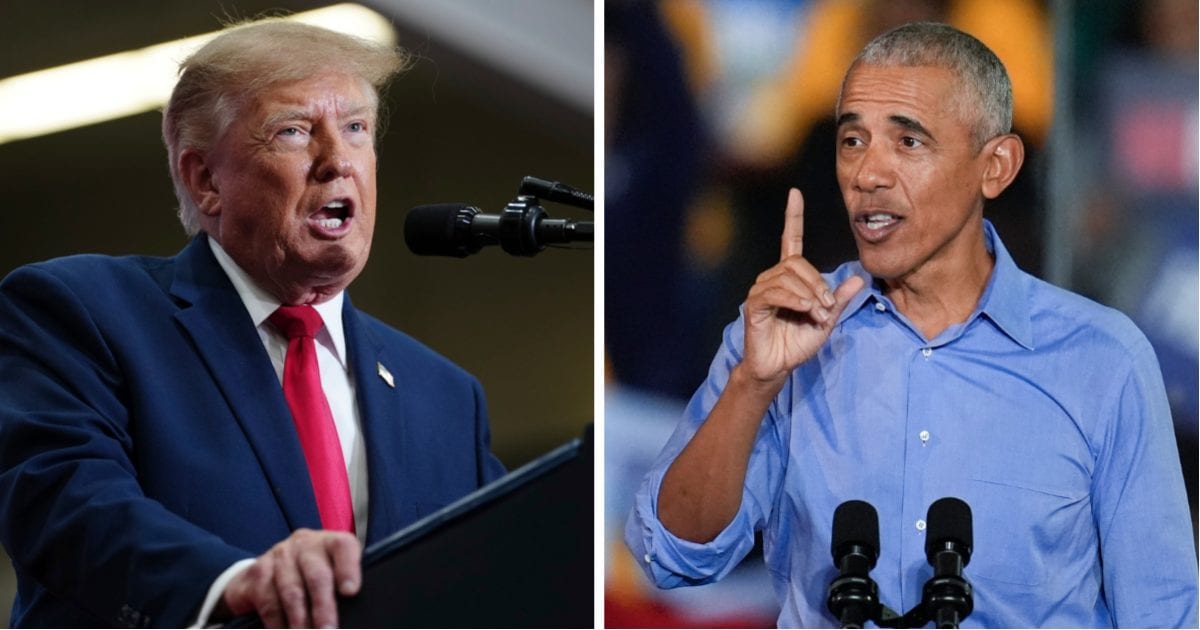
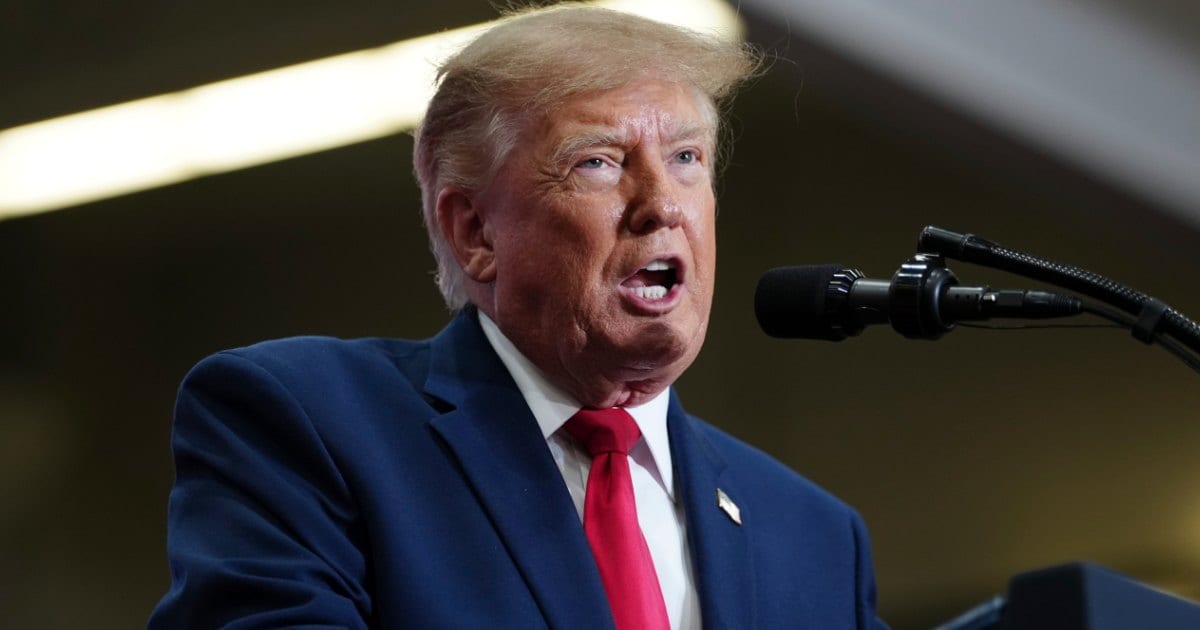
After 10 attempts, Senate passes war powers resolution challenging Trump’s Iran war authority
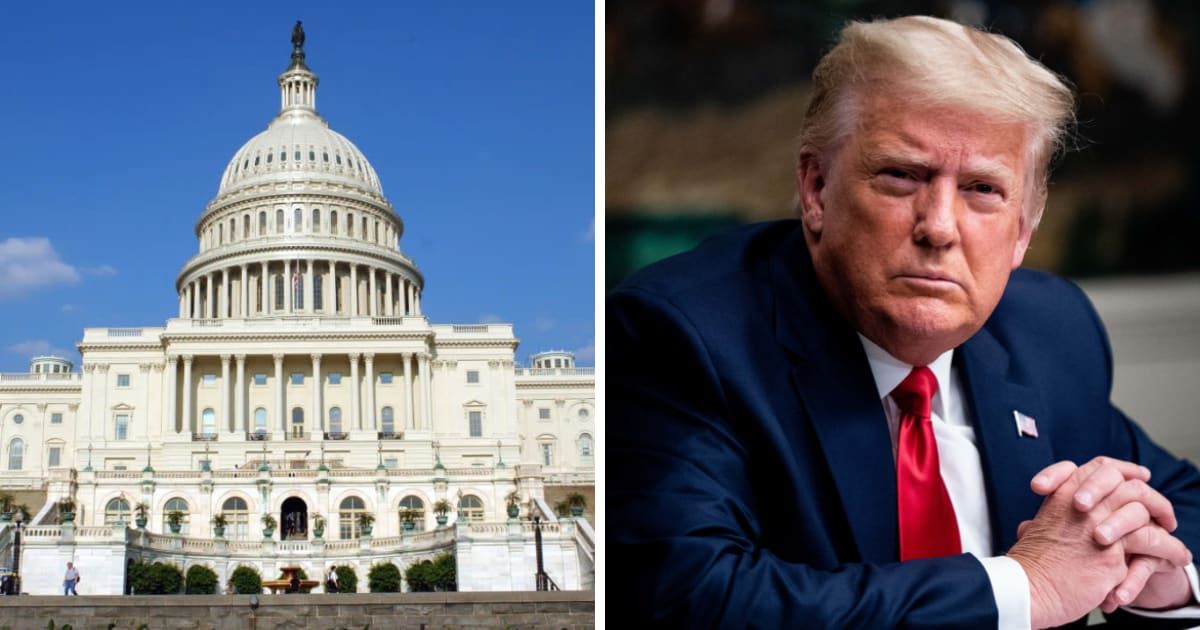
WASHINGTON, DC: The Republican-controlled Senate on Tuesday, June 23, approved a war powers resolution directing President Donald Trump to halt military hostilities against Iran unless Congress authorizes further action, marking the first time such a measure has passed both chambers of Congress.
The resolution passed 50-48 after four Republicans joined Democrats in support. The vote came on the Senate's tenth attempt to advance a war powers measure related to the conflict in Iran and follows the House's passage of the same resolution earlier this month.
Four Republicans joined Democrats in historic Senate vote
The measure passed with support from Republican Senators Rand Paul of Kentucky, Susan Collins of Maine, Lisa Murkowski of Alaska, and Bill Cassidy of Louisiana. Democratic Senator John Fetterman of Pennsylvania was the lone member of his party to oppose the resolution.

The resolution directs the president to "remove United States Armed Forces from hostilities against the Islamic Republic of Iran" unless Congress declares war or approves military action through a formal authorization.
Democrats Back War Powers Resolution Limiting Trump’s Iran Options
— Washington Eye (@washington_EY) June 23, 2026
Supporters say the measure would strengthen congressional oversight and restrict a president’s ability to expand military action against Iran without authorization. #WashigtonEye pic.twitter.com/KtKxkIyjZR
The Senate had voted on similar war powers resolutions nine previous times since the conflict began in late February, but none had secured enough support to pass. The House approved the measure in June by a 215-208 vote, with four Republicans joining Democrats.
🚨 BREAKING: The US House has just PASSED an anti-Trump Iran War Powers Resolution to rein in military action, 215-208
— Eric Daugherty (@EricLDaugh) June 3, 2026
Cheers ERUPT to aid the Iranian regime on the House floor
UTTER BETRAYAL!
Republican YEAs: Massie, Fitzpatrick, Barrett, Davidson
Good thing this WON'T… pic.twitter.com/mgAENYQRdP
Senate Majority Leader Chuck Schumer hailed the outcome as a significant congressional assertion of authority. “Today, Congress stood up to Donald Trump and voted to end his costly, unnecessary, and devastating war with Iran,” Schumer wrote on X.
Today, Congress stood up to Donald Trump and voted to end his costly, unnecessary, and devastating war with Iran.
— Chuck Schumer (@SenSchumer) June 23, 2026
Let me be clear: for the first time, this resolution has passed both chambers of Congress and does not require the President’s signature. The message from the only… https://t.co/b8tF2MxpQM
“Let me be clear, for the first time, this resolution has passed both chambers of Congress and does not require the President’s signature. The message from the only branch of government with the power to declare war is unmistakable: the Trump administration must withdraw US forces from hostilities in Iran.”
White House dismisses measure as symbolic amid ceasefire efforts
The White House downplayed the significance of the vote, arguing that the resolution has no legal effect and that there are currently no active hostilities requiring troop withdrawals.
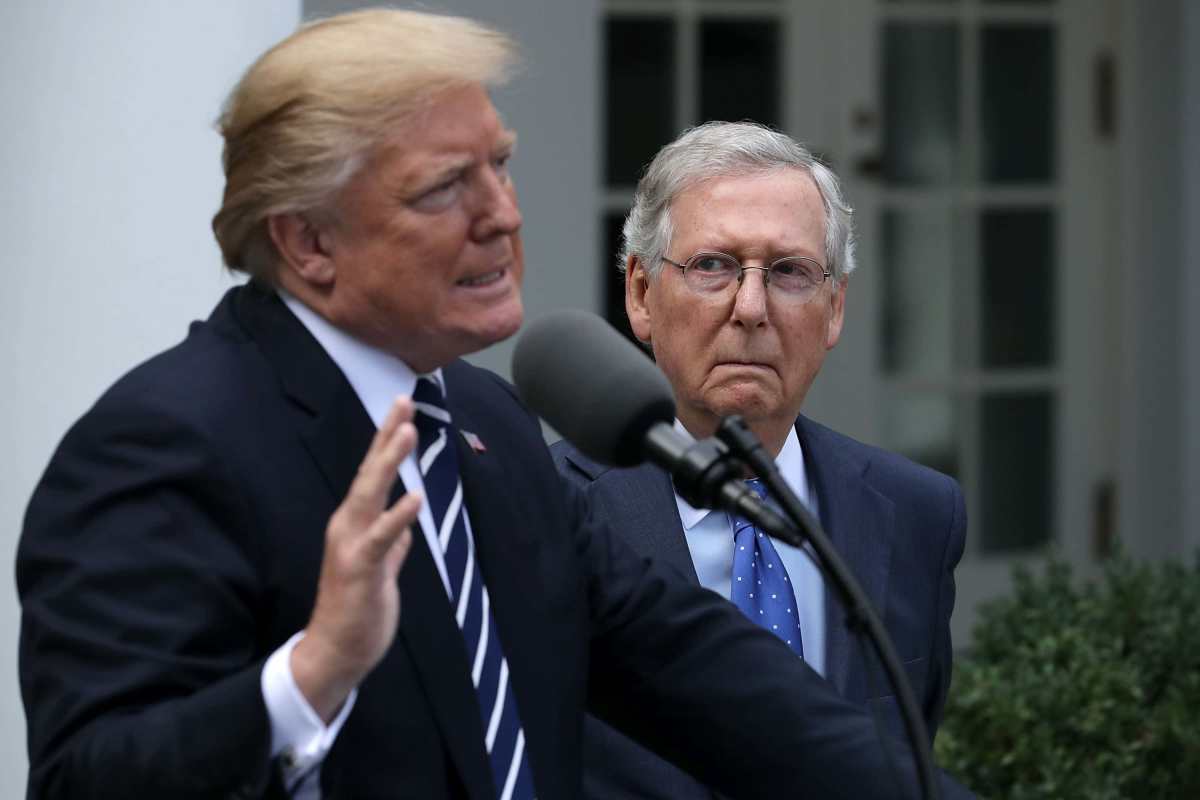
A White House official said the measure had “no significance” because it would neither reach the president's desk nor become law. The official also noted that the outcome was influenced by the absence of two Republican senators, Mitch McConnell and Dave McCormick, who had previously opposed similar efforts.
Administration officials have maintained that a ceasefire agreed to on April 7 ended active hostilities between the United States and Iran. They have also argued that the ceasefire effectively reset the timeline governing military engagement under federal war powers laws.
The vote occurred as Washington and Tehran continue implementing a memorandum of understanding signed last week aimed at ending the conflict and establishing a framework for negotiations over Iran's nuclear program.

Although the resolution is non-binding, Tuesday's vote was the first successful passage of a concurrent war powers resolution through both chambers of Congress since the framework was established more than five decades ago.