America's food banks are out of turkeys and running on empty, here's what millions can still do
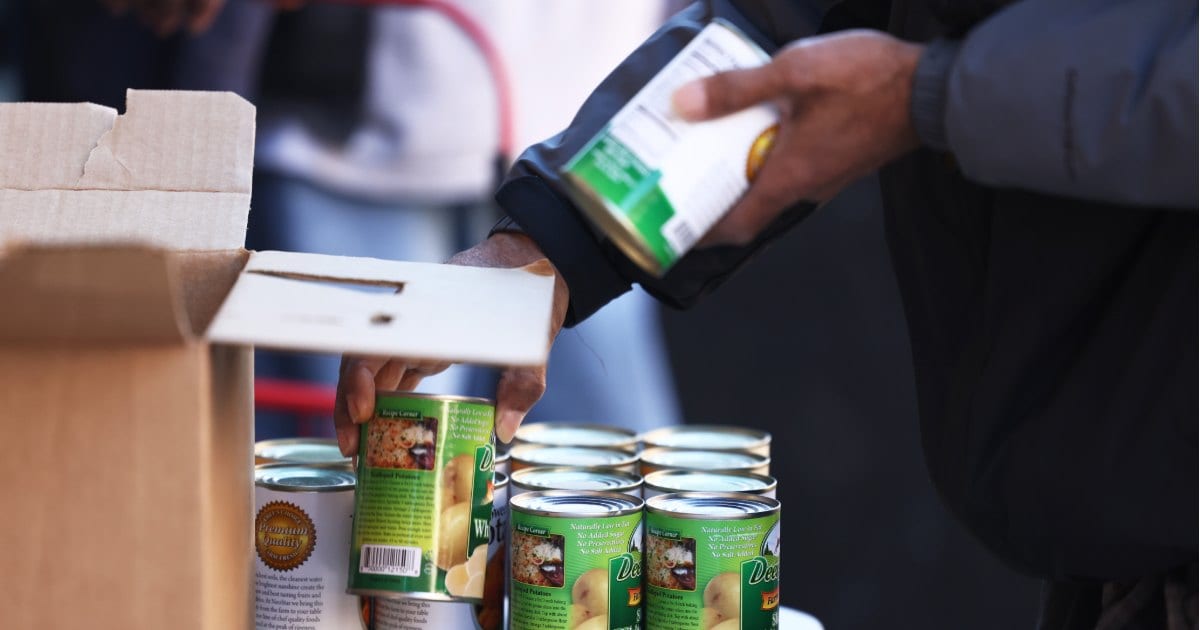
WASHINGTON, DC: This Thanksgiving, food banks across America are seeing a surge of people seeking help, even as their own shelves struggle to keep pace with the growing demand.
Lines are stretching longer, supplies are running low and organizations are finding it increasingly difficult to provide enough food for struggling households.
What is unfolding across the country is more than a seasonal spike in demand.
It reflects a deepening hunger crisis driven by policy changes, shrinking federal assistance and rising living costs, leaving millions of Americans struggling to put a proper Thanksgiving meal on the table.

Thanksgiving crisis across the US
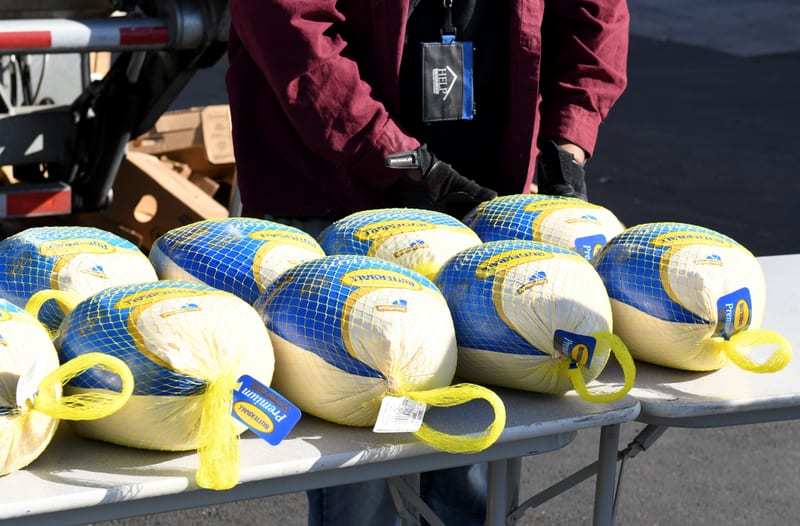
Two years ago, the idea of one of America's largest food banks going through Thanksgiving without purchasing a single turkey would have seemed unthinkable.
Yet that is exactly what happened at the Houston Food Bank in 2026.
For the first time, the organization decided it could no longer afford to buy turkeys for the holiday.

Wholesale poultry prices have climbed nearly 30%, driven by repeated avian flu outbreaks, shrinking commercial flocks, labor shortages and rising transportation costs.
The US turkey population has also fallen to its lowest level in four decades, while another spike in bird flu cases has further strained supplies ahead of the holiday.
Instead, Houston Food Bank has had to depend on community donations to provide turkeys, even as requests for assistance have increased by 20% from last year.
And the strain is not confined to Houston.
In the Texas Panhandle, High Plains Food Bank staff describe the current situation as the worst in the organization's 40-year history.
It now serves a record 14,000 households every month, and the limited supply of turkeys it managed to collect was gone within days.
The pressure was equally visible in Arlington, where Tarrant Area Food Bank organized a drive-through distribution outside AT&T Stadium.
Expecting 4,000 vehicles, organizers stocked additional supplies to accommodate 5,000. Yet more than 5,400 cars turned up.
How federal cuts drained food bank shelves
The growing strain on America's food banks can be traced to a combination of federal policy changes that have reduced assistance for struggling households while simultaneously limiting the supplies available to hunger-relief organizations.
One of the biggest pressure points is SNAP, the federal food assistance program relied upon by approximately 42 million Americans.
Participation has dropped sharply across several states.
North Carolina has recorded a 20% decline in food stamp recipients over roughly nine months, while Texas saw nearly 773,000 fewer people enrolled in October 2026 than in September 2025.
At the national level, the Center on Budget and Policy Priorities found that SNAP participation declined by nearly 5.7 million people, or almost 14%, between July 2025 and August 2026.
Stricter work requirements, immigration-related concerns and administrative hurdles have contributed to the decline.
For many households losing access to federal benefits, food banks have increasingly become an alternative source of groceries.
Meanwhile, the organizations expected to fill that gap have also lost funding.
In March 2025, the US Department of Agriculture (USDA) announced the cancellation of approximately $1 billion in support for two food assistance initiatives: The Emergency Food Assistance Program and the Local Food Purchase Assistance Program.
Feeding America estimates that TEFAP accounts for more than 20% of the food distributed through its network of food banks and local hunger-relief programs.
Following the cuts, TEFAP food distributions declined by 24%, despite rising demand.
The financial strain is also forcing organizations to spend more of their own money to keep supplies moving.
Turkey and fuel push Thanksgiving dinner costs higher
For families already struggling to manage household expenses, the cost of putting together a Thanksgiving meal has added another financial burden.
The American Farm Bureau Federation estimates that feeding 10 people will cost an average of $58.63 this year, compared with $55.18 in 2025.
The increase of more than 6% marks the first annual rise since 2022, when the average bill peaked at $64.05 amid post-pandemic inflation.
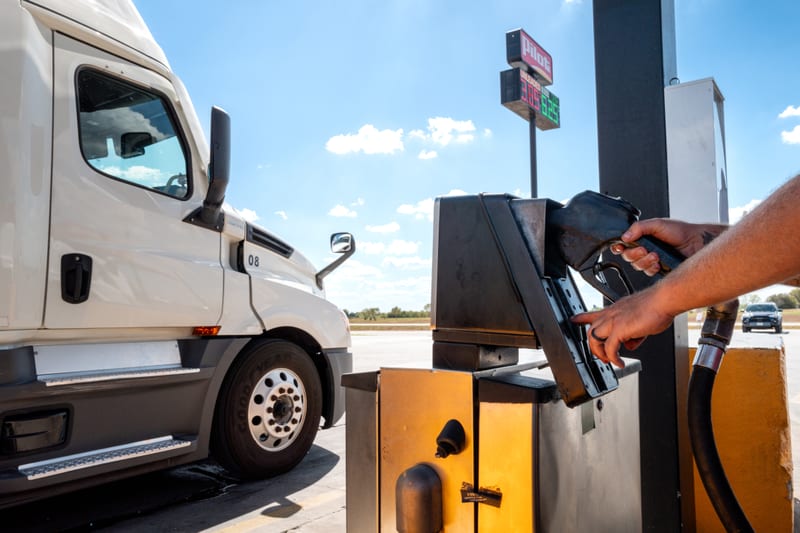
Turkey remains a major contributor to the higher grocery bill, and rising fuel costs have also pushed up expenses across the food supply chain, from packaging to transportation.
For lower-income households, even a relatively modest increase can make a traditional holiday spread difficult to afford.
The pressure is particularly concerning for families with school-age children.
School closures during Thanksgiving week mean children who depend on free or reduced-price breakfasts and lunches lose access to meals they might otherwise receive regularly.
Parents must find alternatives during the break, often turning to food pantries that are already struggling to meet demand.
With everyday expenses continuing to climb and access to other assistance programs, including Medicaid, also changing, more households are turning to charitable organizations for support.
This leaves food banks facing the challenge of serving more people while families have fewer affordable options.
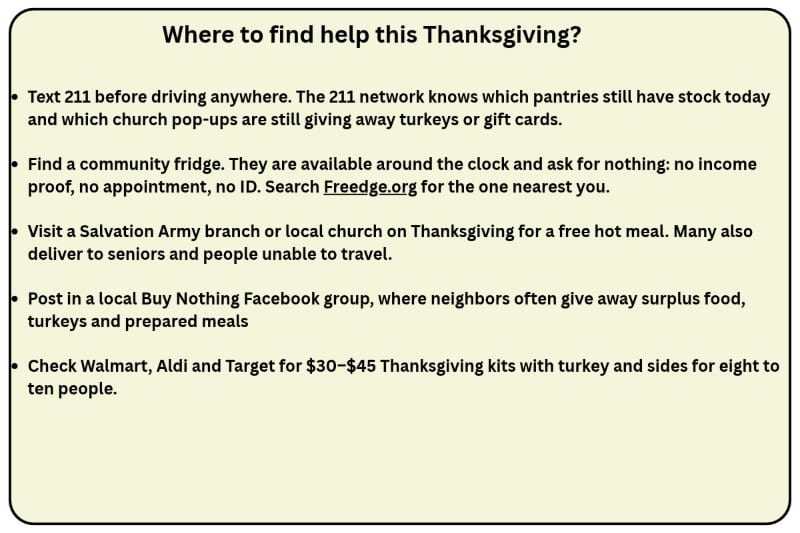
Where to turn when your food bank runs out
When a food bank runs dry, the panic sets in fast, but the options do not disappear with the last box.
Across the country, a quieter network of resources exists beyond the big distribution centers.
The key is knowing where to look before hunger becomes an emergency.
Whether you have SNAP benefits left, a small amount of cash, or nothing at all, there is a path forward, and it starts with the guide below.
It is a hard Thanksgiving for millions of Americans this year. But even in the middle of all of it, people are showing up for each other in ways big and small.