Bessent warns Iran 'all options on the table' as Hormuz deadline looms
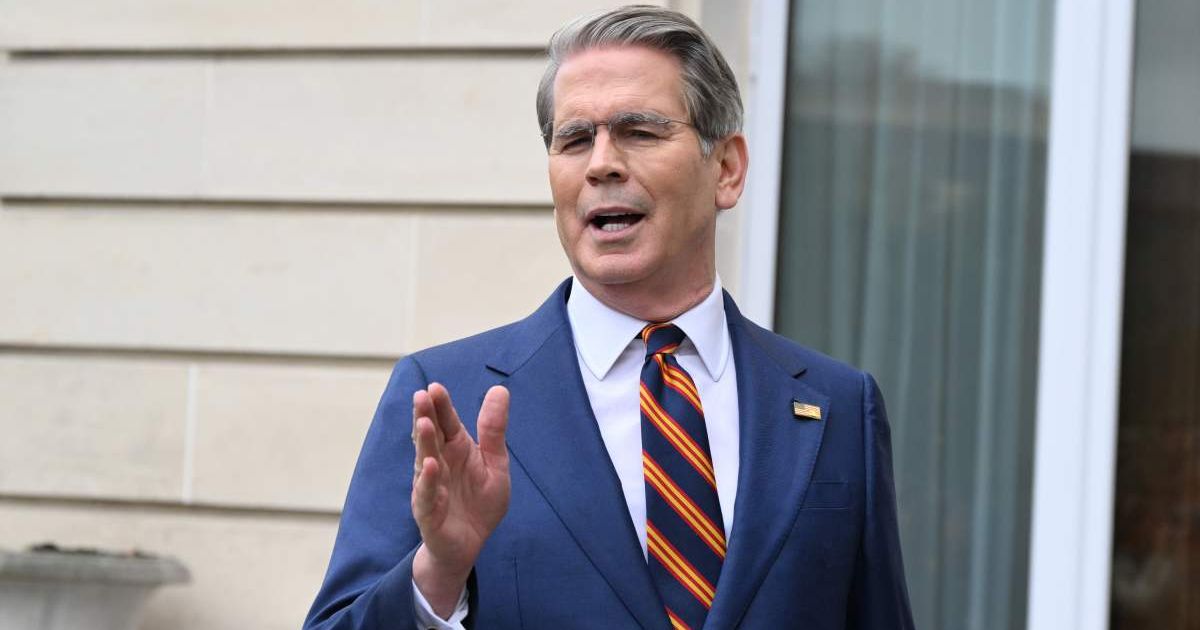
'Could US troops go into KHARG ISLAND to secure it?'
— RT (@RT_com) March 22, 2026
Bessent: 'ALL options are on the table'
'So that’s a possibility?'
Bessent: 'ALL options are on the table' https://t.co/nuhWtj2pai pic.twitter.com/FtGMo6brwd
WASHINGTON, DC: Treasury Secretary Scott Bessent said on Sunday, March 22, the United States is keeping “all options on the table” as tensions in the Middle East escalate.
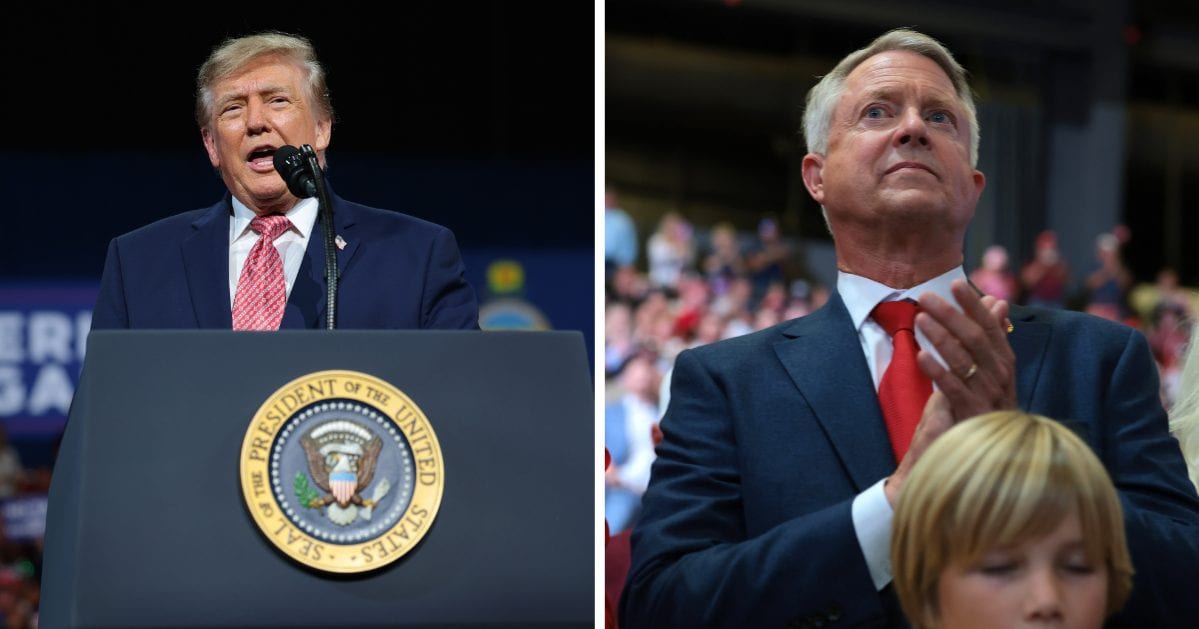
His remarks followed warnings from President Donald Trump that Iran could face strikes on key infrastructure if the Strait of Hormuz is not reopened within 48 hours.
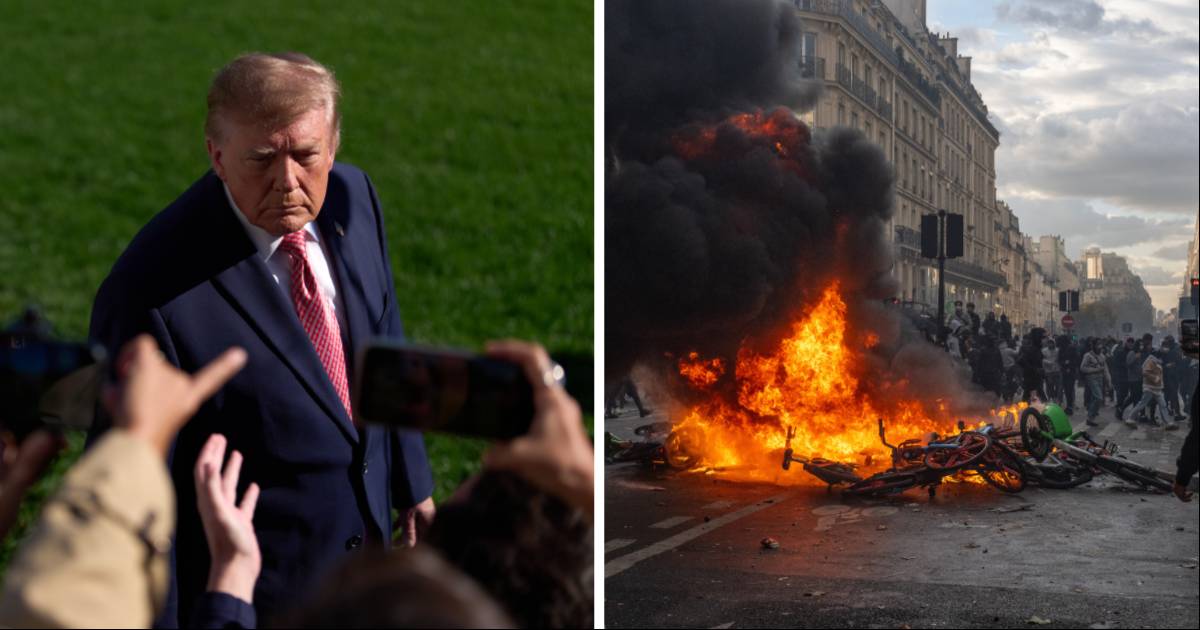
The comments come amid rising oil prices and ongoing military exchanges involving the US, Israel, and Iran. Officials on both sides have indicated the potential for further escalation.

US signals escalation as Trump sets Strait of Hormuz deadline
Bessent said the US administration is prepared to take further action if its objectives in the region are not met, emphasizing that no course of action has been ruled out.
“(Trump is) leaving all options on the table. We had a very successful bombing campaign against the military installations at Kharg Island, the nexus for all the Iranian oil supply,” he said in an interview on NBC’s 'Meet the Press'.
His comments came shortly after Trump warned that failure to reopen the Strait of Hormuz would lead to US strikes that “will hit and obliterate their various POWER PLANTS, STARTING WITH THE BIGGEST ONE FIRST!”
The strategic waterway remains a critical route for global oil shipments, and its disruption has contributed to price increases worldwide.
Bessent defended the administration’s approach, stating that “sometimes you have to escalate to de-escalate,” and added that Trump’s rhetoric reflected “the only language the Iranians understand.”
He also addressed the economic impact of the conflict, saying Americans might accept “50 days of temporarily elevated prices” if it resulted in “50 years of peace in the Middle East,” while clarifying that the timeframe was illustrative.
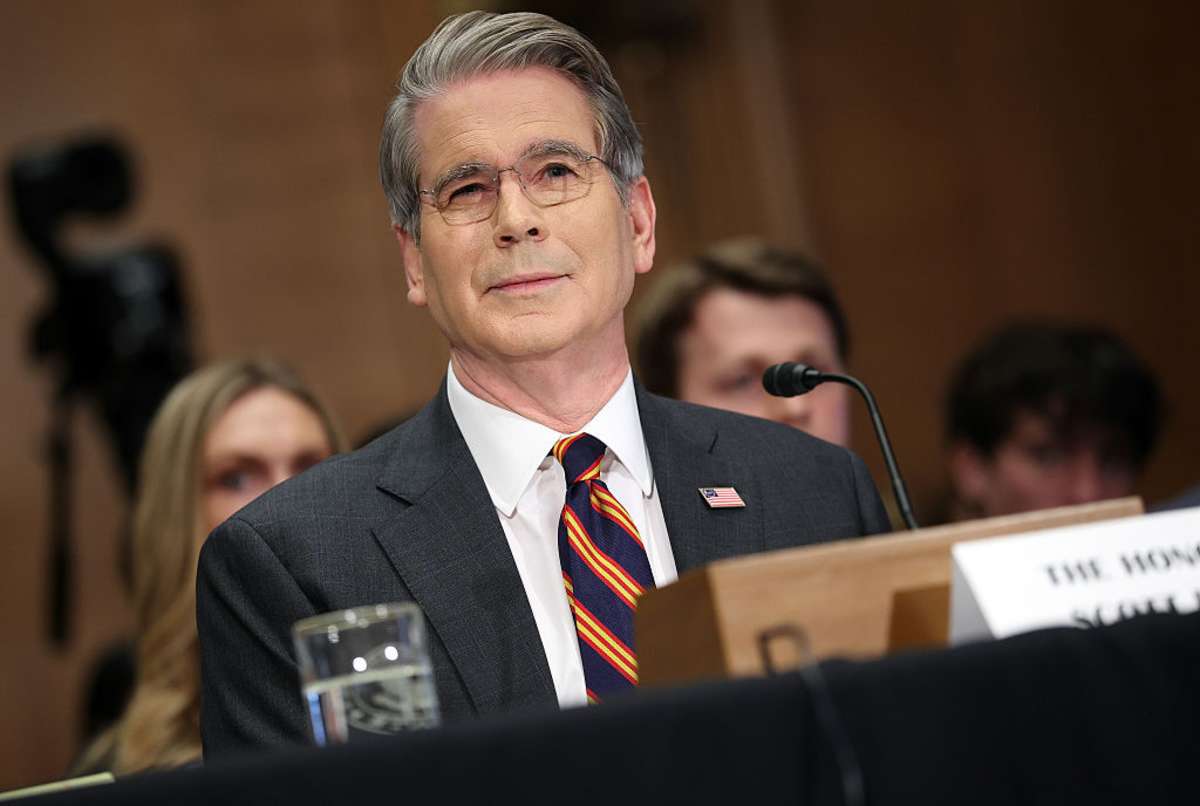
Oil markets have reacted sharply to the conflict. Brent crude settled above $112 a barrel, while US crude rose to $98.32 per barrel. Analysts, including those at Goldman Sachs, have suggested that elevated prices could persist in the coming years.
Bessent also discussed US actions related to Iranian oil, including easing certain sanctions to allow the sale of oil currently stranded at sea.
Bessent on waiving oil sanctions against Iran: "We are jiu-jitsuing the Iranians. We are using their own oil against them." pic.twitter.com/orc2XuZWnw
— Aaron Rupar (@atrupar) March 22, 2026
He said the move could bring approximately 140 million barrels into global markets and help stabilize supply, describing the strategy as “jiu-jitsuing” Iran by “using their own oil against them.”
Iran warns of retaliation as US considers expanded military presence
Iranian officials have warned of reciprocal action if the US strikes target the country’s energy infrastructure.
According to statements reported by Iranian state media, a military spokesperson said, “If Iran’s fuel and energy infrastructure is attacked, then fuel, energy, information technology systems and desalination infrastructure used by America and the regime in the region will be struck.”
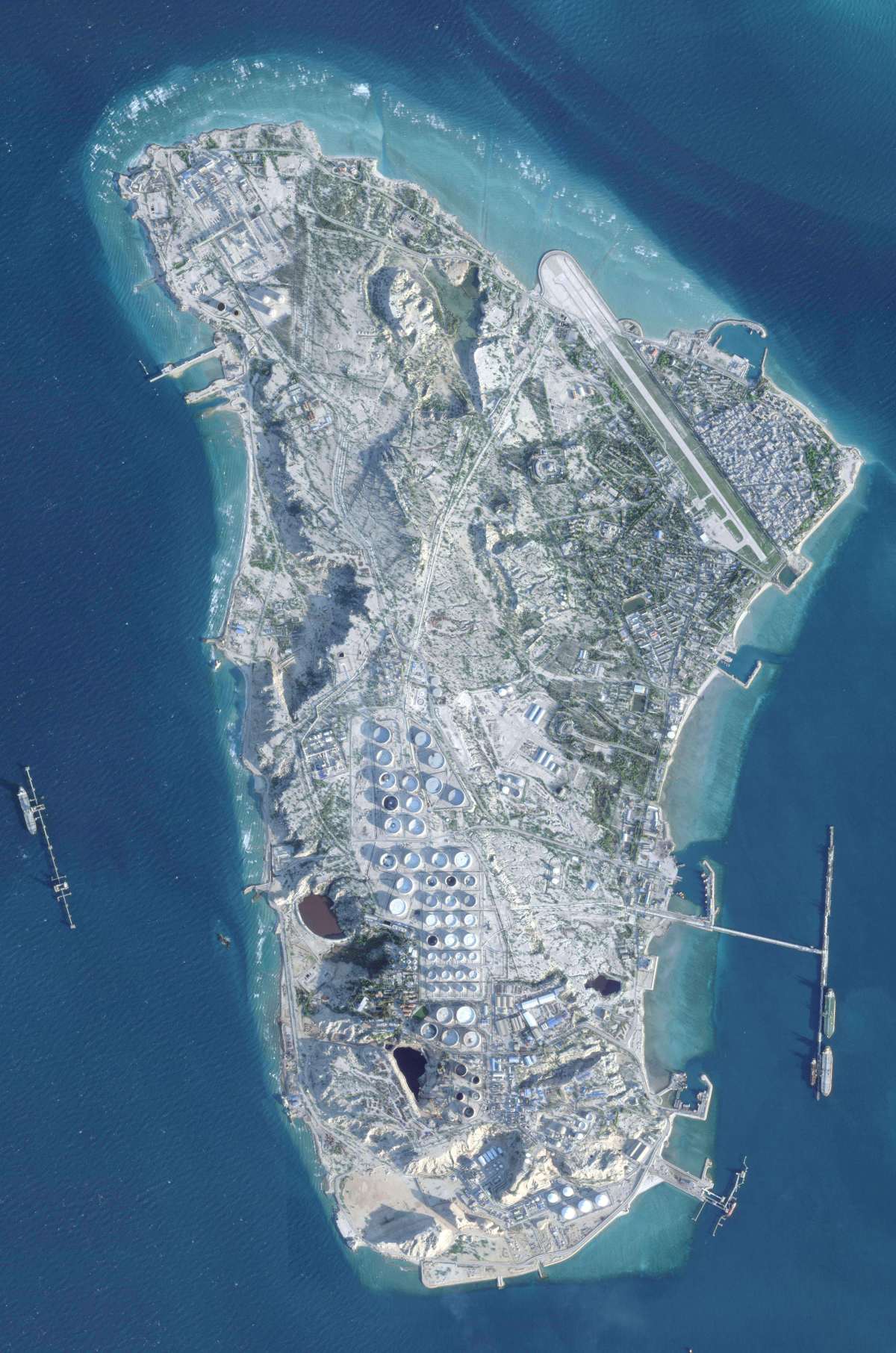
The warnings come as the US considers expanding its military posture in the region. Officials have discussed the possibility of deploying troops to secure Kharg Island, a key hub for Iran’s oil production located off the country’s coast.
Bessent said that “all options are on the table,” including the potential for US forces to be involved, though no final decision has been announced.