Congress pushes $174B 'minibus' funding deal to avert another government shutdown
WASHINGTON, DC: Congressional leaders are scrambling to lock in a $174 billion spending package as the clock ticks toward the January 30 deadline, hoping to avert another partial government shutdown after November’s bruising 43-day standoff that froze large parts of Washington.
Released on Monday, January 5, the so-called “minibus” marks a rare bipartisan breakthrough by bundling three of the 12 annual appropriations bills: Commerce, Justice, Science; Energy and Water Development; and Interior and Environment.
House leadership is fast-tracking the measure, with the Rules Committee set to take it up Tuesday night and a floor vote eyed as early as Thursday.
Bipartisan appropriators unite behind FY26 deal

Top appropriators from both parties are publicly embracing the deal, a notable shift after weeks of brinkmanship. House Appropriations Chairman Tom Cole (R-OK) cast the package as a step toward restoring order after months of chaos.
“This bill reflects steady progress toward completing FY26 funding responsibly,” Cole said, arguing that it invests in public safety, energy security, and resource management.
Ranking Democrat Rosa DeLauro (D-CT) was equally emphatic, framing the agreement as a rebuke of White House budget hard-lining.
She called the deal “a forceful rejection of draconian cuts to public services proposed by the Trump Administration” and stressed that it is free of the “Republican poison pill” policy riders that have derailed past negotiations.
Freedom Caucus chair sees 'first step' toward debt control
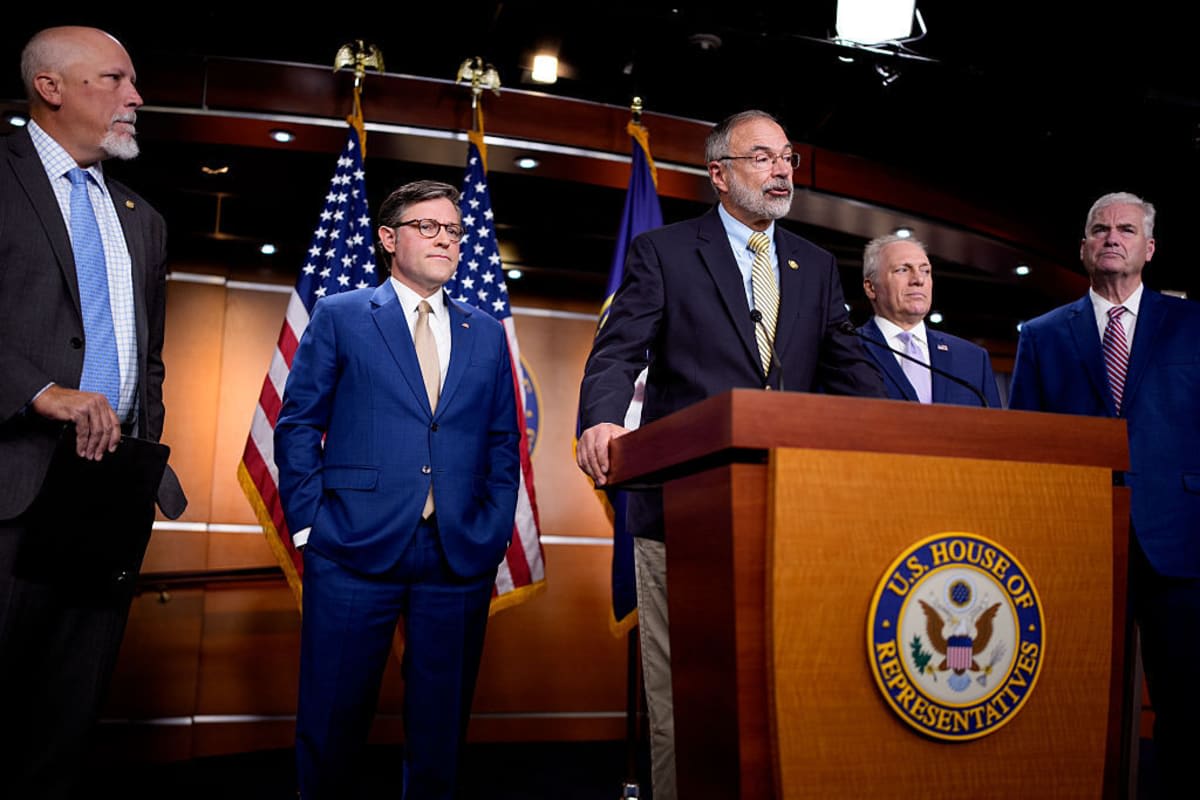
Speaker Mike Johnson (R-LA) is selling the "minibus" to skeptical conservatives as a leaner alternative to a massive year-long omnibus. His pitch: It spends less than another stopgap continuing resolution and keeps discretionary spending on a downward track.
House Freedom Caucus Chairman Andy Harris (R-MD) signaled cautious openness. “We are still going through this "minibus" - but it appears to be in line with keeping this year’s discretionary spending below last year’s level,” Harris told Fox News Digital, calling it a “good first step” toward reining in the debt.
Still, the path is far from clear. Fiscal hawks Reps Chip Roy (R-TX) and Ralph Norman (R-SC), both members of the Rules Committee, could yet throw sand in the gears. Their stance Tuesday night will be the first real stress test of the bill’s survival.
$174 billion package breakdown

The $174 billion package spreads funding across three major areas. Roughly $78 billion flows to Commerce and Justice, bankrolling agencies such as the FBI, US Marshals Service, and NASA.
Energy and Water come next at more than $58 billion, with a heavy emphasis on nuclear security.
About $25 billion is set aside for the National Nuclear Security Administration to modernize the nation’s nuclear weapons stockpile. Interior and Environment rounds out the package with more than $38 billion for land management and the EPA.
The bill also includes just over $3 billion in Community Project Funding, reviving earmarks that allow lawmakers to steer money directly to projects back home - a feature that continues to divide rank-and-file members.
Taking the keys from Trump
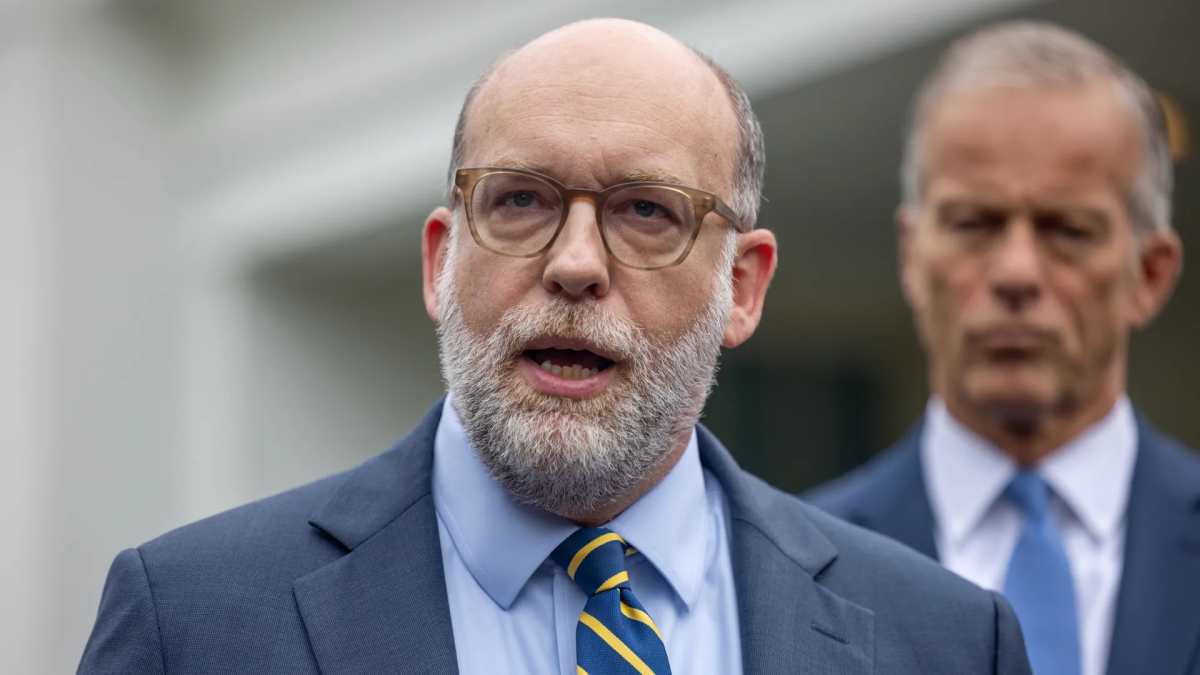
Across the Capitol, Senate Democrats are eager to move the bill as a statement of institutional muscle. Senate Appropriations Chair Patty Murray (D-WA) argued that the process is about reclaiming Congress’s constitutional power of the purse.
“Passing these bills will help ensure that Congress, not President Trump and Russ Vought, decides how taxpayer dollars are spent,” Murray said, singling out the White House budget chief.
If enacted, the "minibus" would carry Congress halfway to the finish line, completing six of the 12 annual spending bills.