Could a voter be flagged as a noncitizen before 2026 midterms? What SCOTUS' SAVE ruling means
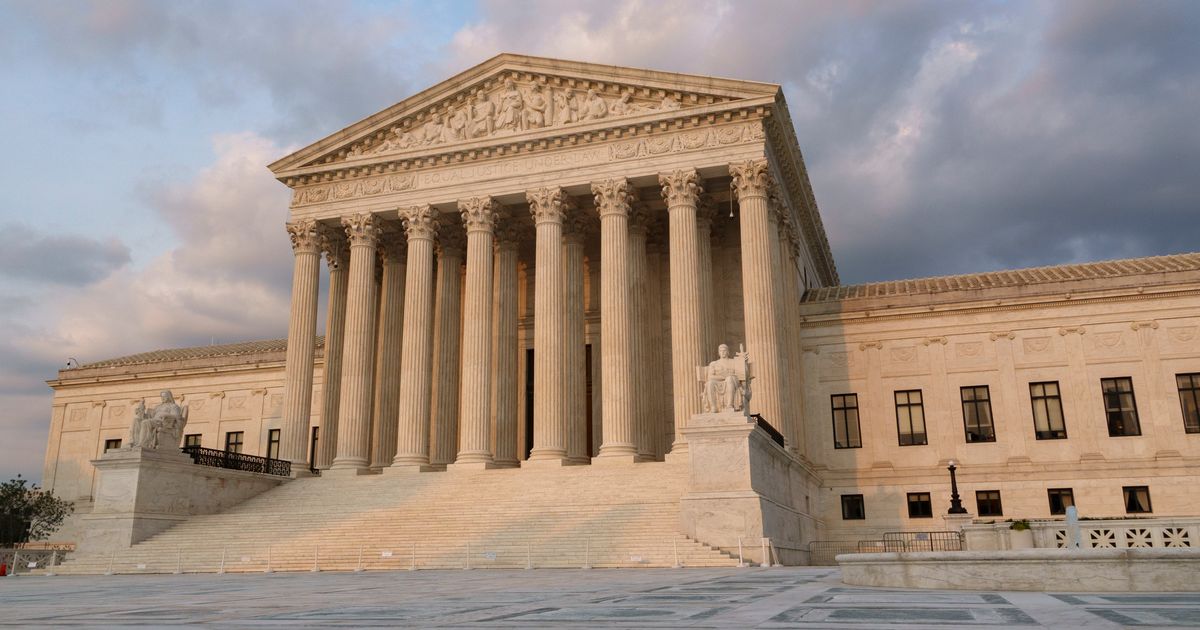
WASHINGTON, DC: With the 2026 midterms approaching, the Supreme Court has cleared the way for states to use the Trump administration’s revamped Systematic Alien Verification for Entitlements (SAVE) system to check voter citizenship records.
The Friday, September 25, ruling allows officials to resume using the federal database, but questions remain about how its results could affect eligible voters.
The decision does not require every American to provide proof of citizenship before voting. However, it raises concerns that naturalized citizens and other eligible voters could face registration problems if their records are incorrectly flagged.

What the Supreme Court ruled on September 25, 2026
The Supreme Court’s unsigned decision reversed a lower court ruling that had blocked the Trump administration from expanding the use of the SAVE system for voter-roll reviews.
The majority said the federal government has an obligation to respond when state and local election officials request help verifying voters’ citizenship.
It also emphasized that the system could be used for “individualized” checks as the midterms approach.
However, the court pointed to federal law restricting systematic voter removals within 90 days of an election.
The Trump administration has argued that this restriction does not apply to removals involving noncitizens who were improperly registered.
The justices did not resolve that question in their September 25 decision. Instead, they noted that the issue would be considered in a separate case.
Three liberal justices — Ketanji Brown Jackson, Sonia Sotomayor, and Elena Kagan — dissented.

Jackson wrote that the harm of burdening or disenfranchising even a few lawful voters outweighed the government’s claimed harm from being prevented from using the system.
DHS lawyer James Percival defended the decision on social media, saying, “Yes, you read that right. We had to file an emergency petition in the Supreme Court just so we could use government data to help states stop noncitizens from illegally voting.”
The ruling allows states to use SAVE again, but it does not settle how far officials can go in acting on the information, particularly close to Election Day.
What the SAVE system actually is
SAVE is a federal system that has existed for decades. It was originally used to verify the citizenship and immigration status of people applying for government benefits.
Some election officials had also used it to check voters’ citizenship on a case-by-case basis.
The Trump administration significantly expanded the system beginning last year.
It connected SAVE to additional government data, including Social Security Administration records, and encouraged states to upload voter-registration lists in bulk.
The administration also waived the fee for these checks.
Tens of millions of records were processed before a federal judge blocked the expanded use of the system earlier this year.
SAVE is separate from the SAVE America Act, a proposed law backed by President Donald Trump.
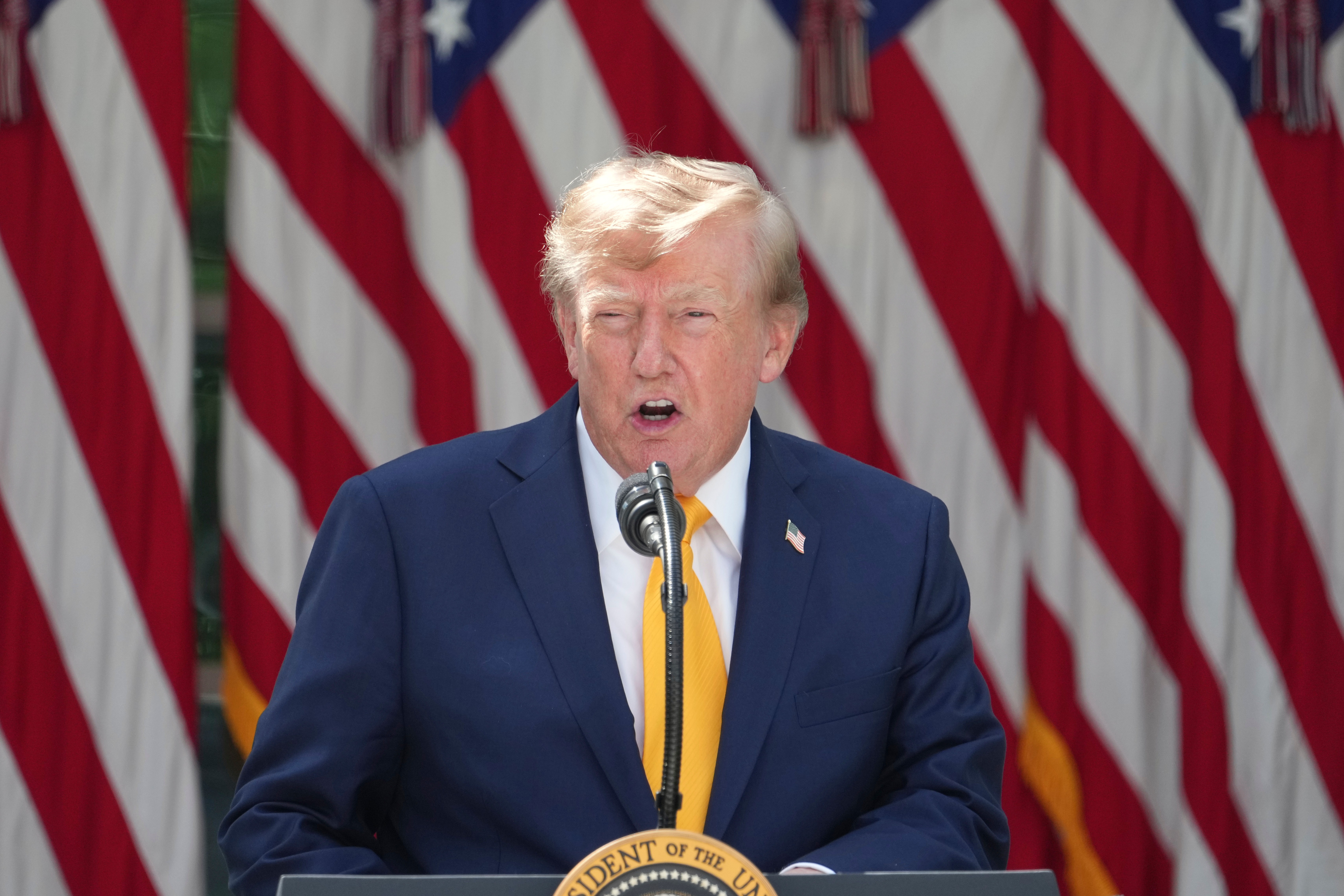
That legislation would have required voter ID and documentary proof of citizenship when registering to vote, including documents such as a US passport or birth certificate.
It also sought to encourage states to use SAVE and other databases to review voter rolls.
The legislation did not become law, and the SCOTUS’ latest ruling concerns the existing federal database, not the proposed nationwide registration requirements.
Noncitizen voting in federal elections is already illegal. Experts cited in the material provided for this story say it is exceedingly rare.
The current dispute centers on how officials identify potential noncitizens and whether the data can lead to eligible voters being wrongly questioned or removed.
Why the SAVE ruling could be a concern for naturalized US citizens
The main concern for eligible voters is that a database check could incorrectly flag their citizenship status, potentially putting their voter registration at risk.
Texas offers a recent example. After officials ran all 18 million names on the state’s voter rolls through SAVE last year, the system initially flagged 2,724 potential noncitizens.
Counties were asked to give those voters 30 days to prove their citizenship or face removal.
However, further reviews revealed problems with the initial results, including records involving naturalized citizens.
One Texas resident born in Argentina, who had become a naturalized US citizen, was flagged but remained registered after submitting a scan of her US passport.
Earlier this month, state officials also acknowledged that hundreds of people flagged during the review were eligible American voters and called on counties to reinstate registrations where necessary.
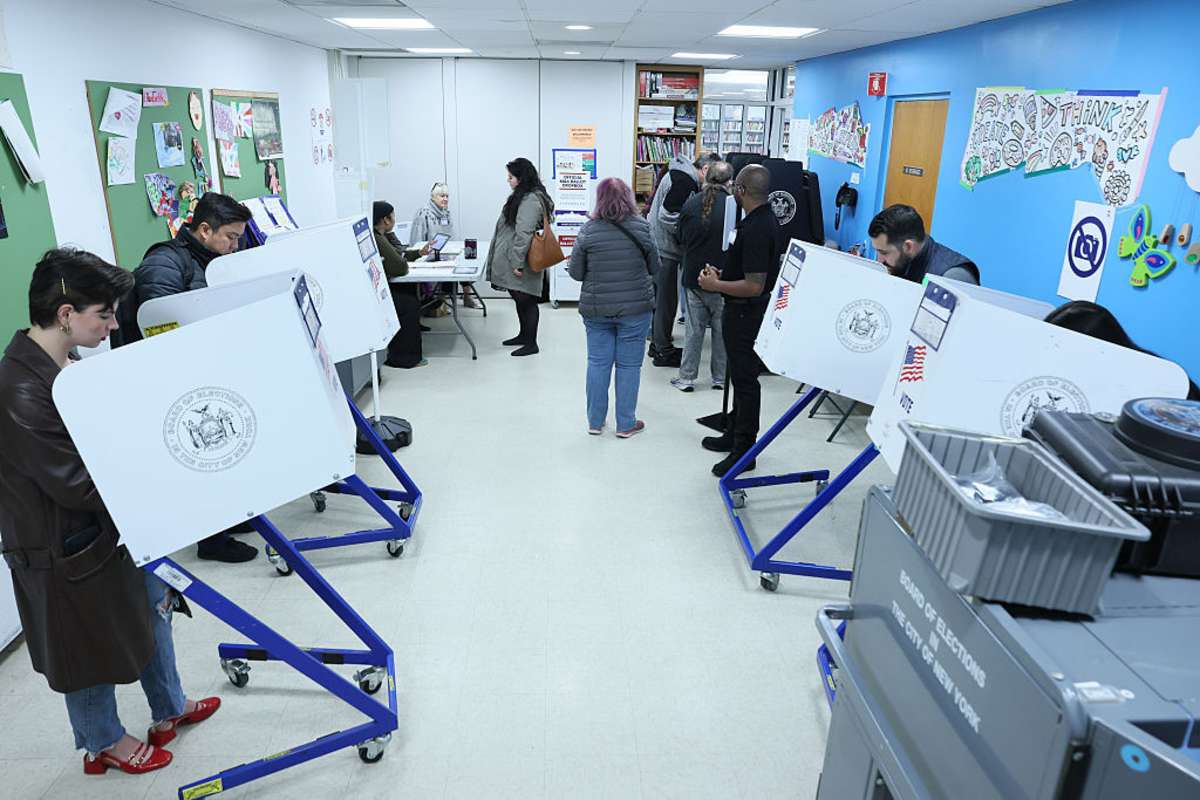
Utah reported similar discrepancies. SAVE initially identified nearly 9,000 potential noncitizens.
Subsequent checks confirmed the citizenship of nearly 5,700 people, while officials identified 27 confirmed noncitizens and another 25 likely noncitizens among the groups examined.
The cases highlight why a SAVE flag should not automatically be treated as proof that someone is ineligible to vote.
The administration has said states should conduct further investigations, while critics warn that errors or incomplete records could put eligible voters’ registrations at risk.
Naturalized citizens may be particularly concerned if their citizenship details do not appear in federal records as expected.
For voters, the key distinction is between being flagged for verification and actually being found ineligible.
What voters should do before Election Day?
Voters concerned about their registration status can check it with their local election office before the midterms.
Doing so gives them an opportunity to identify a problem and ask how to resolve it before Election Day.
Anyone who discovers that their registration has been flagged, changed, or removed should contact local election officials to find out why and what steps are available to correct the record.
Naturalized citizens whose status is questioned may need to provide documentation confirming their citizenship.

In the Texas case, a US passport helped one voter resolve the issue and remain registered.
Voters should also pay attention to any notice they receive and follow the deadlines provided by election officials. The process for correcting a registration problem may vary by state.
The Supreme Court’s ruling comes amid other election-related disputes ahead of the 2026 midterms, including fights over mail voting and congressional district maps.
The court recently rejected the Trump administration’s proposed federal restrictions on mail voting, while Missouri’s congressional map has been the subject of repeated legal challenges.