Democrats weaponize Epstein scandal in brutal midterm attack ads targeting Trump allies
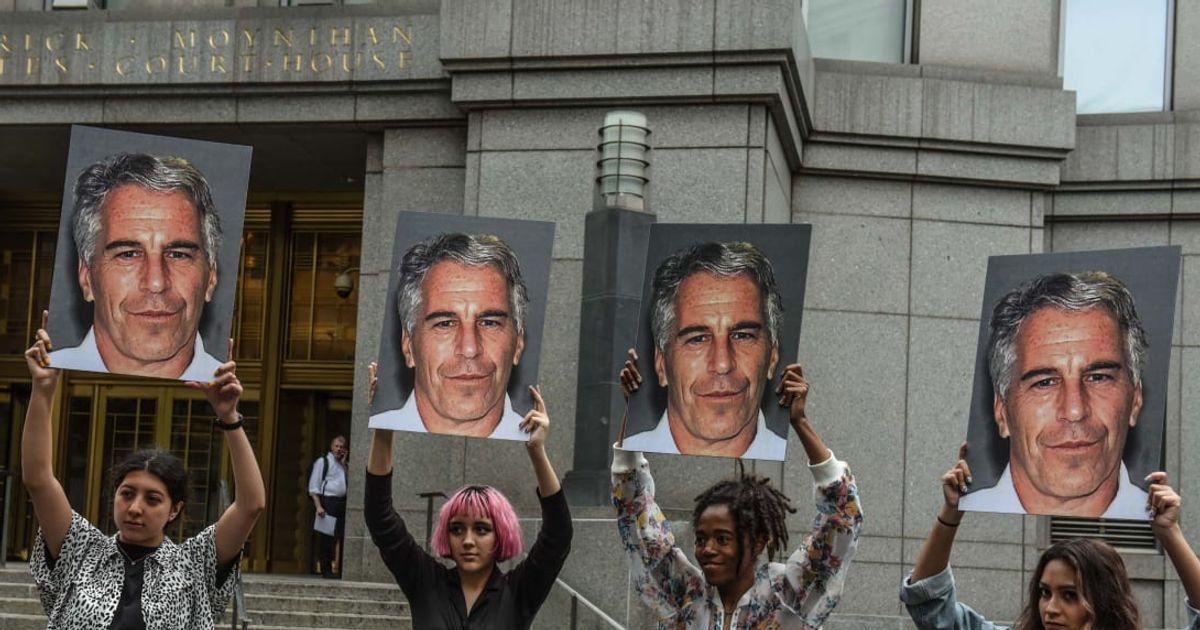
WASHINGTON, DC: Top Democratic candidates have officially launched a coordinated, multimillion-dollar midterm advertising strategy designed to link their Republican opponents directly to the Jeffrey Epstein scandal.
Moving past traditional campaign messaging, these high-stakes television spots exploit public frustration surrounding the Trump administration's perceived reluctance to release classified federal records, betting that anti-elite resentment remains highly potent among voters.
While central party platforms continue to focus heavily on high prices, healthcare access, and the ongoing war against Iran, this specialized offensive seeks to connect the GOP to the late convicted offender.
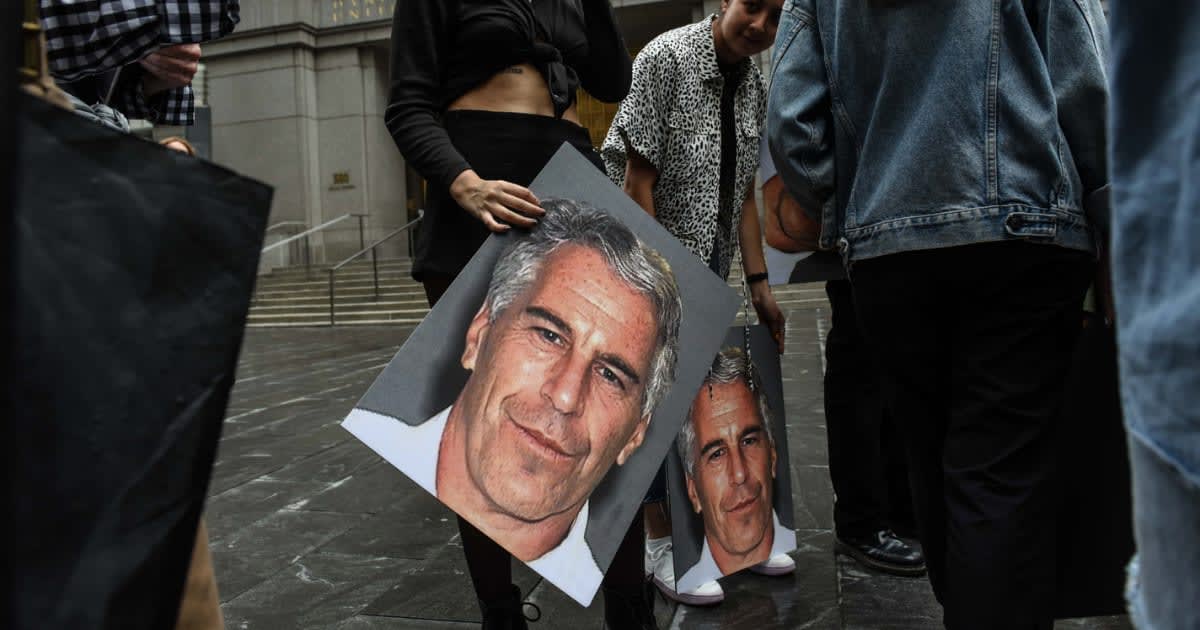
Strategists are utilizing the issue to build a broader populist narrative, accusing the Republican establishment of systematically protecting corrupt, powerful insiders at the expense of regular taxpayers.
Cash transfers trigger massive Senate ad buys
In the hotly contested Ohio Senate race, incumbent Democrat Sherrod Brown has already spent nearly $1.5 million on television ads targeting his freshman GOP rival, Senator Jon Husted.
According to data from the tracking firm AdImpact, the only two commercials Brown has aired this year slam Husted for previously accepting campaign donations from Epstein's primary financial client, Leslie Wexner.
Democrat Sherrod Brown out with a doozy of an ad tying his opponent, GOP Sen. Jon Husted, to Jeffrey Epstein (via @AdImpact_Pol): pic.twitter.com/etrZ24MqZp
— Andrew Solender (@AndrewSolender) May 8, 2026
Husted’s campaign spokesperson, Amy Natoce, pushed back against the blitz, saying that the campaign donated all available funds received from Wexner to an anti-human exploitation charity.
Husted's team also noted that Brown himself previously accepted donations from Wexner's wife, while highlighting that Wexner has publicly maintained that he was conned by Epstein.
#MEPol: Susan Collins' charade is over...We don't care that you are concerned while we go broke as you sell us out to the President and to the Epstein class."
— AdImpact Politics (@AdImpact_Pol) May 8, 2026
Graham Platner is up with a new #MESen ad.
ME Senate general election reservations:
🔴$67.6M
🔵$20.5M pic.twitter.com/4hcYKuCBLm
Meanwhile, in Maine, Democratic nominee Graham Platner launched a six-figure ad buy accusing Republican Senator Susan Collins of selling out voters to "the president and to the Epstein class" as archival footage of Trump and Epstein flashed across the screen.
Populist rhetoric targets Washington establishment class
The phrase "Epstein class" has quickly expanded into other vital battlegrounds, with Georgia Democratic Senator Jon Ossoff deploying the rhetoric in speeches to characterize the current administration.
Representative Ro Khanna (D-CA), who originally spearheaded bipartisan legislative efforts to unseal the files, stated that the ads vindicate his earlier transparency push.
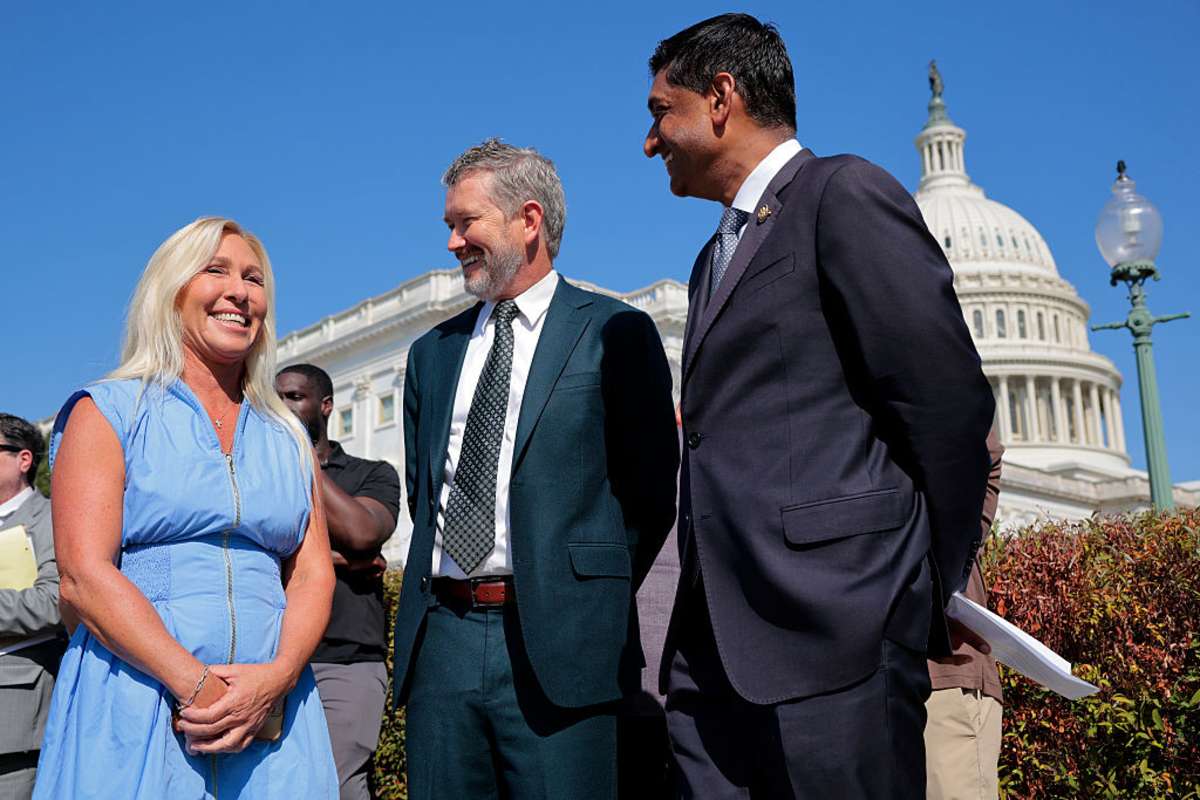
Khanna noted that mainstream insiders underestimated public interest, failing to realize that the scandal strikes at the core of voter anger toward a rigged system where the rich play by a separate set of rules.
Republican National Committee spokesperson Kiersten Pels countered by labeling the strategy as cynical political theater designed to distract from policy failures. Pels accused Democrats of deep hypocrisy, asserting that the same party attempting to weaponize the controversy had spent decades cashing Epstein-linked financial checks.
Intraparty warfare fractures local gubernatorial contests
The weaponization of the scandal has also triggered deep fractures within the Democratic party's own ranks.
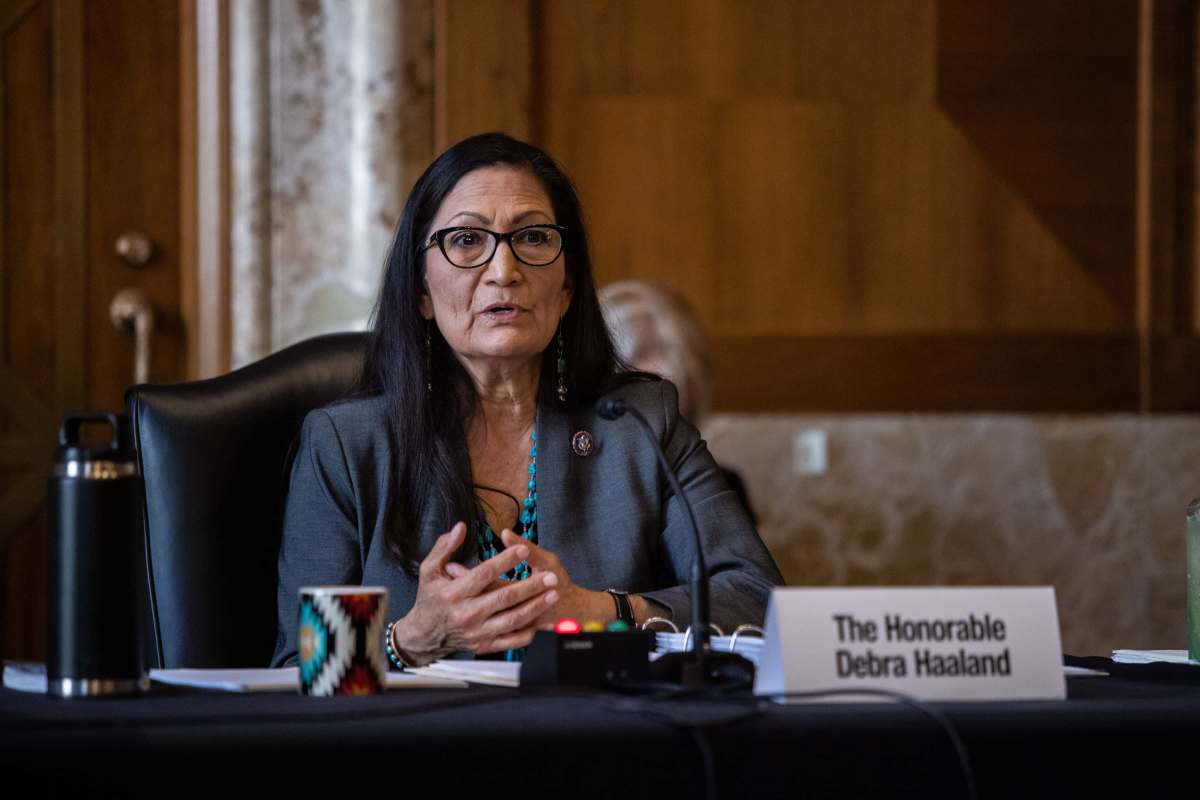
In New Mexico's gubernatorial race, a political action committee ran negative advertisements linking former Interior Secretary Deb Haaland to Epstein, while her primary opponent, Sam Bregman, declared in a spot that he was completely absent from the unsealed files.
Haaland countered with a six-figure media defense calling the claims absolute lies, which coincided with a local news report designating the outside group's ad as false and misleading.