Fact Check: Did Trump claim Iran has no anti-aircraft weapons?
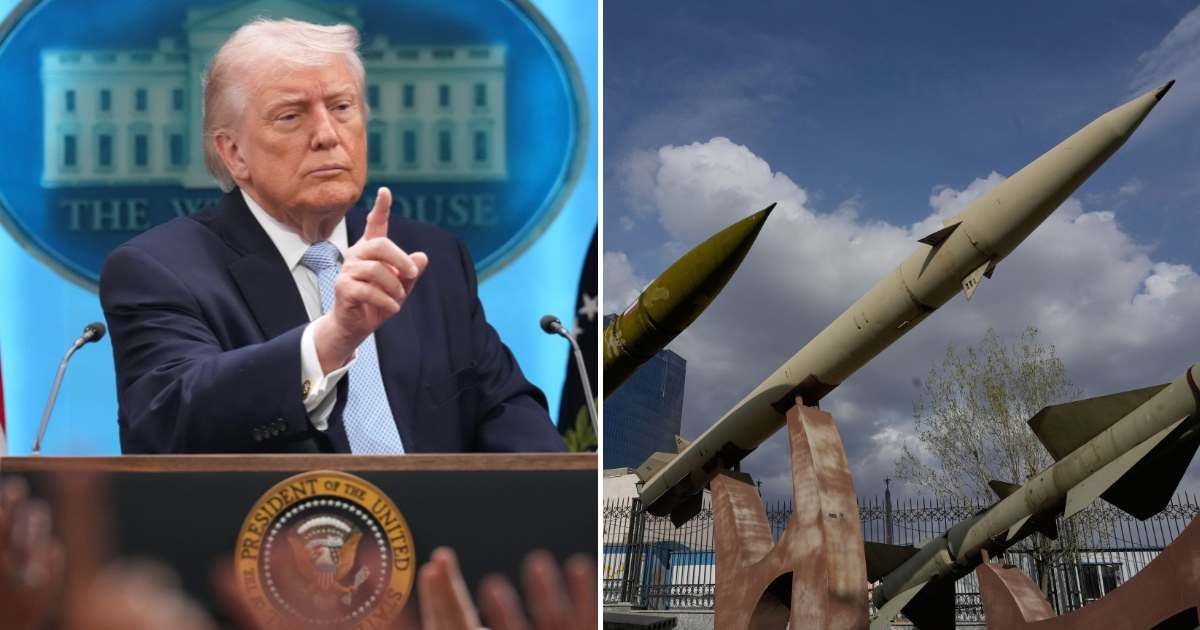
WASHINGTON, DC: During his press conference on Monday, President Donald Trump claimed that Iran has no ‘anti-aircraft’ weaponry days after dual air attacks. Trump's claim has sparked questions and speculations as the conflict in the Middle East continues to escalate. Let us analyze the statement by the POTUS and fact-check its authenticity.
Claim: Donald Trump says Iran has no anti-aircraft weaponry
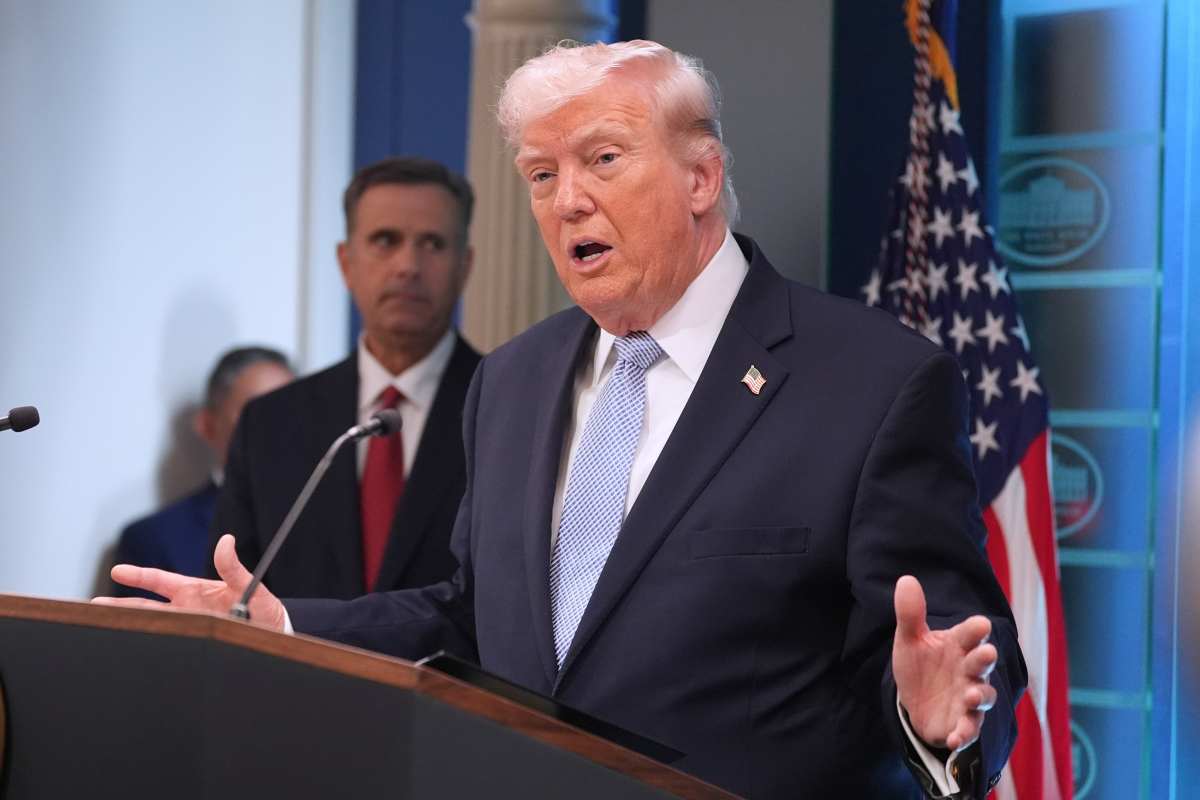
Trump said Iran is "at the weakest point they've ever been. They have no navy, they have no air force, they have no anti-aircraft weaponry, and they have no radar. They have no communication."
Trump’s claim was even echoed by Secretary of War Pete Hegseth many times before.
White House spokesperson Anna Kelly told PolitiFact in an email that "Iranian ballistic missile and drone attacks are down 90%, their navy is wiped out, two-thirds of their production facilities are damaged or destroyed, and the United States and Israel have overwhelming air dominance over Iran."
Fact Check: Unconfirmed, credible reports contradict these claims
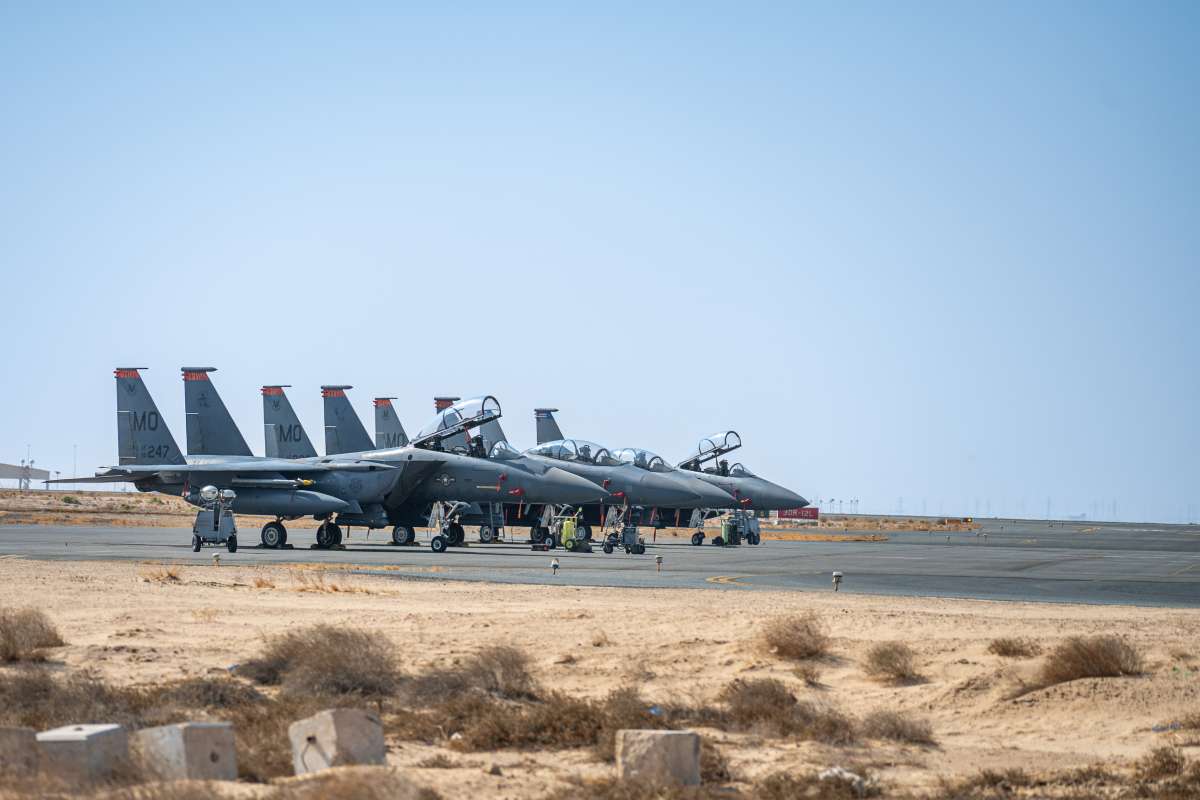
However, these claims appear at odds with the fact that Iran shot down two US military aircraft, an F-15E fighter jet and an A-10 attack plane, in separate incidents in Iran between April 2 and 3, whose pilots were later rescued.
According to a report by Time Magazine, Iran’s military said it used a new air defense system to target US aircraft.
Iran has moved parts of its weapons underground to protect its military strength. While some of these bunkers may appear damaged after attacks, Iran has still managed to dig out launchers and use them once more.
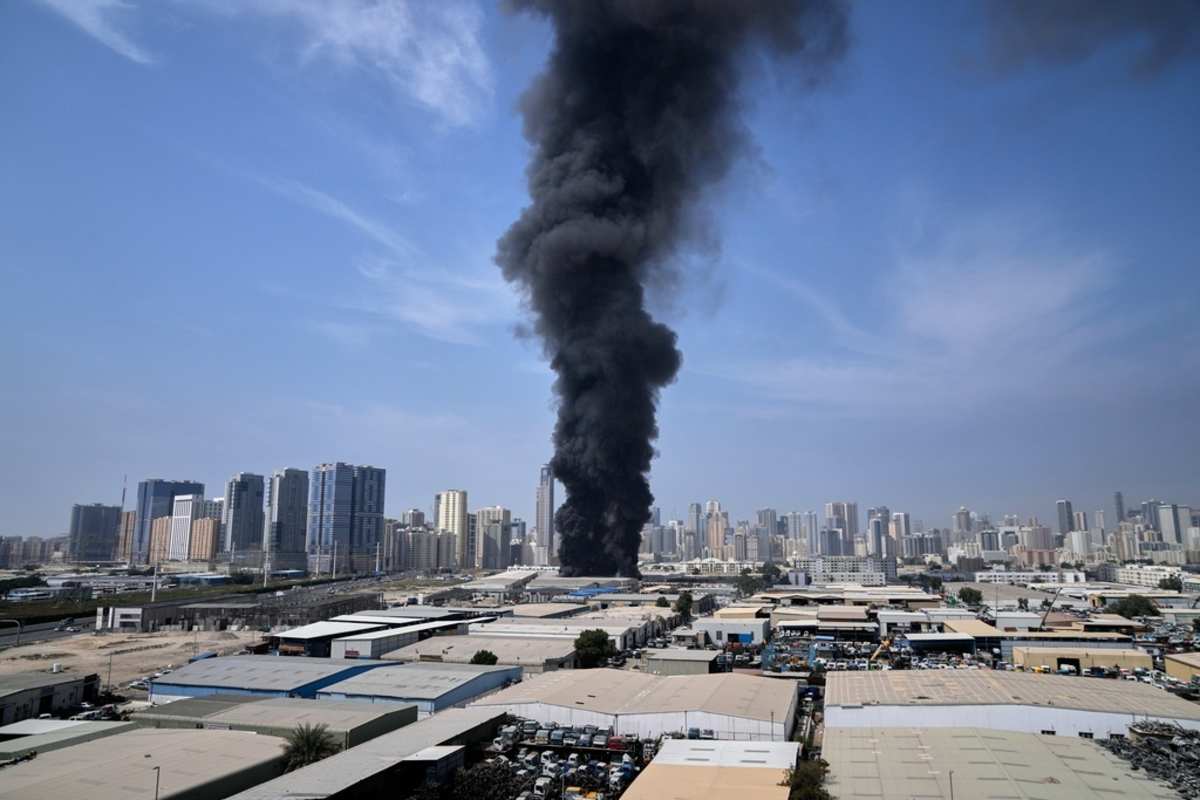
Experts told The New York Times that Iran also may have access to the Third Khordad surface-to-air missile systems, which can be based on trucks and are easily moved and concealed.
Michael O’Hanlon, director of foreign policy research at the Brookings Institution, told PolitiFact that, “The simplest interpretation is that President Trump was referring to radar-guided surface-to-air missiles, not shoulder-launched, man-portable, infrared-guided, low altitude interceptors."
"Iran doesn't need sophisticated missile defenses to hit low-flying planes," said Barbara Slavin, a fellow at the Stimson Center, a foreign-policy think tank.
According to multiple news reports, Iran entered a multi-million dollar arms deal with Russia to acquire thousands of shoulder-fired missiles capable of targeting low-flying planes and drones.
Russia has also supplied Iran with intelligence on the locations of US warships, aircraft, and other military assets.