Hegseth clashes with lawmaker as $1.5T budget fight erupts over Taiwan arms costs
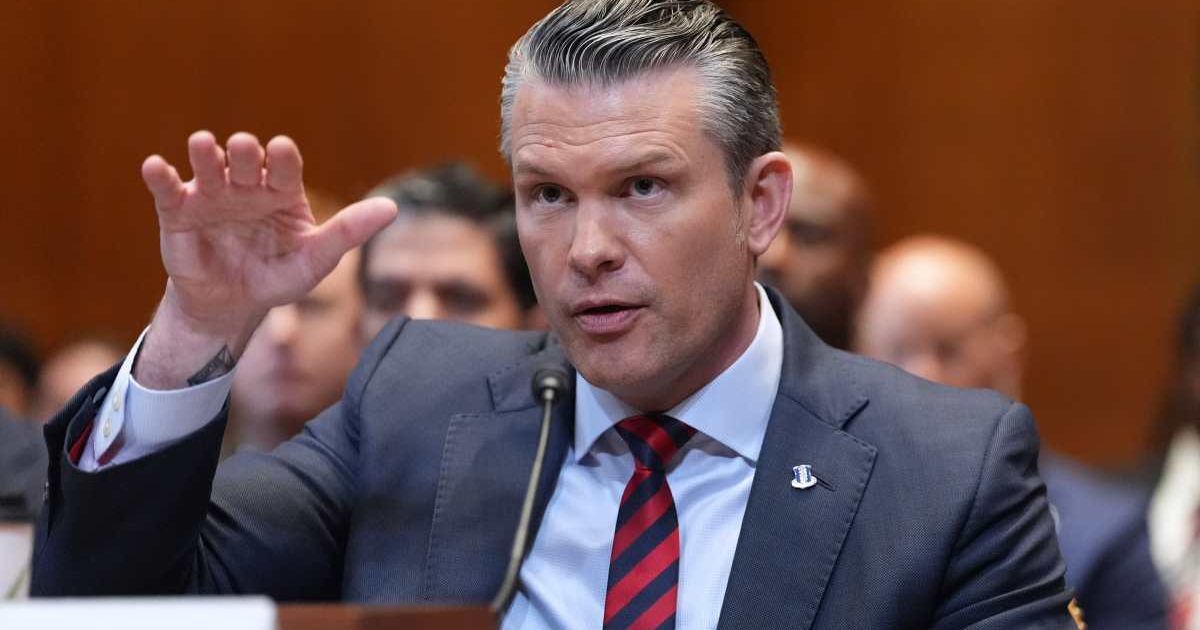
WASHINGTON, DC: A high-stakes hearing on President Trump’s unprecedented $1.5 trillion defense budget devolved into a heated exchange on Tuesday, May 12 morning as Defense Secretary Pete Hegseth sparred with Democratic lawmakers over contractor accountability.
The Pentagon chief, who has spent the last two weeks defending a 50% increase in military spending amid the ongoing Iran war, notably lost his composure when a New York representative labeled his fiscal claims "ridiculous."

The confrontation occurred as the Trump administration prepares for a high-stakes summit in China.
The budget request has already drawn intense scrutiny for its massive scale and the administration's "back to basics" restructuring, which includes the removal of various institutional programs to focus on raw procurement and readiness.
During Tuesday's testimony, the focus shifted from the war in the Middle East to the specific logistics of how the US will fund the next generation of military hardware.
Contractor factory costs trigger heated debate
The primary friction point centered on Hegseth’s claim that major defense "primes" would now be responsible for funding their own manufacturing facilities.
Hegseth argued that shifting the cost of building factories from the taxpayer to the corporations represents a "sea change" in Pentagon budgeting.
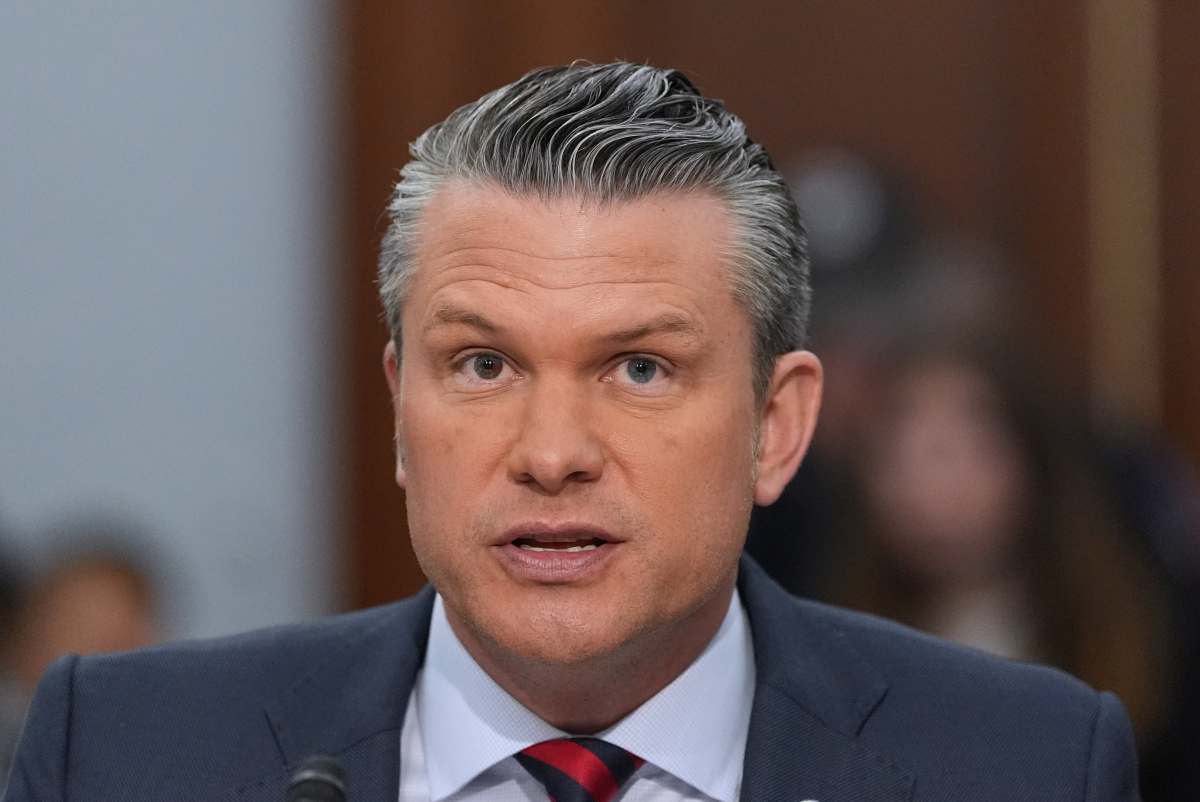
"Buildings cost money," Hegseth argued, asserting that forcing companies to pay for their own infrastructure out of their "own hide" would save the American people roughly $2 billion.
However, Rep Joe Morelle (D-NY) challenged this logic, suggesting that the government would ultimately reimburse these costs through the final sale price of the weapons.
Morelle interrupted Hegseth to point out that contractors would still receive a return on their investment through capitalization and tax write-offs.
The lawmaker argued that suggesting these companies would not be compensated for their initial factory outlays was "honestly ridiculous," prompting Hegseth to talk over him in an attempt to defend the new policy.
Taiwan weapons status remains on hold
Amid the fiscal bickering, the status of critical defense exports to Taiwan remains a point of significant concern for the Indo-Pacific Command (PACOM).
Morelle pressed Hegseth for an update on weapons that the President has not yet authorized for delivery to the island democracy.
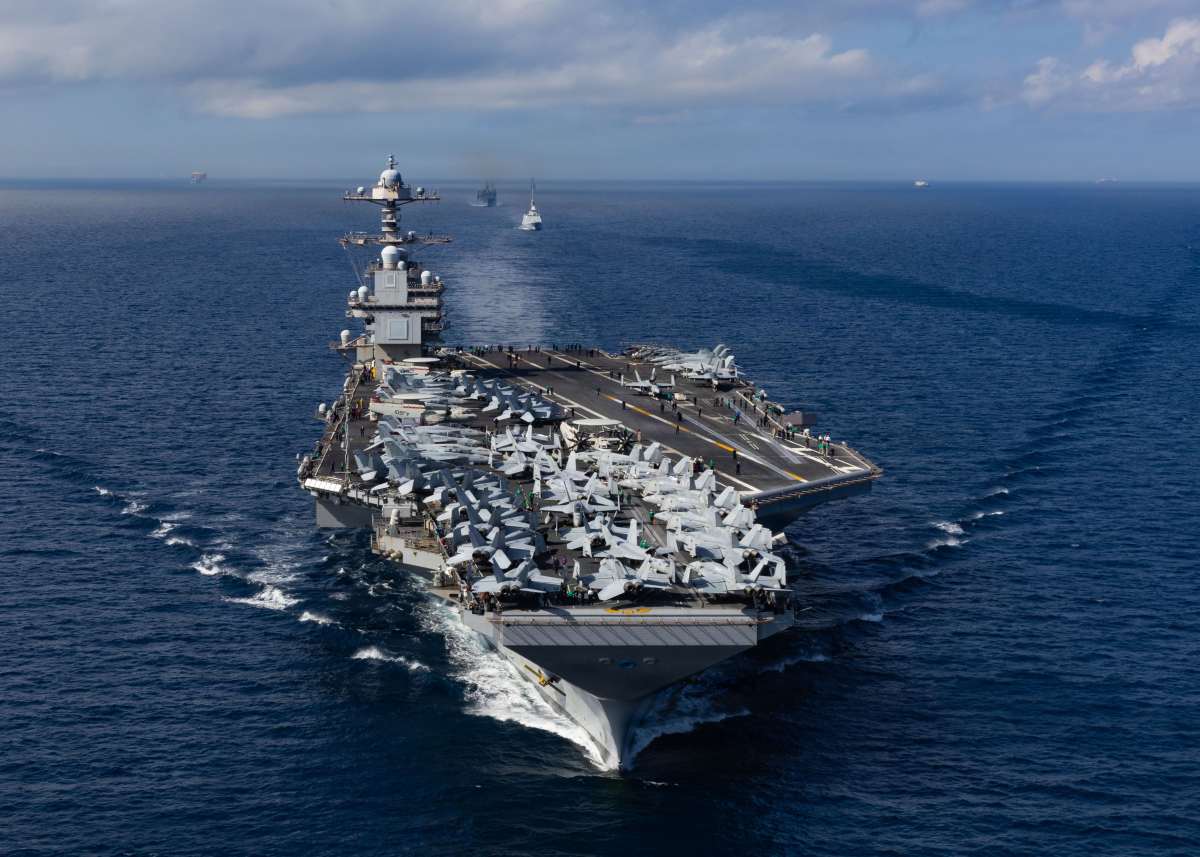
This comes at a sensitive time, as White House officials have recently underscored that President Trump has already approved billions in military sales for Taiwan in the first year of his second term.
Despite the high volume of approved sales, a backlog of unauthorized weapons persists.
Hegseth attempted to pivot the conversation back to the "savings" generated by the new factory-funding model, but Morelle insisted on answers regarding the timeline for Taiwan’s authorized munitions.
The exchange reflects a broader tension between the administration’s domestic "America First" manufacturing push and its immediate strategic obligations to allies in the Pacific.
Secretary defends sea change in spending
Hegseth remained firm in his stance that the administration is fundamentally altering the relationship between the Pentagon and defense contractors.
He shot back at Morelle’s skepticism by noting that under previous administrations, the government often paid for both the construction of the buildings and the final weapons sales.
Under the new $1.5 trillion proposal, Hegseth maintains the US will only pay for the sales, which he believes is a superior deal for the taxpayer.
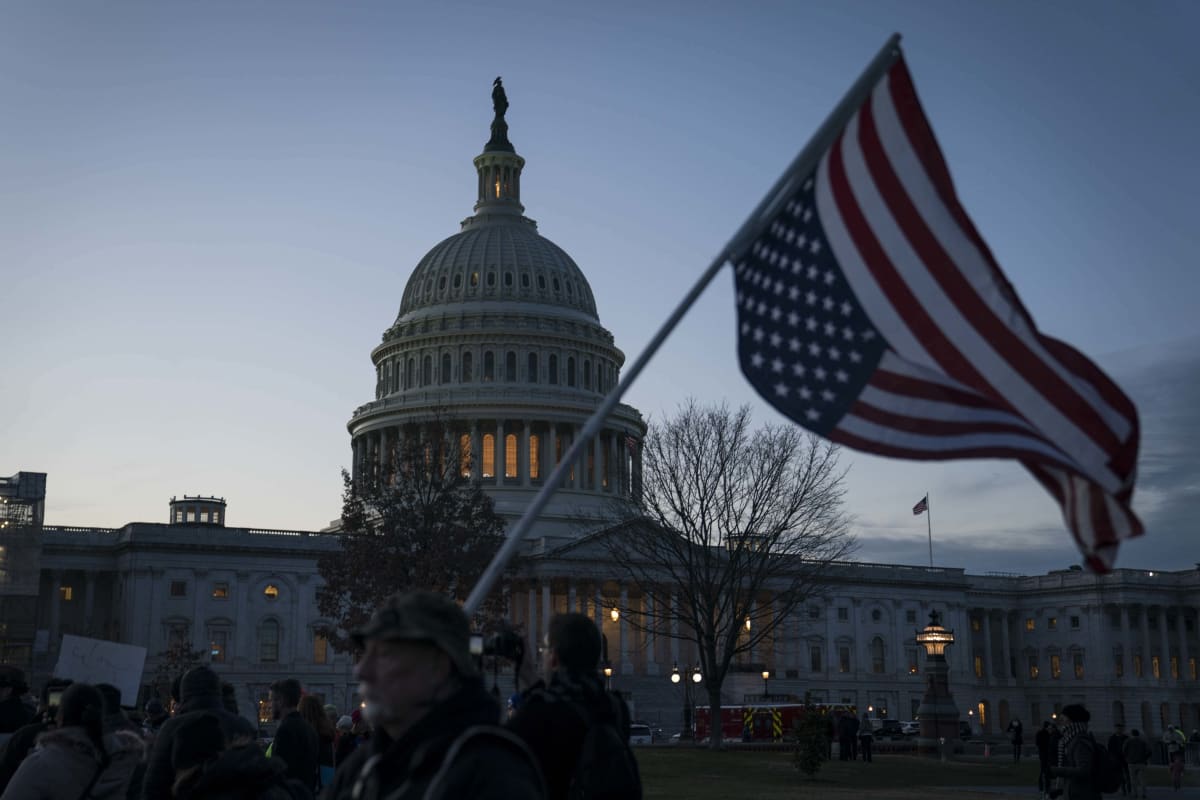
The Secretary’s "back to basics" approach aims to prioritize the rapid replenishment of munitions magazines, which have been heavily depleted during the conflict in the Middle East.
Hegseth concluded by insisting that while contractors might seek returns, the initial capital expenditure (CAPEX) being shifted away from the public treasury is a victory for government efficiency.
As the 2027 budget moves through the House and Senate, the debate over how much of these costs are truly "saved" is expected to intensify.