Homan torches 'silly' Trump ICE polling scare before midterms: 'It has not come up'
Embarrassing moment for CNN.
— Overton (@overton_news) March 29, 2026
Jake Tapper abruptly ENDED his interview with Tom Homan after the Border Czar SHUT DOWN his attempt to sow PANIC over ICE at polling locations.
TAPPER: “Let me ask you about a separate topic.”
“Several administration officials have discussed and… pic.twitter.com/maBDxBt1vS
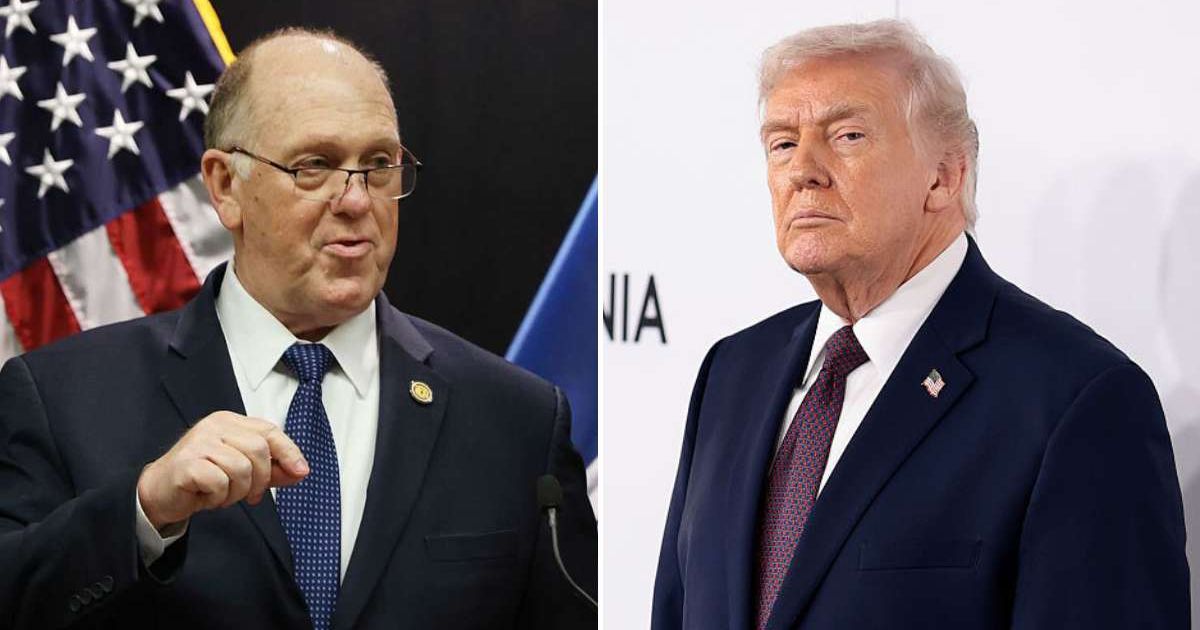
WASHINGTON, DC: White House border czar Tom Homan on Sunday, March 29, said he has had no conversations with President Donald Trump about deploying Immigration and Customs Enforcement (ICE) agents to polling stations during the upcoming US midterm elections.
“I’ve had no discussions about that with President Trump or Homeland Security Secretary Markwayne Mullin. It has not come up in any conversation,” Homan said in an interview with CNN’s Jake Tapper on 'State of the Union'.
His remarks come amid growing speculation and political debate over whether federal immigration authorities could play a role in election-related activities this November.

Proposal gains traction among Trump allies
The issue has been fueled in part by longtime Trump ally Steve Bannon, who has publicly urged the administration to consider deploying ICE personnel to polling locations, arguing it would help ensure election integrity.
Though Bannon holds no formal government position, his suggestions have resonated within sections of the broader Trump political ecosystem, where concerns about election security continue to dominate rhetoric.
Notably, some administration officials have stopped short of ruling out the idea entirely, leaving open the possibility, however remote, of some form of federal presence tied to security concerns.

White House leaves door partially open
White House Press Secretary Karoline Leavitt last month declined to give a categorical assurance that ICE agents would not be present near polling sites.
“I can’t guarantee that an ICE agent won’t be around a polling location in November. That’s frankly a very silly hypothetical question,” she told reporters, reflecting the administration’s reluctance to fully close off the possibility.
‘That’s not something I’ve ever heard the president consider’ — Leavitt on ICE at the polls
— RT (@RT_com) February 5, 2026
‘I can’t guarantee that an ICE agent won’t be around a polling location in November’
‘I haven’t heard the president discuss any formal plans to put ICE outside of polling locations’ https://t.co/YOwR2Q2TkL pic.twitter.com/lhJG3bSi85
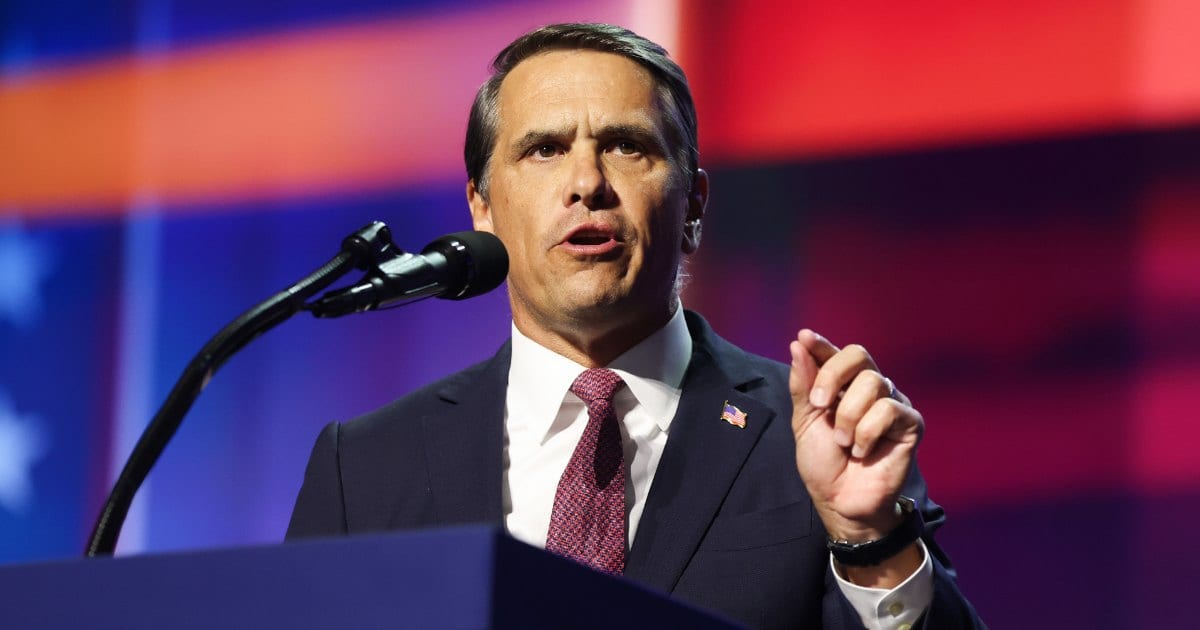
Similarly, during his confirmation hearing, DHS Secretary Markwayne Mullin emphasised that any federal deployment would be based strictly on credible threats and not intended to intimidate voters.
“The only reason my officers would be there is if there was a specific threat,” Mullin told lawmakers. “We would work with local law enforcement, and there would be a clear reason for our presence.”
Earlier assurances contradict speculation
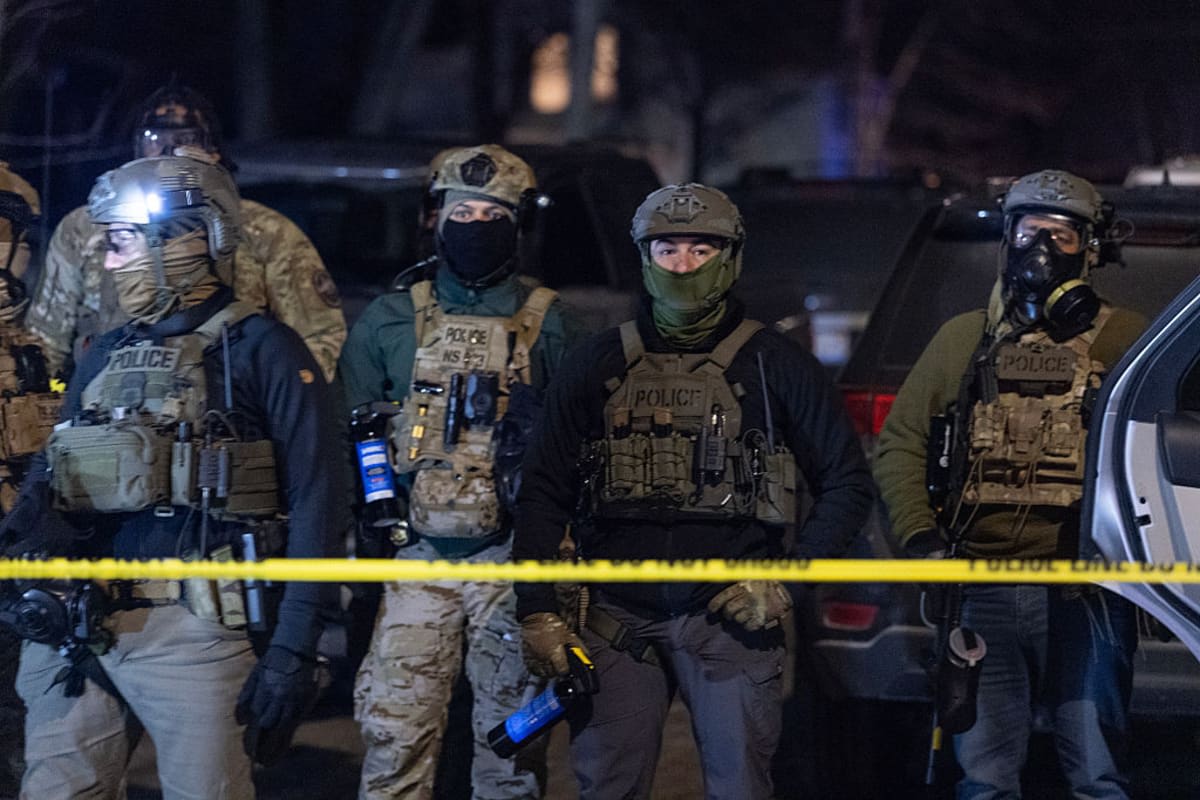
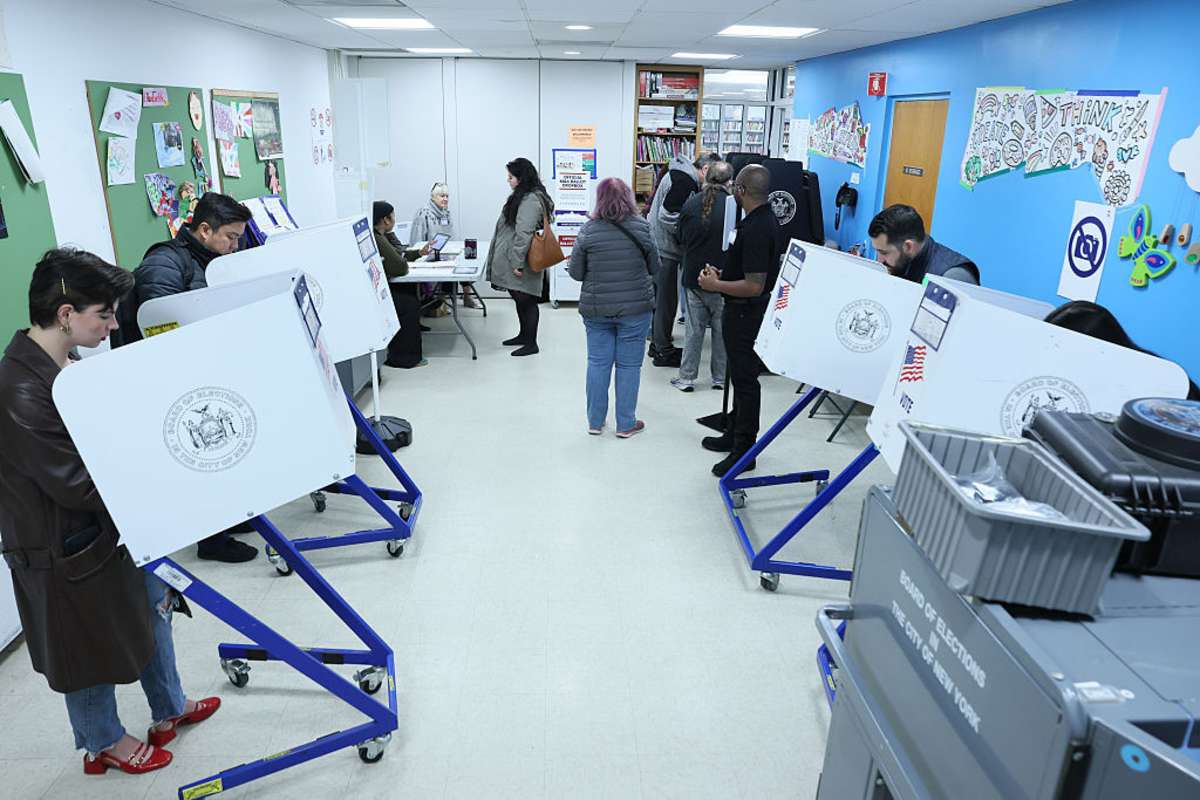
Despite the ongoing debate, senior Department of Homeland Security officials have previously sought to calm fears, explicitly stating that ICE agents would not be stationed at polling places during the 2026 midterms.
The assurance was seen as an attempt to address concerns among election administrators and voting rights groups, who warned that any visible federal enforcement presence could deter voter participation.
Broader push for federal oversight of elections
The controversy unfolds against a wider push by Trump allies to expand federal influence over election administration.
Some within the president’s circle have advocated declaring a national emergency tied to election security, which could potentially allow for increased federal oversight of the voting process.
Trump himself has repeatedly amplified claims of widespread voter fraud, which have been widely disputed and unsupported by evidence, but which continue to shape policy discussions within his political base.
Election experts and civil liberties groups have raised alarms over the implications of deploying federal agents near polling sites, warning that even a limited presence could be perceived as intimidation.
US law places strict limits on the presence of armed federal personnel at polling stations, and election administration is traditionally handled at the state and local levels.
Against this backdrop, Homan’s categorical denial of any discussions with Trump appears aimed at distancing current policy planning from more controversial proposals circulating among political allies.