Johnson says Congress looking to pursue 'legislative fix' after SCOTUS birthright citizenship ruling
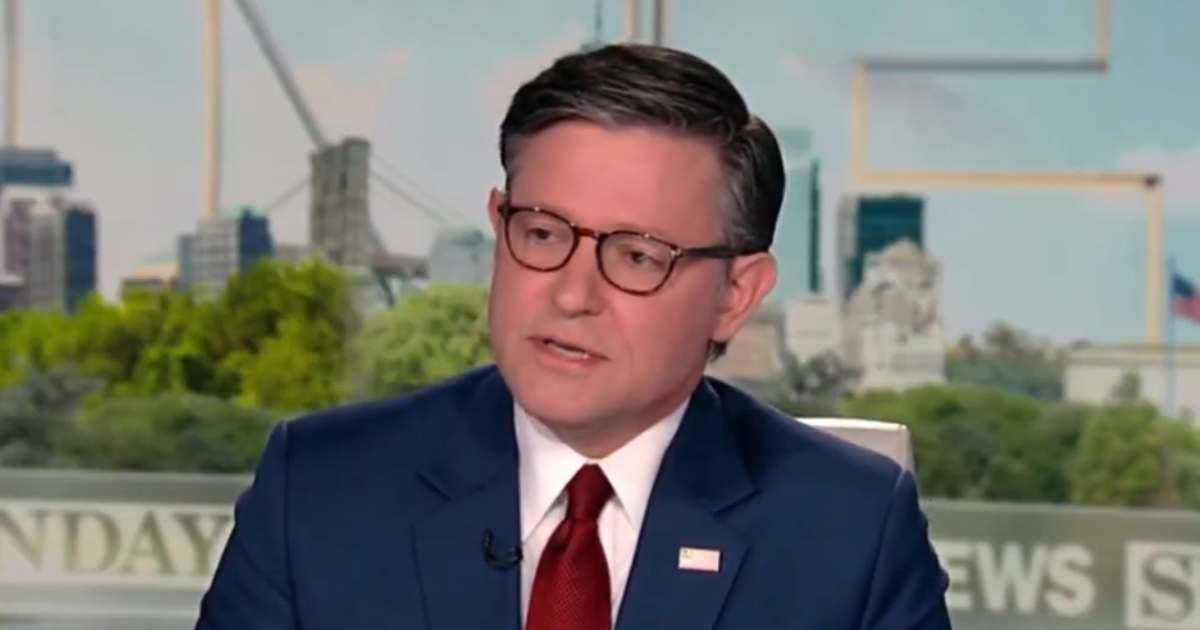
WASHINGTON, DC: House Speaker Mike Johnson on Sunday, July 5, said Republicans are exploring a "legislative fix" following the Supreme Court's decision to uphold birthright citizenship, signaling that Congress could become the next battleground over one of President Donald Trump's top immigration priorities.
Speaking on Fox News, Johnson said lawmakers were considering every available option, including legislation and a constitutional amendment. His remarks came after Trump urged Congress to act "immediately" following the court's ruling.
🚨 IT'S OFFICIAL: Speaker Johnson announces he's coming up with legislation to STRIKE DOWN rampant birthright citizenship and tourism scams for illegal aliens
— Eric Daugherty (@EricLDaugh) July 5, 2026
GOOD! Act fast!
"I really enjoyed Justice Clarence Thomas' dissent, everybody should read that. And he explained that… pic.twitter.com/GT2z3kgeV6
Mike Johnson says Congress must 'address' Supreme Court ruling
Johnson said Republicans should respond legislatively after the court's decision, arguing that the current interpretation of birthright citizenship encourages what he described as "birthright tourism."
"We do need to address it. We're looking at all angles. If there's some legislative fix, we'll advance that immediately. If it's a constitutional amendment, as you know, it takes a little more time. But we've got to address this, it really is a serious, serious issue," the Louisiana Republican said.
He also praised Justice Clarence Thomas' dissenting opinion, calling it "a must-read."
"He explained that the 14th Amendment, the original intent, was to enhance and really value citizenship, and it's been devalued because of birthright tourism, which is what we have now. It's a threat to the rule of law and national security," the House speaker expressed.
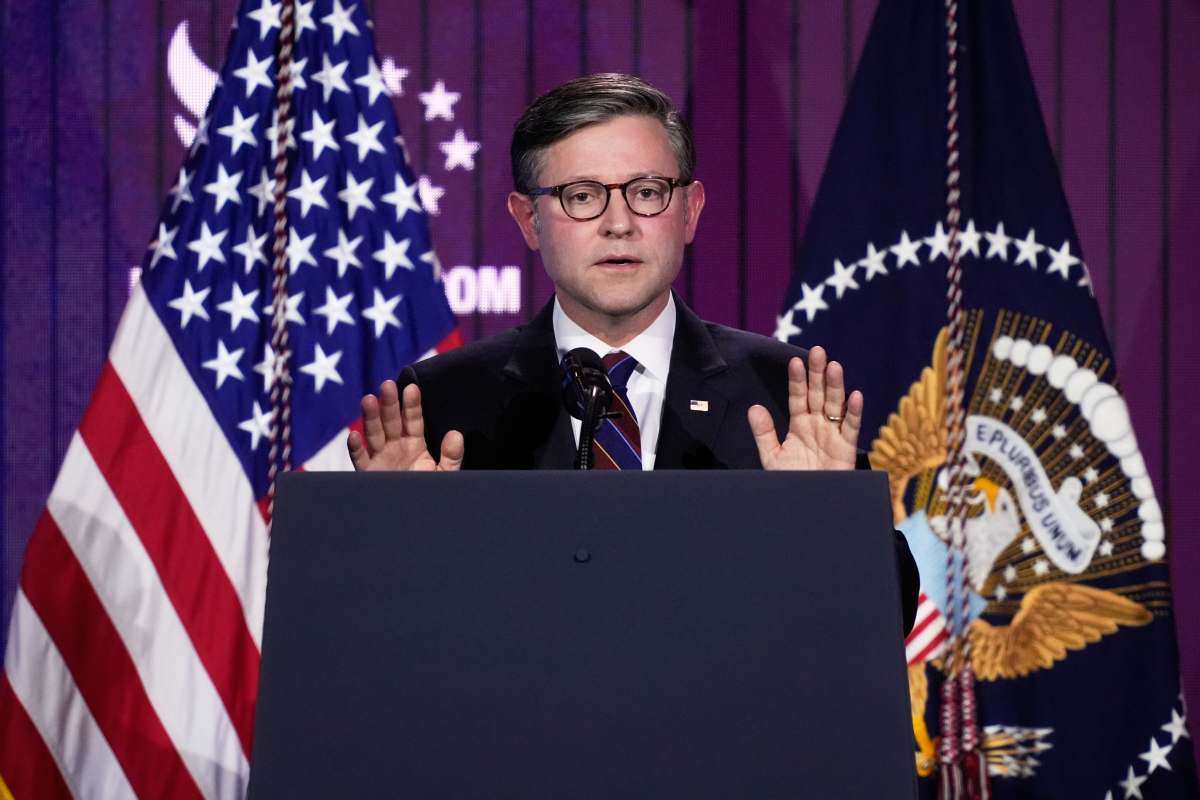
Johnson's comments followed Trump's call for Congress to move quickly on legislation after the Supreme Court ruled against the administration's position.
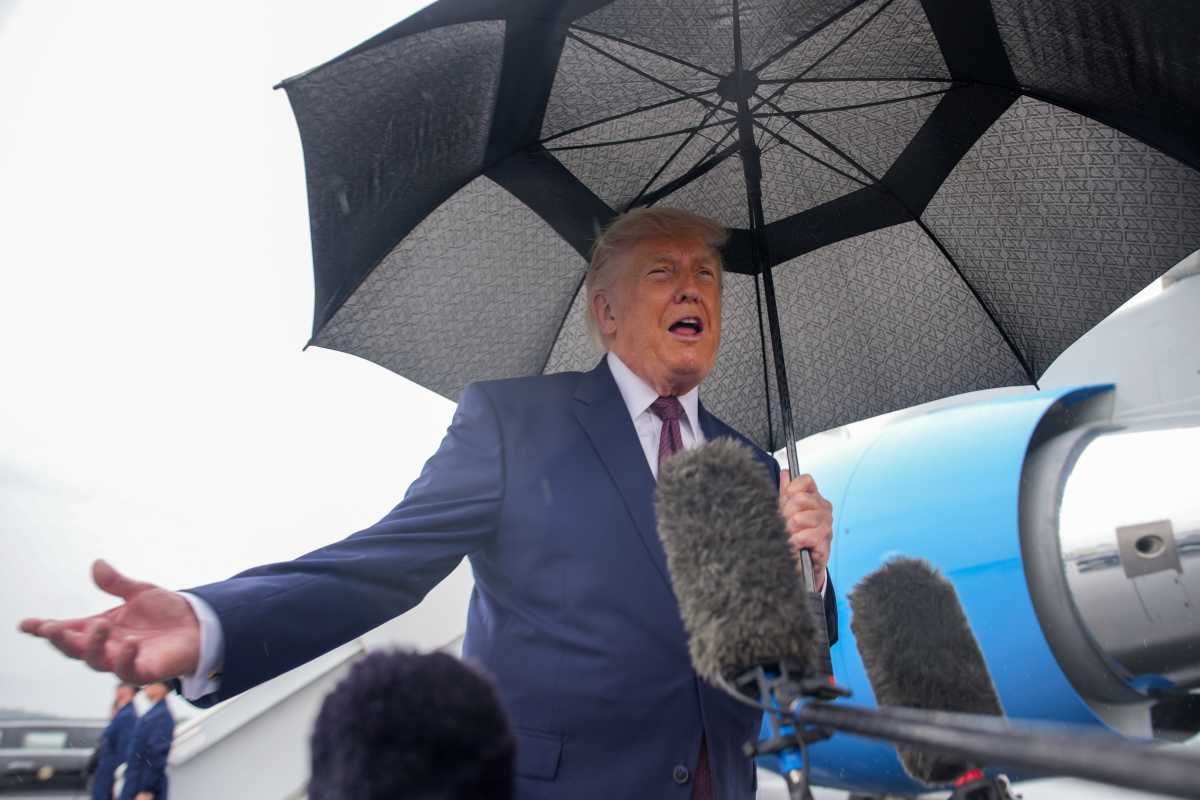
The Supreme Court's decision preserved automatic US citizenship for children born on American soil, rejecting Trump's effort to restrict the long-standing interpretation of the Fourteenth Amendment through executive action.
SCOTUS majority reaffirms Fourteenth Amendment protections
The ruling reaffirmed that children born in the US remain citizens at birth under the Fourteenth Amendment, regardless of their parents' immigration status.
Writing for the majority, Chief Justice John Roberts said, "Citizenship, then and now, was the right to have rights, to freely participate in our political community. The Framers of the Fourteenth Amendment extended that promise to 'every free-born person in this land.' We keep that promise today."
🚨 The Supreme Court ruled that the Fourteenth Amendment guarantees birthright citizenship to children born in the United States, including those whose parents are in the country unlawfully or only temporarily, striking down President Trump's executive order. pic.twitter.com/iDns5rmqJF
— SCOTUS Wire (@scotus_wire) June 30, 2026
Roberts was joined by Justice Amy Coney Barrett and the court's three liberal justices in rejecting the administration's argument. Justice Thomas, joined by other dissenting justices, argued that the amendment had been interpreted beyond its original purpose.
Justice Thomas (joined by Gorsuch) says the court's ruling adds to efforts that have "reporuposed" the 14th Amendment "for political projects" that were not intended by the Congress that adopted it. pic.twitter.com/aPBDs8TPAz
— Kyle Cheney (@kyledcheney) June 30, 2026
"The Court adds to the sad history of the Fourteenth Amendment, which was designed and understood to secure equal rights for the freed blacks but has instead been repurposed for political projects that the Reconstruction Congress did not support," Thomas wrote.

Johnson did not outline specific legislation but said Republicans would move quickly if they identify a viable legislative path, while recognizing that amending the Constitution would require a far lengthier process and broader political support.