Judge Menendez delays ruling in Minnesota immigration enforcement case over constitutional concerns
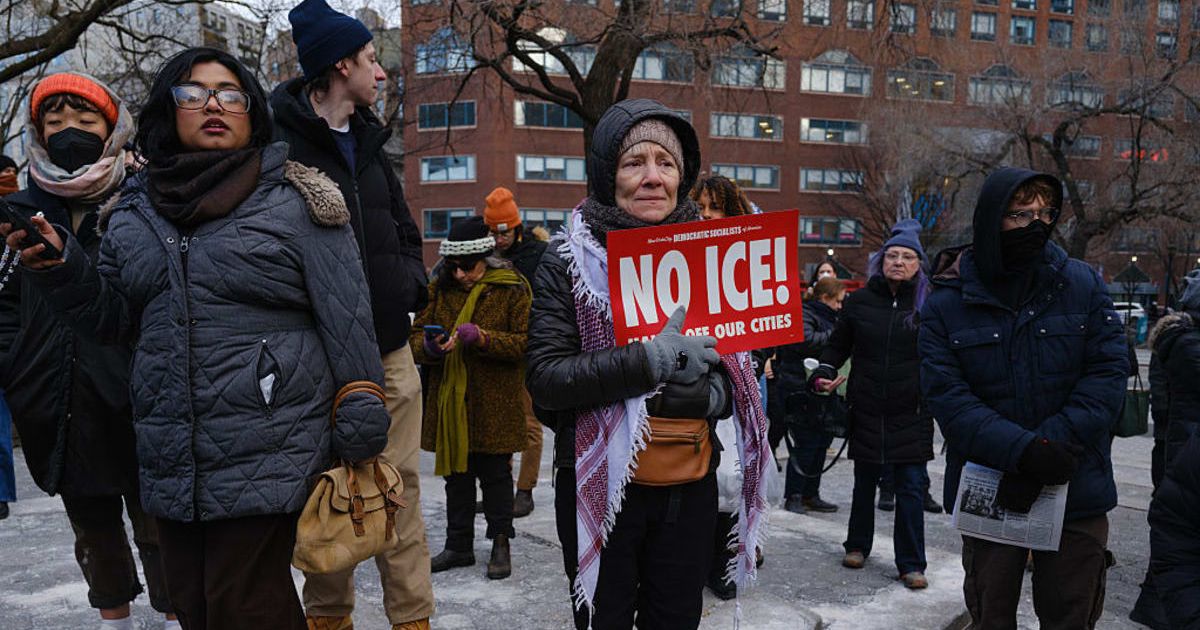
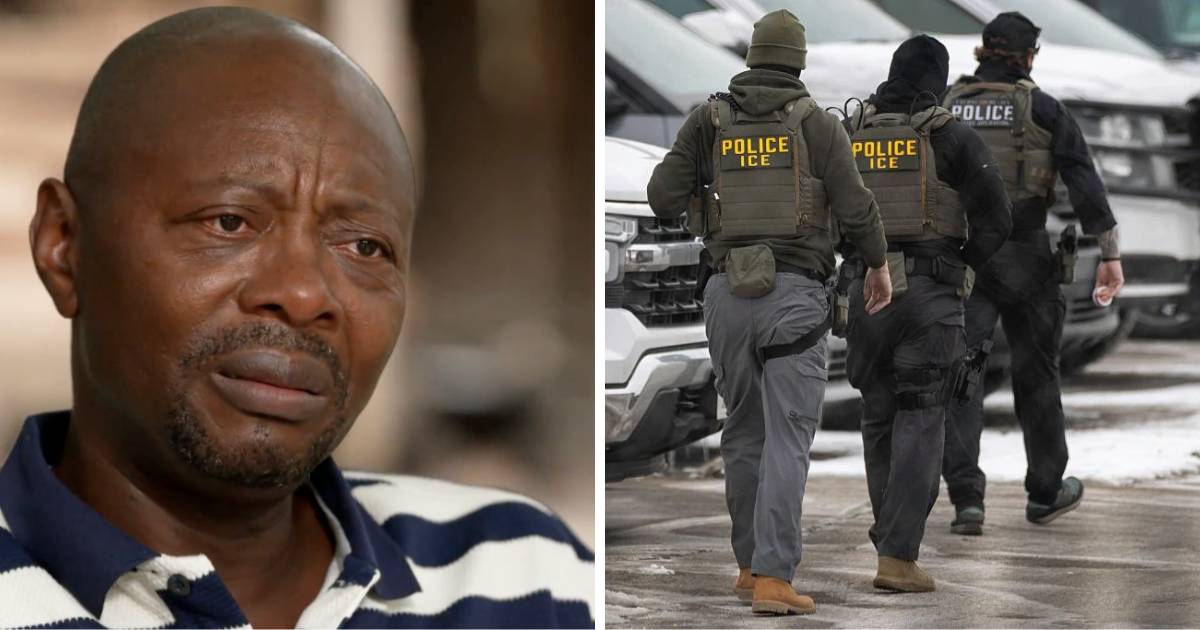
MINNEAPOLIS, MINNESOTA: A federal court hearing in Minnesota over the Trump administration’s expanded immigration enforcement operation concluded on Monday, January 26, without an immediate ruling.
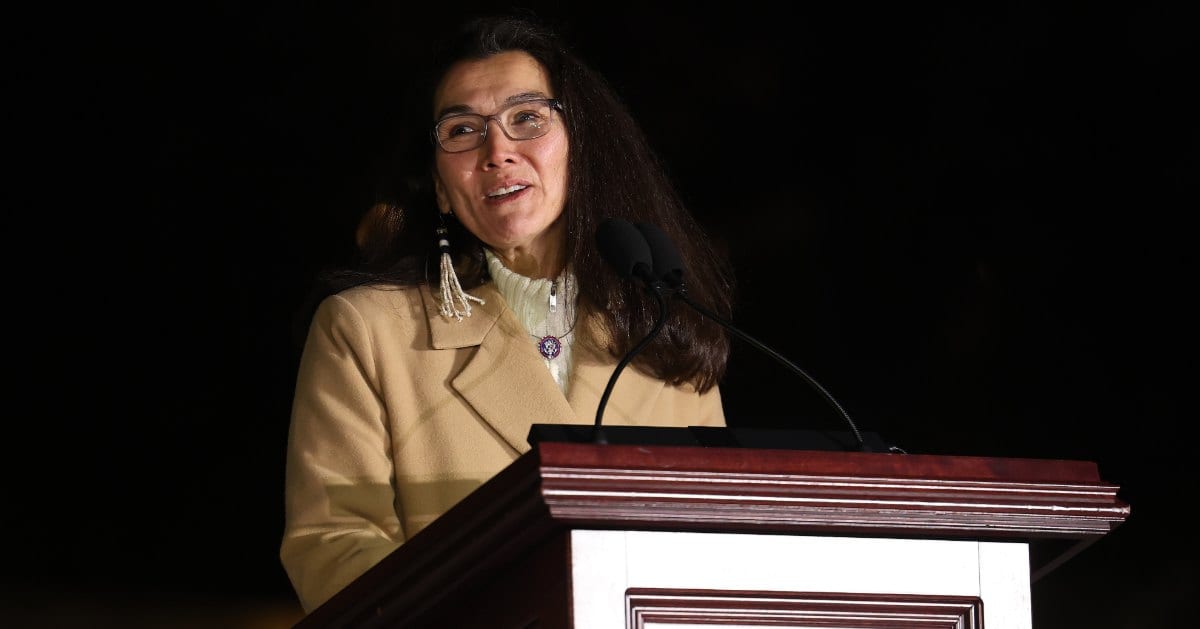
District Judge Kate Menendez heard arguments in a lawsuit filed by the state of Minnesota challenging the deployment of more than 3,000 federal immigration agents under 'Operation Metro Surge'.
The state is seeking a temporary restraining order to halt the operation, which officials say exceeds federal authority and violates the Constitution.
Menendez said that she would take additional time to consider the arguments before issuing a decision. The motion hearing stems from a lawsuit filed on January 12 by the state of Minnesota, joined by the cities of Minneapolis and St Paul, against the Department of Homeland Security and other federal officials.
Judge weighs authority to halt federal immigration operation
Judge Menendez questioned whether she had the legal authority to intervene in the federal government’s immigration enforcement actions.
The court focused in part on the state’s request for a temporary restraining order that would pause 'Operation Metro Surge' while the case proceeds.
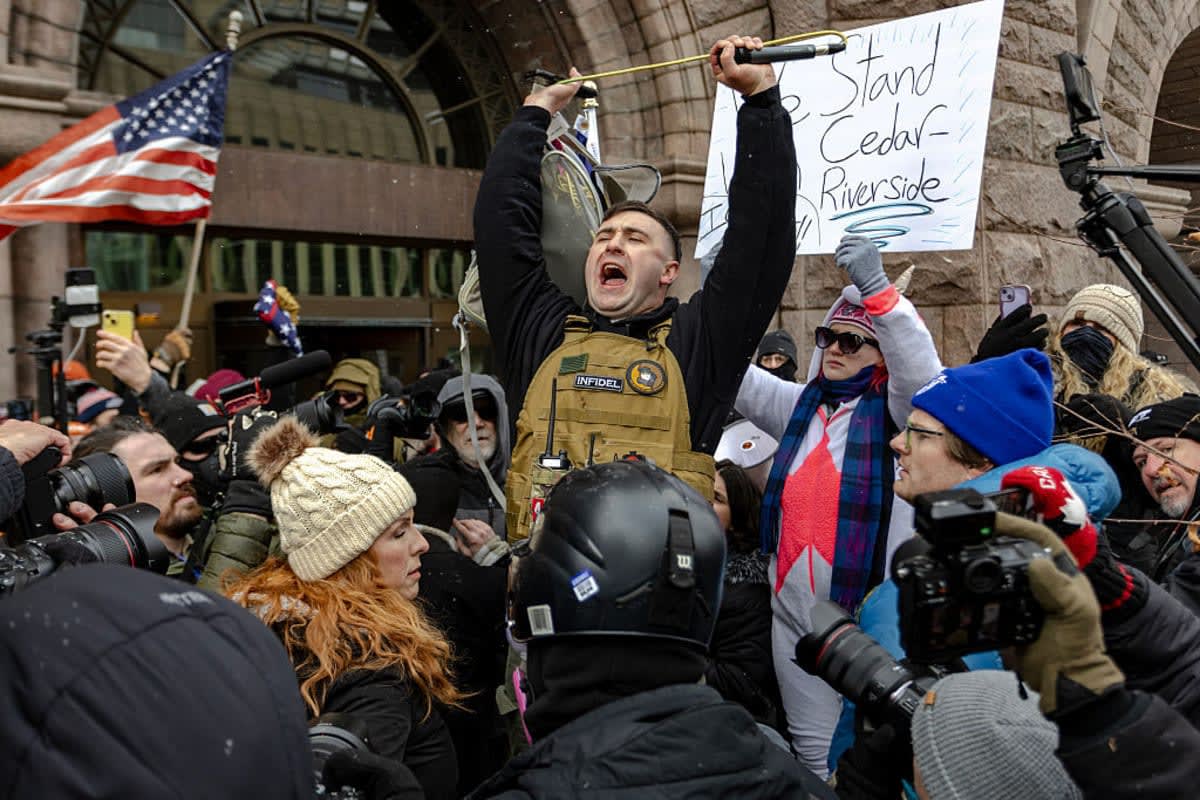
“How do I decide when a law enforcement response crosses the line from a legitimate law enforcement response to a violation of the 10th Amendment?” Menendez asked Brian Scott Carter, an attorney representing the Minnesota Attorney General’s Office.
She added, “I don’t know what the line is. I don’t know how you are asking me to identify when the federal government crosses the line? Is it motivation? Scope? The illegality?”
Carter argued that the scale and nature of the operation marked a constitutional overreach.
“We have never had the federal government amass what is essentially an army of masked, heavily armed agents, and send them into a state to basically stir the pot with conduct that is pervasive and includes widespread, illegal violent conduct,” he said.
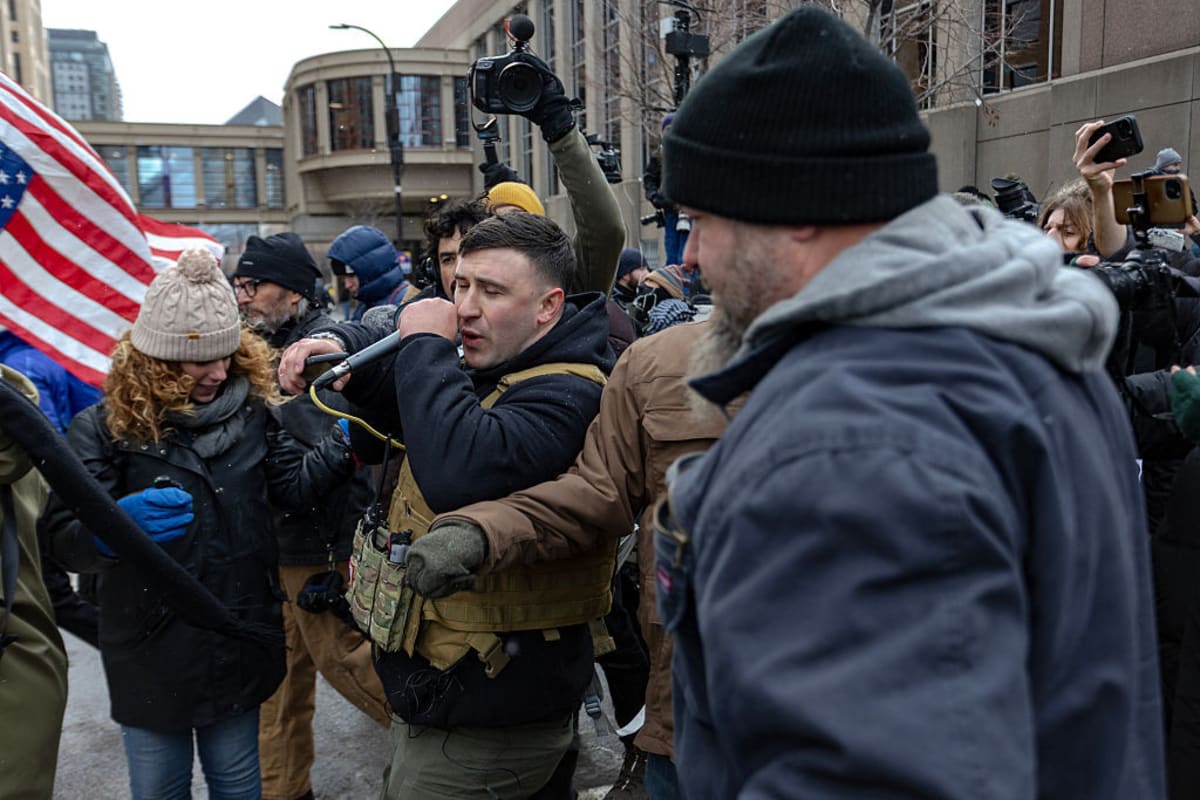
Menendez acknowledged the tension between state and federal positions, noting that Minnesota and the Trump administration held fundamentally different approaches to immigration enforcement.
“We are at risk of asking me to decide who is right there,” she said. Attorneys for the Justice Department argued that the burden rested with Minnesota to demonstrate when 'Operation Metro Surge' violated constitutional limits.
DOJ lawyer Brantley Mayers said that the state needed to show precisely how and when the operation crossed into unlawful territory under the 10th Amendment.
Court questions DOJ over Pam Bondi's letter and enforcement intent
Judge Menendez also questioned the Justice Department about a recent letter sent by Attorney General Pam Bondi to Minnesota Governor Tim Walz.
The letter requested that the state repeal sanctuary city laws, turn over voter rolls, and provide records related to Medicaid, food stamps, and other public assistance programs for federal fraud investigations.
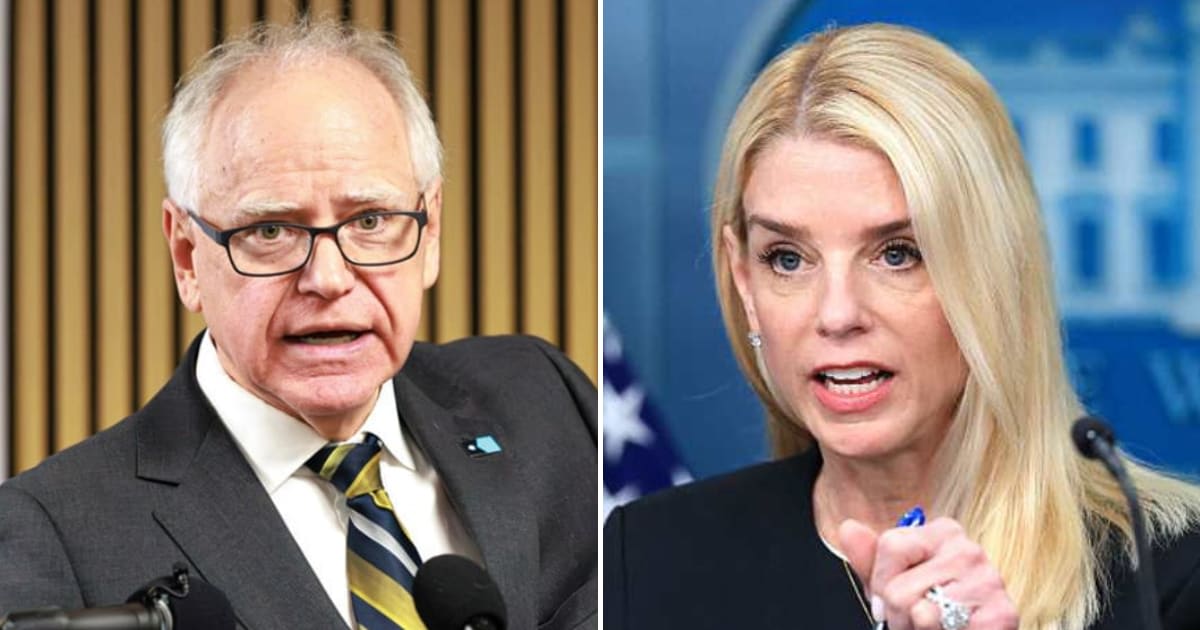
Menendez raised concerns about the timing and intent of the letter in relation to the enforcement operation.
“Is the executive trying to achieve a goal through force that it cannot achieve through the courts?” she asked Mayers.
“No, your honor,” Mayers replied. “We are here to enforce federal immigration law. There is nothing to back up this claim that we are here for another reason.”
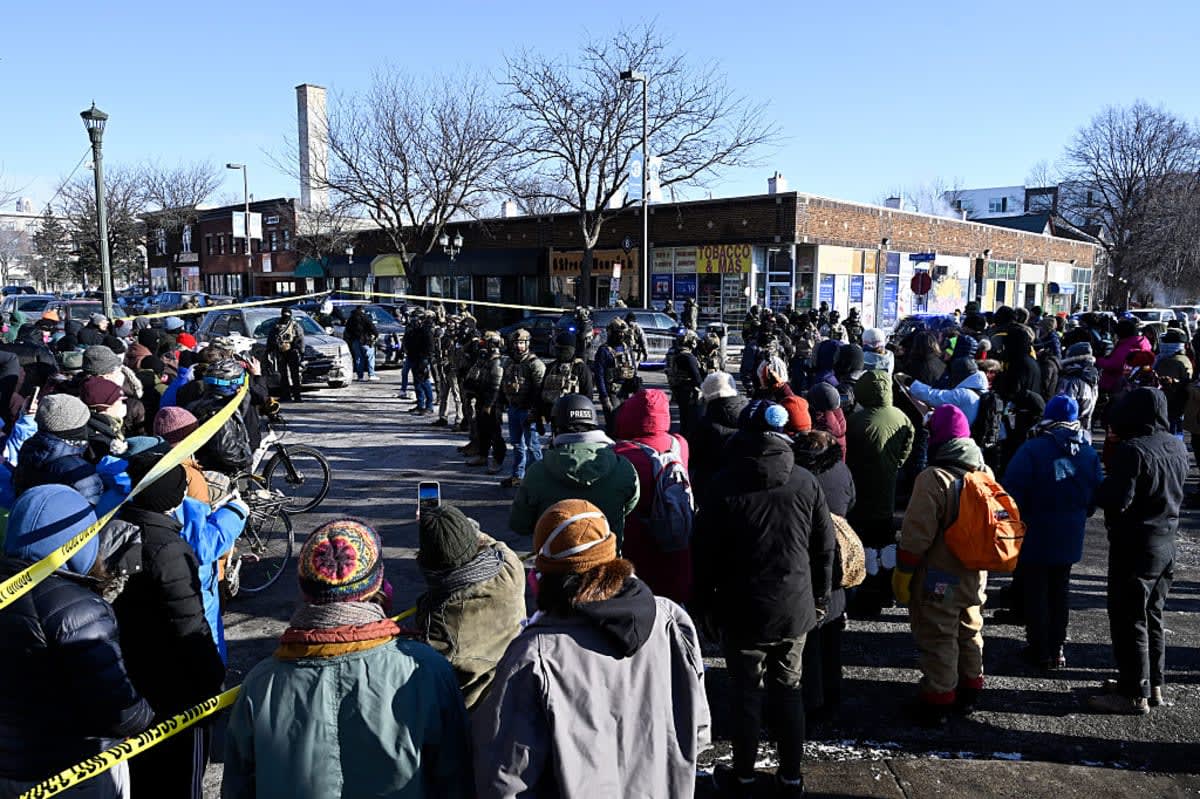
Judge Menendez concluded the hearing without issuing a ruling from the bench, saying that she wanted to take sufficient time to review the legal questions presented.
A written decision on whether to grant or deny the temporary restraining order is expected at a later date.