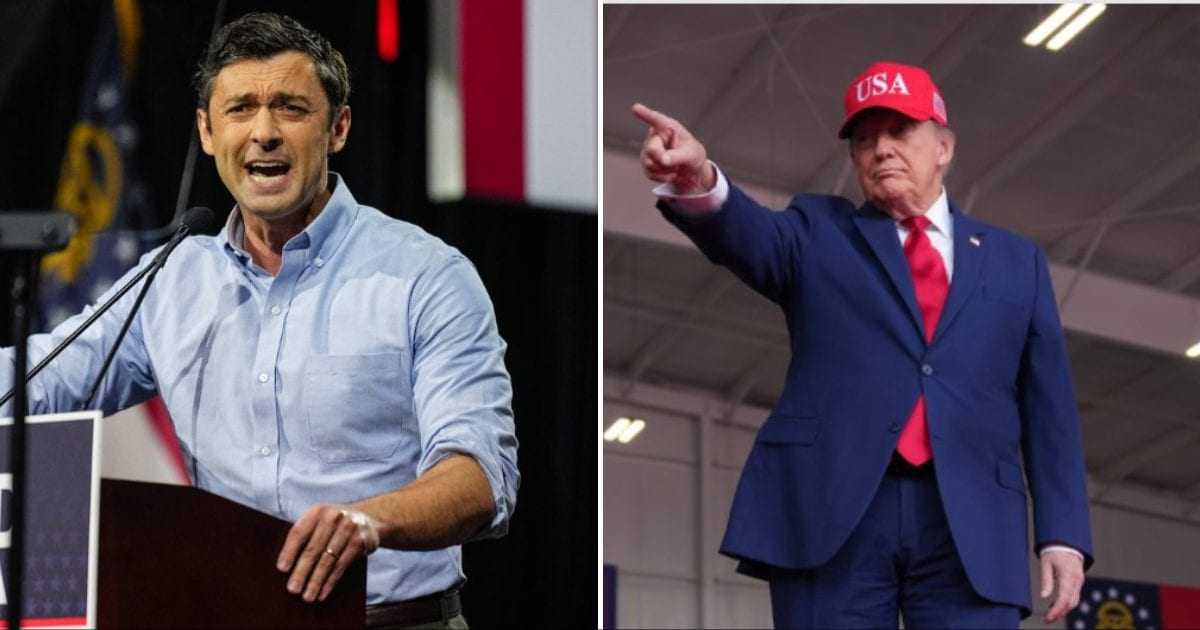
Kamala Harris calls Trump administration ‘most corrupt, incompetent in US history’
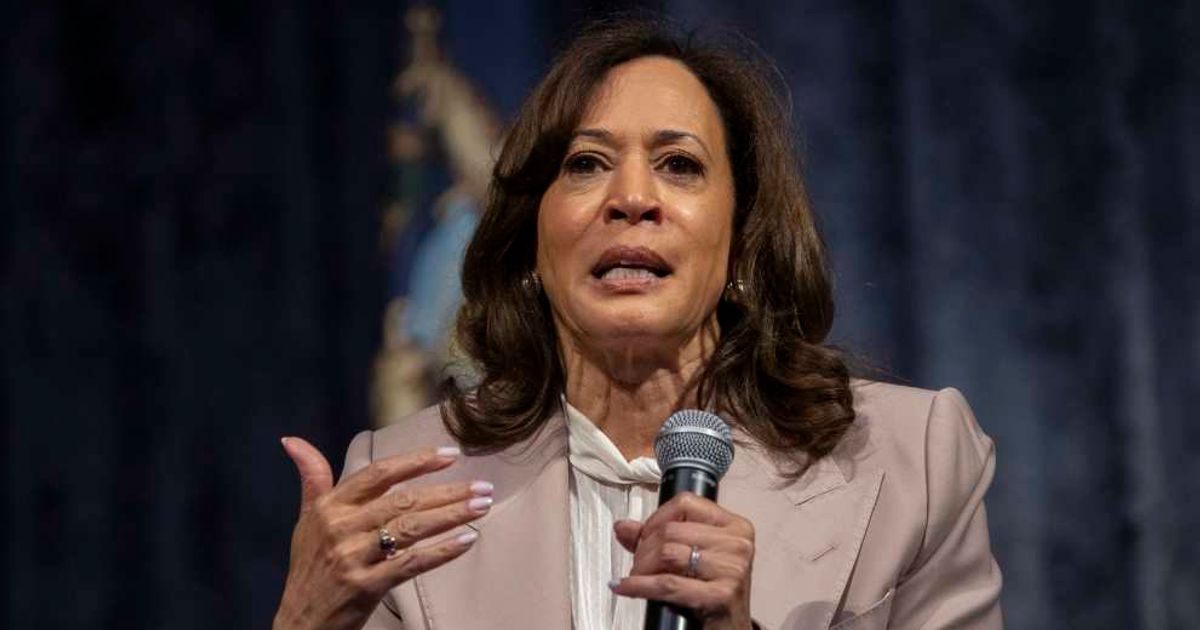
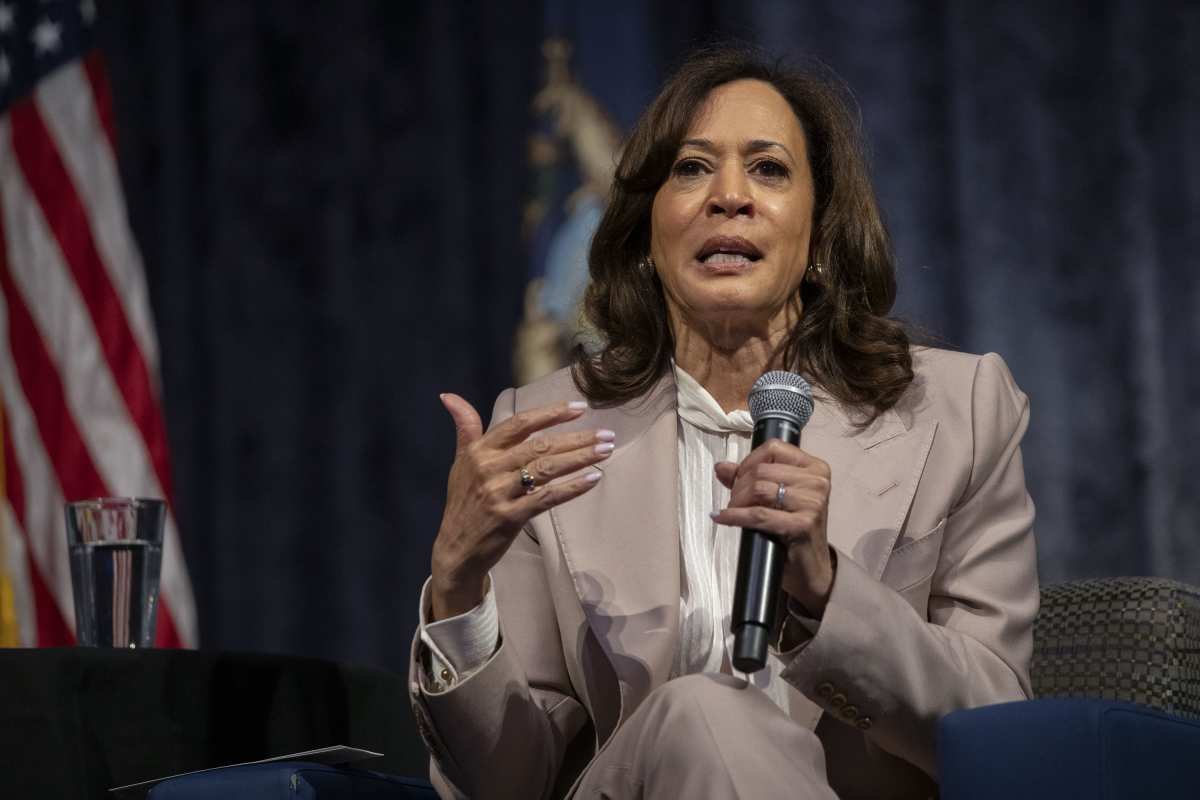
DETROIT, MICHIGAN: Former Vice President Kamala Harris went scorched earth on the Trump administration at a Michigan Democratic Women’s Caucus event.
Harris was in conversation at a luncheon hosted by the caucus in Detroit when she declared, "We are dealing with the most corrupt, callous, and incompetent presidential administration in the history of the United States. Period!"
Kamala Harris: "We are dealing with the most corrupt, callous and incompetent presidential administration in the history of the United States." pic.twitter.com/6QZnCl2EEe
— Breaking911 (@Breaking911) April 20, 2026
She pointed to what she described as “empirical evidence,” slamming the administration’s handling of a war she claims Americans never wanted.
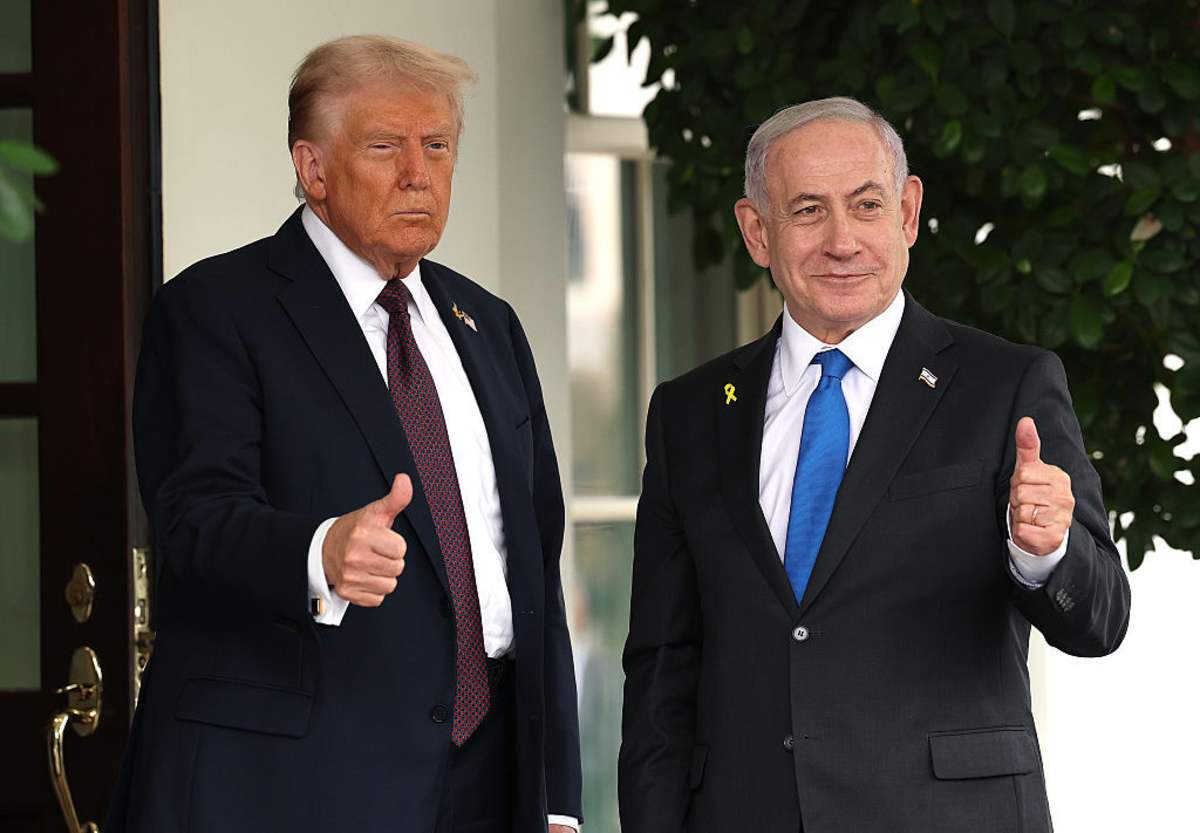
"And so on this list of what is empirical evidence of that point, let’s talk about this war. He entered a war — got pulled into it by Bibi Netanyahu. Entered the war that the American people do not want, putting at risk American service members, and among many consequences of it includes jacking up the cost of gas," Harris said, referencing Israeli Prime Minister Benjamin Netanyahu.
She tied the conflict directly to rising prices at the pump. "So on average, Americans are paying at least $15 more to fill up their tank. Diesel costs 50% more, so that’s what fuels a semi — a truck — that otherwise delivers our food and household items. And where do we think the cost is going to land? It's on the consumer," she said.
Harris also suggested the war served as a distraction. "Let us understand it also as he has always wanted — his feeble attempt of distracting from the Epstein files. Let’s understand it is his attempt to walk around as he wants, this insecure man, and use America’s military force against anyone whom he chooses," she alleged.
Trump admin ‘made us unreliable’ as allies, weakened influence
Drawing on her time in office, Harris contrasted her diplomacy with what she described as a breakdown in global relationships under President Donald Trump.
"And to your point — when I served as Vice President of the United States, I met with over 150 world leaders: Presidents, Prime Ministers, Chancellors, and Kings — many of them multiple times. When I formed relationships — I have spent countless hours in the Situation Room, in my West Wing office at the White House, and steps down the hall at the Oval Office," she said.
She argued Trump’s approach marked a notable departure from US foreign policy norms. "And I will tell you: This President is the first president of either party since World War II to abandon America’s responsibility. To one — a responsibility we assumed, imperfect though we are, to nurture and protect our alliances, our friendships — and thumb his nose at them. And two — not even pretend, in fact dismiss the importance of upholding international rules, norms such as sovereignty, territorial integrity."
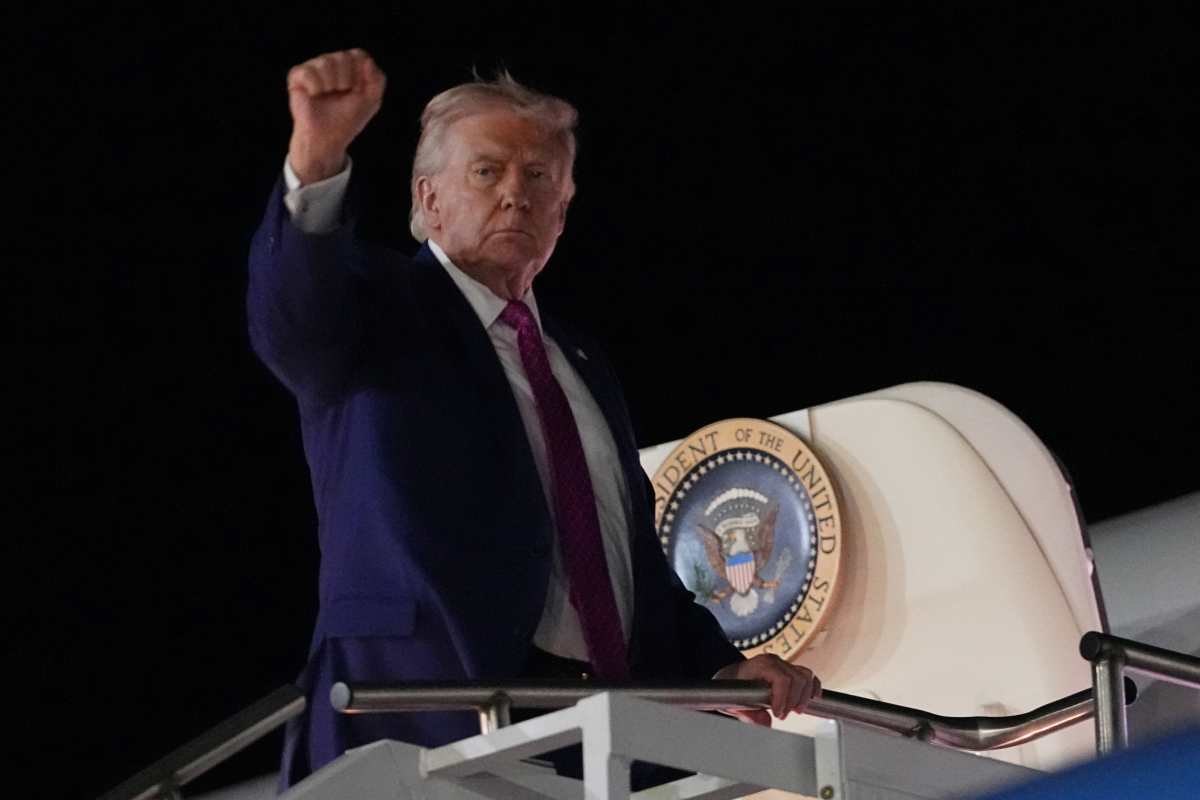
The result has been a loss of trust and clout abroad, Harris said. "The end result — because I know we have limited time — is this: What he has done is that, one, in the eyes of our allies, made us unreliable. And two, he’s eroded whatever influence we had to be able to speak to certain issues."
Harris touts Africa strategy
Harris also spoke about her efforts to reshape US engagement with Africa.
"Imperfect though we know we have been. You look at what he is doing. And you know part of the work I did as Vice President was to begin what I thought we needed to do around changing the narrative between the relationship between the United States and a continent of Africa. And I led a delegation to the continent to visit various African nations," she said.
She pointed to demographic trends to explain the stakes.
"Why? Well, because one reason — among the many — do you know, and I’m sure you do, the median age, the average age on the continent is about 19. It is predicted by the year 2050, one in four people occupying space on this Mother Earth will be on the continent. So that either presents an incredible opportunity for partnership or to neglect that relationship. Quite the opposite," she said.
"So my point was we need to not just think of ourselves as benevolent but as a partner," Harris added.