Mark Ruffalo calls Paramount's 'appalling' antisemitism accusation dishonest after merger criticism
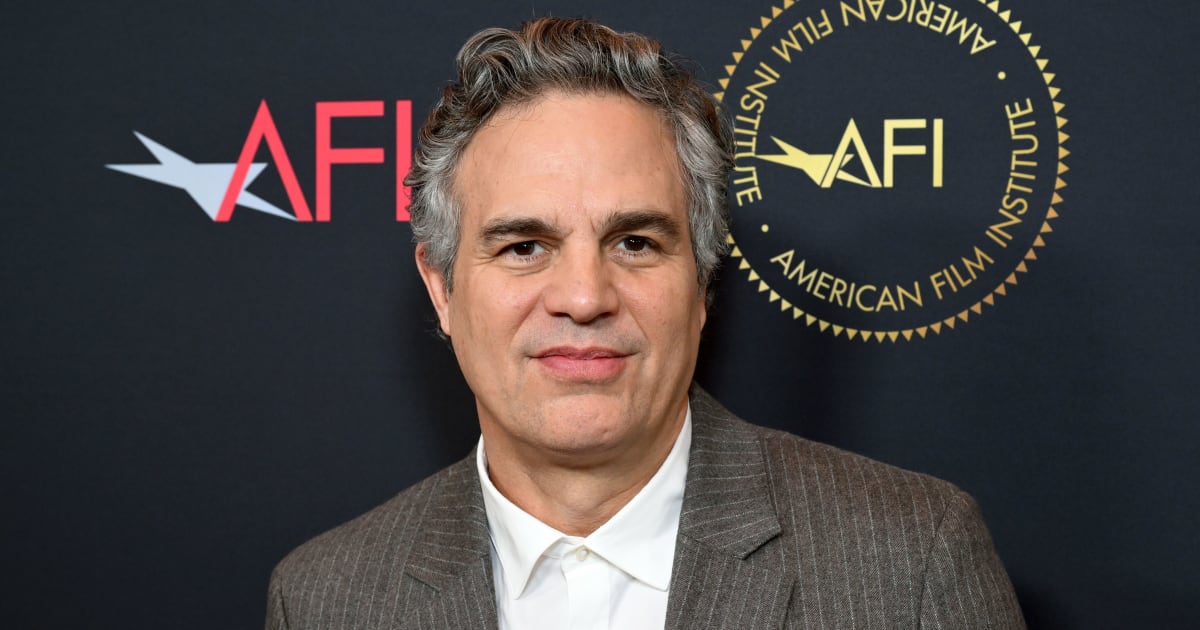
LOS ANGELE, CALIFORNIA: Actor and activist Mark Ruffalo pushed back against accusations that his criticism of the Ellison family's proposed Warner Bros. Discovery merger amounted to "antisemitism."
Responding to Paramount in a statement to Fox News Digital, Ruffalo called the accusation “appalling and fundamentally dishonest.” His comments followed a dispute over Oracle, the Israeli military and the proposed $111 billion deal.
The accusation that I am antisemitic is appalling and fundamentally dishonest. Criticizing the actions of the Israeli prime minister, a military technology contract, or the executives who supply it is not the same as criticizing Jewish people. This critical and necessary dialogue…
— Mark Ruffalo (@MarkRuffalo) 2026年8月22日
Paramount accuses Mark Ruffalo of using 'antisemitic' tropes
Ruffalo's remarks came after a Paramount spokesperson accused him of injecting “antisemitic tropes” into what the company described as a corporate dispute. The accusation followed his reposting of video remarks from Paramount board member Safra Catz.
Catz appeared to discuss the “really profoundly scary technologies” that Larry Ellison co-founded Oracle used to assist the Israeli military following the Hamas terrorist attacks of October 7, 2023. Ruffalo wrote of Oracle, “This is the company that Larry Ellison is using to fund his son David's Warner Bros acquisition.”
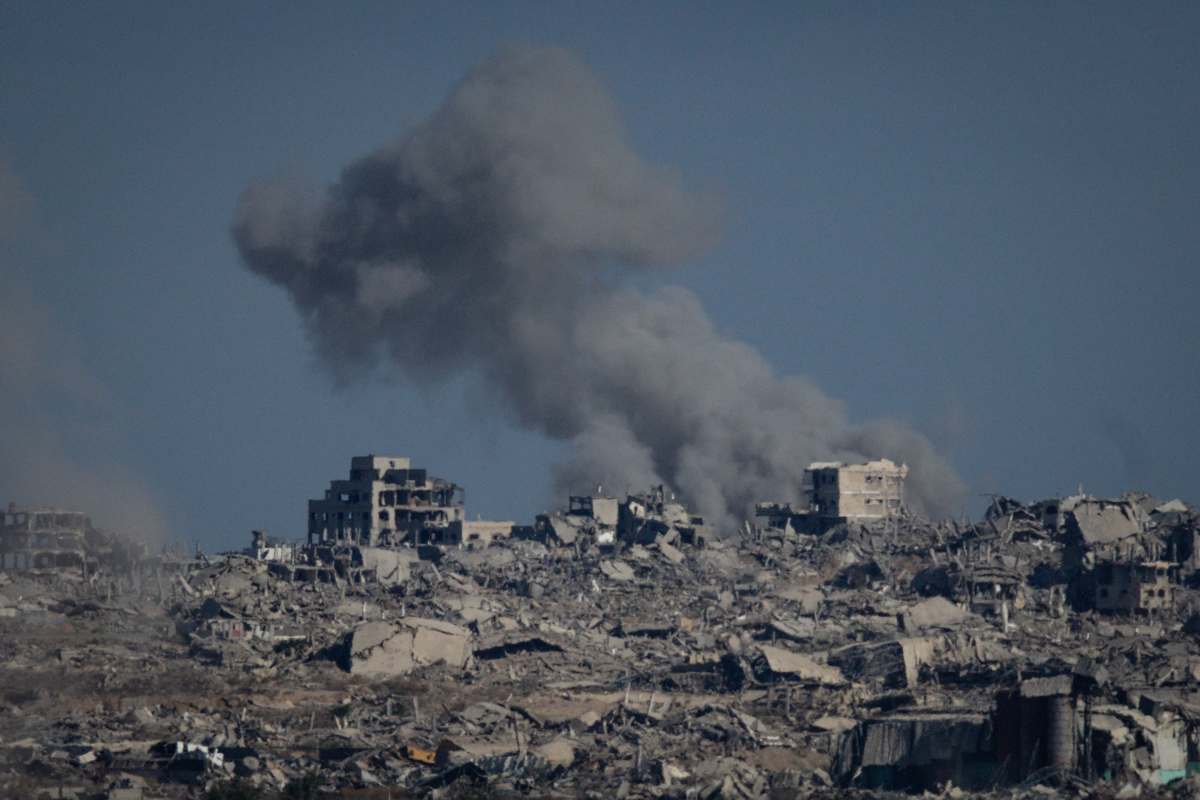
He added that the “really profoundly scary technologies” would “most likely be merged into one of the largest media conglomerates in the world and one day used on you.” He also accused Catz of reveling “in what we now have come to see as a genocide,” which he described as being “built on an apartheid system of oppression powered by Oracle.”
A Paramount spokesperson responded that the company was “troubled when antisemitic tropes are invoked in purported service of a business dispute,” according to Variety.
The spokesperson also argued that words such as “genocide” and “apartheid,” when applied to a corporate transaction, were “a bridge too far” and cheapened the “very real suffering” those words were meant to describe. Paramount added that it does not “tolerate prejudice of any kind, against anyone.”

Mark Ruffalo defends Warner Bros merger criticism
Ruffalo rejected the accusation, arguing that criticism of Israeli Prime Minister Benjamin Netanyahu, a military technology contract or executives who supply it should not be equated with criticism of Jewish people. He described the discussion as “critical and necessary” and argued that it was being “dishonestly framed as being anti-Israel.”
“To be clear, my views come from my own political convictions and should never be interpreted as hostility toward Jewish people, for whom I have deep love and respect,” he said. He added that his understanding of acting, activism and humanism had been “profoundly shaped” by Jewish friends, colleagues and loved ones who had been integral to his life.
Ruffalo also addressed what he described as the “real consequences” of the merger for people directly affected and for the country. He argued that scrutinizing the Ellisons, Oracle's business involving data, surveillance technology and government contracts, potential threats to editorial freedom and the loss of livelihoods for thousands of families was “fair and necessary.”
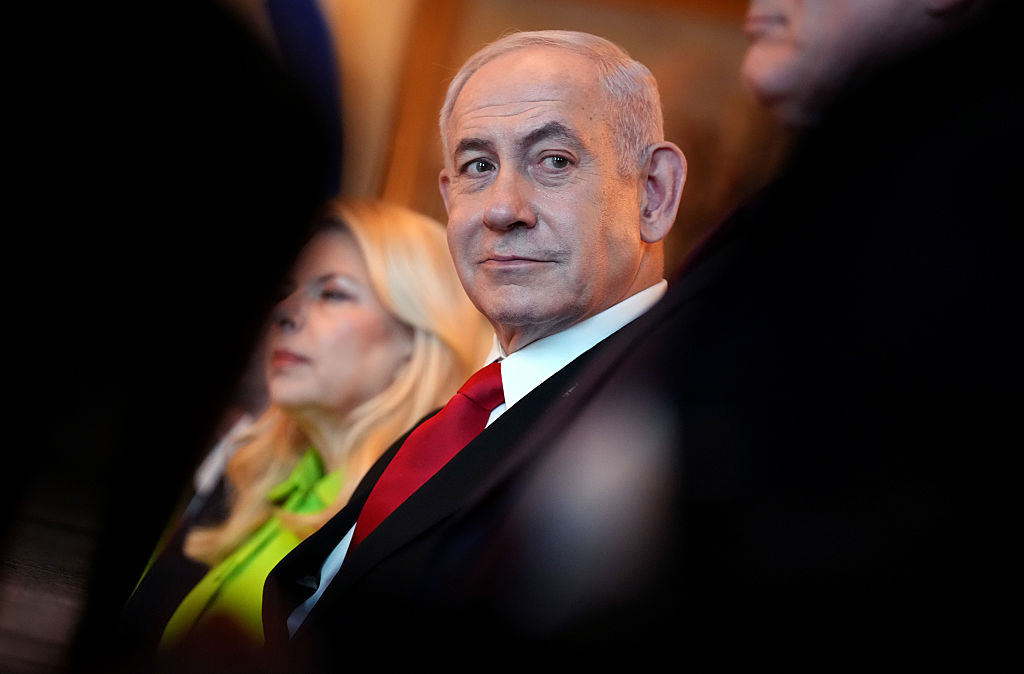
He pointed to the $111 billion deal as potentially giving one family control over CNN, HBO and Warner Bros., while also raising concerns about foreign money and its influence on editorial decisions. Ruffalo noted that lawmakers from both sides of the aisle had called for a serious national security review and argued that regulators had not given the public a real answer.
“Until they do, the merger shouldn't move forward,” he said, adding, “Now is the time to dive boldly into all these issues, not step back or concede.”
The potential merger is being challenged by a coalition of 12 state attorneys general. The companies have agreed not to close the deal until June 1, 2027, or until after a court decision on the states' claims, whichever comes first.