'Pay people back': More than 20 states sue Trump admin over 'illegal tariffs' after court setback
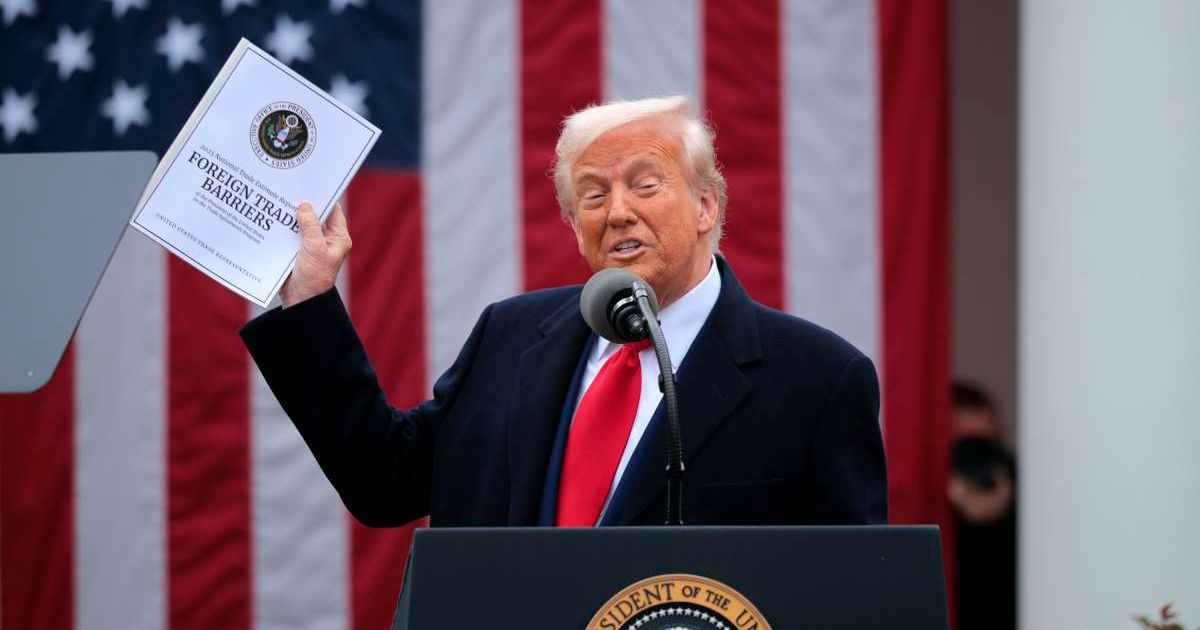
WASHINGTON, DC: More than 20 US states filed a lawsuit on Thursday, March 5, challenging new global tariffs imposed by President Donald Trump, arguing the administration was overstepping its legal authority after a recent defeat at the US Supreme Court.
The lawsuit targets Trump’s decision to impose tariffs of up to 15% on a wide range of imported goods from around the world. The new duties were introduced under Section 122 of the Trade Act of 1974, a provision that has never previously been used by a US president.
Democratic attorneys general and governors behind the suit argue that the administration is attempting to sidestep the court’s ruling by relying on a different legal authority to pursue essentially the same trade policy.

Lawsuit against Trump tariffs led by four key states
The legal challenge is being spearheaded by attorneys general from Oregon, Arizona, California and New York.
Officials from these states say that the tariffs could increase costs for governments, businesses, and consumers while creating economic uncertainty.
“The focus right now should be on paying people back, not doubling down on illegal tariffs,” said Dan Rayfield, the attorney general of Oregon.
The lawsuit comes just one day after a federal judge ruled that companies that had paid tariffs under Trump’s previous framework were entitled to refunds following the Supreme Court’s decision striking down those earlier duties.
Tariffs imposed after Supreme Court ruling
Trump introduced the new tariffs after the Supreme Court rejected a separate tariff program he had enacted last year under the International Emergency Economic Powers Act.
That law allows the president to regulate economic activity during national emergencies, but the court ruled that the administration had overstepped its authority in using it to impose sweeping tariffs on imports.
Within four days of the ruling on February 20, Trump shifted to Section 122 of the Trade Act of 1974, initially imposing 10% tariffs on foreign goods.
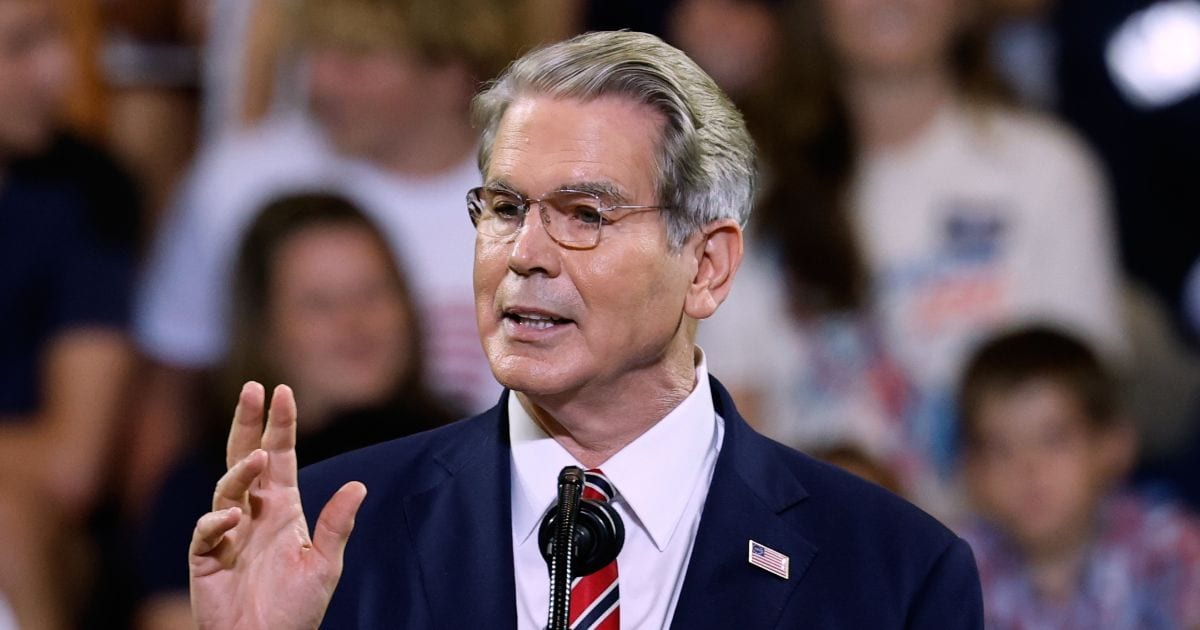
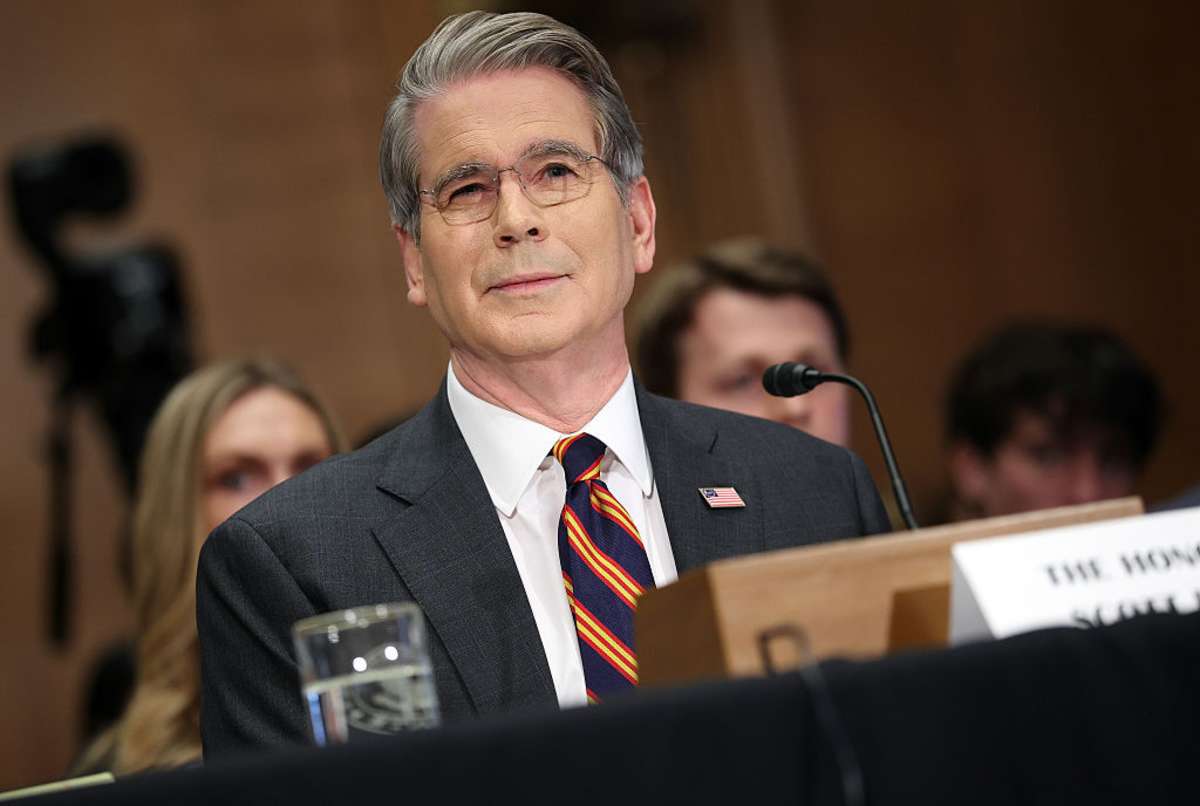
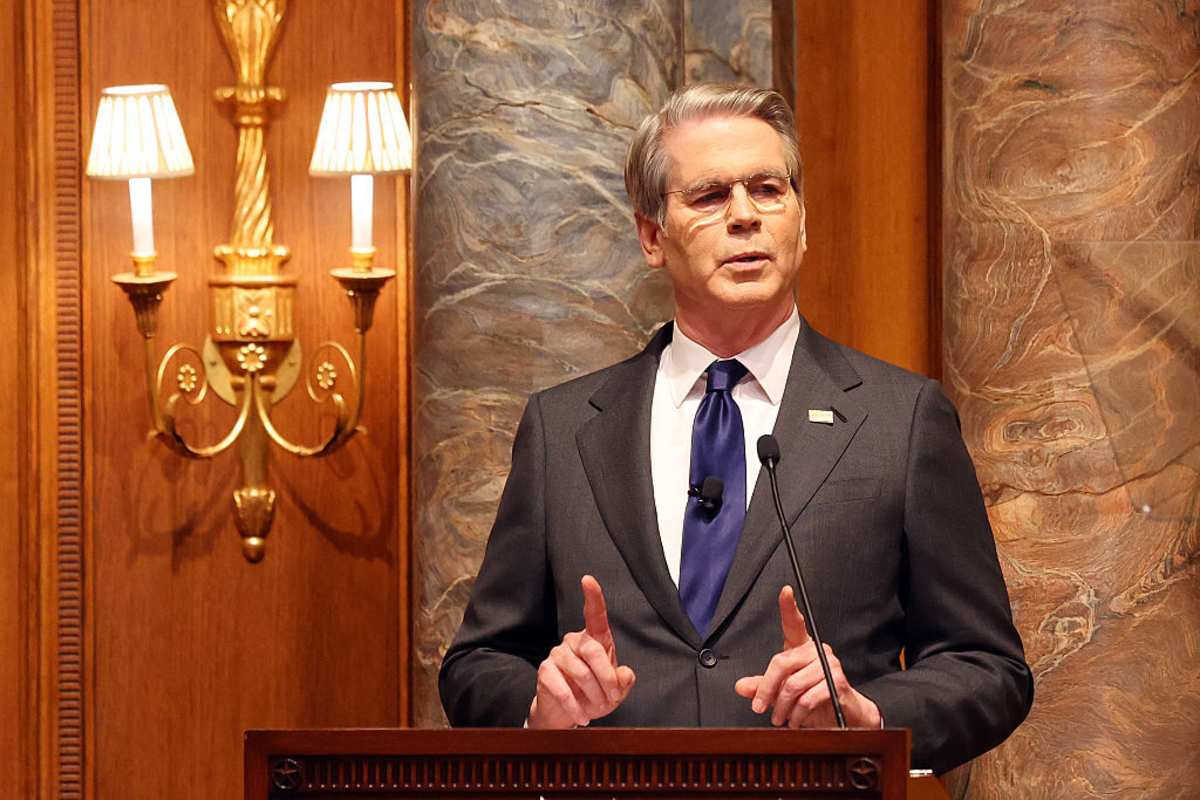
Scott Bessent, the US Treasury secretary, said in an interview with CNBC on Wednesday that the administration planned to increase those tariffs to the 15% maximum allowed under the law.
Trump has argued that the tariffs are necessary to address long-standing US trade deficits and to rebalance global trade relationships.
Section 122 permits the president to impose tariffs of up to 15% if the United States faces serious balance-of-payments problems or other international financial disruptions. However, the tariffs can remain in place for only five months unless Congress votes to extend them.
The states’ lawsuit argues that the provision was designed for narrow economic crises, not for broad trade actions aimed at reducing trade deficits.