Rep Mike Turner defends Trump's Iran plan, dismisses 'worry and stress' poll as anxiety grips public
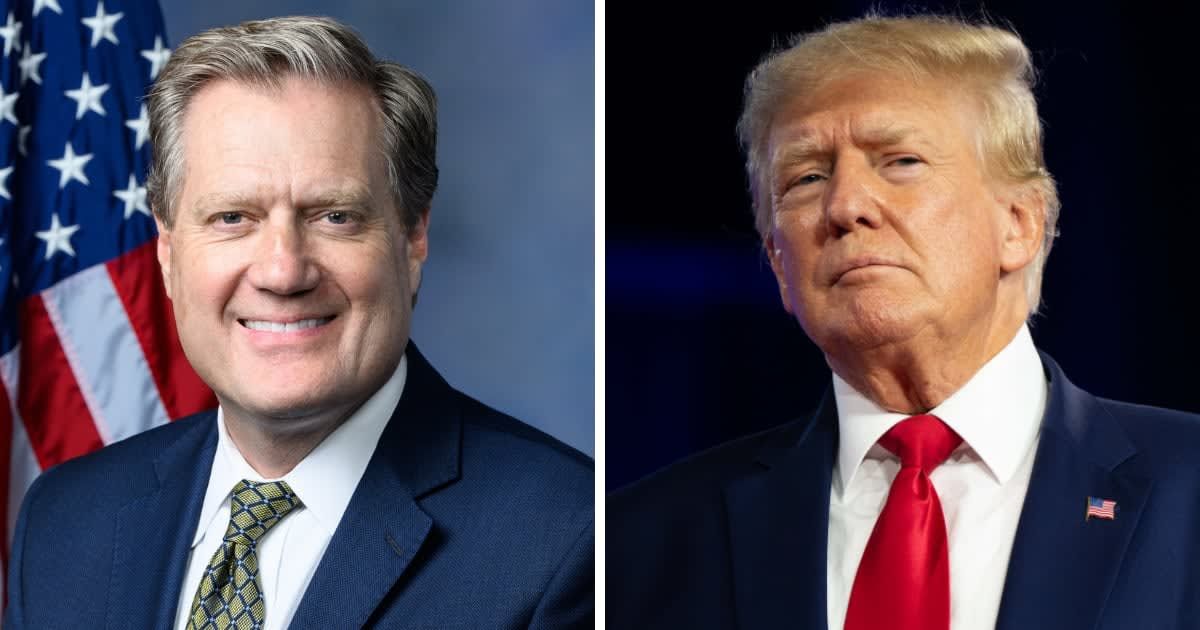
WASHINGTON, DC: Rep Mike Turner on Sunday, April 12, defended President Donald Trump’s handling of the ongoing Iran conflict, pushing back against a recent public opinion poll that highlighted widespread concern among Americans. Turner argued that negative sentiment is typical during active conflicts.
His remarks come as a recent survey indicated many Americans feel worried, stressed, and uncertain about US objectives in Iran. The debate unfolds amid continued tensions, ceasefire talks, and economic concerns linked to rising energy prices.
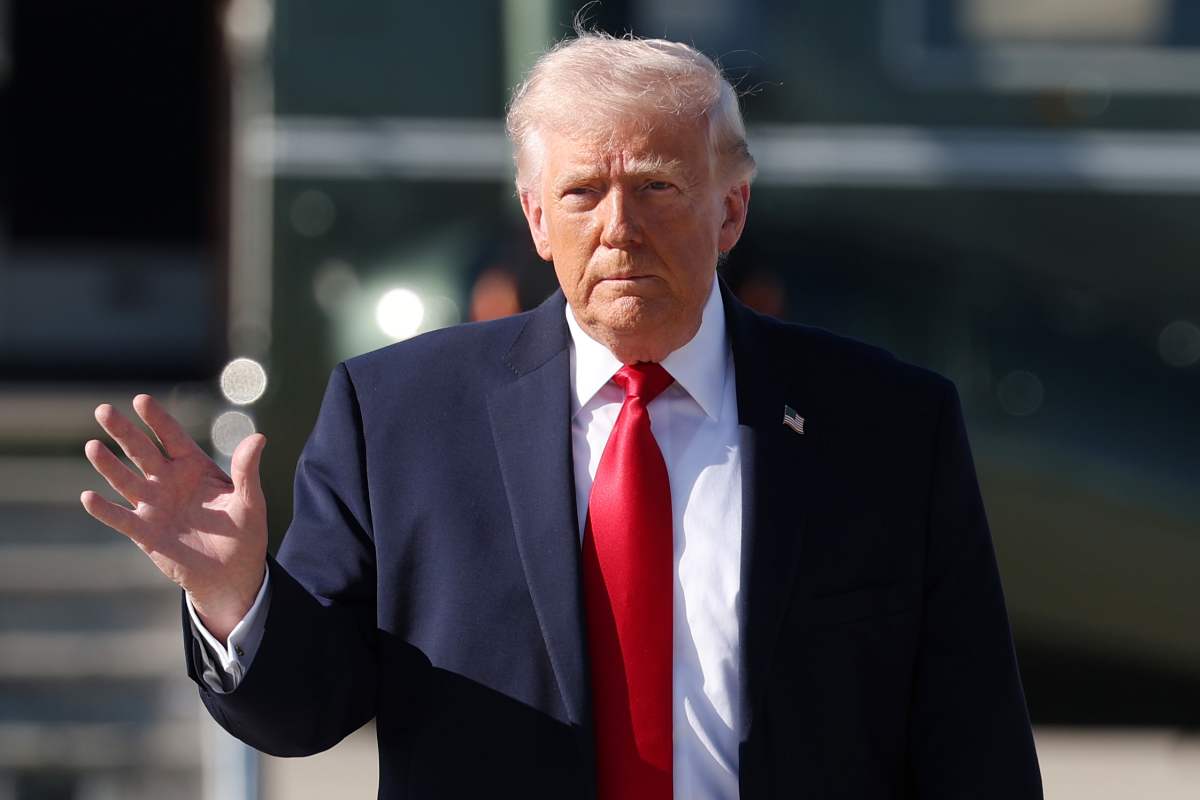
Mike Turner defends strategy to prevent Iran's nuclear capability
In an interview with CBS News, Turner dismissed the significance of public dissatisfaction reflected in the polling data, stating, “When there's a conflict occurring, no one says it's being handled well, because you have to go through the conflict.”
He framed the administration’s actions as focused on long-term security goals, adding, “The president has articulated, I think, very well, that this is about ensuring that Iran does not become a nuclear state, and no one is willing to trade lower gas prices for Iran becoming a nuclear state.”
When asked how he’s justifying the war in Iran to his constituents in Dayton, Ohio, Rep. Mike Turner (R-OH) says “no one is willing to trade lower gas prices for Iran becoming a nuclear state.”
— Face The Nation (@FaceTheNation) April 12, 2026
“When Vice President Vance stood at the podium and said that the negotiations had… pic.twitter.com/6GYW7chJi0
Turner also referenced comments from Vice President JD Vance regarding Iran’s position in negotiations.
He said Iran’s reluctance to commit to nuclear restrictions “should have sent a chill both through Europe and around the world.” Emphasizing the perceived threat, Turner stated, “This is a regime... that we cannot allow to have a nuclear weapon.”
Addressing the administration’s plan to blockade the Strait of Hormuz, Turner argued that such a move is necessary to maintain international access to a critical shipping route.
President Trump’s announcement Sunday morning that the U.S. Navy would be blockading the Strait of Hormuz was not briefed to Congress, according to Rep. Mike Turner (R-OH), who says “Iran should not be permitted to control the strait, and it’s not just a United States issue.”… pic.twitter.com/BNxEKvEbtK
— Face The Nation (@FaceTheNation) April 12, 2026
“Iran should not be permitted to control the strait,” he said. “Iran should not be permitted to just decide who gets through.”
He further called on US allies, including NATO partners, to play a greater role, stating that the issue should not be handled by the United States alone.
CBS poll shows Americans doubt progress in Iran conflict
Despite Turner’s defense, recent polling suggests a more cautious public outlook.
According to the CBS News survey, many Americans believe key US objectives in Iran, such as securing the Strait of Hormuz, halting Iran’s nuclear ambitions, and ensuring broader regional stability, have not yet been achieved.
In describing their feelings about the conflict with Iran as of late, more Americans are worried and stressed rather than feeling safe or confident, a new CBS News poll finds. @SalvantoCBS breaks down why. pic.twitter.com/WRL5eKI46i
— Face The Nation (@FaceTheNation) April 12, 2026
The poll found that Americans are more likely to describe their feelings about the conflict as “worry,” “stress,” and “anger” rather than confidence or reassurance.
A significant factor contributing to this sentiment is uncertainty over the administration’s broader strategy, with many respondents indicating they do not believe Trump has a clear plan for the conflict.
Public reaction to Trump’s recent statements on social media also appeared mixed.
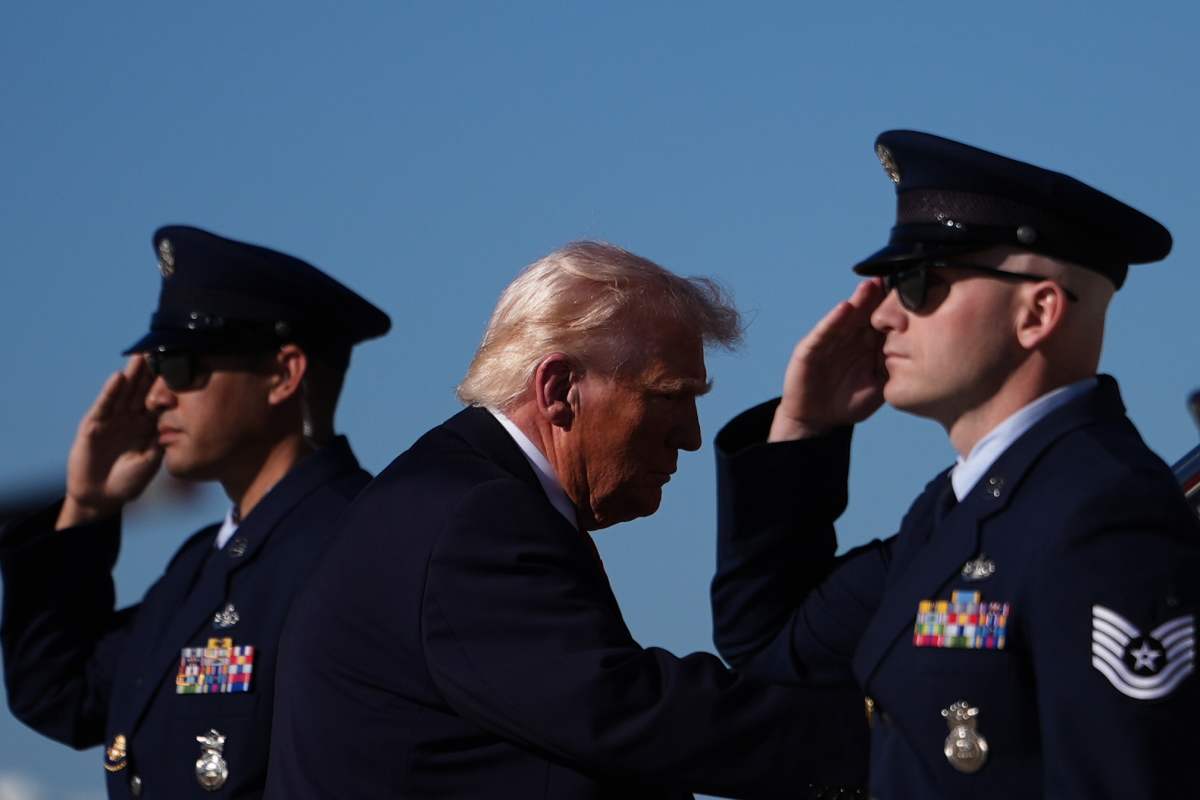
While a majority of Americans reported having seen or heard about the remarks, many expressed some level of disapproval.
The response varied across political lines, with stronger support among core Republican voters and more skepticism among independents and non-MAGA Republicans. Around 47% of respondents said they strongly disliked Trump’s recent online remarks about Iran.
Economic concerns, particularly rising fuel costs, continue to shape public opinion.
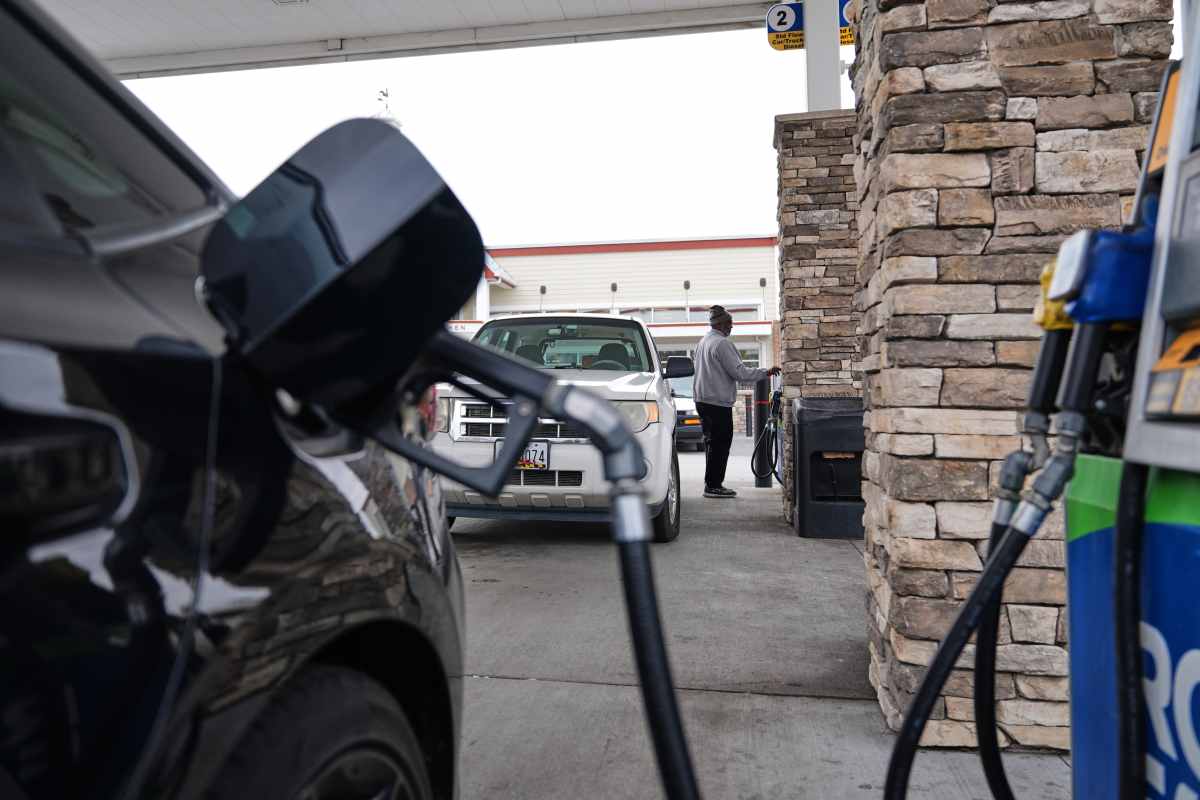
Gas prices have increased notably since the start of the conflict, influencing perceptions of both the economy and the administration’s handling of the situation.
Younger Americans, in particular, were found to give lower approval ratings to Trump’s approach to Iran. More than half of the respondents reported facing financial strain as rising oil prices continue to impact household expenses and broader economic conditions.