Rubio accuses Cuba of blocking $100M aid as Havana denies offer amid energy crisis
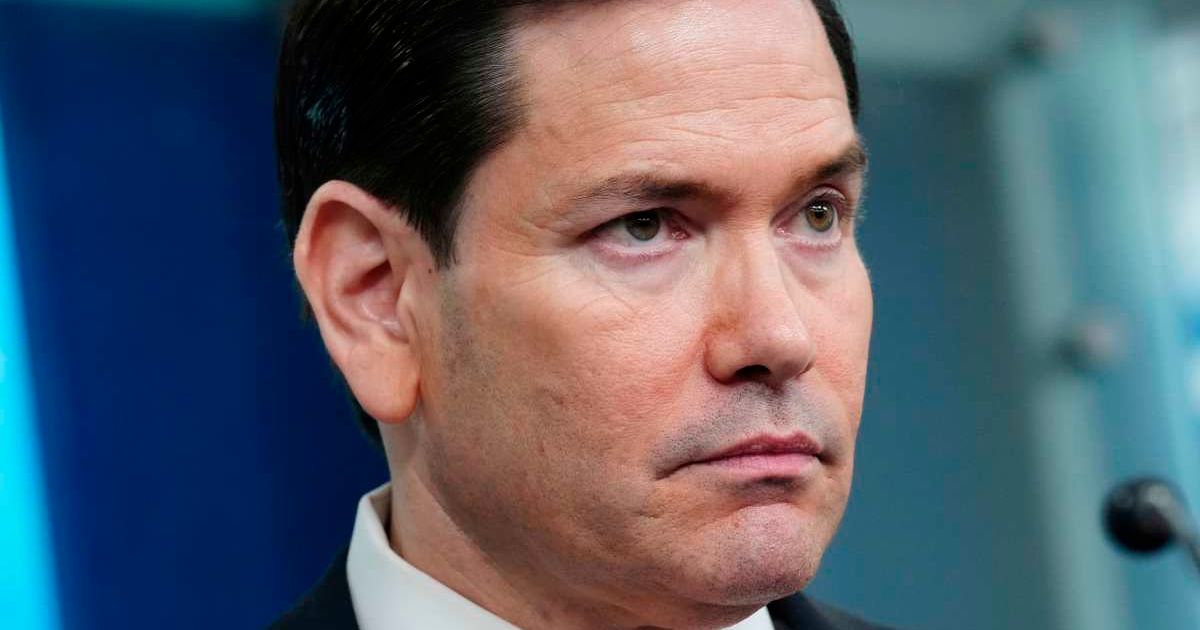
ROME, ITALY: Secretary of State Marco Rubio ignited a diplomatic firestorm on Friday, May 8, revealing that the Cuban government has officially rejected a $100 million humanitarian aid package offered by the United States.
Speaking to reporters in Italy following a high-level meeting at the Vatican with Pope Leo XIV, Rubio asserted that the American government is prepared to provide massive relief to the island’s suffering population, but the communist regime is actively "standing in the way" of its delivery.
SECRETARY RUBIO: We are not putting sanctions on the Cuban people. We are putting sanctions on the company that is stealing from the Cuban people to the benefit of a few regime insiders.
— Department of State (@StateDept) May 8, 2026
We’re going to be imposing more by the way. pic.twitter.com/0Brl6zcNdI
The revelation comes as Cuba grapples with an unprecedented "acute and persistent" humanitarian crisis.
Following the destruction of Hurricane Melissa last fall, the nation’s economy has been pushed to the brink by a prolonged fuel shortage, limited access to medication, and an electrical grid that has repeatedly disconnected.
While the US successfully distributed $6 million in aid through the nonprofit Caritas in February, Rubio indicated that the regime has refused to agree to the terms of the new, much larger $100 million offer.
Regime fabricates fable of aid denial
Havana was quick to retaliate against Rubio’s claims, with Foreign Affairs Minister Bruno Rodríguez Parrilla taking to social media to categorize the $100 million offer as a "fabrication."
Consciente de que necesita de la mentira para justificar su criminal atropello contra el pueblo cubano, el Secretario de Estado de #EEUU fabrica la fábula de un supuesto ofrecimiento de ayuda valorado en 100 o más millones de dólares, pretendiendo engañar al pueblo de #Cuba y a… pic.twitter.com/TBBCJaFHag
— Bruno Rodríguez P (@BrunoRguezP) May 8, 2026
Rodríguez Parrilla accused the Secretary of State of "mendacious" behavior, arguing that Rubio is lying to justify what he called a "criminal assault" against the Cuban people.
The Cuban minister further deflected the blame for the island’s worsening situation toward the billions of dollars lost due to the long-standing US economic embargo.
Despite these denials, Rubio insisted that the US remains committed to helping citizens hurt by what he termed an "incompetent regime" that has destroyed the local economy.
Military conglomerate targeted by new sanctions
The aid standoff is occurring alongside a significant ramp-up in American economic pressure.
On Thursday, the State Department imposed fresh sanctions against three entities, including GAESA, an umbrella enterprise controlled by the Cuban military.
.@SecRubio educates the Fake News: "Our sanctions are against a company named GAESA. This is a holding company set up by generals in Cuba that has generated billions... Not once cent of it benefits the Cuban people." pic.twitter.com/Xtees2AV6l
— Rapid Response 47 (@RapidResponse47) May 8, 2026
Rubio defended the move, explaining that GAESA operates as a private company with more wealth than the Cuban government itself, yet none of its resources are used to provide infrastructure or food for the citizenry.
"It’s a sanction against this company that is stealing from the Cuban people to the benefit of a few," Rubio stated, suggesting that further punitive measures are currently being prepared.
Oil embargo fuels persistent island crisis
The humanitarian situation has been exacerbated by a strict oil embargo placed on Cuba by the Trump administration in January.
This move followed the US military operation in Venezuela and the subsequent capture of former leader Nicolás Maduro.
A United Nations report released in April confirmed that sufficient fuel has not reached the island in three months, despite reports of occasional Russian shipments.
While the US embargo contains exceptions for disaster response and humanitarian goods like food and medicine, the lack of fuel has significantly slowed the distribution of essential supplies, leaving the population in a desperate state of limited water and medication access.