Scalise refuses to rule out Iran ground invasion amid escalating tensions
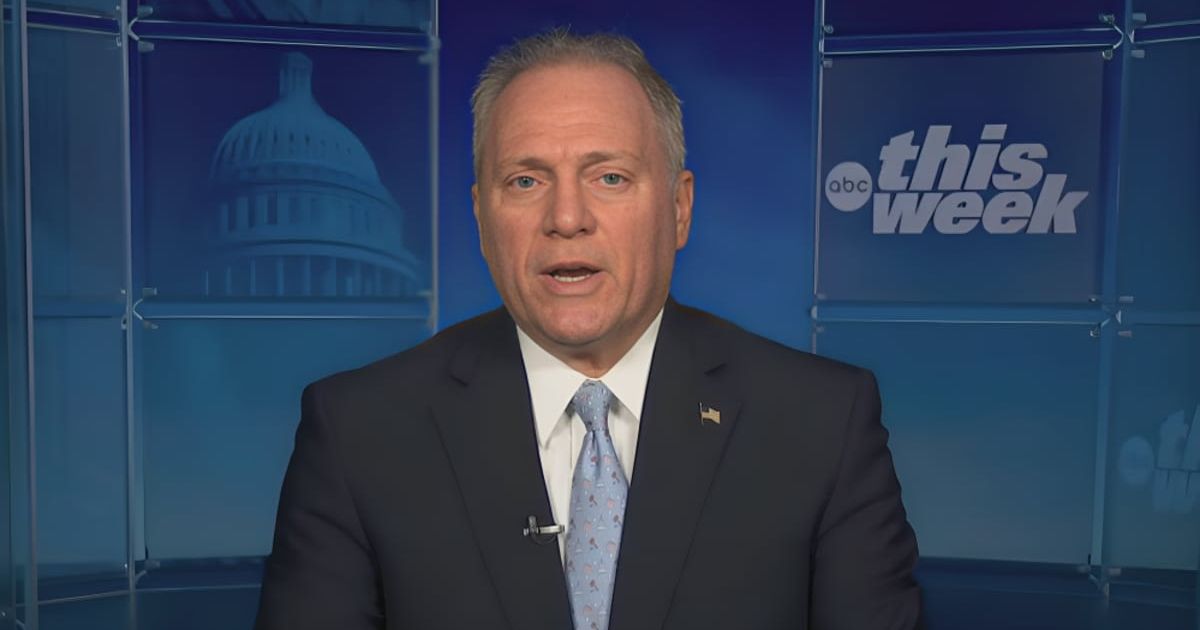
WASHINGTON, DC: House Majority Leader Steve Scalise said on Sunday, March 29, that the United States has not deployed ground troops to Iran but confirmed that discussions are underway about possible next steps in the ongoing military campaign.
Speaking on ABC News’ “This Week,” Scalise said “there are no boots on the ground today,” while acknowledging that options, including ground operations, are being evaluated as the conflict continues.
The war, which began with joint US-Israeli strikes on February 28, has entered its fifth week. US operations have primarily relied on air and missile strikes, with officials stating that thousands of targets have been hit.
The recent arrival of additional US forces, including Marines deployed aboard the USS Tripoli, has expanded the range of available military options in the region.
When asked by @JonKarl if Republicans would support President Trump if he decided to put American troops on the ground in Iran, House Majority Leader Steve Scalise said, “We’re not at that point yet … Until that day comes, I’m not going to speculate.” https://t.co/KUWffaXAq5 pic.twitter.com/Tqh80VSREJ
— This Week (@ThisWeekABC) March 29, 2026
Scalise said the administration’s objective remains preventing Iran from developing nuclear weapons, adding that discussions about future actions are ongoing within the national security framework.
Constitutional clash over war authorization
The possibility of expanding the conflict has intensified debate in Congress over the President’s war powers.
Several lawmakers, including Senator John Kennedy, have called for formal congressional authorization before any decision to deploy ground forces.
Kennedy and others have argued that a larger military escalation should involve a clear legislative mandate, particularly if it includes a sustained ground presence.
The administration has not sought a formal Authorization for Use of Military Force (AUMF) specific to the current conflict.
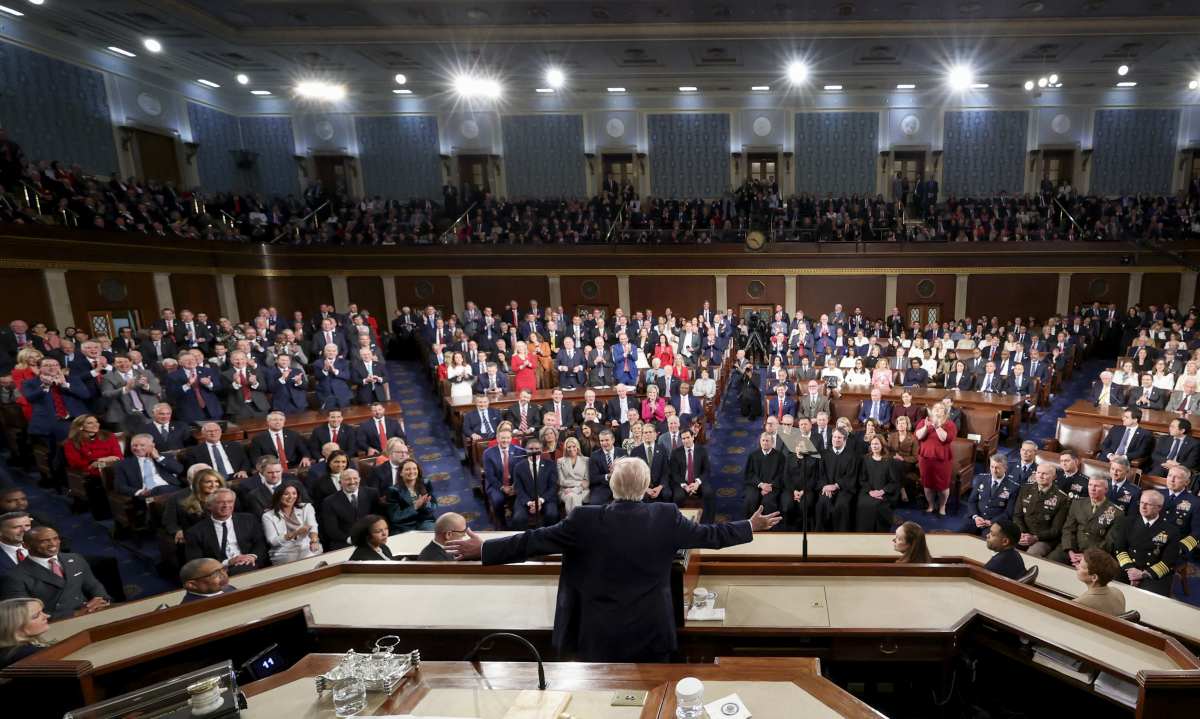
Scalise responded by noting that congressional leaders have received classified briefings, including sessions involving senior intelligence officials. He said the administration has engaged with Congress through these channels, though formal authorization has not been requested.
The issue remains under discussion on Capitol Hill, with lawmakers divided over the scope of executive authority in the current situation.
Troop movements and regional basing
US military activity in the Middle East has increased in recent weeks, with additional personnel and assets deployed across multiple locations.
Scalise referenced ongoing troop movements, noting that the United States maintains a network of bases in the region that support operational flexibility.

Defense officials have not publicly detailed specific deployment plans but have confirmed that forces are positioned to respond to a range of contingencies.
The presence of amphibious units and airborne forces has added to the military’s ability to conduct different types of operations if required.
Iranian officials have issued warnings in response to the buildup, though no direct engagement involving US ground forces has been reported.
Scalise declined to comment on internal discussions within his party regarding support for a potential ground operation, stating that decisions have not reached that stage.
Negotiations held behind closed doors
Diplomatic efforts continue alongside military operations, though details remain limited.
President Donald Trump has made public statements outlining conditions for ending hostilities, while administration officials have indicated that negotiations are also being pursued through less visible channels.
Scalise said that sensitive discussions are not being conducted publicly, noting that strategic decisions are handled through established diplomatic and security processes.
He did not confirm whether ground operations are part of ongoing negotiations.