Tribal leaders assert 'We are not aliens' after ICE arrests of Native Americans in Minnesota
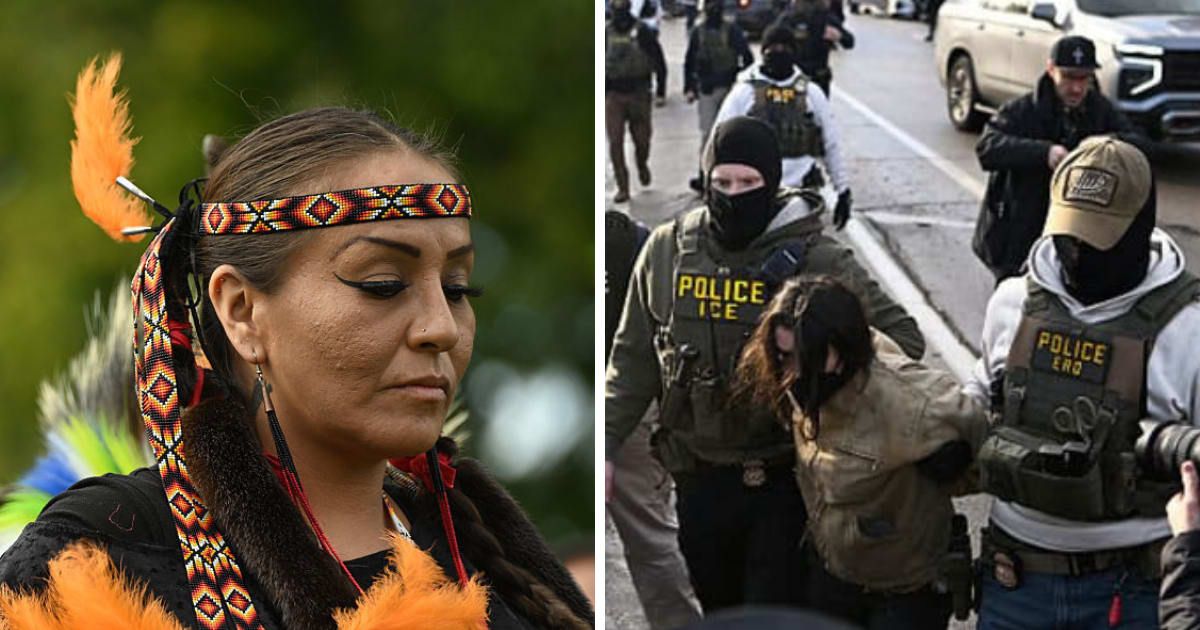
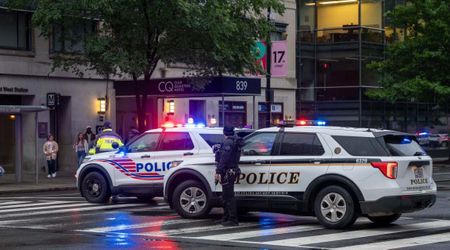
MINNEAPOLIS, MINNESOTA: Federal immigration enforcement in Minnesota has raised alarm among Indigenous leaders after reports that members of Native American tribes were stopped and detained by US Immigration and Customs Enforcement (ICE). Tribal representatives say these actions violate treaties, federal law, and constitutional protections for tribal citizens.
The arrests have sparked widespread condemnation from tribal leaders, lawmakers, and Indigenous rights advocates, who emphasize that Native Americans hold US citizenship through treaties and cannot be treated as undocumented immigrants.
Tribal leaders condemn ICE detention of Native Americans
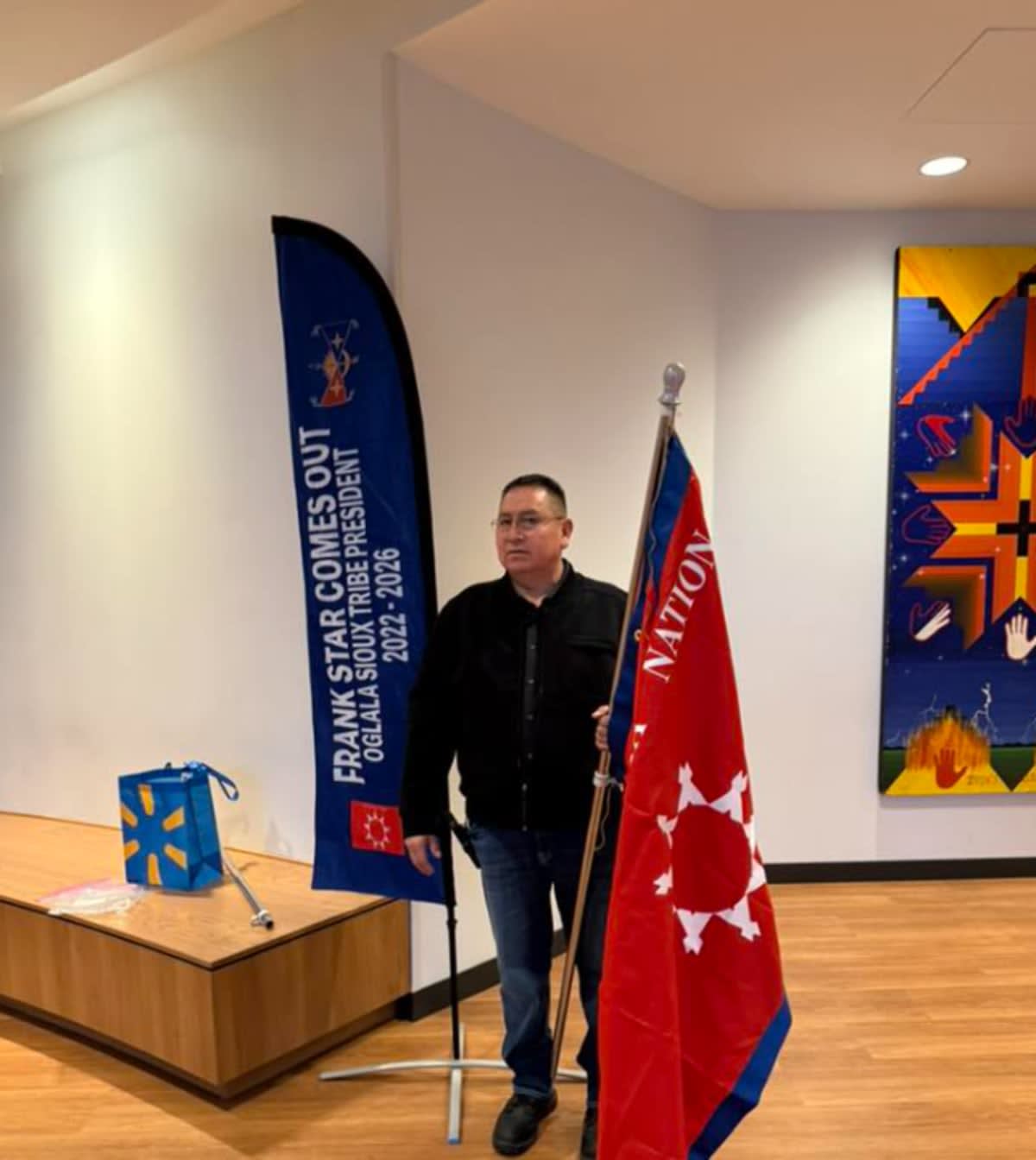
Oglala Sioux Tribe President Frank Star Comes Out reported that four members of the tribe were detained during recent ICE operations. Tribal officials stressed that the individuals are US citizens and “categorically outside immigration jurisdiction.”
Star Comes Out said that when the tribe sought information about the arrests, federal officials told them that details would only be shared if the tribe entered an immigration agreement with ICE and the Department of Homeland Security. Three of the detained tribal members remained in federal custody near Minneapolis at the Fort Snelling facility, while one had been released at the time of reporting.
In a separate incident last week, a 20-year-old member of the Red Lake Nation, Jose Roberto “Beto” Ramirez, was briefly detained after being forcibly removed from his aunt’s vehicle by masked officers. Video footage of the incident circulated online, raising further concerns among Indigenous communities.
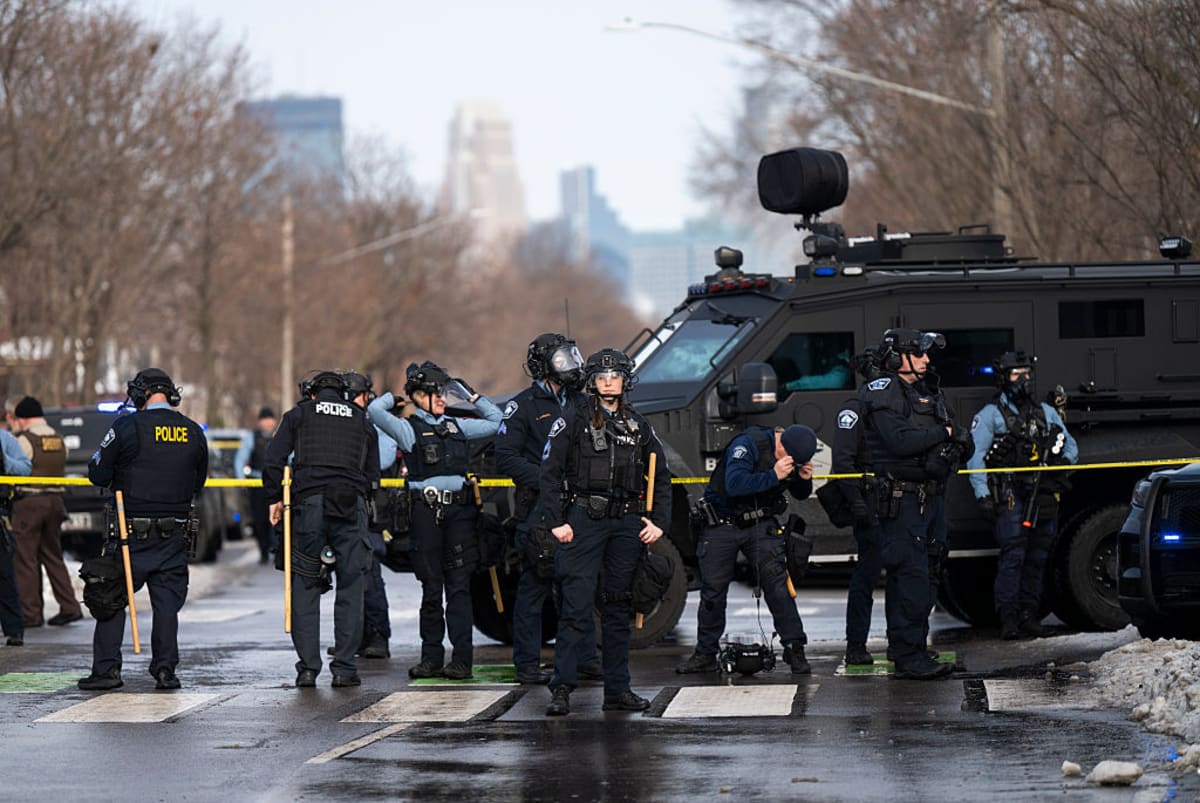
Lawmakers and Indigenous officials criticize ICE enforcement tactics
Minnesota Lieutenant Governor Peggy Flanagan, a member of the White Earth Nation, condemned the arrests, stating, “Native people have been here since time immemorial — there’s no one that has been a citizen of this country longer than us.” She also criticized the apparent racial profiling of tribal members, calling it “disgraceful.”
The Oglala Sioux Tribe sent letters to federal officials highlighting that these arrests violated treaties, federal law, and constitutional protections. DHS and ICE officials maintained that enforcement actions were “targeted,” but tribal leaders and witnesses say many stops appeared indiscriminate, including of US citizens clearly identifiable as Native Americans.
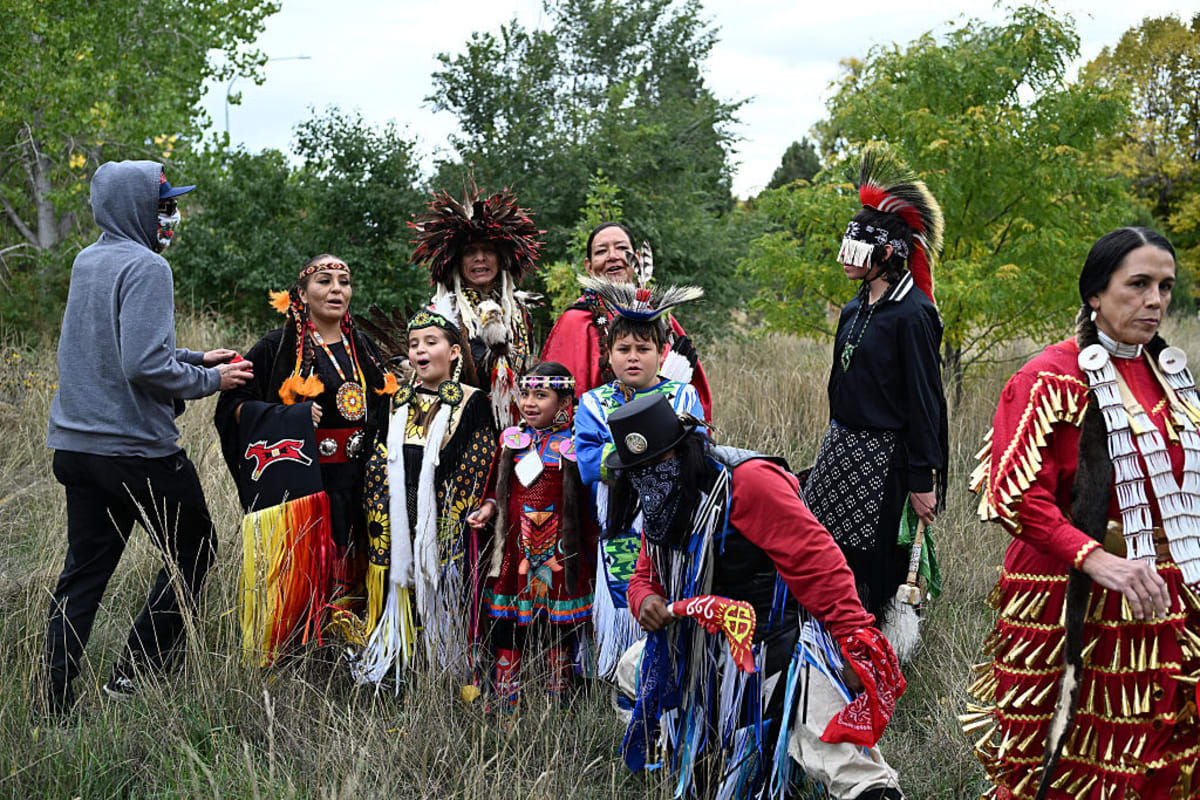
State lawmakers and members of the Minnesota Native American Caucus also voiced strong objections. They emphasized that Native Americans are the original inhabitants of the land and that there is no legal or moral basis to treat them as undocumented immigrants.
These incidents have intensified tensions between federal authorities and tribal communities, prompting calls for greater adherence to treaty obligations and stronger safeguards for Indigenous citizens.