Trump claims Netanyahu paused Beirut push after call as Hezbollah stops firing
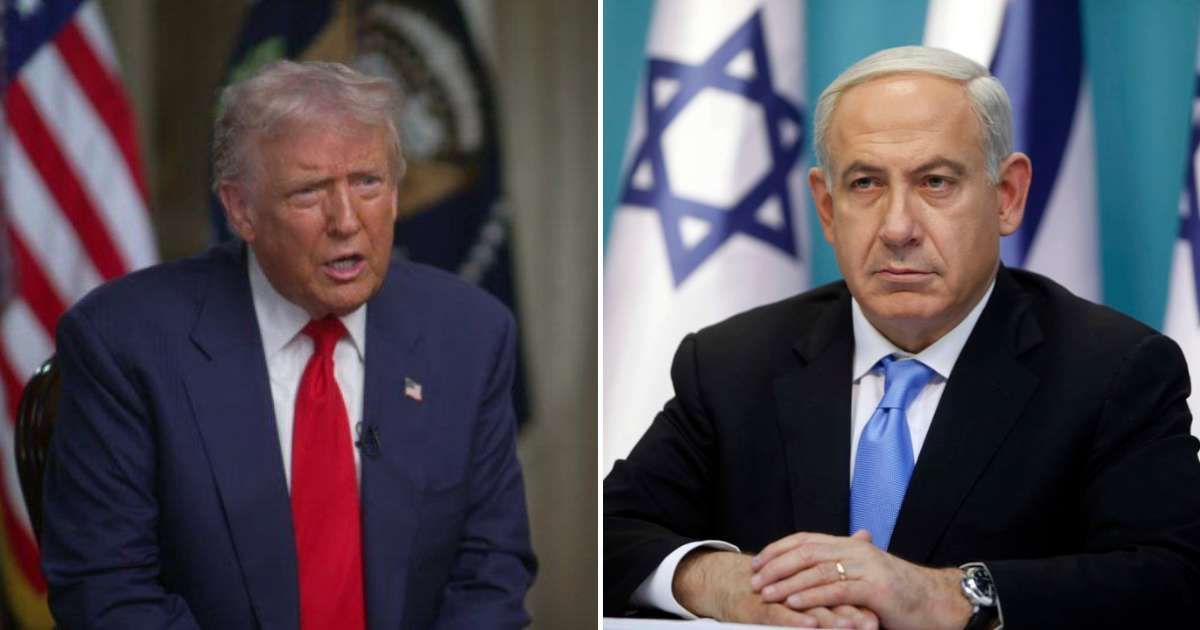
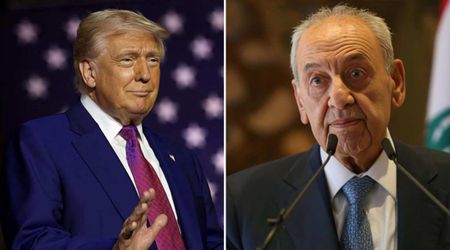
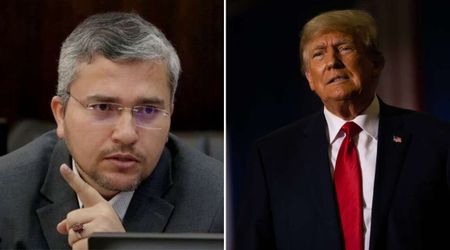
WASHINGTON, DC: President Donald J Trump claimed Monday, June 1, that a potentially explosive escalation between Israel and Hezbollah was halted following direct intervention from his administration, with Israeli troops reportedly ordered away from Beirut and Hezbollah agreeing to stop its attacks.
The development comes after fears that renewed fighting in Lebanon could derail ongoing efforts to secure a broader diplomatic breakthrough involving Iran.
"I had a very productive call with Prime Minister Bibi Netanyahu, of Israel, and there will be no Troops going to Beirut... I had a very good call with Hezbollah, and they agreed that all shooting will stop." - President Donald J. Trump 🇺🇸 pic.twitter.com/DJhysrmVnO
— The White House (@WhiteHouse) June 1, 2026
In a post on Truth Social, Trump said he held what he described as a productive conversation with Israeli Prime Minister Benjamin Netanyahu, after Israel had ordered strikes on the southern suburbs of Beirut and directed forces to move deeper into Lebanon following Hezbollah rocket attacks on northern Israel.
“I had a very productive call with Prime Minister Bibi Netanyahu, of Israel, and there will be no Troops going to Beirut, and any Troops that are on their way, have already been turned back,” Trump wrote.
Trump steps in amid tensions
Trump also claimed progress was made through separate communications with Hezbollah representatives.
“Likewise, through highly placed Representatives, I had a very good call with Hezbollah, and they agreed that all shooting will stop — That Israel will not attack them, and they will not attack Israel,” he wrote.
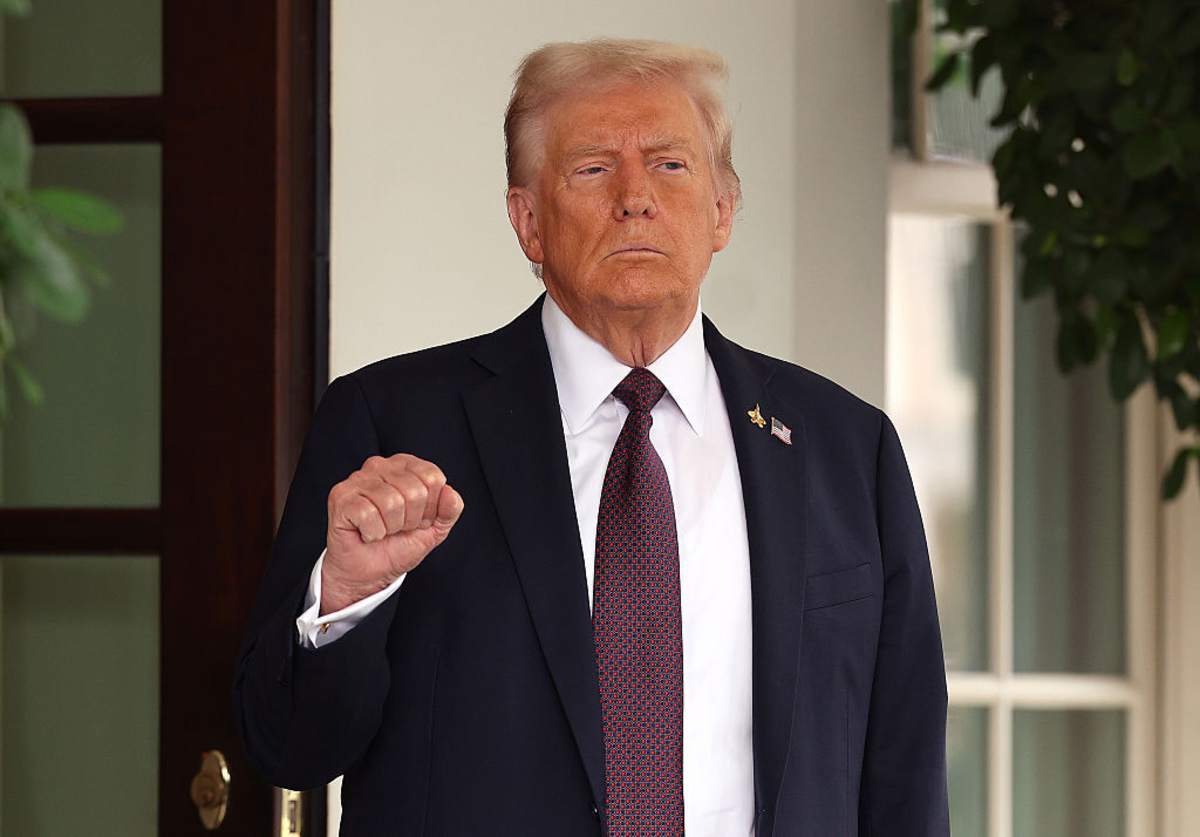
The remarks suggest a sudden pullback from what had appeared to be a rapidly escalating confrontation between Israel and the Iran-backed Lebanese group.
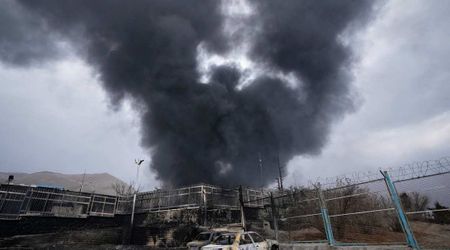
Earlier Monday, Israeli military actions in Lebanon had raised concerns across the region, with observers warning that expanded operations around Beirut could trigger a broader conflict and complicate ongoing diplomatic efforts involving Tehran.
The latest developments are likely to be closely watched by regional governments seeking to prevent another major front from opening in the Middle East.
Iran talks face fresh uncertainty
The Lebanon crisis had already begun spilling into wider negotiations involving Iran.
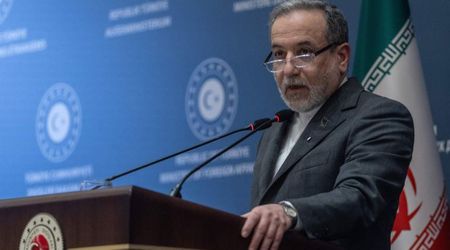
Senior Iranian officials accused Washington of failing to uphold ceasefire commitments because of Israel's military actions in Lebanon.
The naval blockade and escalation of war crimes in Lebanon by the genocidal Zionist regime are clear evidence of U.S. noncompliance with the ceasefire.
— محمدباقر قالیباف | MB Ghalibaf (@mb_ghalibaf) June 1, 2026
Every choice has a price, and the bill comes due. It will all fall into place.
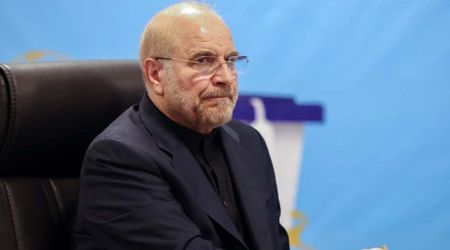
“The naval blockade and escalation of war crimes in Lebanon by the genocidal Zionist regime are clear evidence of U.S. noncompliance with the ceasefire,” Iranian Parliament Speaker Mohammad-Bagher Ghalibaf wrote on X.
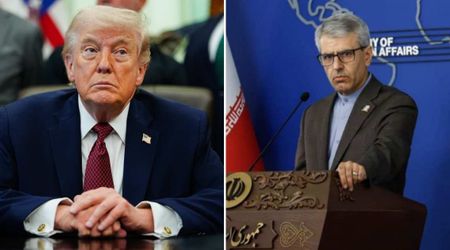
Iran's semi-official Tasnim news agency also reported Monday that Tehran's negotiating team had stopped exchanging messages with the United States through mediators in response to Israeli strikes in Lebanon.
However, Trump said during an interview with NBC News that he had not been informed of any suspension in negotiations.
Trump: ‘Talks are continuing, at a rapid pace, with the Islamic Republic of Iran. Thank you for your attention to this matter! President DONALD J. TRUMP’ pic.twitter.com/wRa9VQXt3C
— Open Source Intel (@Osint613) June 1, 2026
In a separate Truth Social post, the president maintained that discussions with Iran were continuing “at a rapid pace,” signaling that the White House still views diplomacy as active despite reports of a negotiating freeze.
The competing messages underscore how developments in Lebanon have become closely intertwined with wider efforts to prevent a broader regional confrontation.