Trump explores global denuclearization with Xi and warns Iran bombing could restart
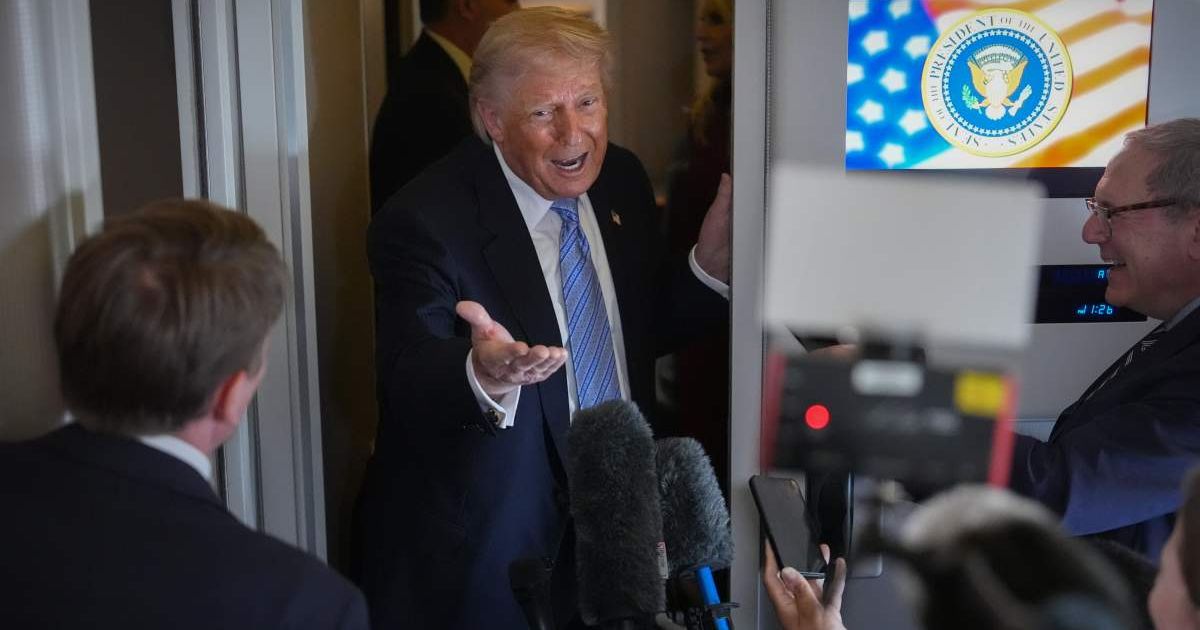
ABOARD AIR FORCE ONE: President Donald J Trump concluded his high-stakes summit in Beijing by revealing that he has opened a major new front in global diplomacy: a three-way discussion on denuclearization involving the United States, China, and Russia.
Speaking to reporters during a press gaggle on the flight home on Friday, May 15, the president indicated that he is moving beyond regional conflicts to address the world’s nuclear stockpiles directly with his counterparts in Moscow and Beijing.
The revelation comes at a critical juncture for the administration. While the US has historically engaged in bilateral arms control with Russia, most notably through the now-strained 'New START' treaty, the inclusion of China marks a significant shift in American strategy.
China has long resisted formal arms control limits as it modernizes its own arsenal. However, Trump told the traveling press pool that the topic was a priority during his meetings.
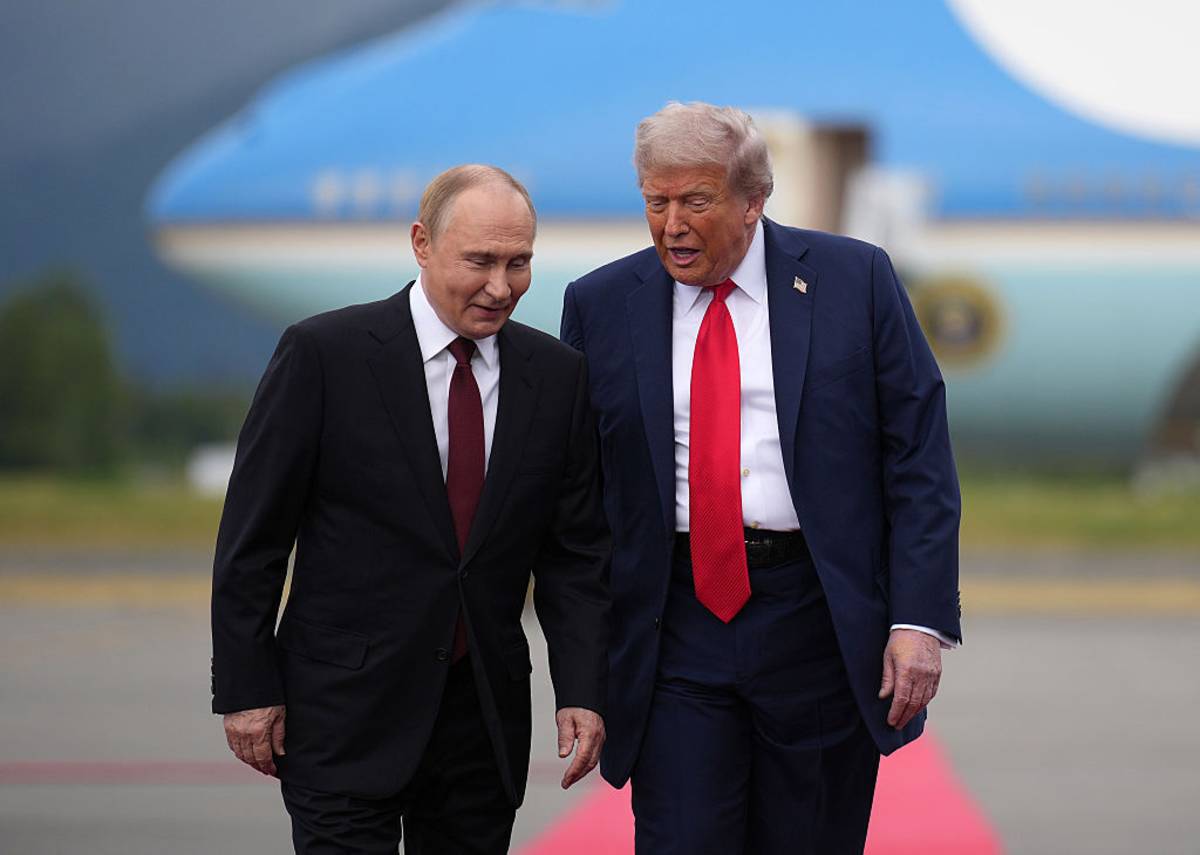
"We brought it up — denuclearization," Trump said. "I talk about it all the time with Russia and with China, and it did come up. We did discuss that." Though he refrained from providing specific technical details or timelines, he noted a "very positive response at the beginning" of the dialogue.
Iran peace proposal rejected over nuclear terms
While the president expressed optimism regarding big-power diplomacy, his assessment of the ongoing conflict with Iran was far more blunt. Trump confirmed that he has reviewed Tehran’s latest proposal for peace but dismissed it almost immediately due to a lack of ironclad nuclear safeguards.
Describing his process for reviewing the document, the president stated, “I looked at it, and if I don’t like the first sentence, I just throw it away.”
Q: "Have you rejected the latest proposal from Iran?"
— The Bulwark (@BulwarkOnline) May 15, 2026
Trump: "I looked at it and if I don't like the first sentence I throw it away."
Q: "What was the first sentence?"
Trump: "An unacceptable sentence." pic.twitter.com/dXmkMuBFdx
In his estimation, the nuclear guarantees offered by the Iranian regime were simply "not enough." The rejection puts the current ceasefire on shaky ground, as the president refused to rule out a return to kinetic operations.
When pressed on the possibility of restarting the bombing campaign that defined the earlier stages of the war, Trump was careful not to reveal his tactical hand.
“I’d like to say on a certain hour, a certain day, the bombing is going to start. I don’t want to say that,” he told reporters.
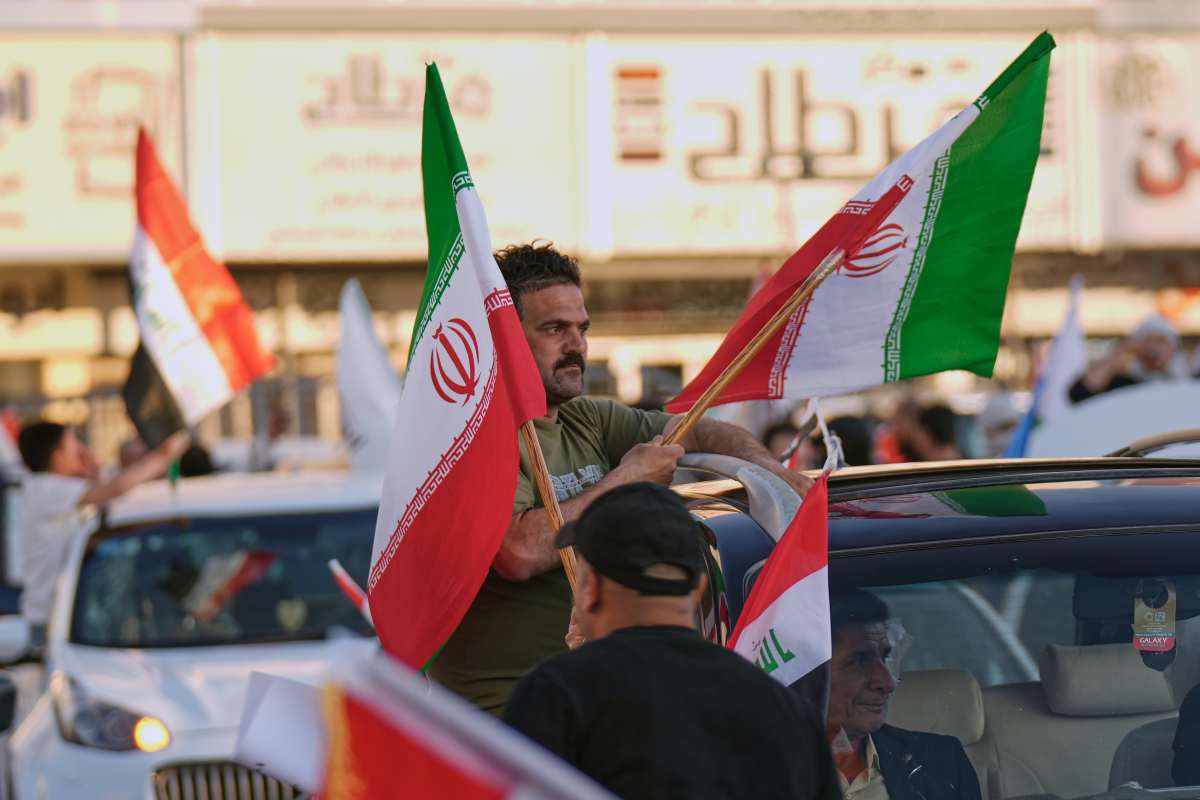
He concluded the topic with a vow of "very, very strong conviction" that Iran would never be permitted to possess a nuclear weapon.
Trade truce remains intact without discussion
Surprisingly, the president revealed that the two most contentious issues in the US-China relationship, trade tariffs and the semiconductor industry, were not on the agenda during his face-to-face meetings with President Xi Jinping.
Despite the year-long truce on tariffs currently in place, Trump said he felt no need to negotiate the matter further.
President Trump on Tariffs: 🇺🇸🇨🇳 They're paying tariffs. They're paying substantial tariffs, but we didn't discuss. You know, before I came along, it was the opposite. pic.twitter.com/2x5VyVBhtE
— Donald J Trump Posts TruthSocial (@TruthTrumpPost) May 15, 2026
"We didn’t discuss tariffs. They’re paying tariffs, they’re paying substantial tariffs, but we didn’t discuss," he said, adding that before his administration, the trade dynamic was the "opposite."
The omission of computer chips from the summit was equally unexpected, given the global shortage and national security implications surrounding high-end silicon. When asked if the topic was broached, the president simply replied, "It didn't come up."
🇺🇸🇨🇳 Reporter: Did the Nvidia H200 advanced AI computer chips come up with China?
— RusWar (@ruswar) May 15, 2026
Trump: It didn't come up... They have a much higher level than H200... China needs it, and so yeah, it came up.
Reporter: They haven’t bought it so far?
Trump: No, because they choose not to… pic.twitter.com/PKfbYlzvUM
Instead, the economic focus of the trip appears to have centered on traditional commodities.
Trump told the press that China has committed to purchasing "billions of dollars of soybeans" from American farmers, a move likely intended to stabilize domestic support in the agricultural sector as the administration maintains its hardline tariff stance.