Trump eyes Venezuela statehood after Maduro’s capture, acting leader defends sovereignty
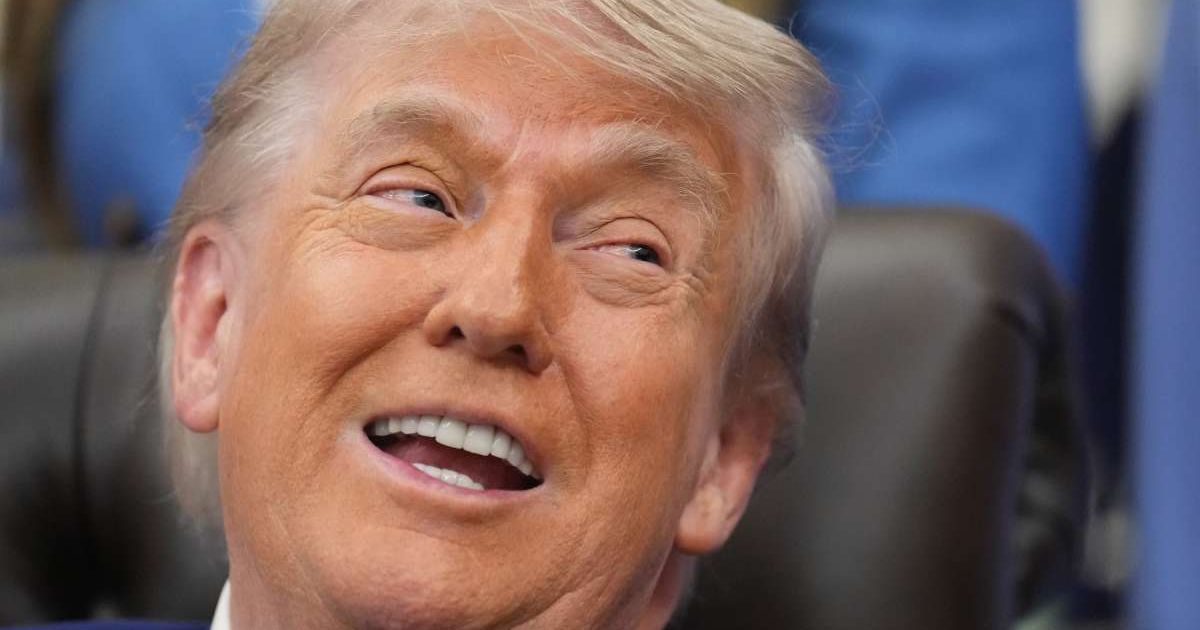
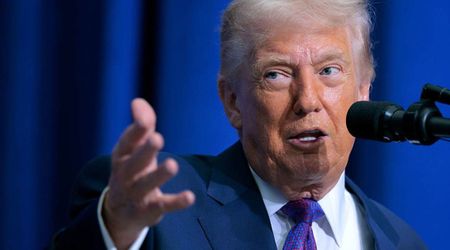
WASHINGTON, DC: President Donald Trump has ignited a global diplomatic firestorm by declaring he is "seriously considering making Venezuela the 51st state."
The announcement follows the high-profile military abduction of Nicolas Maduro by US forces in January, an operation codenamed "absolute resolve" that resulted in Maduro's imprisonment in New York.
Speaking to Fox News on Monday, May 11, Trump boasted that "Venezuela loves Trump" and pointed to the nation's estimated $40 trillion in oil reserves as a primary motivation for potential annexation.
NEW: President Trump tells @FoxNews colleague @johnrobertsFox in a phone call just now that he is “seriously considering making Venezuela the 51st US state”, adding that there is $40 trillion in oil there and “Venezuela loves Trump”.
— Bill Melugin (@BillMelugin_) May 11, 2026
The President’s comments mark a radical shift in a second-term foreign policy that has already seen the US take direct control of Venezuelan assets.
Trump previously mocked Maduro on social media, declaring himself the new president of Venezuela, and has since moved to personally oversee the sale of millions of barrels of "sanctioned oil."
He claims this revenue, sold at market prices, will be controlled by his office to supposedly benefit both the American and Venezuelan people.
Acting president rejects American statehood proposal
En medio de declaraciones del presidente Donald Trump sobre una posible incorporación de Venezuela como “estado 51” y sus reservas petroleras, la presidenta (E) Delcy Rodríguez respondió con firmeza desde la Corte Internacional de Justicia. pic.twitter.com/yO0nvAsLkn
— ♥️⋆ 𝓒𝓱𝓪𝓿𝓮𝓵𝓪 𝓐𝓷𝓭𝓻𝓮𝓲𝓷𝓪 ⋆ ♥️ (@ShavelaHermosa) May 11, 2026
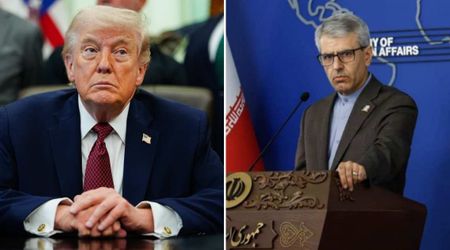
Despite the President’s optimistic rhetoric, Venezuela’s acting President Delcy Rodriguez issued a firm rejection of the statehood proposal.
Speaking from The Hague, Rodriguez stated that Venezuela has "never" contemplated becoming a US state, emphasizing the nation's deep love for its independence and historical heroes.
While Trump has praised Rodriguez for doing a "great job" in facilitating the flow of oil to US refineries, her administration appears to be drawing a hard line on the surrender of national sovereignty.
"Delcy Rodríguez, who is the President of Venezuela, is doing a great job, and working with U.S. Representatives very well. The Oil is beginning to flow, and the professionalism and dedication between both Countries is a very nice thing to see!" - President Donald J. Trump 🇺🇸 pic.twitter.com/KBTKnXubGu
— The White House (@WhiteHouse) March 4, 2026
The relationship between the two leaders has been described by Trump as "as good as it could be," primarily due to Rodriguez’s cooperation in handing over control of the country’s vast energy infrastructure.
Trump noted that the US is currently the only nation with the capability to refine the "high quality" oil now leaving the country.
However, the tension between economic cooperation and political annexation remains a significant hurdle for the administration's "Statehood #51" ambitions.
Vast oil wealth drives annexation talk
The core of the President's interest remains the staggering $40 trillion in oil reserves held within Venezuelan territory.
Since the January 3 military intervention, the US has pressured American firms to return to the country to rebuild broken infrastructure and boost production.
Trump: "The oil business in Venezuela has been a bust.. We're going to have our very large US oil companies… go in, spend billions of dollars, fix the badly broken infrastructure… and start making money for the country."pic.twitter.com/ROzVbxFbwG
— Joe Rogan Podcast News (@joeroganhq) May 11, 2026
Trump has promised that these companies will spend billions of dollars to "start making money for the country," asserting that the US is now effectively "in charge" of Venezuela's economic future.
While the administration has already established diplomatic ties and resumed US flights to the region, the prospect of formal statehood faces immense legal and international challenges.
Nations, including China, have already condemned the US intervention as illegal, while other Latin American leaders remain paralyzed by the rapid shift in regional power.