Trump likely pulled back Greenland threats over fear of Europe's 'bazooka option': Expert
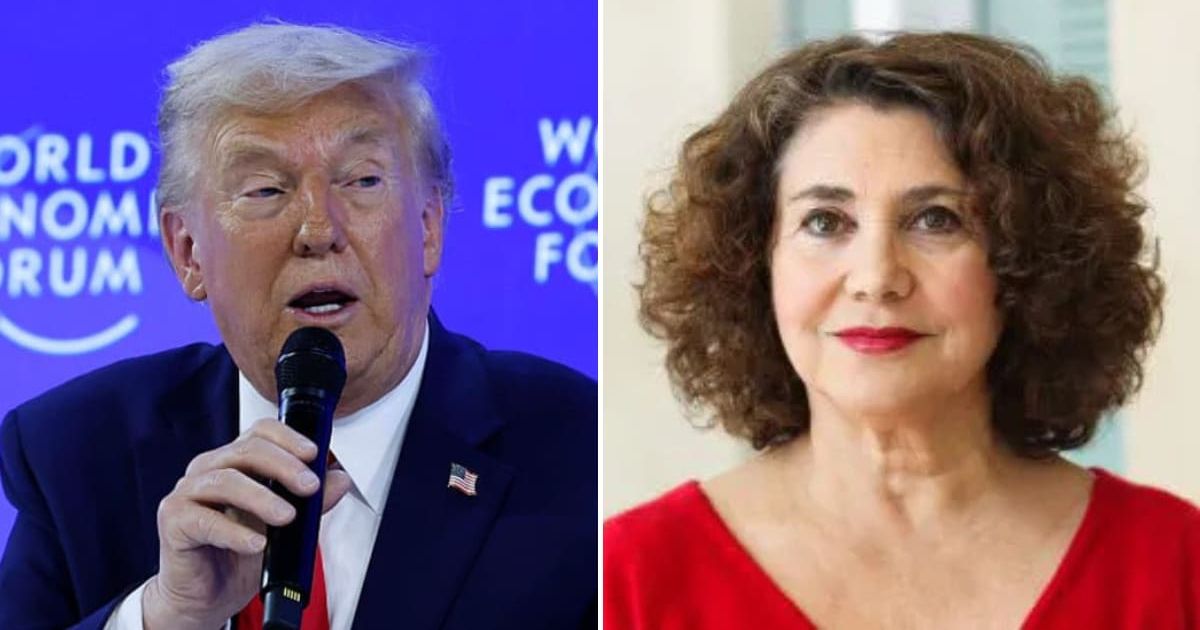
WASHINGTON, DC: President Donald Trump is likely to have stopped threatening to take over Greenland by force amid fears of a strong economic pushback from European countries.
According to a governance expert at the Brookings Institution, Elaine Kamarck, the president's U-turn on the Danish territory likely happened because Trump realized that European trade retaliation and falling stock markets would have hurt the American economy.
Economic pressure is Europe's 'bazooka'
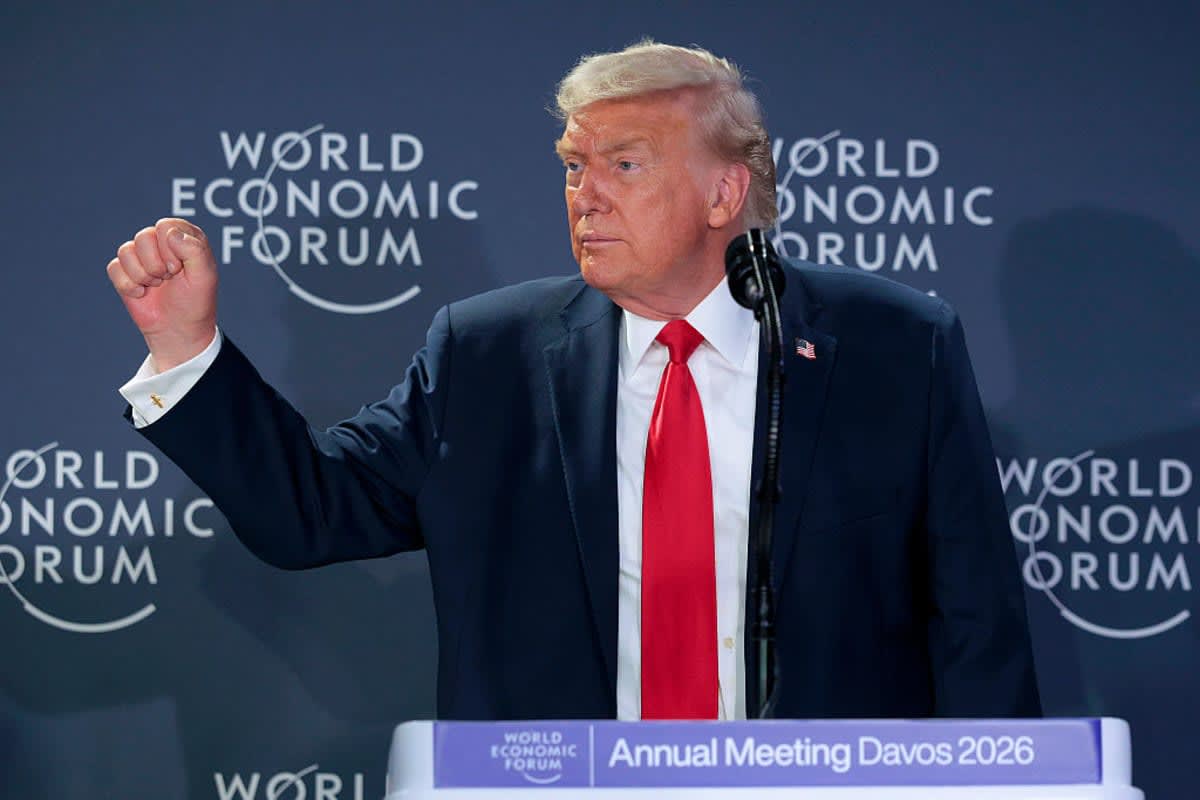
The shift in Trump's stance policy became clear during the annual World Economic Forum (WEF) summit in Davos, where the Republican leader announced that he was taking the military option off the table.
He also said he was dropping tariffs against several European countries that he had threatened would come into effect in February.
Kamarck wrote in a Brookings Institution analysis that the prospect of Europe using its "bazooka option" likely pushed the US administration into changing the course of action.
In reality, the European Union’s (EU) Anti-Coercion Instrument is the so-called bazooka option is at the old continent's disposal. The Instrument could be used to block entry of American products into EU countries.
"It has never been deployed, but in the past few weeks, Trump’s overreach on Greenland has European leaders talking about it," Kamarck highlighted.
The public policy expert and governance expert also noted that while Trump often acts like he can do whatever he wants in foreign policy matters, "a coordinated opposition, backed by sliding markets, seems to hem him in."
Sliding markets pushes Trump to reconsider
The financial market reacted poorly to the talk of US invading a North Atlantic Treaty Organization (NATO) ally. This, the analysis says, played a major role in Trump’s decision to reconsider.
Whenever the markets begin to slide, the administration often rethinks its most aggressive plans to avoid economic "chaos."
According to the commentary by Kamarck, the "adverse market reaction" to his previous tariff threats in April 2025 served as a preview for why Trump eventually decided to back down on the Greenland issue this week.
Experts say annexation risks NATO alliance
While the US successfully bought the Virgin Islands from Denmark in 1917, the modern world sees the "selling" of citizens as a big no-go zone.
Kamarck wrote, “For Denmark and Greenland, the idea of 'selling' its citizens is an absolute non-starter, and Europe seems solidly behind them on this issue. Adding to the complexity of the issue, the United States—European Union trade deal is due to be signed soon.”
Denmark has repeatedly told the US that Greenland is not for sale, pointing out that the two countries already have a 1951 agreement that gives the US military "essentially carte blanche" on the island.
Kamarck further wrote that the US does not actually need to own the land to meet its security goals, and continuing to push for an annexation could lead to the "end of the alliance" with NATO.