Trump's 'big, beautiful bill' ushers in simpler student loan system starting July
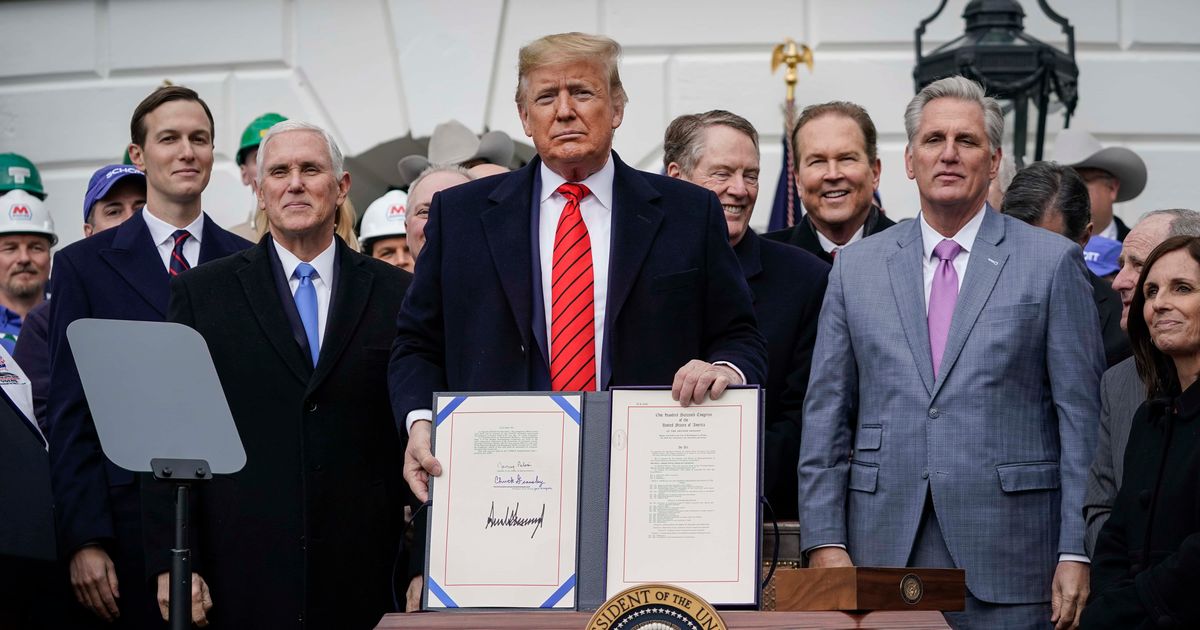
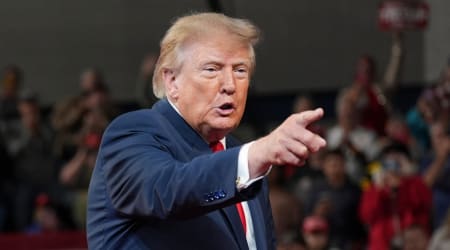
WASHINGTON, DC: President Donald Trump's signature 'Big, Beautiful Bill' is ushering in one of the most sweeping overhauls of the federal student loan program in decades, replacing multiple repayment options with a simplified system while introducing tighter borrowing limits and new incentives for timely repayment.
The reforms, taking effect from Tuesday, July 1, affect a federal loan portfolio approaching $1.7 trillion and more than 43 million borrowers.
Administration officials say the changes are designed to simplify repayment, strengthen fiscal accountability and encourage colleges and borrowers to make more sustainable financial decisions after years of mounting defaults and expanding loan forgiveness programs.
Repayment plans undergo major overhaul
The biggest change is the replacement of the federal government's complex menu of repayment programs with two primary options for most new borrowers.
Under the new Repayment Assistance Plan, monthly payments will be calculated using adjusted gross income, while borrowers may become eligible for loan cancellation only after making payments for up to 30 years.
A second option, the Tiered Standard Plan, allows borrowers to repay loans over fixed periods ranging from 10 to 25 years depending on their balances.
The overhaul also marks the end of the Biden administration's SAVE repayment plan for future participants.
Existing SAVE borrowers will receive a transition period before selecting another repayment option or moving into the long-standing Income-Based Repayment program established by Congress.
Borrowing limits tighten nationwide
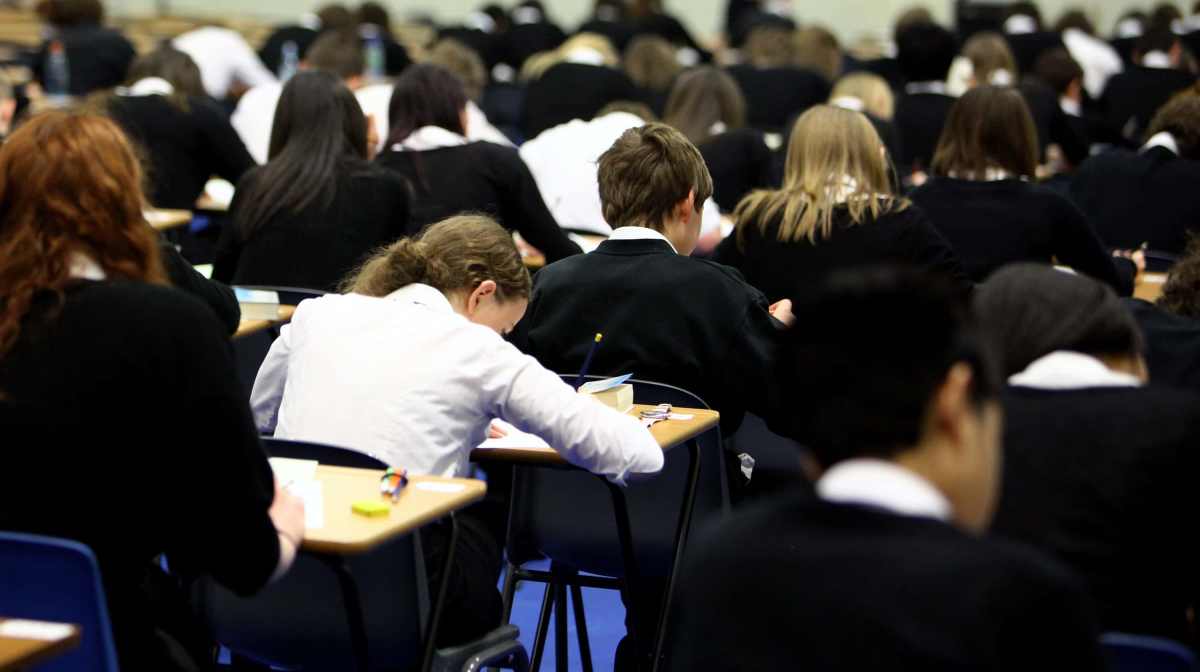
The legislation also places new lifetime borrowing limits on federal student loans.
Graduate students will face annual borrowing caps, while professional degree students, including those in law and medicine, will also be subject to new federal loan ceilings. Parent PLUS loans are likewise restricted under the revised framework.
Administration officials argue the caps will discourage excessive borrowing and encourage institutions to control tuition costs.
However, borrower advocates warn the limits could force more students toward private lenders or discourage some from pursuing graduate education altogether.
Autopay rewards timely payments

The administration is also expanding financial incentives for borrowers who enroll in automatic payments.
Borrowers who sign up for autopay by September 30 will qualify for a temporary 1% interest-rate reduction, replacing the previous 0.25% discount.
Officials say the measure is intended to improve repayment compliance as millions resume making monthly payments after prolonged legal disputes surrounding previous repayment programs.
Meanwhile, the Education Department is updating its online loan simulator to help borrowers compare available plans before selecting new repayment options.
The White House has repeatedly argued the reforms shift the federal student loan system away from broad debt cancellation and toward long-term repayment responsibility.
While supporters say the streamlined approach creates greater predictability, borrower advocates warn that some lower-income Americans could face substantially higher monthly payments under the new framework.