US and Iran launch direct Bürgenstock negotiations following historic April Islamabad summit
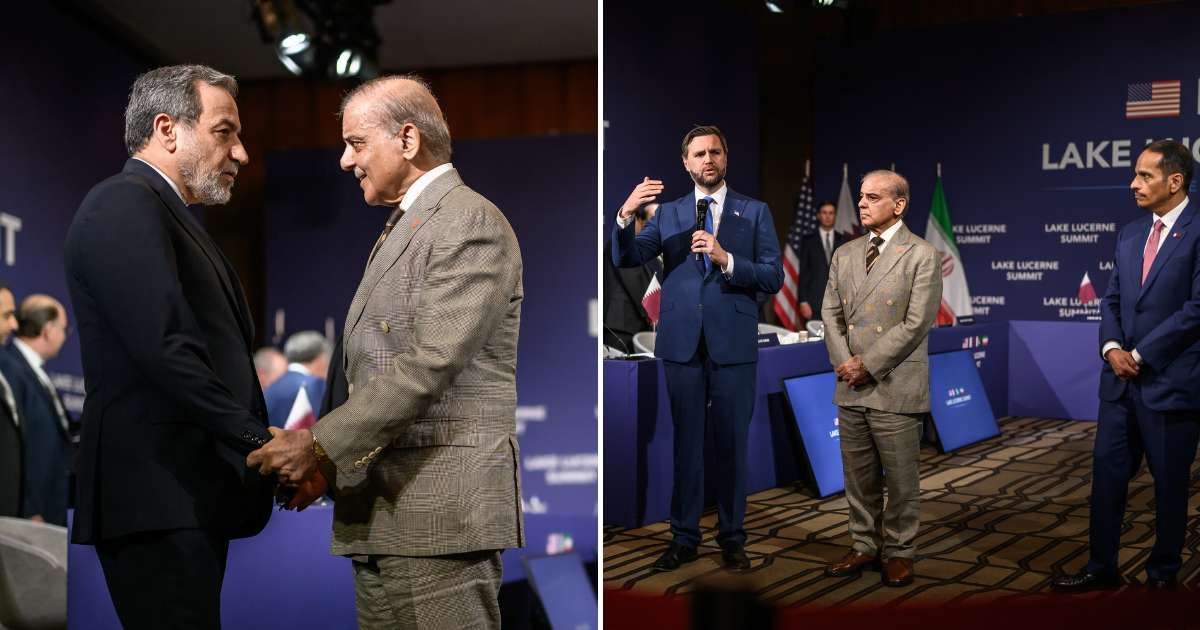
BÜRGENSTOCK, SWITZERLAND: Senior American and Iranian officials have launched direct, face-to-face negotiations at the Bürgenstock alpine resort, marking the first high-level diplomatic engagement between the two warring adversaries since the conclusion of the 100-day war.
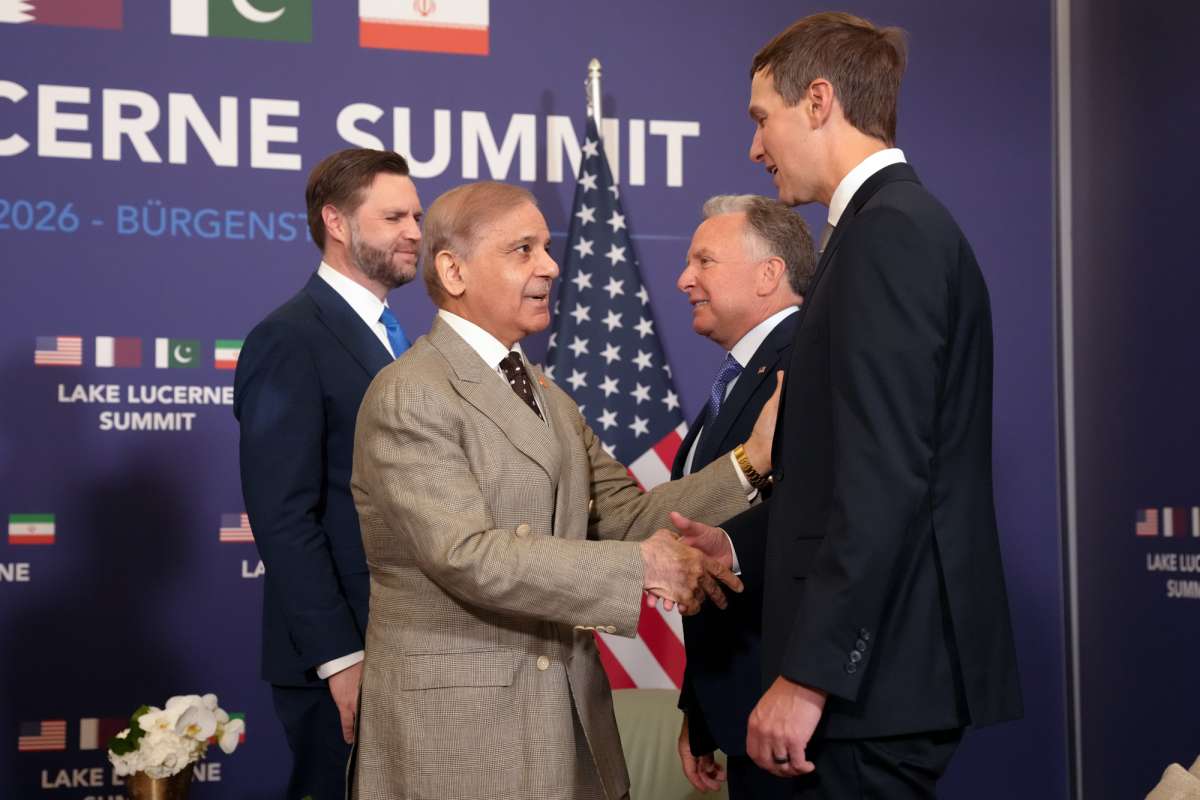
Spearheaded by Vice President JD Vance alongside White House envoys Jared Kushner and Steve Witkoff, the high-stakes summit seeks to translate a volatile interim ceasefire into an enduring regional peace agreement.
The high-altitude summit, mediated by the Prime Ministers of Qatar and Pakistan, represents a critical test of whether the administration’s preliminary framework can withstand severe friction.
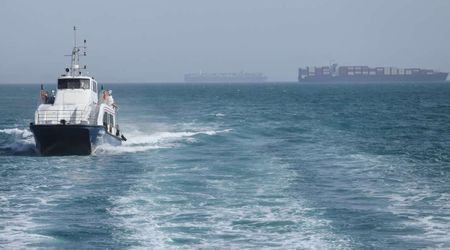
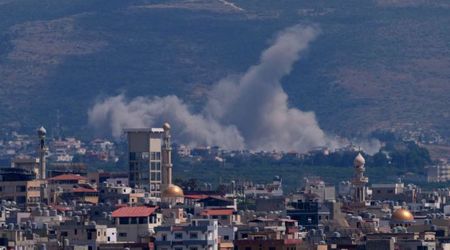
Talks commenced just hours after the Islamic Revolutionary Guard Corps threatened to re-close the Strait of Hormuz over ongoing border skirmishes in southern Lebanon. Despite the rocky backdrop,
JD Vance:
— Clash Report (@clashreport) June 21, 2026
The opening of the Strait of Hormuz, the ending of the Iranian nuclear program—these things have already been accomplished.
The question is now how much more we can accomplish together.
Can we change relations in the Middle East permanently, or do we go back to doing… pic.twitter.com/X0CAK3hCl3
Vance praised the opening procedural momentum, attempting to project a position of absolute baseline strength.
"The opening of the Strait of Hormuz, the ending of the Iranian nuclear program, all of these things have already been accomplished," Vance told reporters ahead of the sessions, emphasizing that the previous months of kinetic military action had already forced Tehran to accept Washington's foundational terms.
"The question before us now is how much more can we accomplish together? Can we turn over a new leaf? Can we change relations in the Middle East permanently?"
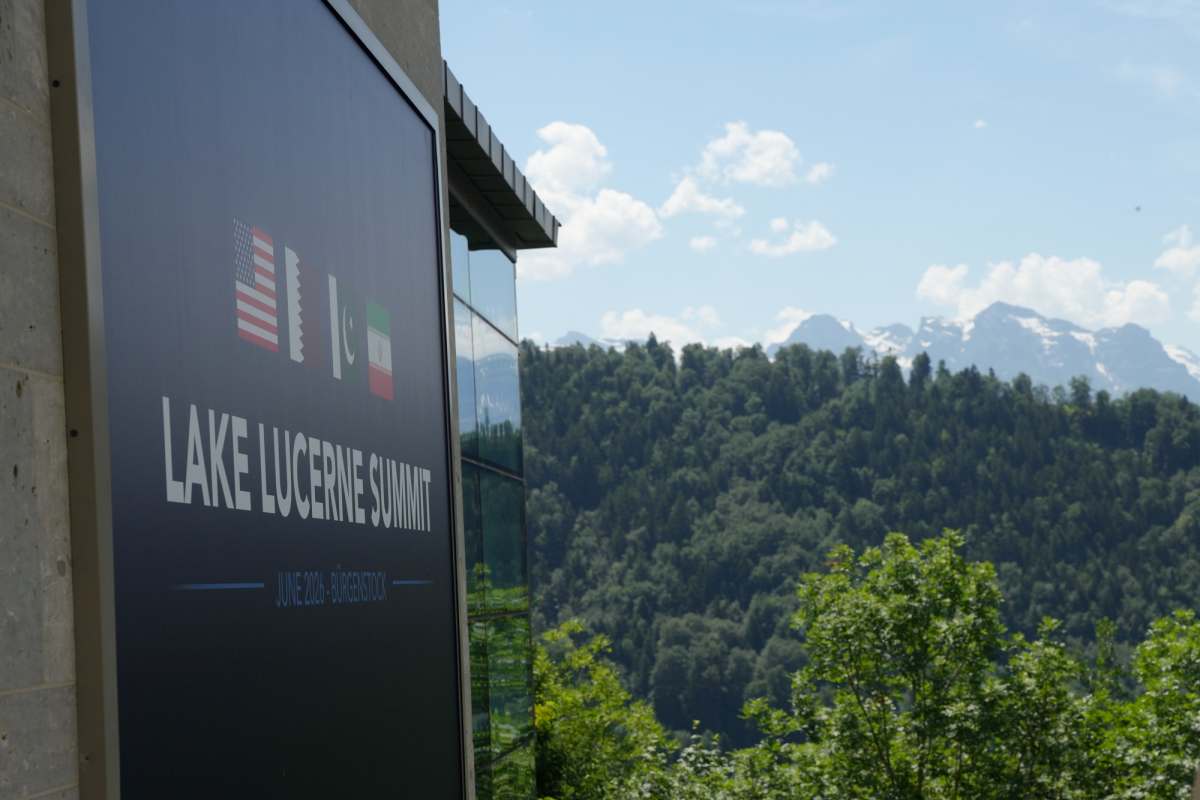
Tehran rejects symbolic joint photo opportunities
"We already made progress in the last several hours," Vance told reporters on Sunday morning, attempting to project momentum.
He described the direct interactions as a historic window to permanently alter the underlying relationship between Washington and Tehran rather than merely managing localized crises.
However, the deep structural animosity between the two delegations spilled into public view almost immediately.
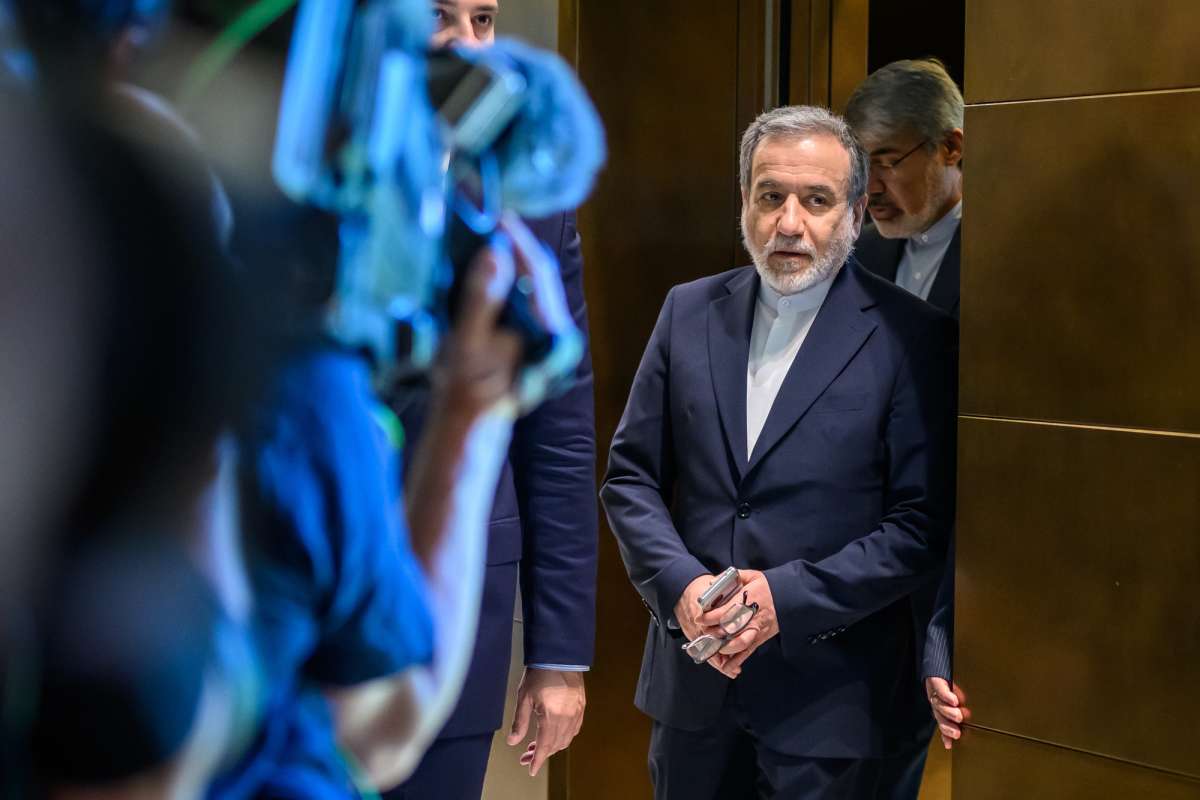
Iranian state media confirmed that Foreign Minister Abbas Araghchi and the rest of the delegation flatly rejected an American request for a joint photo-op and public handshake.
While Araghchi sat in the trilateral negotiating room alongside Qatari mediators, he refused to stand next to Vance or participate in joint statements to the global press corps.
Nuclear site inspections tied to asset release
The opening rounds of the Swiss summit have centered primarily on establishing an exchange mechanism for non-proliferation verification.
The United States delegation is conditioning long-term economic relief on an immediate Iranian invitation for UN inspectors to return to atomic facilities that were heavily bombed by joint American and Israeli airstrikes during the peak of the spring conflict.
Should Tehran permit the International Atomic Energy Agency to conduct on-site down-blending operations, Washington is prepared to unfreeze a restricted $6 billion account currently held in Qatar.
Under the proposed parameters, the Central Bank of Iran would be granted immediate authorizations to utilize those specific funds exclusively to acquire humanitarian goods and medical supplies.
Trump threatens immediate aerial retaliation
The diplomatic choreography in Switzerland is being simultaneously complicated by aggressive messaging from the White House.
As negotiators debated trade compliance, President Donald J Trump issued an uncompromising ultimatum, warning that the US Navy and Air Force preserve total readiness to launch a secondary wave of heavy bombardments if regional proxy networks breach active truce lines.
"Iran must immediately stop their highly paid proxies in Lebanon from causing trouble. If they don't, we'll hit Iran very hard again," Trump posted to Truth Social.
The threat lands precisely as Israel and Hezbollah attempt to patch together a fractured ceasefire north of the Litani River, leaving Vance’s alpine peace initiative hanging in a delicate balance.