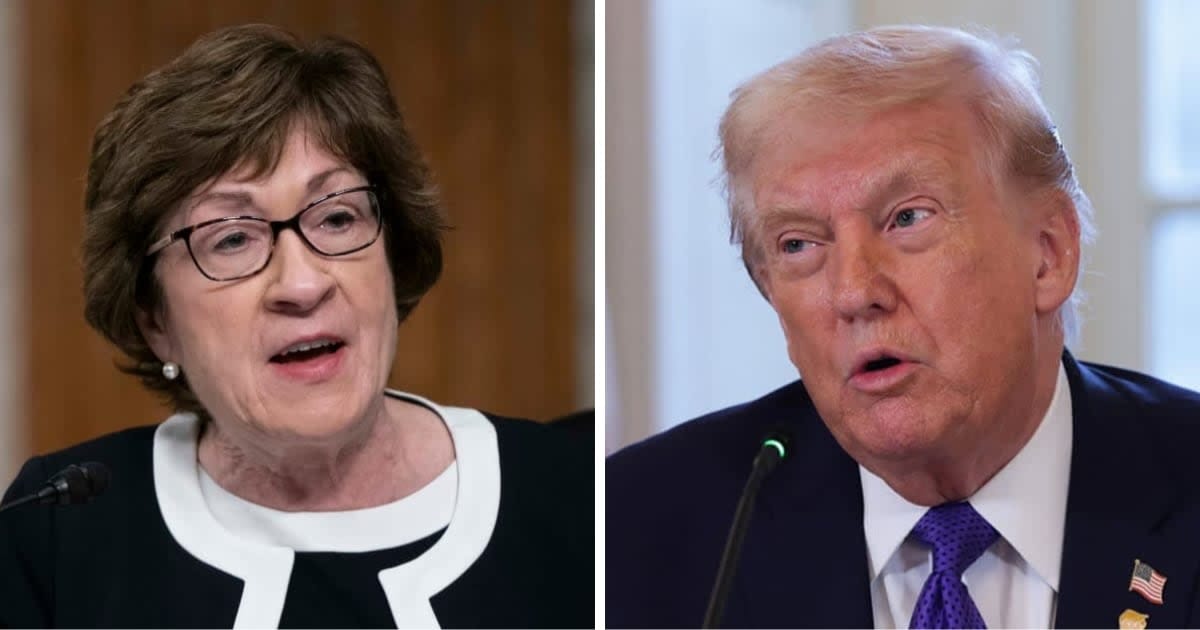
Trump declares 'no tolls' in Strait of Hormuz, then hints US could charge the world later
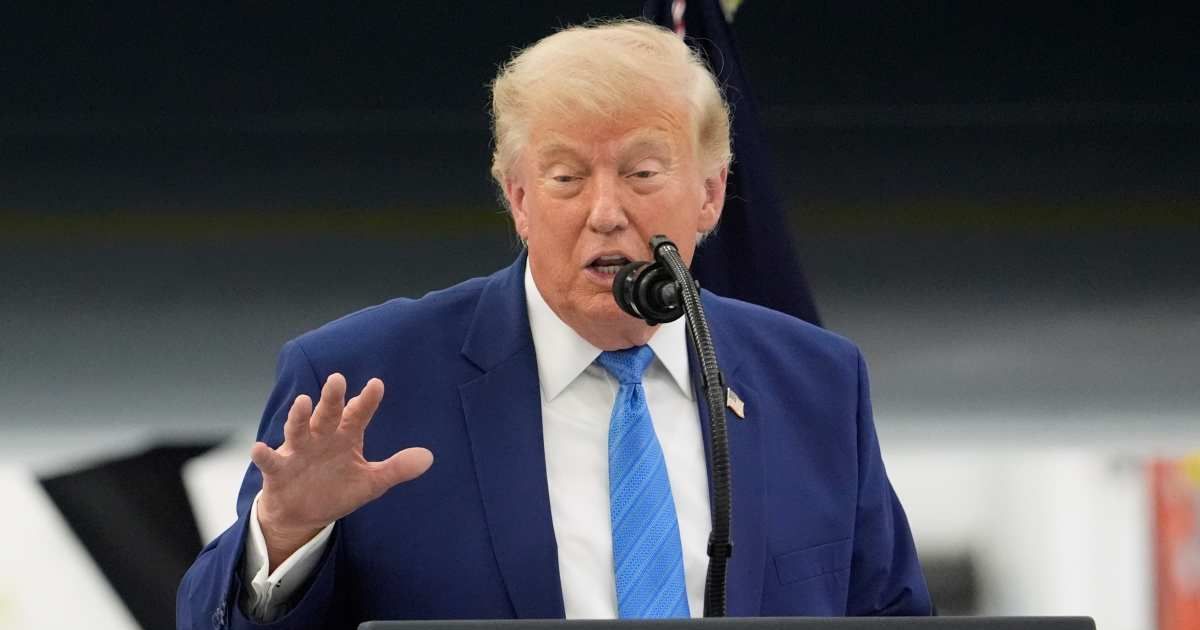
WASHINGTON, DC: President Donald Trump, on Saturday, June 20, stirred fresh debate over the future of the Strait of Hormuz after declaring that there would be “no tolls” on ships passing through the strategic waterway during the current 60-day ceasefire period.
But while presenting the move as a guarantee of free navigation, Trump also floated the possibility that the United States could eventually impose charges if ongoing negotiations with Iran collapse, linking any future fees to what he described as America’s role in protecting the region.
Trump introduces new Hormuz warning
In a Truth Social post, Trump announced that commercial vessels would not face any tolls while the ceasefire remains in effect.
“There will be NO TOLLS in the Hormuz Strait for 60 days during the Cease Fire Period,” Trump wrote.
However, the president did not stop there. He immediately added a caveat, suggesting that once the 60-day window expires, the situation could change if diplomatic efforts fail.
According to Trump, tolls could be imposed by the United States itself “should the deal not be completed,” arguing that Washington has acted as the region’s “Guardian Angel” and deserves compensation for the costs associated with maintaining stability and security in the Middle East.
The remarks introduced an entirely new element into the ongoing debate surrounding the Strait of Hormuz, one of the world’s most critical energy chokepoints through which a significant portion of global oil shipments travel every day.
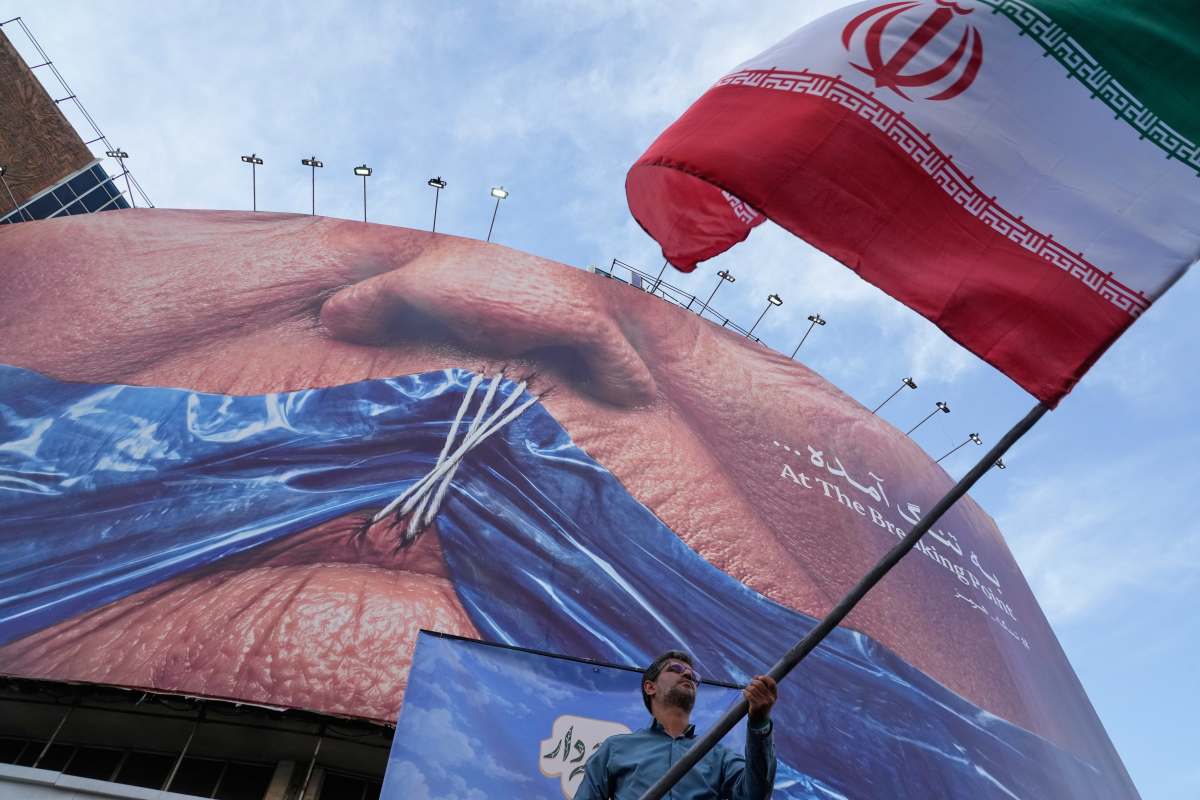
Trump’s comments came just hours after Iran announced it was once again closing the waterway, blaming renewed fighting between Israel and Hezbollah in southern Lebanon and accusing Washington of failing to enforce provisions contained in the recently signed memorandum of understanding between the United States and Iran.
Mixed signals over the waterway
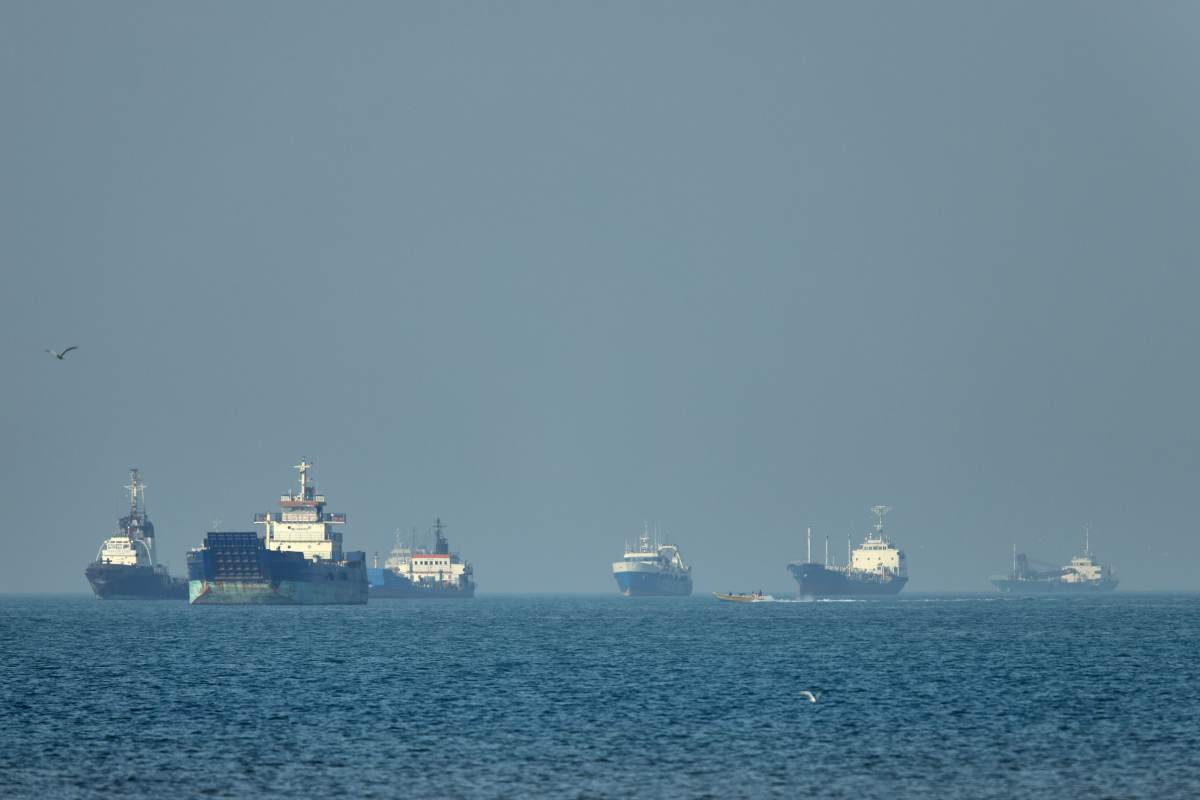
Despite Tehran’s announcement, American military officials quickly disputed claims that the Strait had actually been shut down.
US Central Command said commercial shipping traffic continued moving through the corridor, noting that vessel activity had increased as American forces remained in the area to support freedom of navigation operations.
Today, U.S. forces lifted the blockade on all maritime traffic entering and exiting Iranian ports and coastal areas, in accordance with the President's direction. American forces are not impeding the transit of vessels to or from Iranian ports. All U.S. military blockade…
— U.S. Central Command (@CENTCOM) June 18, 2026
Military officials also emphasized that Iran does not control the Strait outright and cannot unilaterally halt international maritime traffic so long as US and allied naval forces remain present.
That leaves an unusual situation in which Iran claims the Strait is closed, the United States says it remains open, and Trump is already discussing what could happen after the current ceasefire period ends.