US Navy launches Hormuz mine-clearing, vows 'new passage' as gas prices hit lowest since 2023
WASHINGTON, DC: The United States military on Saturday, April 11, began clearing sea mines from the Strait of Hormuz, a key global shipping route, as maritime traffic remained limited despite a recent ceasefire.
Officials said two US Navy destroyers were leading the effort to restore safe passage through the waterway.
The development comes amid ongoing concerns about regional security and disruptions to global oil supply.
US Navy begins mine-clearing mission in Strait of Hormuz
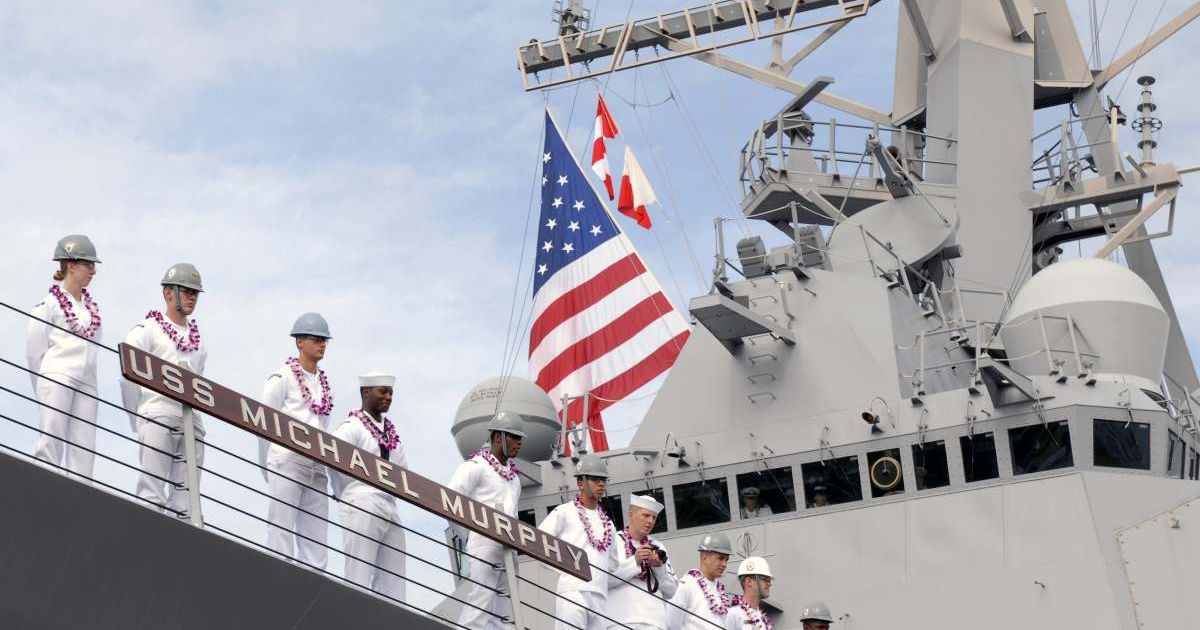
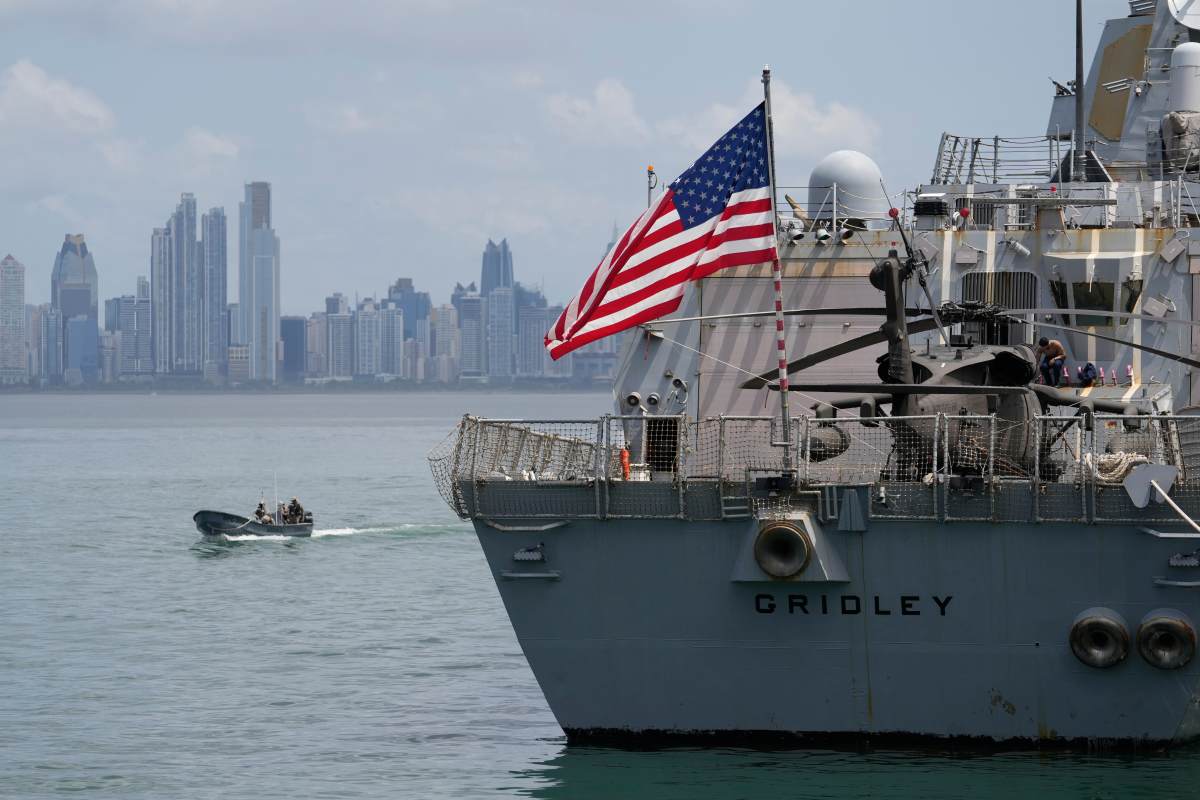
The US Central Command (CENTCOM) said on Saturday that two guided missile destroyers, USS Frank E Peterson and USS Michael Murphy, have begun operations to remove sea mines in the Strait of Hormuz.
The move is aimed at restoring safe transit through the strategic waterway after mines were previously laid by Iran’s Islamic Revolutionary Guards Corps.
In a statement posted on X, CENTCOM said the vessels had “transited the Strait of Hormuz and operated in the Arabian Gulf as part of a broader mission to ensure the strait is fully clear of sea mines previously laid by Iran’s Islamic Revolutionary Guards Corps.”
The effort follows reports that shipping activity in the strait remains significantly reduced despite a ceasefire earlier this week.
Adm Brad Cooper, commander of CENTCOM, said the operation is already underway. “Today, we began the process of establishing a new passage, and we will share this safe pathway with the maritime industry soon to encourage the free flow of commerce,” he said.

However, officials note that while mine-clearing addresses one threat, risks remain. Iran retains the capability to launch missile attacks, which could complicate efforts to secure the strait and protect vessels navigating the area.
Earlier on Saturday, President Donald Trump said in a post on Truth Social that the US is “starting the process of clearing out the Strait of Hormuz as a favor to Countries all over the World.”
Despite the ceasefire, reports indicate that only around 30 ships have passed through the strait in recent days, highlighting the ongoing disruption.
Oil prices fall slightly as uncertainty over shipping route persists
Global energy markets have reacted to the developments, with US gasoline prices recording a modest decline.
According to data from AAA, the national average price for a gallon of regular gasoline fell nearly two cents Saturday to $4.14, marking the largest single-day drop since December 2023.
The decline follows a sharp drop in oil futures earlier in the week after the announcement of a two-week ceasefire and initial plans to reopen the Strait of Hormuz to tanker traffic.
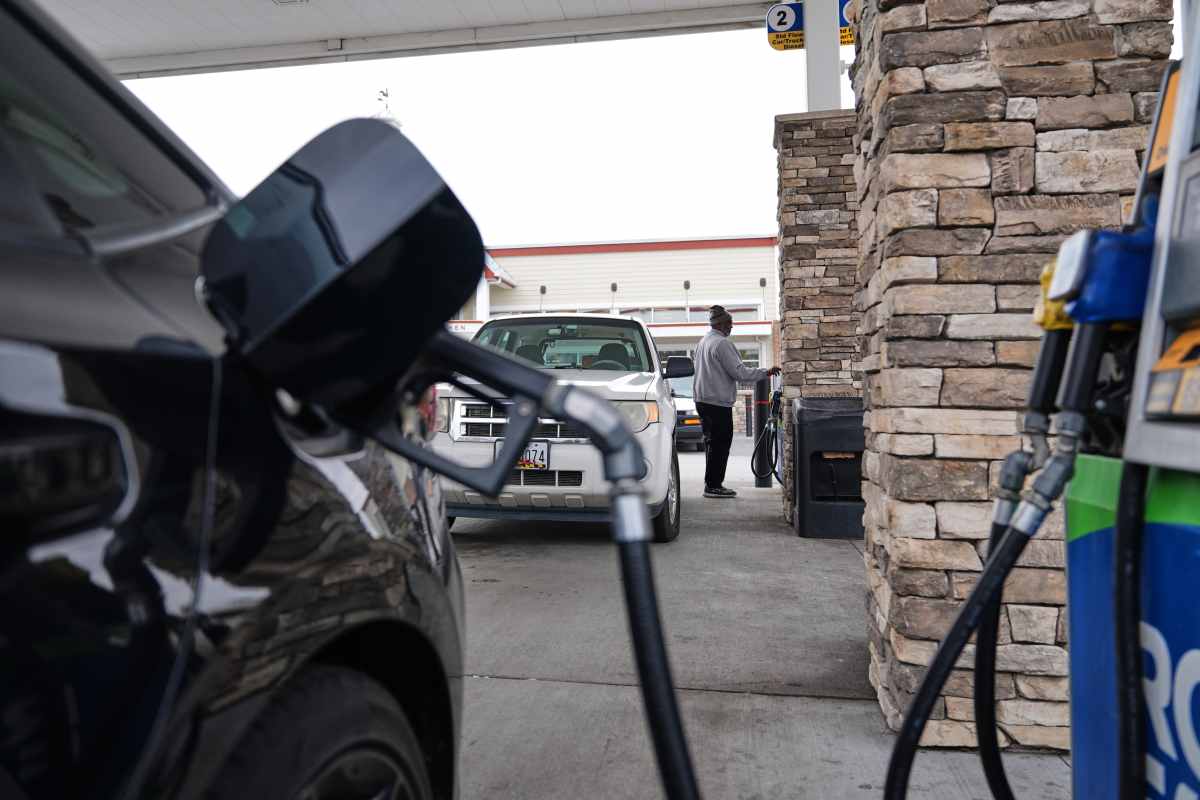
Oil futures, which heavily influence retail fuel prices, saw their largest daily fall since 2020 during the height of the COVID-19 pandemic.
Despite the recent decrease, analysts caution that it may take time for lower oil prices to translate into significantly cheaper gasoline.
Estimates suggest it could take one to two weeks for the national average to fall below $4 per gallon, with a return to pre-war levels of approximately $2.96 potentially taking several months.
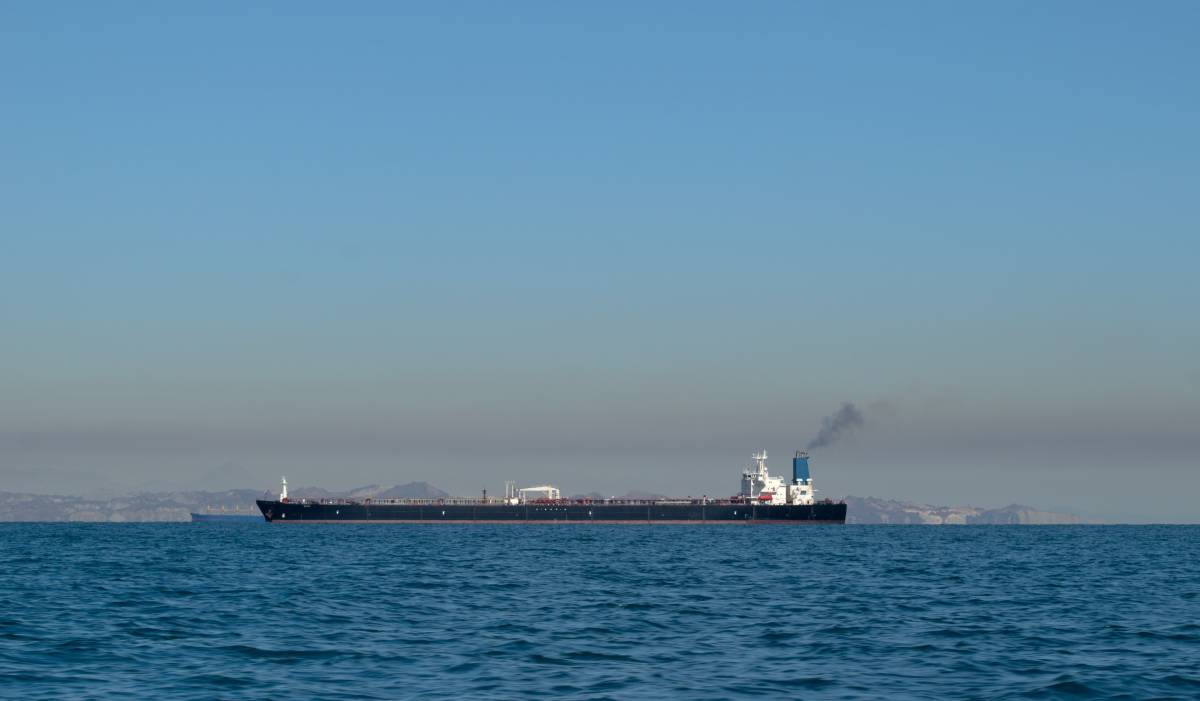
Market uncertainty remains a key factor. It is still unclear whether the Strait of Hormuz has fully reopened or whether the roughly 20% of global oil supply that moves through the Persian Gulf will resume normal flow.