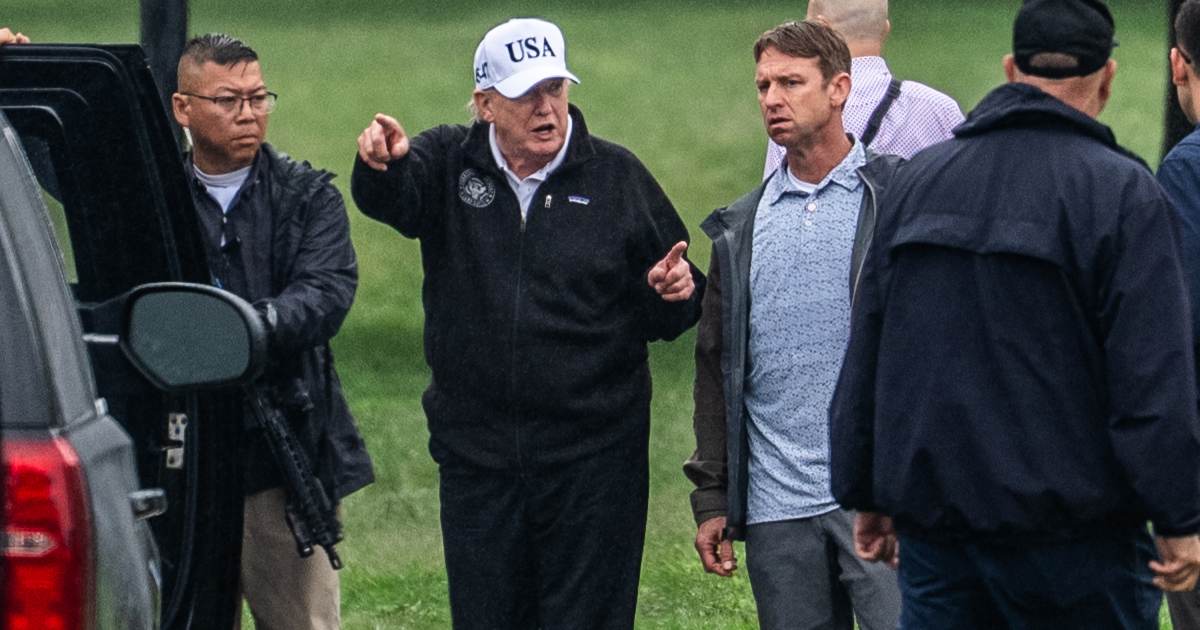
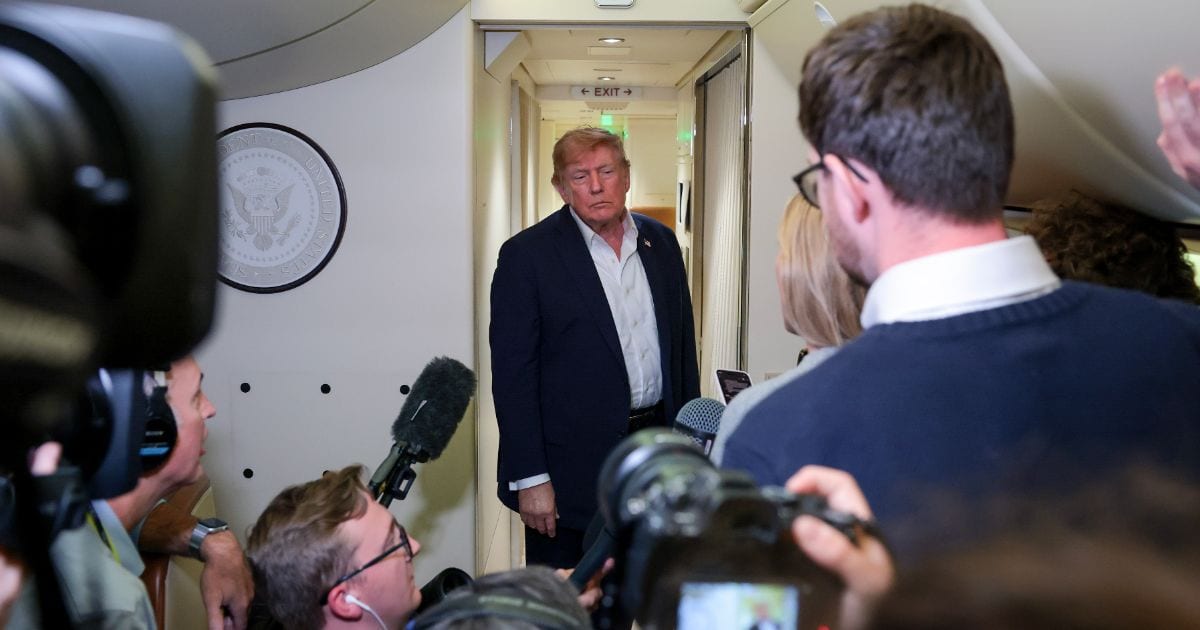
'Very proud': Trump lauds 'new heroes' Justices Kavanaugh, Thomas and Alito after tariff dissent
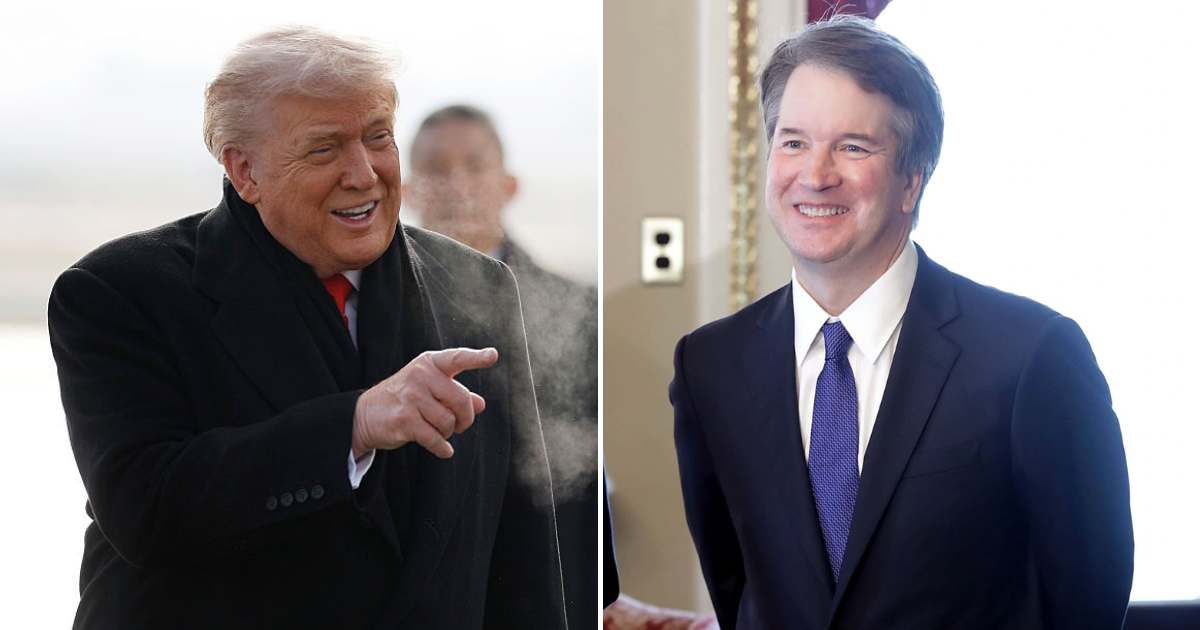
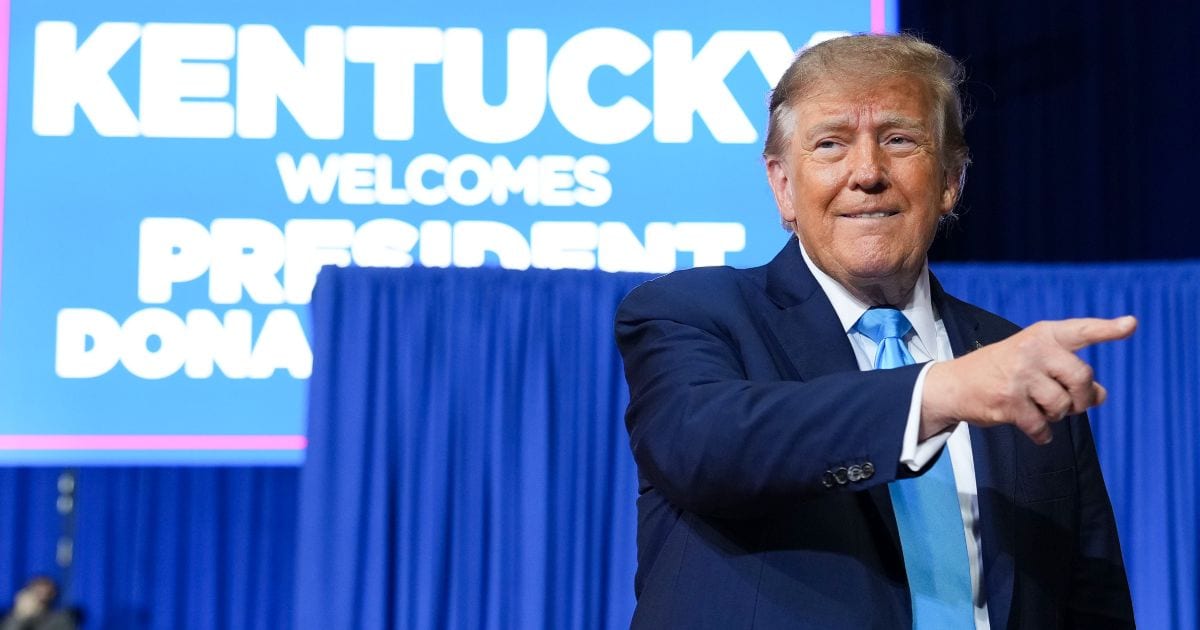
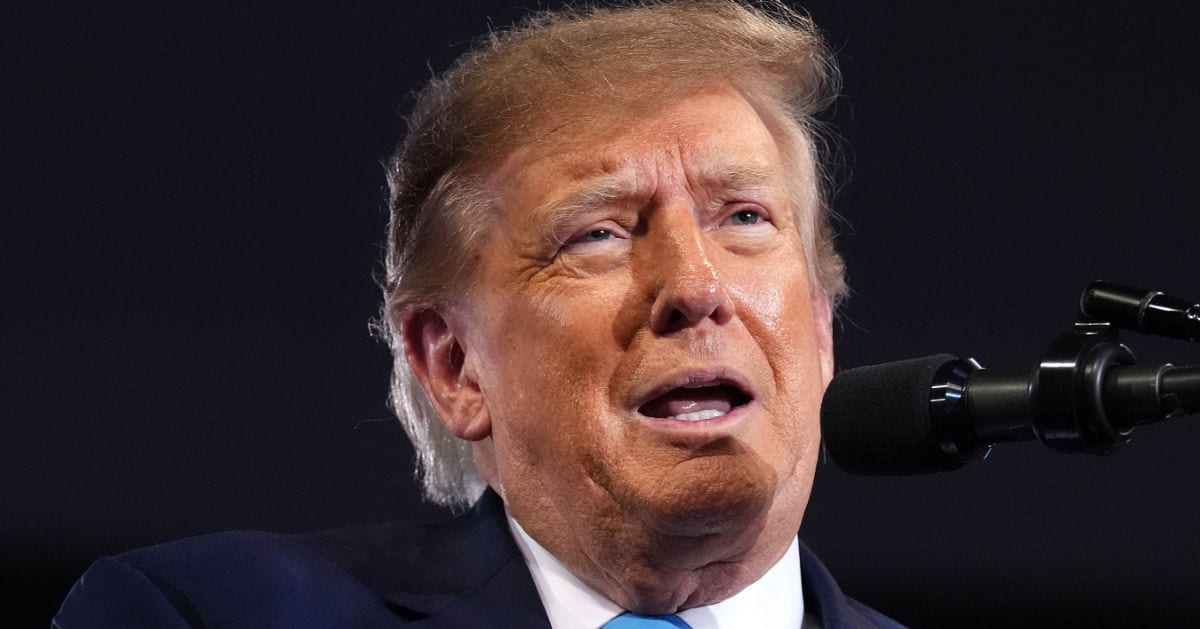
WASHINGTON, DC: President Donald Trump on Saturday, February 21, publicly praised three Supreme Court justices who dissented from the high court’s decision striking down his emergency tariff policy.
The remarks came a day after the Supreme Court ruled 6-3 that Trump lacked authority under a 1977 emergency powers law to impose sweeping global tariffs.
The decision marked a significant setback for the administration’s trade strategy. In a social media post, Trump singled out the dissenting justices for support.
Trump praises dissenting justices in social media post
In a post shared on Saturday, Trump wrote in full: “My new hero is United States Supreme Court Justice Brett Kavanaugh and of course justices Clarence Thomas and Samuel Alito. There is no doubt in anyone’s mind that they want to, MAKE AMERICA GREAT AGAIN.”
The president’s statement followed Friday’s ruling by the Supreme Court of the United States, which held that the International Emergency Economic Powers Act (IEEPA) did not authorize the imposition of broad tariffs.
The majority determined that while the statute allowed a president to “regulate importation” during a declared national emergency, it did not clearly grant authority to levy tariffs, which are traditionally considered a core congressional taxing power.

Chief Justice John Roberts wrote for the majority, stating that when executive actions have sweeping economic consequences, Congress must provide unmistakably clear authorization.
Trump had invoked IEEPA last year to impose tariffs on multiple countries, arguing that illicit operations and persistent trade deficits constituted national emergencies.
In remarks following the ruling, Trump praised Justice Brett Kavanaugh for “his genius and his great ability,” adding that he was “very proud of that appointment.”
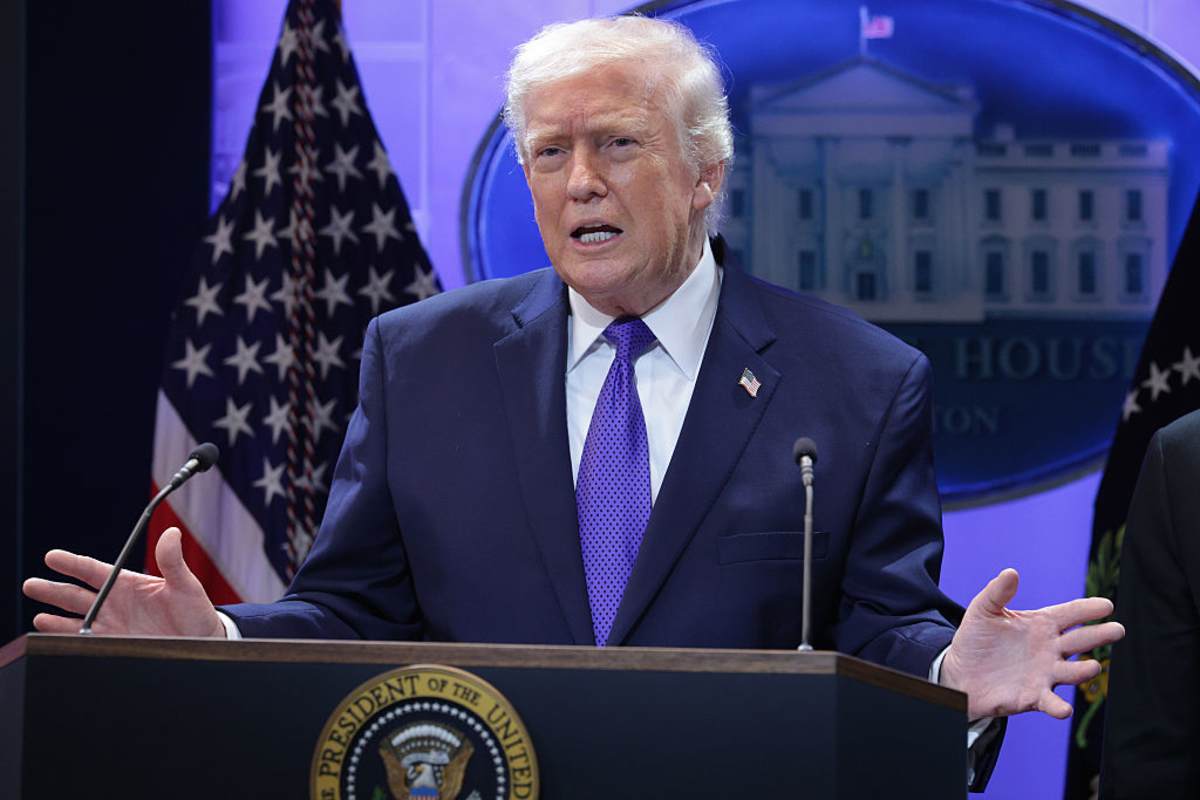
He also quoted from Kavanaugh’s dissent, stating, “‘Although I firmly disagree with the court's holding today, the decision might not substantially constrain a president's ability to order tariffs going forward.’ So think of that … and it doesn't. He's right. We have very powerful alternatives.”
Dissent argues tariffs fall within executive authority
In a dissent, Kavanaugh described the majority’s reasoning as “illogical” and argued that IEEPA already permits comparable forms of import regulation, including quotas and embargoes.
“If quotas and embargoes are a means to regulate importation, how are tariffs not a means to regulate importation? Nothing in the text supports such an illogical distinction,” Kavanaugh wrote, characterizing tariffs as a “far more modest” tool than outright embargoes.
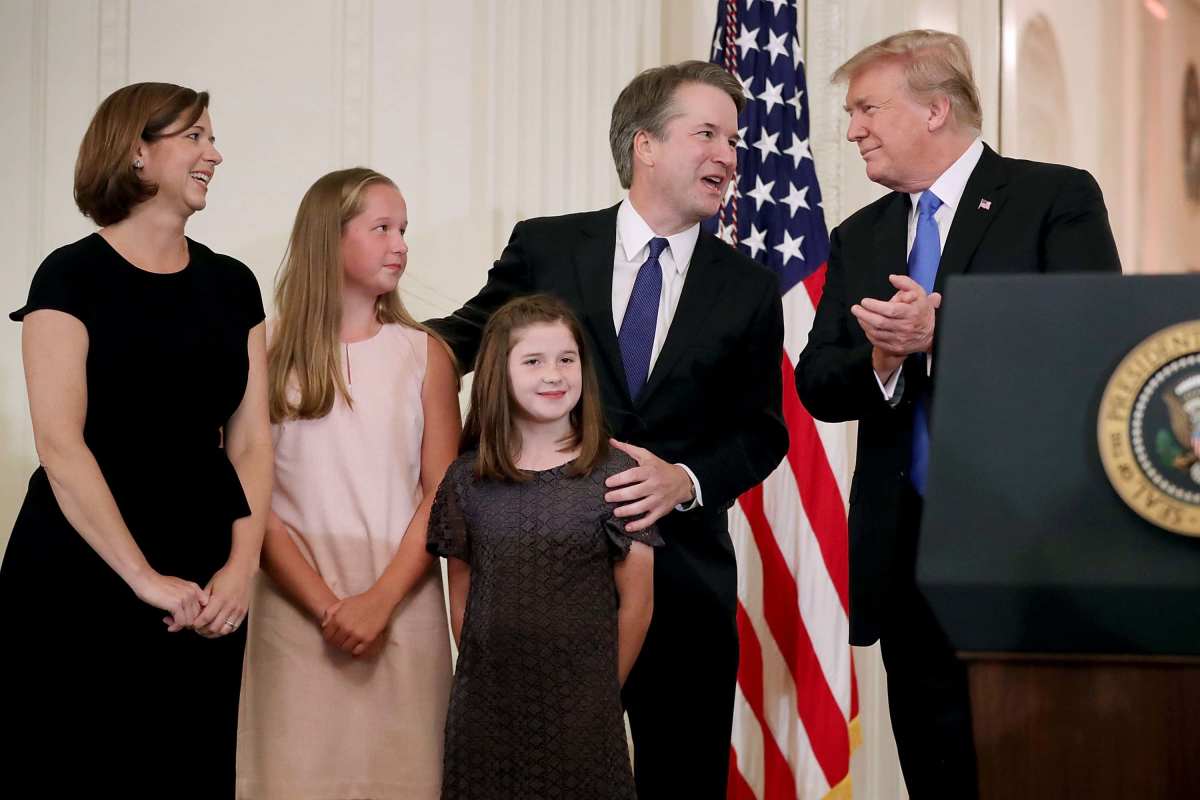
Kavanaugh also cited a 2022 Supreme Court decision upholding a vaccine mandate imposed by former President Joe Biden, arguing that the precedent "strongly" supported upholding Trump’s tariffs despite Congress not explicitly referencing tariffs in IEEPA.
“As the (majority of justices) interpret the statute, the president could, for example, block all imports from China but cannot order even a $1 tariff on goods imported from China,” Kavanaugh wrote.
He suggested that the administration might have “checked the wrong statutory box” and outlined other statutes that could potentially authorize similar trade actions.

Justice Clarence Thomas, in a separate dissent, wrote that “neither statutory text nor the Constitution provide a basis for ruling against the president.”
He added, “The Court has long conveyed to Congress that it may vest the president with large discretion in matters arising out of the execution of statutes relating to trade and commerce with other nations.”