Caitlyn Jenner celebrates Olympics’ move to bar men from women’s sports: 'Yay, finally'
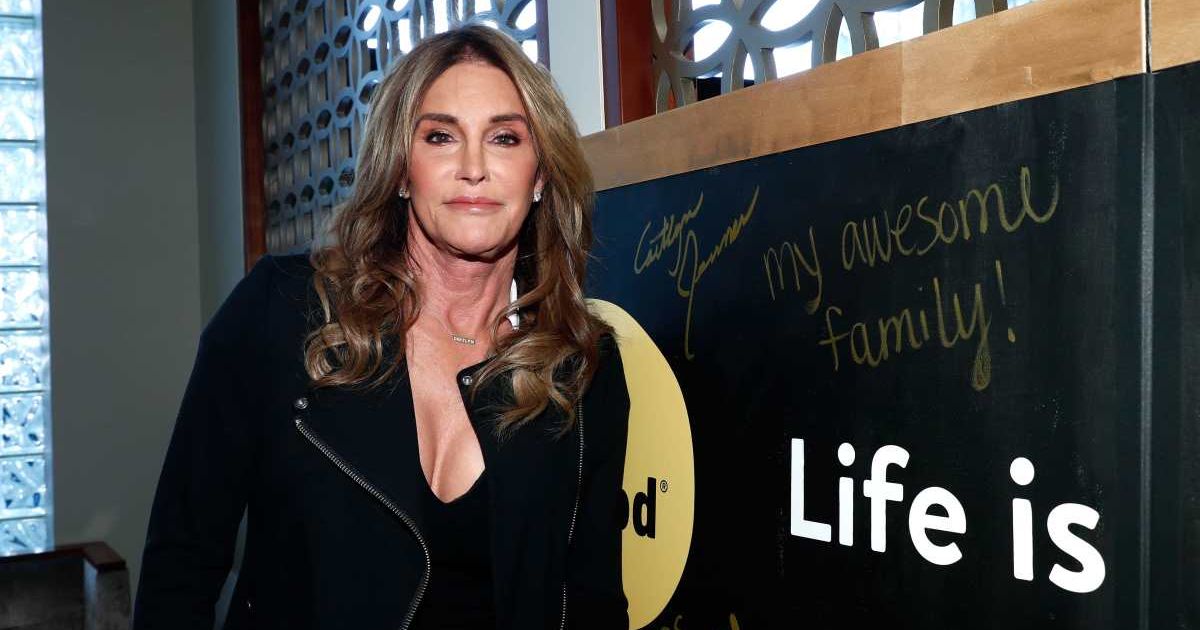
LOS ANGELES, CALIFORNIA: Caitlyn Jenner welcomed a major policy shift by the International Olympic Committee that bars transgender athletes from competing in women’s Olympic events based on biological sex.
The announcement, made on Thursday, March 26, introduces new eligibility rules requiring genetic testing to determine qualification for female categories, a move that has reignited debate around fairness and inclusion in sports.
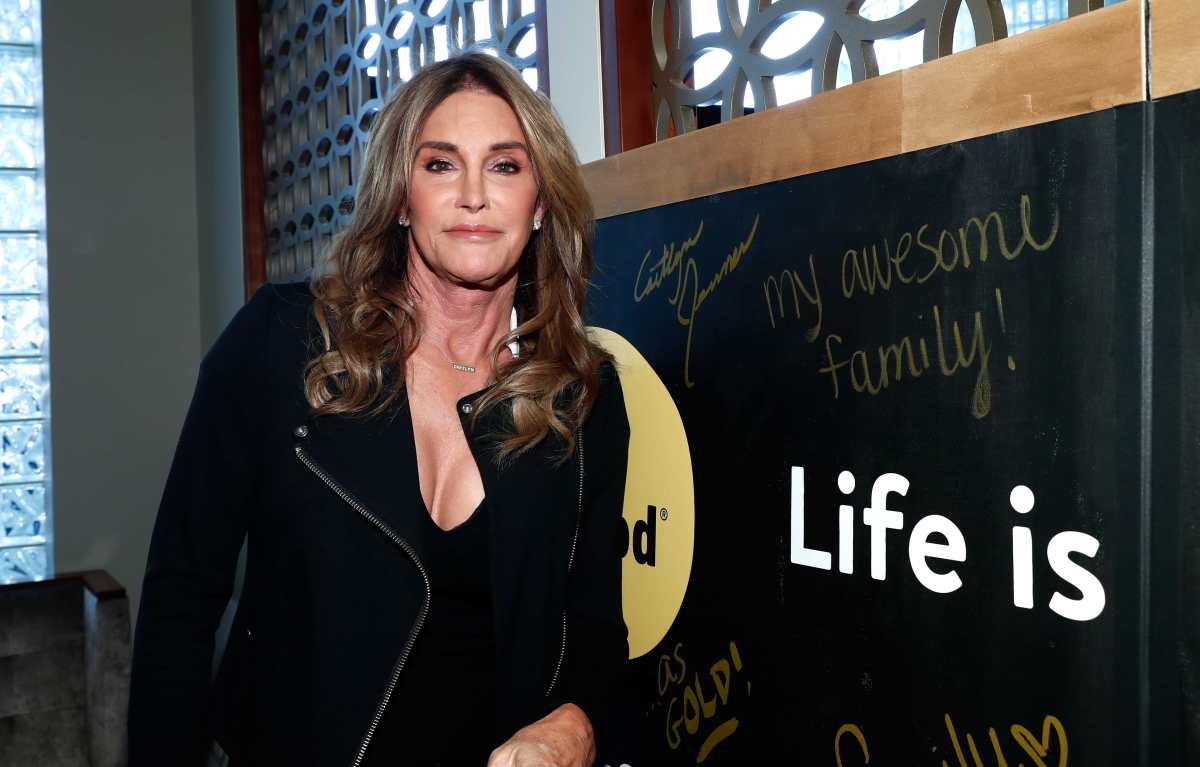
IOC bars transgender athletes
The IOC said athletes will now compete according to their biological sex, mandating testing for the SRY gene to determine eligibility in women’s events across all disciplines.
The decision was credited by Jenner to IOC President Kirsty Coventry, the organization’s first female leader.
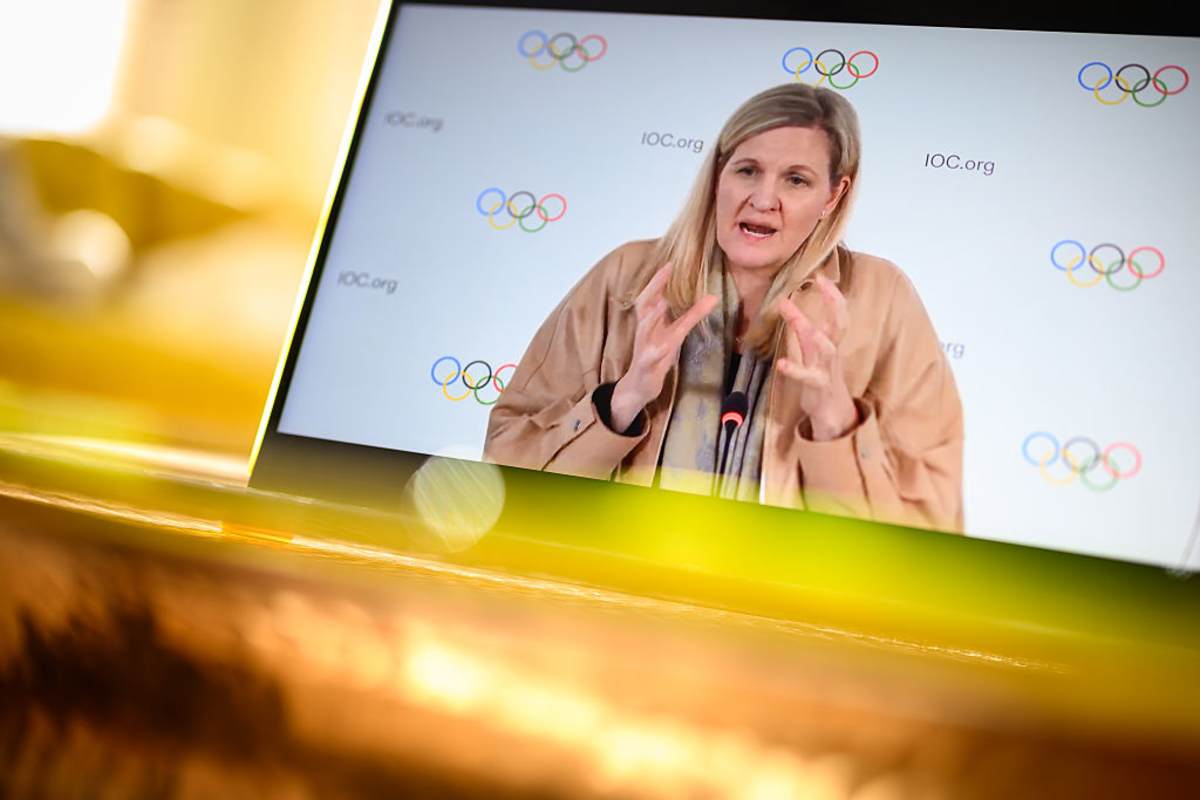
“Yay! Finally.” Jenner said. “We’ve been talking about this forever, and Kirsty Coventry is the first female president of the IOC, and she’s the first one to make the right decision. I think she has a better understanding of the issue.”
Speaking on America Reports with co-anchors Sandra Smith and John Roberts, Jenner argued that the issue has long been recognized in competitive sports.
‘It’s been wrong forever’: Caitlyn Jenner on IOC rule
“We know it’s wrong. It’s been wrong forever and to be honest with you, to give our viewers a little bit of the history of this issue, it just didn’t start recently,” Jenner continued. “This started way back when I was competing. … Back in the 70s, we had the East German women, we had the Soviet women. I was in the weight room five days before I competed and there was this East German discus thrower and she out-lifted me so bad it was a joke. And I’m wondering why.”

“Well, they started testing way back then. They knew it was wrong back then,” the retired athlete added. “So all the women, when they came through the 70’s to the Olympics, they had to take a gene test to make sure that they were XX.”
Jenner, who won gold in the men’s decathlon at the 1976 Summer Olympics, said the new policy restores what she described as fairness in women’s sports.
Debate fueled by recent cases
The IOC’s move follows years of controversy surrounding transgender participation in women’s competitions. One of the most high-profile cases involved Lia Thomas, who won the 500-yard freestyle at the 2022 NCAA championships.
Another widely discussed case involved boxer Imane Khelif, who won gold in the women’s welterweight division at the 2024 Paris Olympics despite previous eligibility disputes.
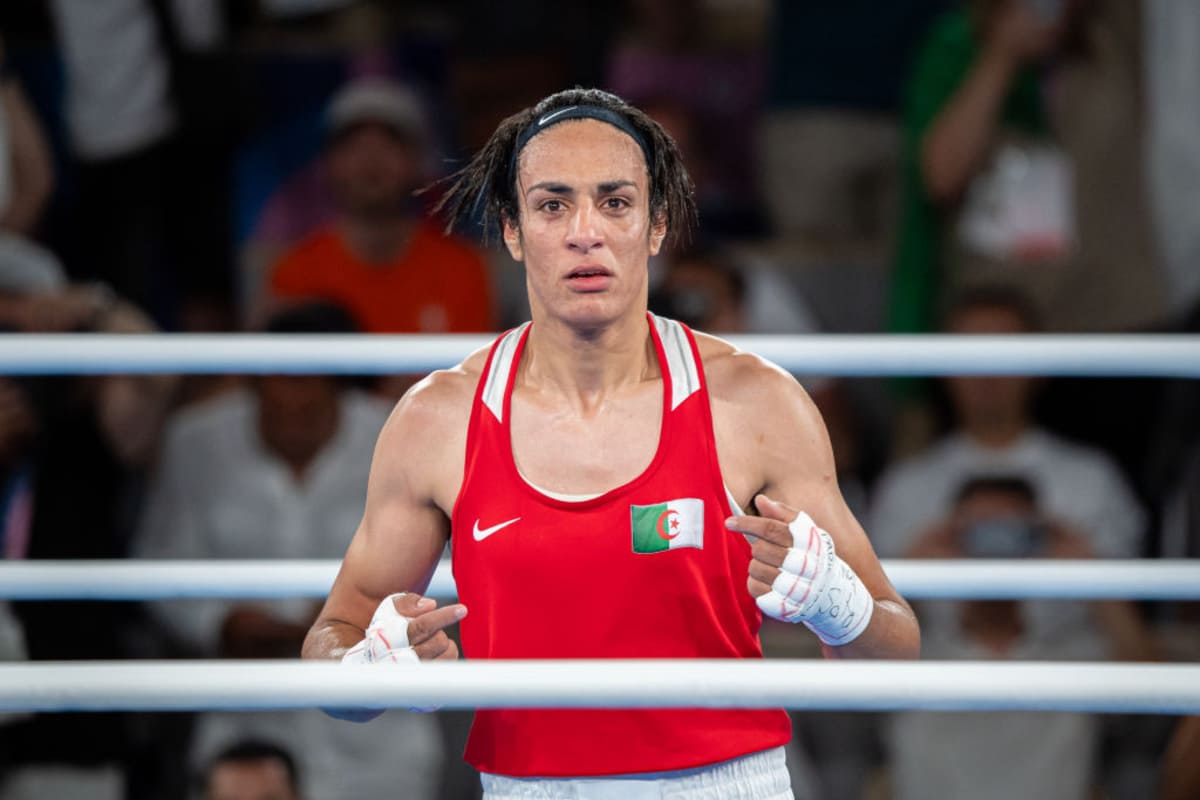
The policy shift has drawn support from several public figures, including Riley Gaines and Tom Tiffany, among others.
The IOC had previously issued guidance in June 2024, encouraging “fair representation” and advising against terms such as “biological male” and “genetically male,” highlighting the evolving and often contentious nature of the debate.
With the new rules in place, the organization signals a significant change in how eligibility for women’s sports will be determined, likely shaping future Olympic competitions and ongoing global discussions on gender and athletics.