Democrats reject ‘blank check’ in DHS funding fight entering week seven
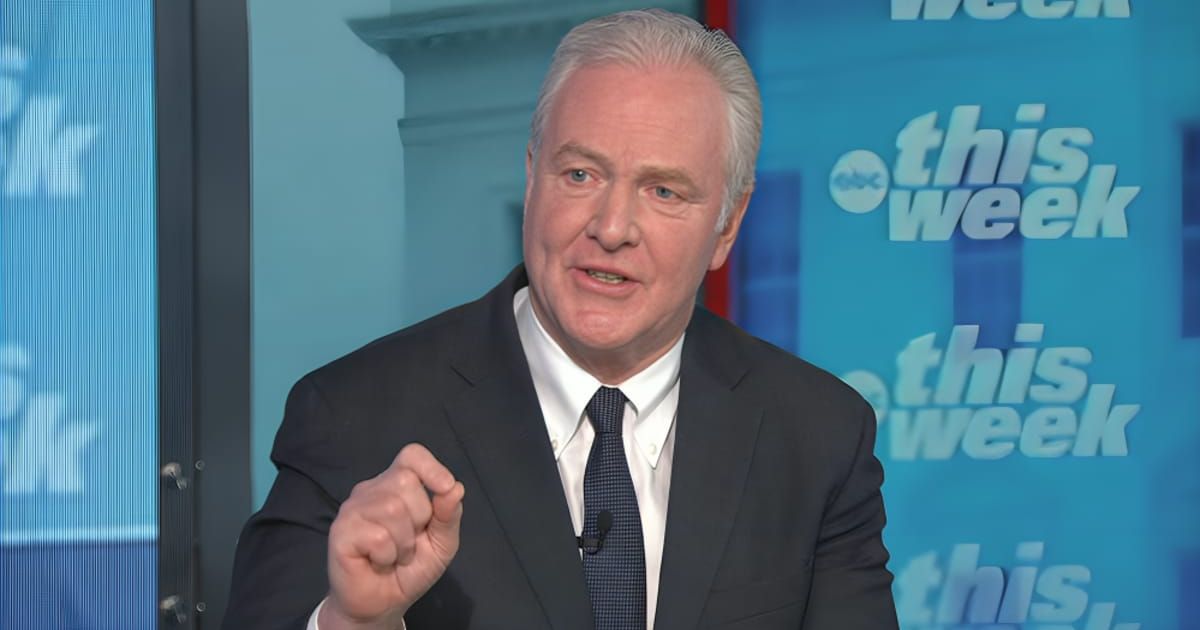
WASHINGTON, DC: The dispute over funding for the Department of Homeland Security (DHS) intensified on Sunday, March 29, as Senator Chris Van Hollen (D-MD) rejected Republican claims that Democrats are delaying critical appropriations.
Speaking on ABC’s “This Week,” Van Hollen said Democrats support immediate funding for functions such as airport security and disaster response, but are seeking additional oversight measures tied to Immigration and Customs Enforcement (ICE).
The partial funding lapse, now in its sixth week, stems from disagreements over immigration enforcement provisions within the broader DHS budget.
Van Hollen said Democrats are prepared to move forward on portions of the funding while negotiations continue on conditions related to ICE operations.
The dispute follows incidents in Minneapolis earlier this year involving federal enforcement actions that resulted in fatalities.
Those cases remain under investigation and have become a central issue in the funding debate.
Senate’s ‘piecemeal’ solution hits House wall
The Senate on Friday approved a proposal that would fund certain DHS components, including the Transportation Security Administration (TSA) and the Federal Emergency Management Agency (FEMA), while deferring decisions on immigration enforcement funding.
The measure passed by voice vote but has not advanced in the House.
Democratic Sen. Chris Van Hollen said the bipartisan Senate bill would have funded TSA and other DHS agencies “while we continue to negotiate reforms to ICE,” but Speaker Mike Johnson “refused to even have a vote on that in the House and went home.” https://t.co/HjcQwwj9oT pic.twitter.com/cw25x7CcZa
— This Week (@ThisWeekABC) March 29, 2026
House Republicans instead passed a separate bill by a 213–203 vote to fund all DHS components through May 22.
House Majority Leader Steve Scalise said the Senate approach would leave key parts of the department without funding, arguing that DHS operations require a unified budget.
Scalise said that dividing funding across agencies could affect operational continuity. The House and Senate remain at an impasse, with no agreement on a unified approach.
House Majority Leader Steve Scalise defended the House rejecting a bipartisan Senate bill to fund most of Department of Homeland Security, saying the two bills have “very big differences.” https://t.co/OQC2H255Zp pic.twitter.com/IhdpjPQJ4j
— This Week (@ThisWeekABC) March 29, 2026
Independent review demanded for ICE killings
A central point of disagreement is Democratic lawmakers' request for additional oversight of ICE following the Minneapolis incidents.
Van Hollen said Democrats are seeking an independent review process, along with broader standards related to enforcement practices.
He stated that existing internal review mechanisms are insufficient and called for external oversight to evaluate field operations. Proposals from Democrats include requirements related to transparency, use of body cameras, and operational guidelines.
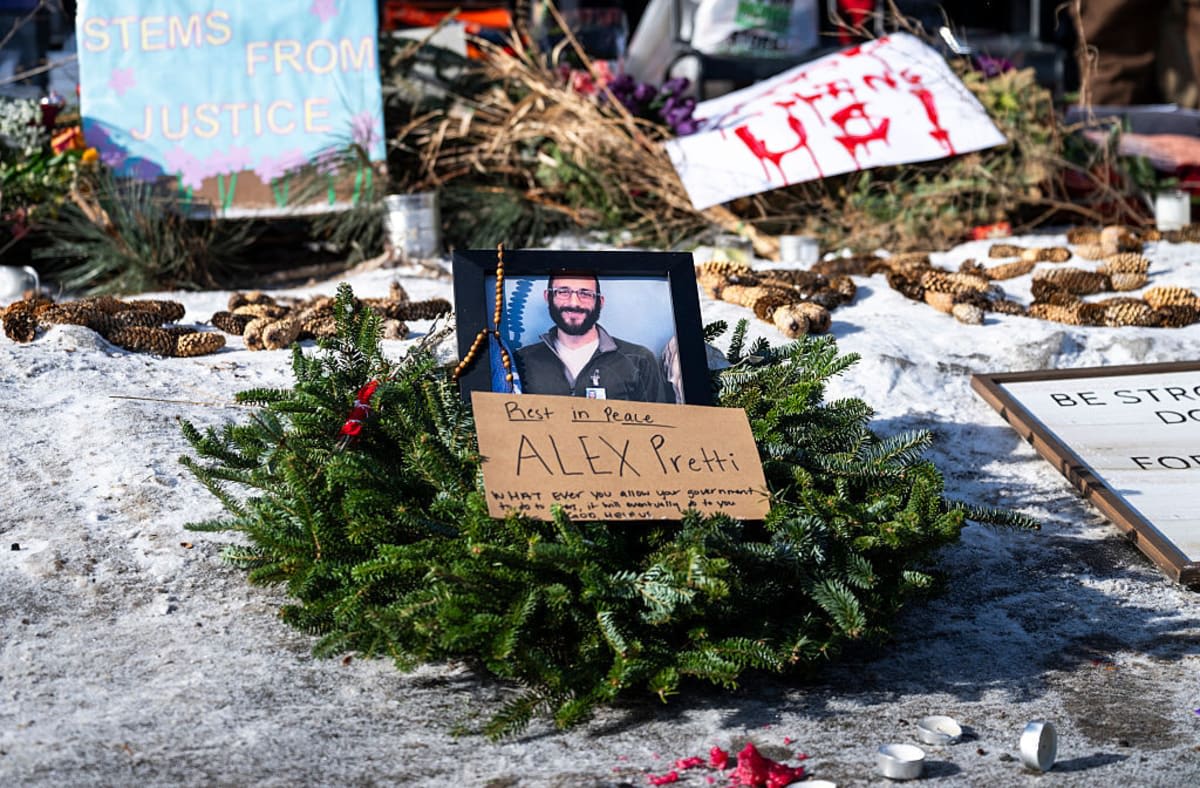
Administration officials have said some reforms are under consideration, though no final agreement has been reached. Investigations into the Minneapolis incidents are ongoing, and federal authorities have not released conclusive findings.
TSA ‘breaking point’ at nation’s airports
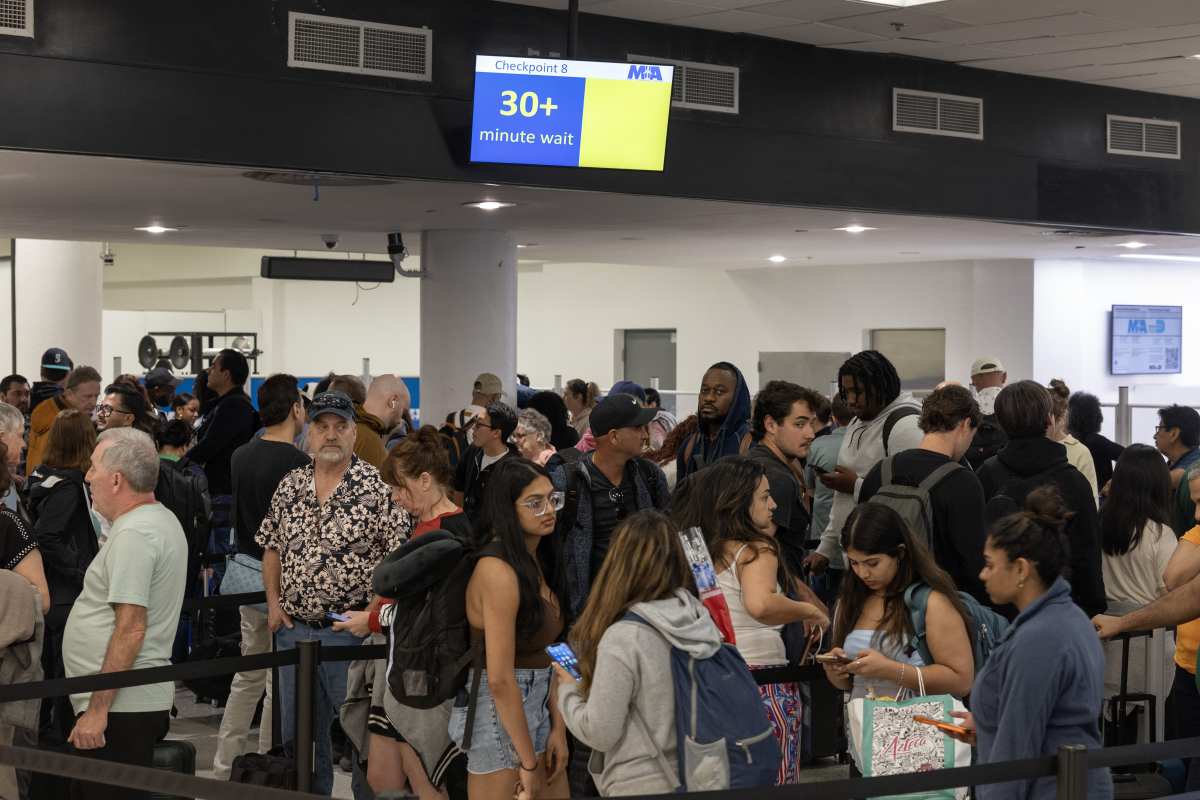
The funding dispute has had visible effects on airport operations. TSA employees have missed multiple pay cycles during the partial shutdown, contributing to staffing shortages at several major airports.
Reports from transportation officials indicate increased absenteeism and longer security wait times in cities including Atlanta and New York.
In response, President Donald Trump signed an executive order authorizing temporary funding measures to restore pay for TSA workers using previously allocated federal funds.
The administration said the move is intended to stabilize airport operations while Congress continues negotiations.
Despite the executive action, a long-term funding resolution has not been reached. Senate Majority Leader Chuck Schumer has indicated that the House-passed bill will not move forward in its current form, suggesting further negotiations will be required.