Don Bacon slams ‘lackeys’ surrounding Trump, urges Congress to push him on policies
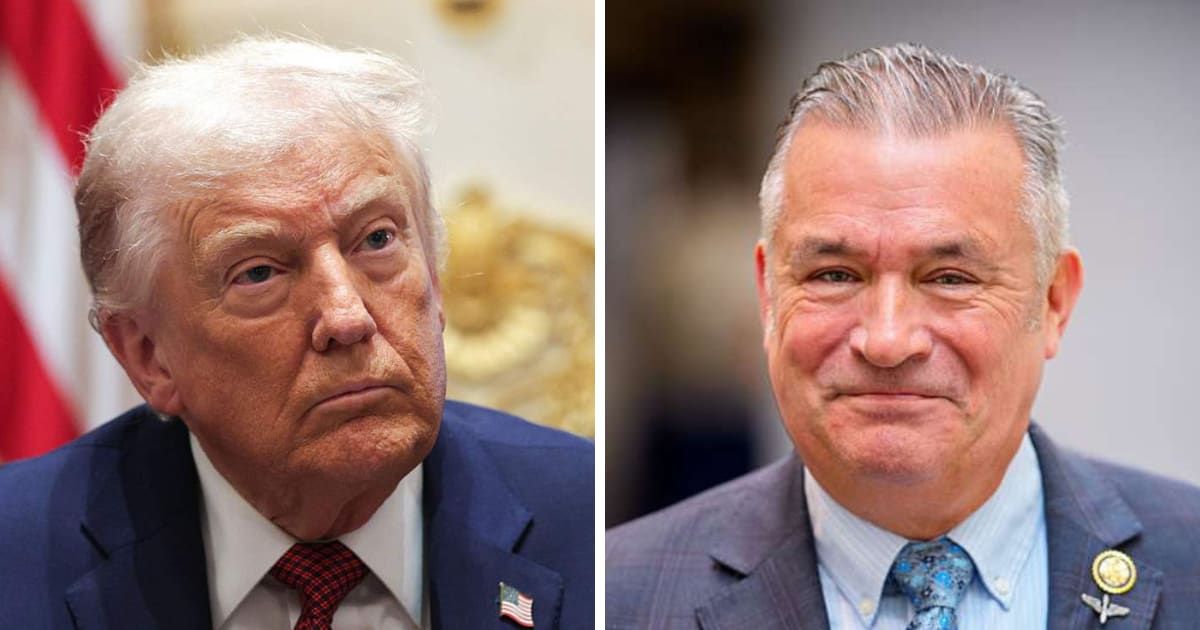
WASHINGTON, DC: Rep. Don Bacon, a retiring House Republican from Nebraska, has issued a rare warning to his own party, arguing that blind loyalty to President Donald Trump has weakened Congress and emboldened the White House.
In an interview with The New York Times published on Friday, January 2, Bacon said Republicans would better serve both the institution and the president by asserting themselves instead of acting as enablers.
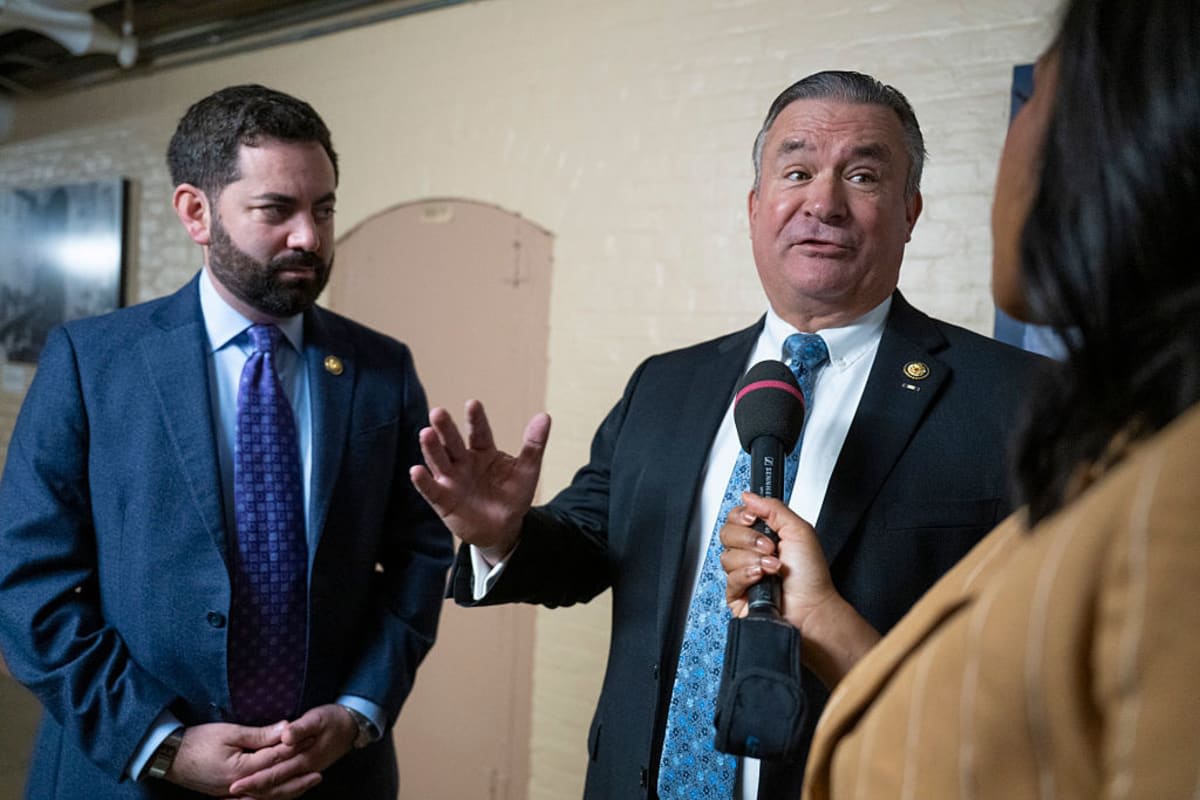
Don Bacon criticizes Republican deference to Trump
Bacon said Trump would benefit from firmer resistance within his own party, particularly in the House of Representatives.
“The president would be better off if the Republican House pushed back more,” Bacon said, adding that stronger oversight could lead to better policy outcomes.
He pointed to trade and foreign policy as key examples. “I think his tariff policy would be better. I think it would be better on Ukraine. I think we could push him in a much better direction if he was open to it,” Bacon said.
According to Bacon, excessive loyalty removes meaningful checks on presidential power. “If you feel like you have a bunch of lackeys that are going to do whatever you say, then he doesn’t feel constrained,” he said.
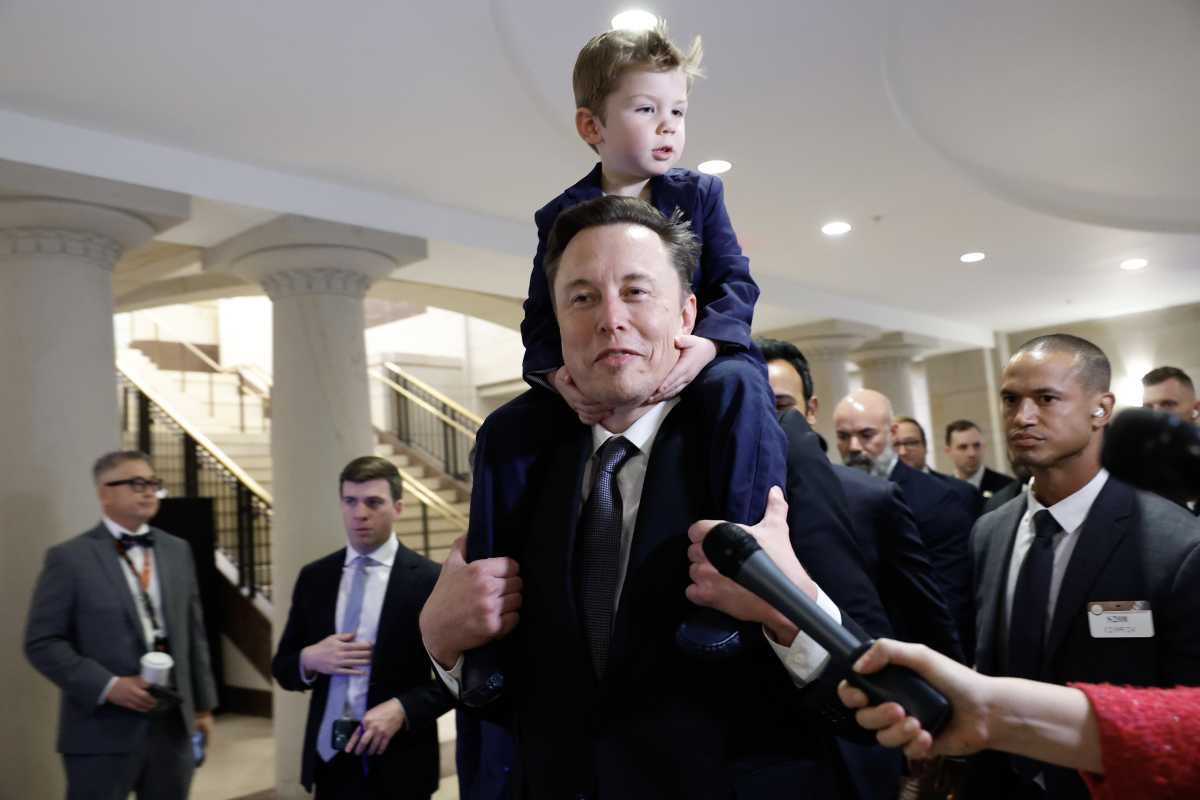
Don Bacon warns activist presidents outpace Congress
Reflecting on Trump’s early actions, Bacon described how an assertive president can move far faster than lawmakers.
“He was doing so much stuff up front, whether it was tariffs, DOGE, you name it,” Bacon said, referring to the newly announced Department of Government Efficiency.
He stressed that the structure of Congress makes rapid response difficult. “An activist president — they are going to have the advantage. You have 435 members of Congress. We are not going to be nearly as fast as the president,” he said.
Bacon’s comments come after a year in which most House Republicans avoided directly challenging Trump, even as he took sweeping actions with limited consultation.
The Times report cited multiple examples, including Trump’s decision to change the statutory name of the John F. Kennedy Center for the Performing Arts, withhold funds tied to congressional priorities, assert broad tariff authority traditionally held by Congress, and authorize military actions off South America without prior legislative approval
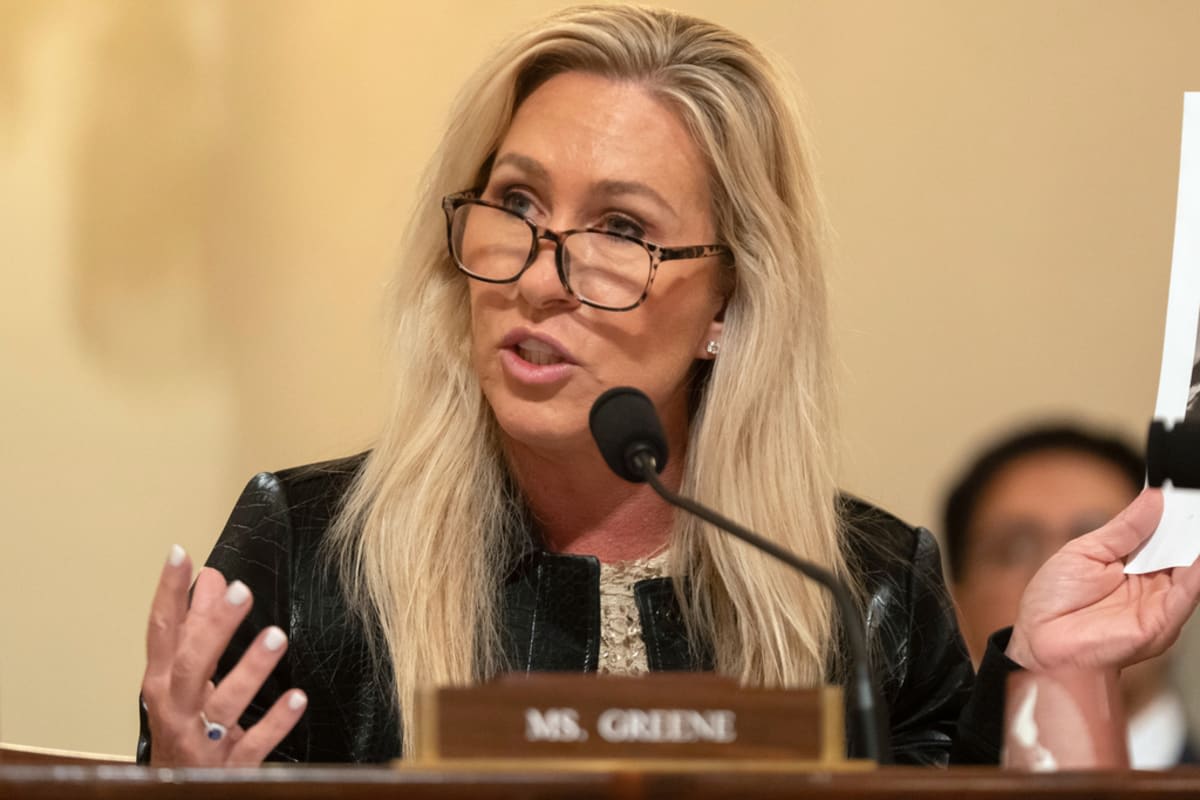
Republicans who challenged Trump policies
Despite widespread deference, some Republicans have pushed back. One of the most significant moments involved the Epstein files. After sustained pressure from Trump’s own voters demanding transparency, nearly all Republicans in Congress voted to compel the administration to release all related documents, with only one lawmaker dissenting.
Rep. Marjorie Taylor Greene, once one of Trump’s most vocal allies, has also clashed publicly with the president in recent weeks after urging the Department of Justice to release the full Epstein files.
Trump responded on Truth Social by calling Greene a “traitor,” “wacky,” and a “ranting Lunatic,” accusing her of constant complaining.
Greene pushed back, saying the language was dangerous. “He called me a traitor, and that is so extremely wrong,” she said, adding that such words could “radicalize people against me and put my life in danger.”
MTG on Trump: "the most hurtful thing he said, which is absolutely untrue, is he called me a traitor, and that is, that is so extremely wrong. And those are the types of words, um, used that can radicalize people against me and put my life in danger." pic.twitter.com/hl2hOHpQeL
— Winter (@WPolitics1) November 16, 2025
Thomas Massie questions Donald Trump foreign policy stance
Another Republican, Rep. Thomas Massie, has questioned Trump’s foreign policy rhetoric. In a recent post on X, Massie argued that US military strikes on Iran would require congressional authorization and said domestic problems should take priority.
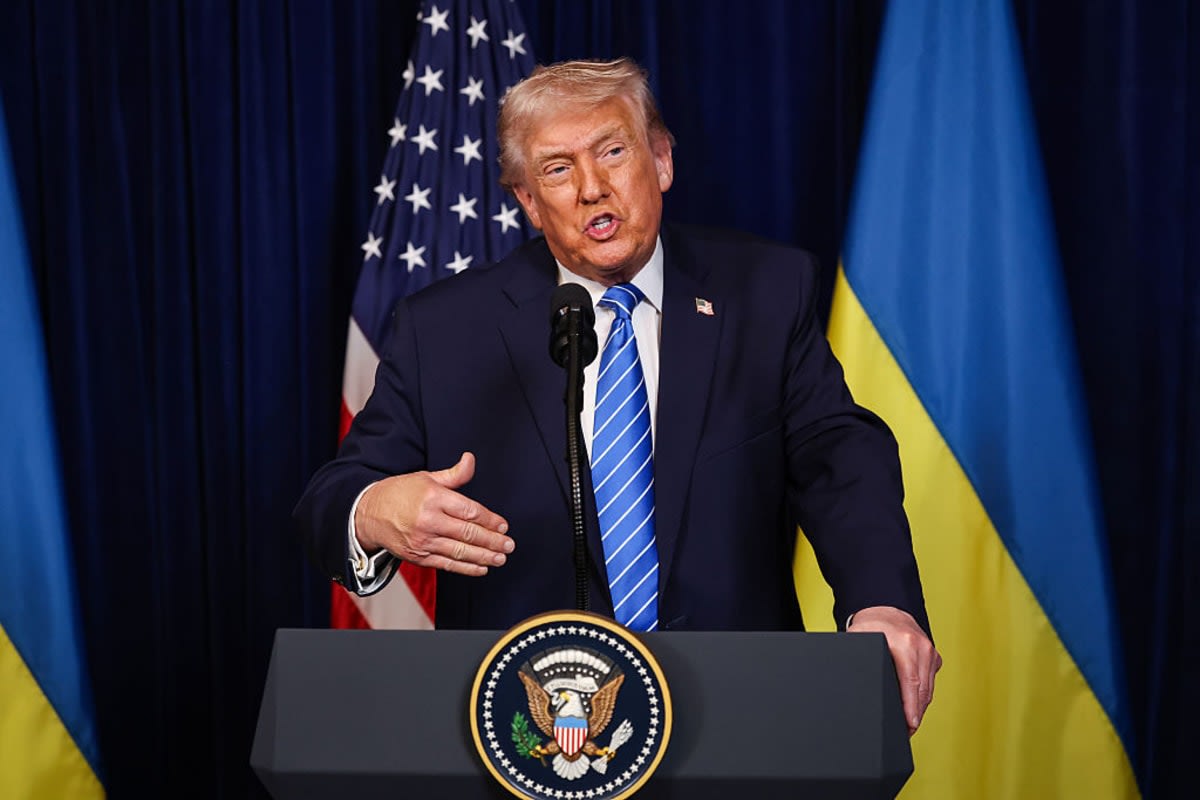
His comments followed Trump’s remarks that the United States would be “locked and loaded” if Iranian protesters were violently suppressed, reigniting debate over presidential war powers and congressional authority.