Hegseth tells NATO allies in Singapore to boost defense spending or risk losing US support
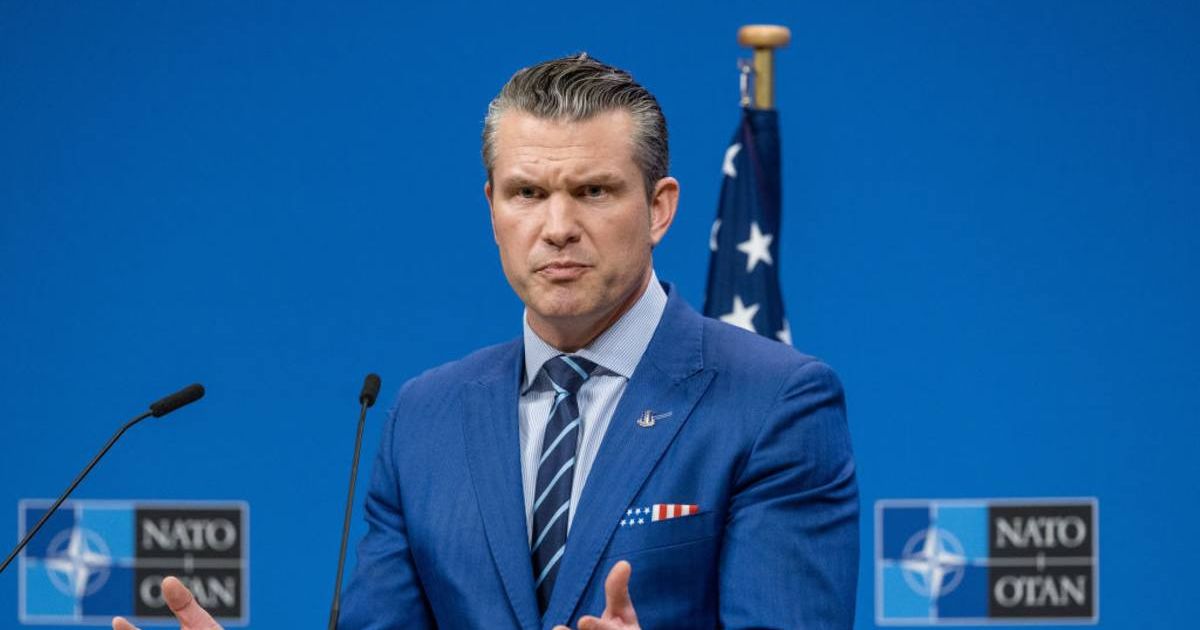
SINGAPORE: Defense Secretary Pete Hegseth used a major Asia security forum on Saturday, May 30, to deliver a sharp message to NATO allies, warning that continued reliance on American defense backing could face consequences if military spending does not rise.
Speaking at the Shangri-La Dialogue in Singapore, Hegseth said allies that fail to meet higher defense commitments could see a shift in how Washington engages with them. The remarks reinforced the Trump administration’s broader push for greater burden sharing across military alliances.
Why the Singapore setting matters for NATO defense message
Overnight recap: what happened while you were offline?
— TVP World (@TVPWorld_com) May 30, 2026
“Europe is finally playing catch-up,” said U.S. Defense Secretary Pete Hegseth [@PeteHegseth], urging NATO [@NATO] allies to boost defense spending and criticizing European nations for underinvesting in security and failing… pic.twitter.com/57PhC9arVJ
While the Shangri-La Dialogue is focused on Indo-Pacific security, Hegseth used the platform to directly address European defense spending. The choice of venue underscored Washington’s widening strategic focus and its expectations from allies across regions.
"For too long, polite pleas from our European allies to spend more on their own defence fell on deaf ears,” Hegseth said.
“They are finally playing catch-up,” he said during the annual security forum.
“Allies who refuse to step up and carry their own weight for our collective defence will face a clear shift in how we do business."
NATO defense spending targets under pressure
NATO members have pledged to increase defense-related spending targets, including commitments tied to GDP levels, but several countries are still struggling to meet them despite rising security concerns in Europe.
Hegseth stressed that alliance strength depends on shared responsibility rather than disproportionate reliance on the United States.
“You don’t have a strong alliance unless everyone has skin in the game. No freeloading,” he said.

Indo-Pacific focus and shifting US security priorities
Beyond Europe, Hegseth highlighted the Indo-Pacific as a key strategic priority, arguing that many allies in the region have already begun strengthening their defense capabilities.
He pointed to countries such as South Korea, Japan, Australia, and the Philippines as examples of consistent investment in military readiness.
“South Korea has invested consistently in its own defence, because it does not have the luxury of treating war like an academic exercise,” he said.
“They live on the front lines, and so they build real combat power.”
He added that this reflects a “clear-eyed understanding of the threat environment."
New Zealand defense spending comment draws attention
Hegseth also addressed a question from a New Zealand delegate about plans to increase defense spending from one percent to two percent of GDP.
“If I’m being honest, two percent is not enough, and so two percent is freeloading,” he said.
“I don’t have anything against New Zealand, (but) I want partners to step up,” he added.
US signals broader alliance expectations
Hegseth praised regional partners increasing defense investments but maintained that stronger alliances require equal contribution across all members.
For European governments, his remarks reinforced concerns that Washington’s attention is increasingly divided between multiple global theaters, with greater pressure on allies to independently manage regional security challenges.