Iran denies restricting Hormuz traffic, confirms safe passage under US control
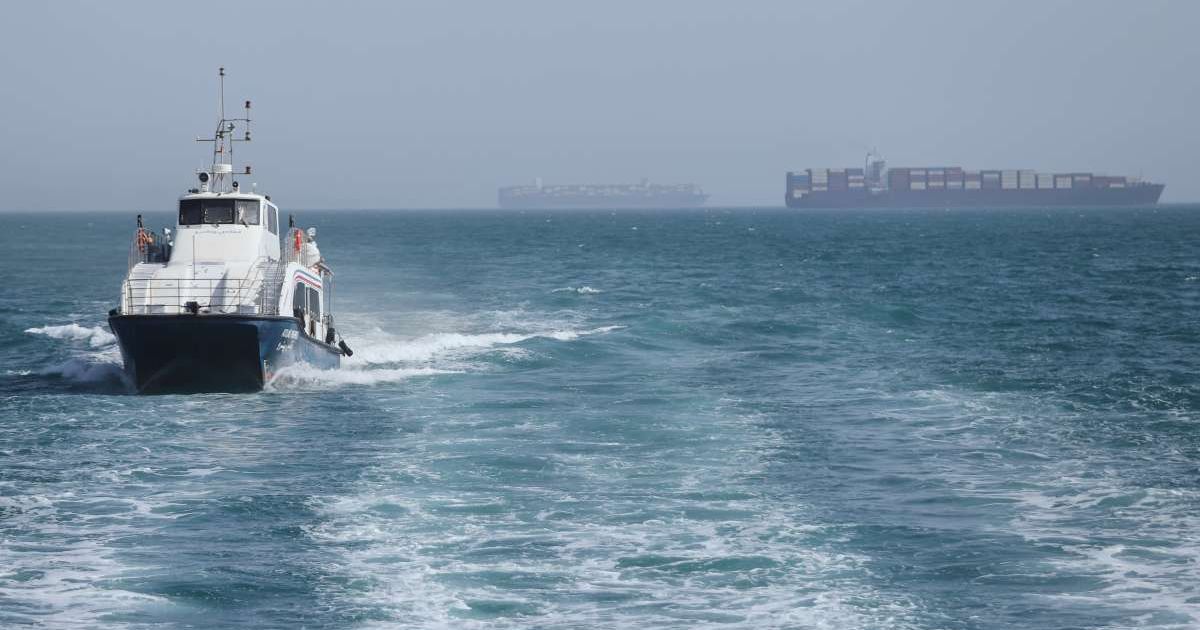
TEHRAN, IRAN: Soon after reports of the Strait of Hormuz closure surfaced on Friday, June 19, an Iranian official clarified that the Strait was open and merchant ships continued to move safely through the maritime passage.
Several reports suggested that only days after a breakthrough agreement with Washington, the Islamic Republic of Iran had abruptly re-closed the Strait of Hormuz, threatening to target any vessel entering the vital shipping lane.
Iranian ministry confirms status of Strait of Hormuz
"Iran has taken the necessary measures to ensure the safe passage of merchant ships through the Strait of Hormuz, in accordance with the memorandum of understanding on the end of the war, and maritime traffic continues on this route," Iranian Foreign Ministry spokesman Esmaeil Baqaei said in remarks released by the ministry.
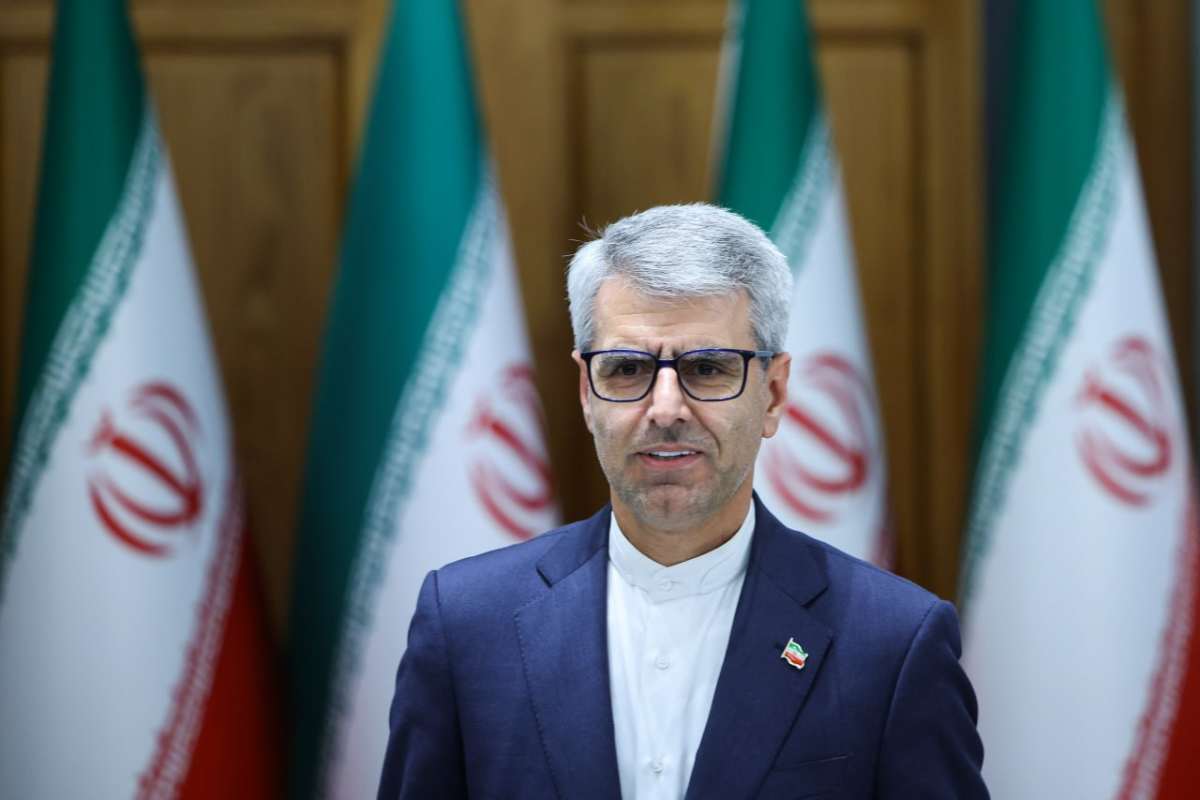
The statement was issued in response to reports from several international media outlets suggesting Iranian authorities were restricting passage through the strait.
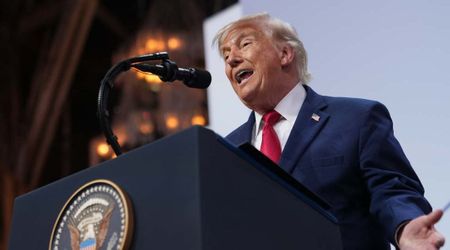
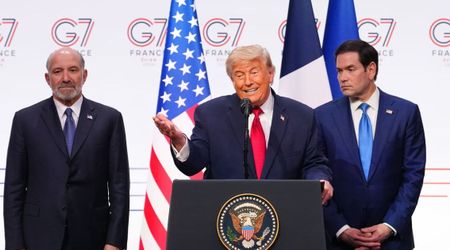
Baqaei rejected the claims made, maintaining that shipping operations remain normal under the terms of the memorandum of understanding signed this week by President Donald Trump and Iranian President Masoud Pezeshkian.
On Iran’s nuclear program, Baqaei said talks with the United States would be held within the 60-day window outlined in the agreement and would depend on both sides adhering to the conditions set out in the accord.
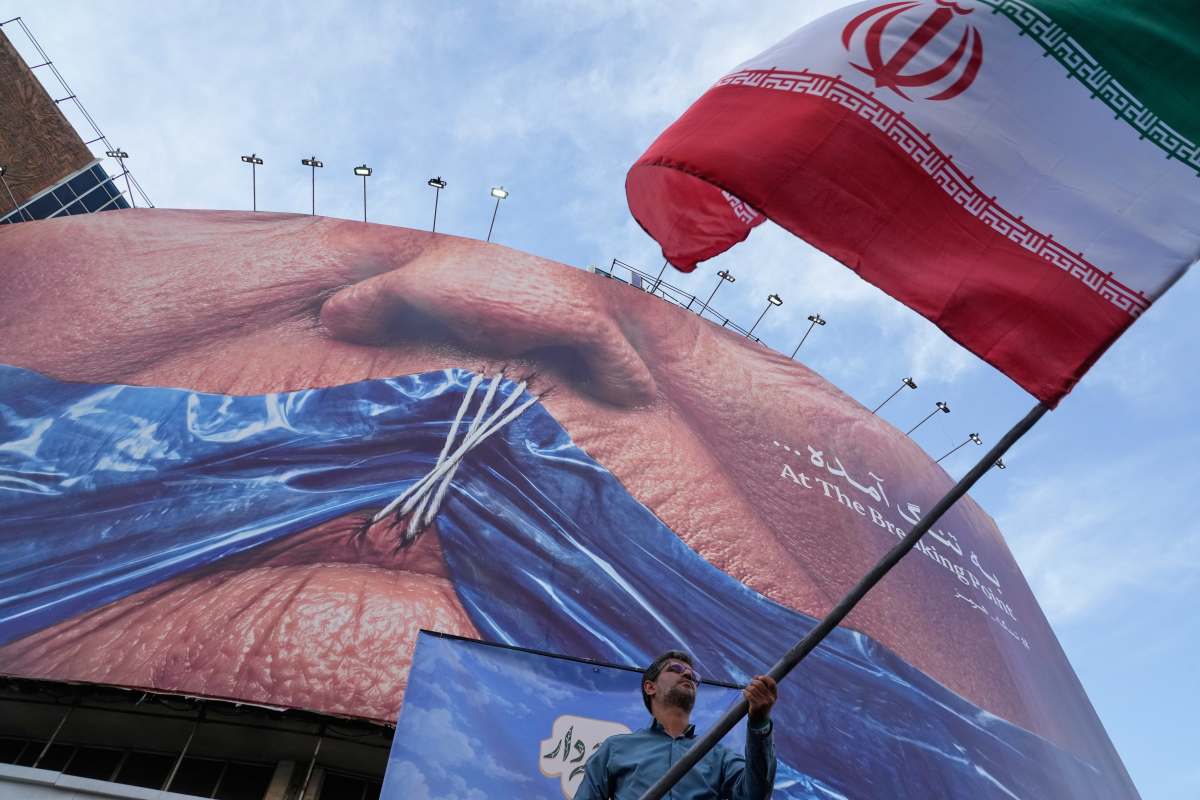
IRGC announced Hormuz closure in radio broadcast
The Islamic Revolutionary Guard Corps had reportedly announced the closure of Hormuz in its statement, which was broadcast on maritime radio channels on Friday.
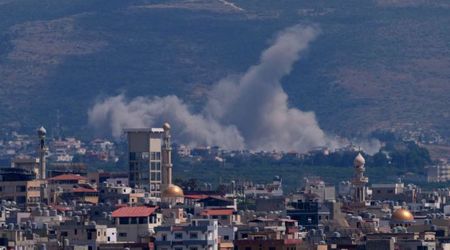
"Since Israel's withdrawal from Lebanon, the complete lifting of the naval blockade and the withdrawal of American forces from the Persian Gulf and the region are among the main conditions of the agreement between Iran and the United States," the broadcast reported.
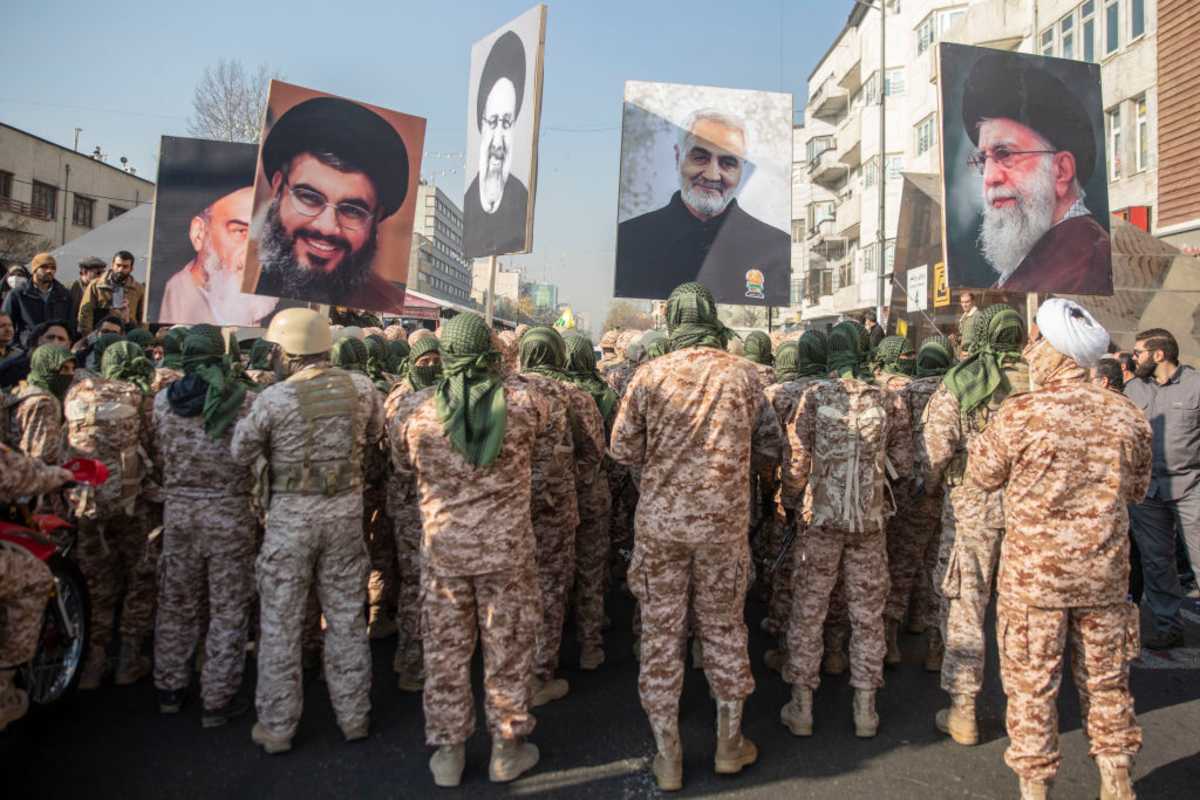
"The Strait of Hormuz will remain closed until these conditions are met," it added. "All ships are requested, for the sake of their security and safety, not to approach the Strait of Hormuz. Any vessel that defies this directive will be targeted."
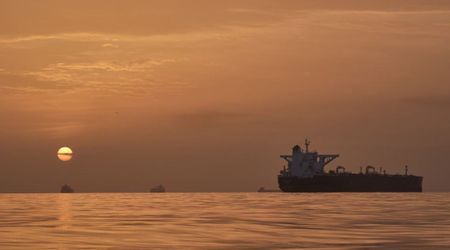
The Strait of Hormuz is one of the world's most critical maritime choke points, carrying roughly one-fifth of global oil shipments and significant volumes of liquefied natural gas.
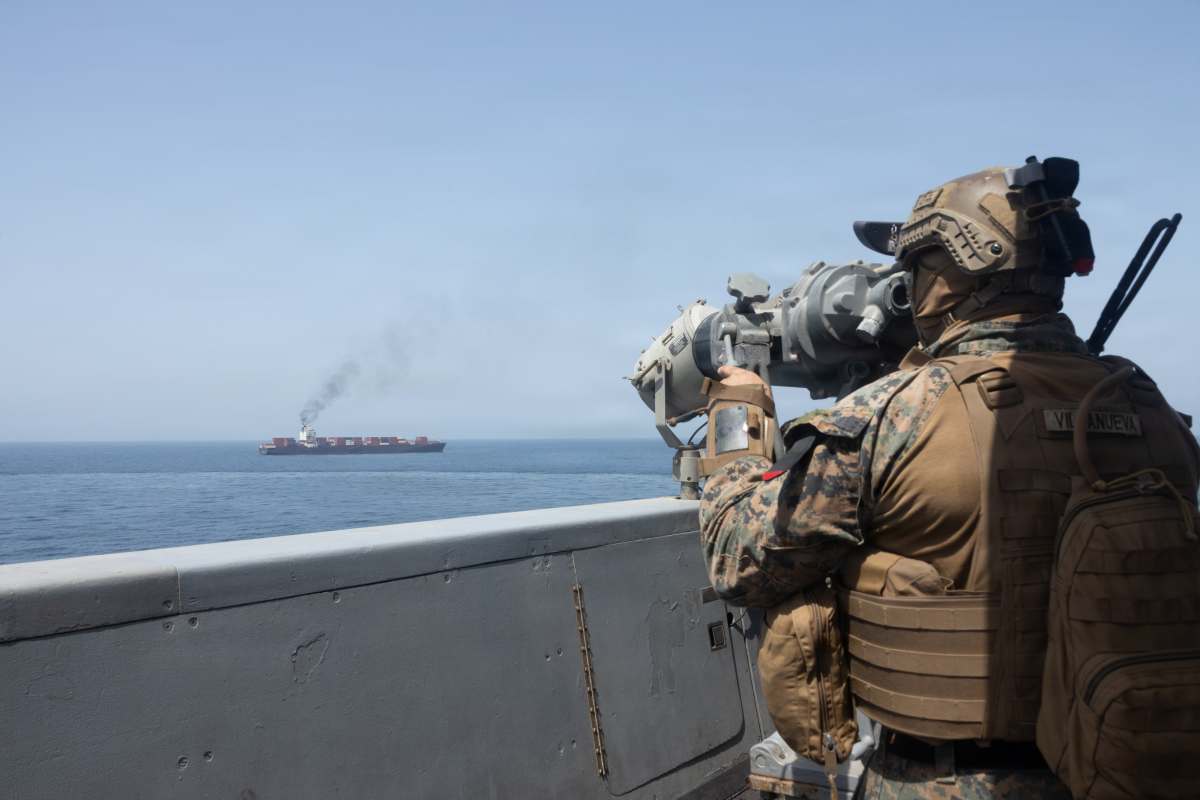
Any disruption to traffic through the narrow waterway has the potential to affect global energy markets.