Iran fires two missiles at Diego Garcia base, pushing strike beyond known range limits
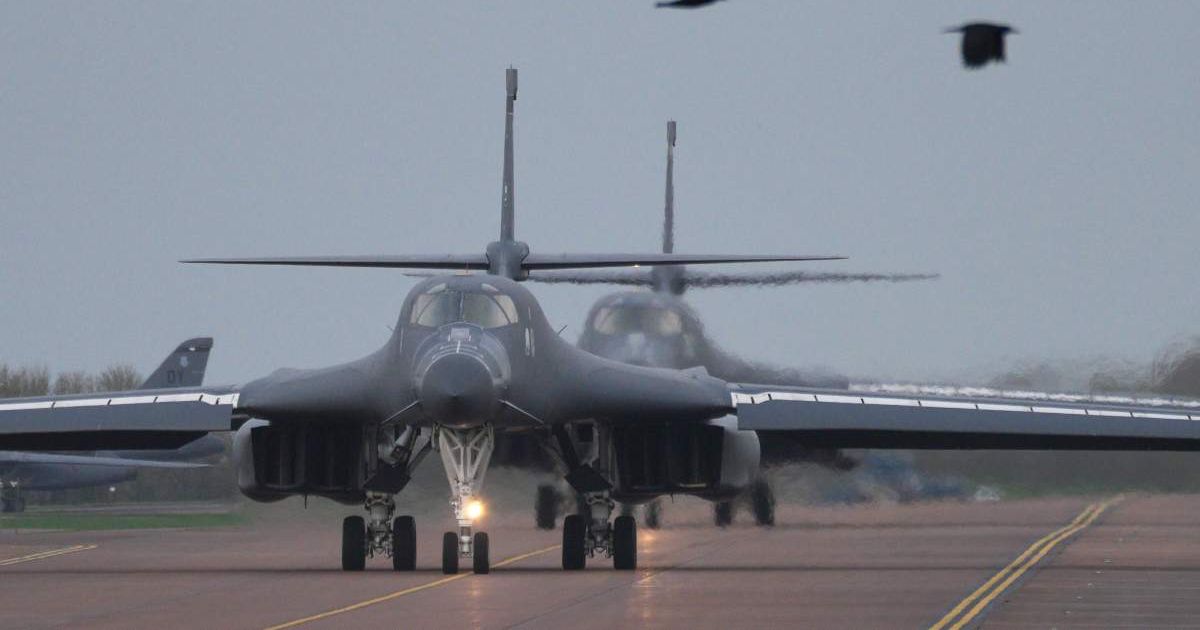
TEHRAN, IRAN: Iran fired two ballistic missiles at the joint US-UK military base at Diego Garcia, according to The Wall Street Journal on Saturday, March 21, citing multiple US officials.
The base, located in the middle of the Indian Ocean, serves as a critical strategic hub for US military operations, hosting bombers, nuclear submarines, and guided-missile destroyers. One missile reportedly failed mid-flight, while the other was targeted by a US warship, though it remains unclear whether it was successfully intercepted.
Iran’s missile capabilities and Diego Garcia strike analysis
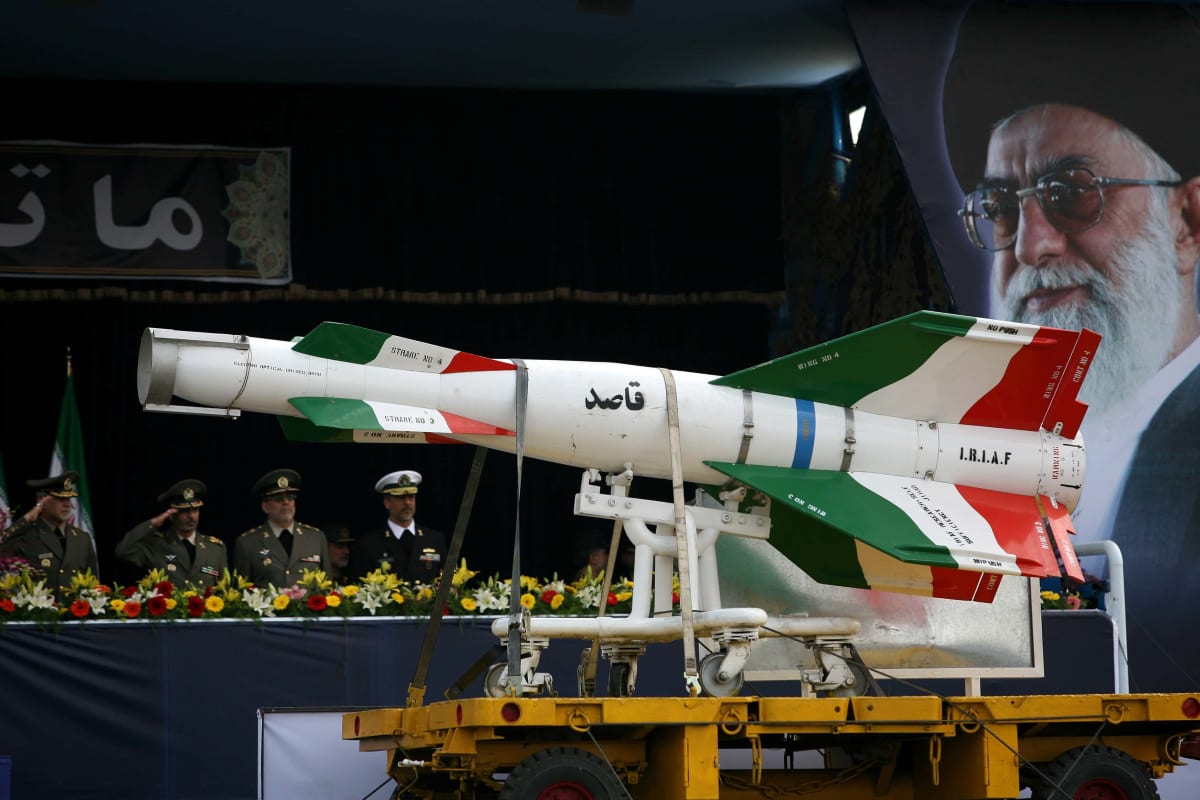
A report by the Alma Research and Education Center at the outset of the war noted that Iran’s missile arsenal largely consists of short-range ballistic missiles with a reach of up to 1,000 kilometers and medium-range systems capable of extending to 3,000 kilometers.
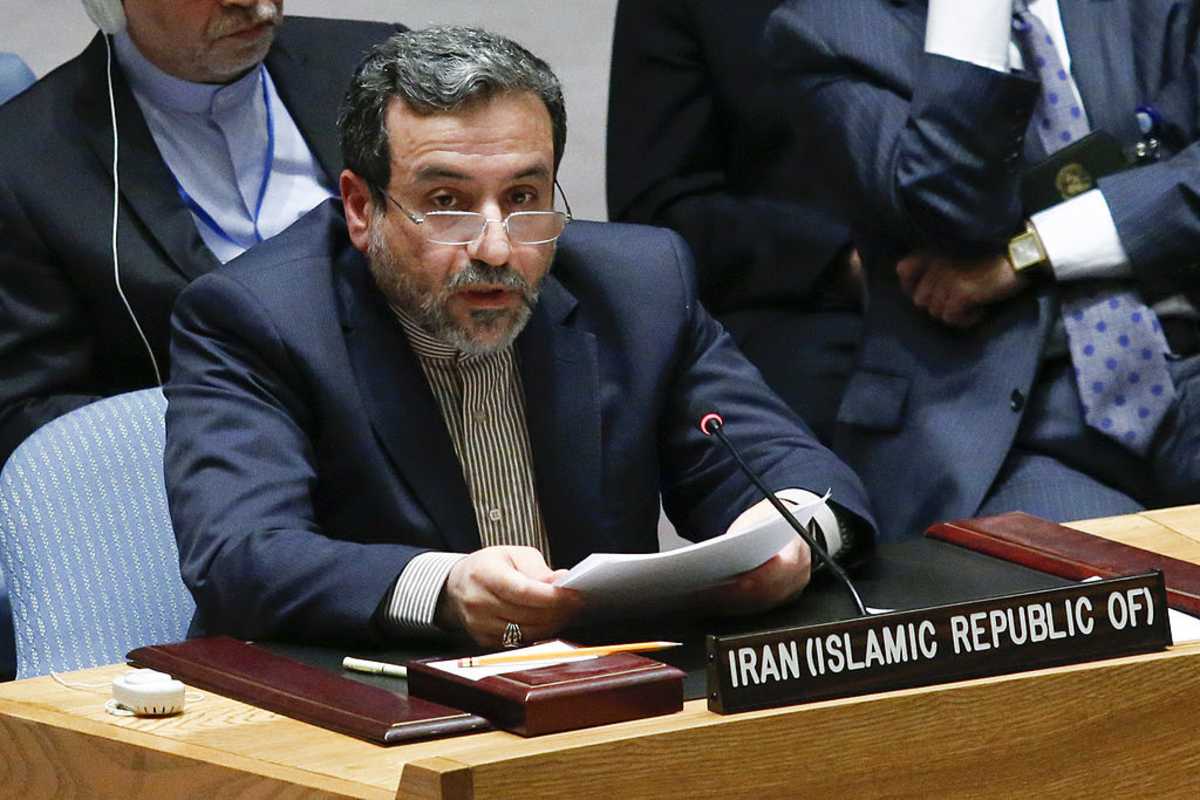
Long-range ballistic missiles are in advanced stages of development. The attempted strike on Diego Garcia is significant because the base lies approximately 4,000 kilometers from Iran, exceeding the 2,000-kilometer range cited last month by Iranian Foreign Minister Abbas Araghchi.
Despite the launch, neither missile struck the base, according to officials cited by The Wall Street Journal.
Separately, Iranian strikes on US military facilities across the Middle East have caused an estimated $800 million (£600 million) in damage during the first two weeks of the war, based on analysis by the Center for Strategic and International Studies and the BBC.
Much of this damage occurred during initial retaliatory actions, targeting air defense and satellite communication systems in countries such as Jordan and the United Arab Emirates. A notable portion of the damage resulted from a strike on a US radar supporting a THAAD missile defense system at an air base in Jordan.
Iran escalates energy threats amid South Pars strike
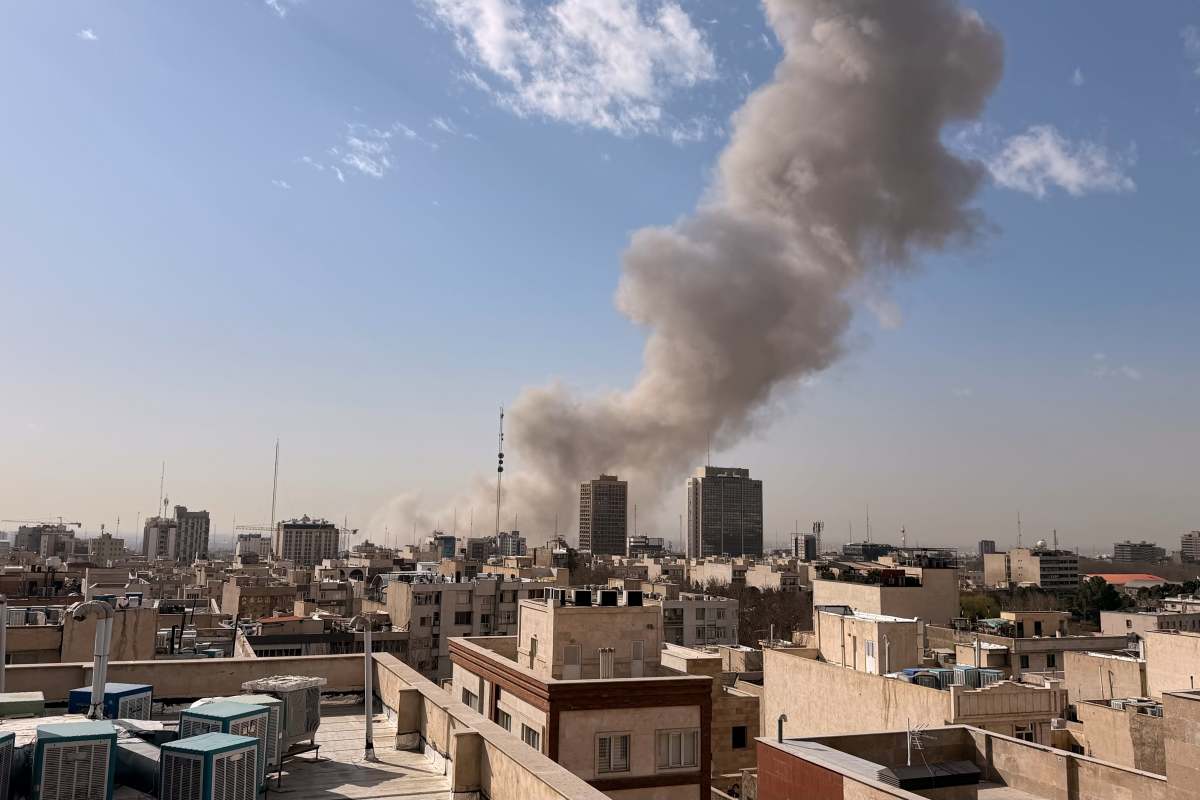
The conflict further intensified after Iran’s South Pars gas field was struck by Israel on Wednesday, March 18, marking the first reported attack on Iranian energy infrastructure in the Gulf during the war.
The strike prompted Iran to warn neighboring countries that their energy installations could be targeted imminently. Oil prices rose above $108 per barrel in response.
Saudi Arabia reported intercepting four ballistic missiles aimed at Riyadh and thwarting a drone attack on a gas facility in its eastern region. Qatar, which operates facilities in the South Pars field, criticized Israel’s actions, with Foreign Ministry spokesman Majed Al Ansai calling the strike “reckless and irresponsible.”
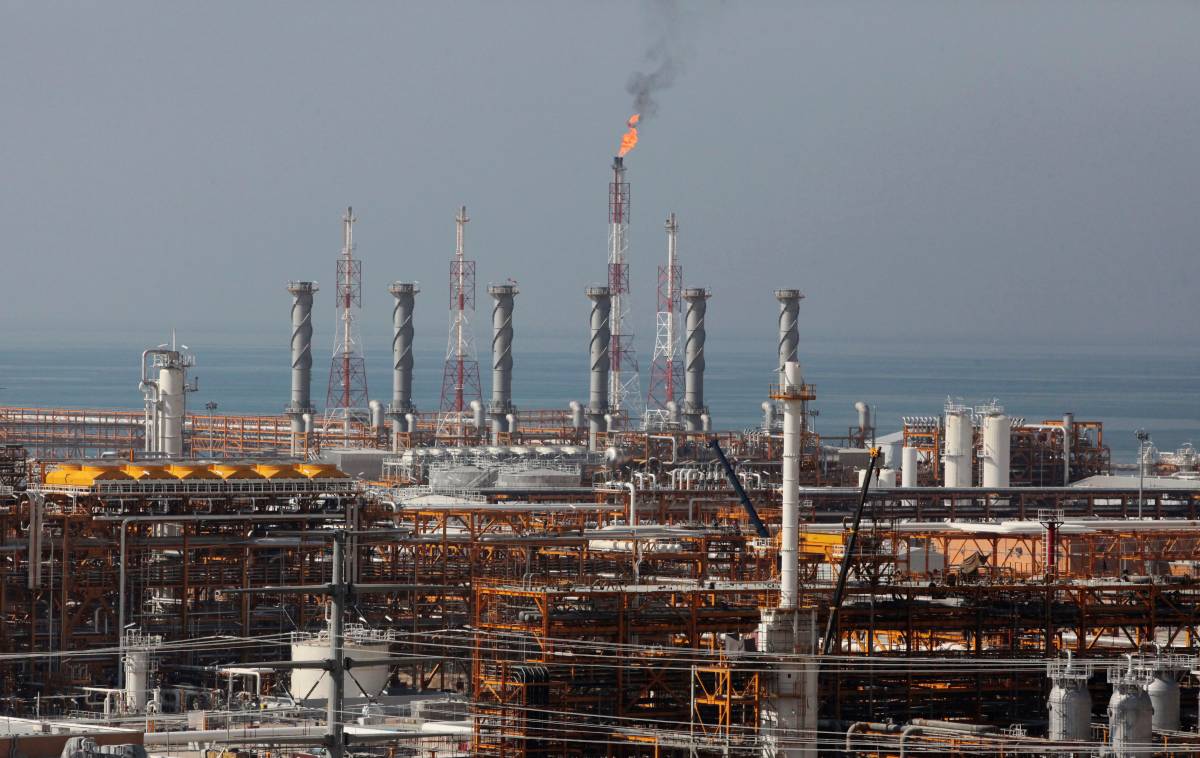
Iran subsequently issued evacuation warnings for civilians near key energy installations, including the SAMREF refinery, al-Jubail petrochemical complex, and Masaiid Holding Company in Saudi Arabia, as well as areas near the al-Hosn gas field in the UAE and the Ras Laffan refinery in Qatar.
In a statement, the Iranian military warned that any targeting of its energy infrastructure would prompt “severe retaliation against the source of aggression,” including strikes on fuel, gas, and economic infrastructure.
As tensions escalate, Saudi Arabia is set to host foreign ministers in Riyadh to discuss the conflict and potential resolutions. Meanwhile, Israeli airstrikes have resulted in the deaths of key Iranian officials, with President Masoud Pezeshkian confirming the killing of Intelligence Minister Esmail Khatib and former Defense Minister Aziz Nasirzadeh.