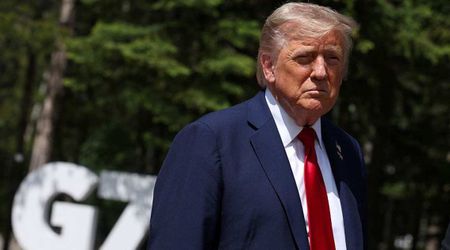
Iran's chief negotiator and US trade blows over peace talks as Trump raises the stakes
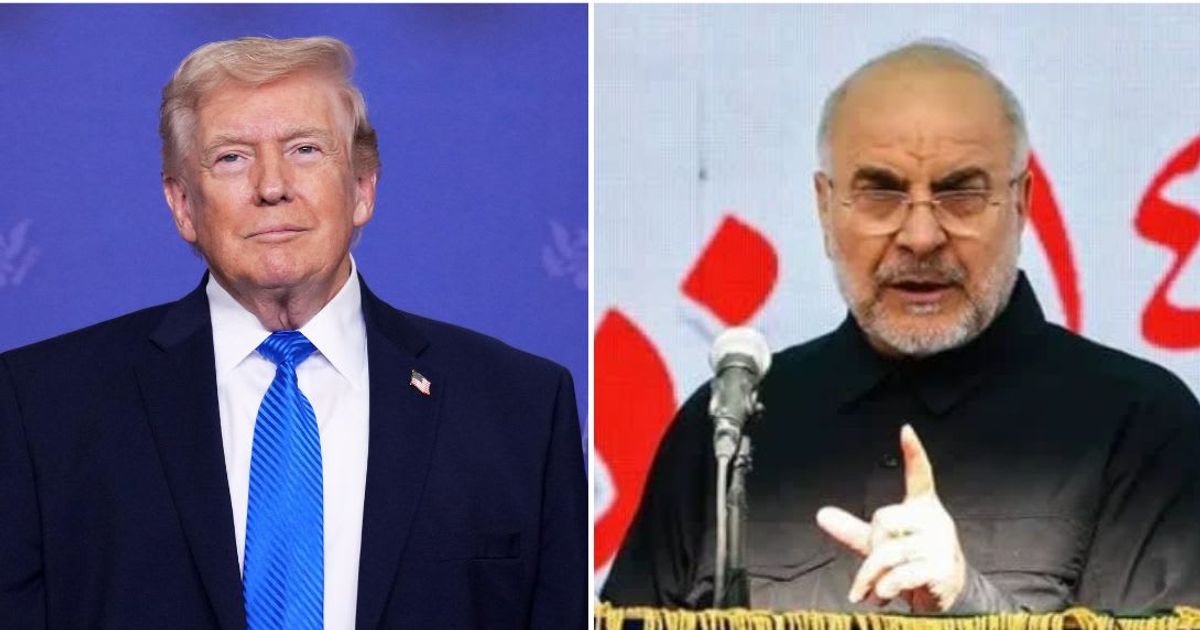
TEHRAN, IRAN: A day after Secretary of State Marco Rubio indicated that there was slight progress in the peace talks with Iran, Tehran’s top negotiator said it would not compromise on its national rights, accusing the US of not being an honest party in negotiations to end the war.
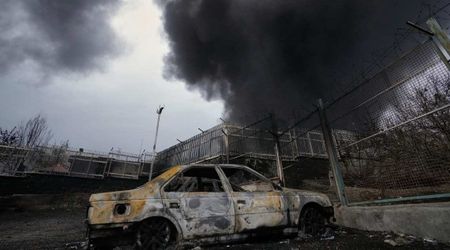
A mediation effort led by Pakistan has sought to narrow differences between the US and Iran following a 10-week war that left the Strait of Hormuz, one of the world’s most critical energy shipping routes, largely closed despite a temporary ceasefire brokered earlier in April.
Iranian negotiator says the US has 'no honesty at all'
Parliament speaker and Iran’s top negotiator Mohammad Bagher Ghalibaf told Pakistani Army Chief Asim Munir during talks in Tehran on Saturday, May 23, that the US was not an honest party in negotiations, state television reported.
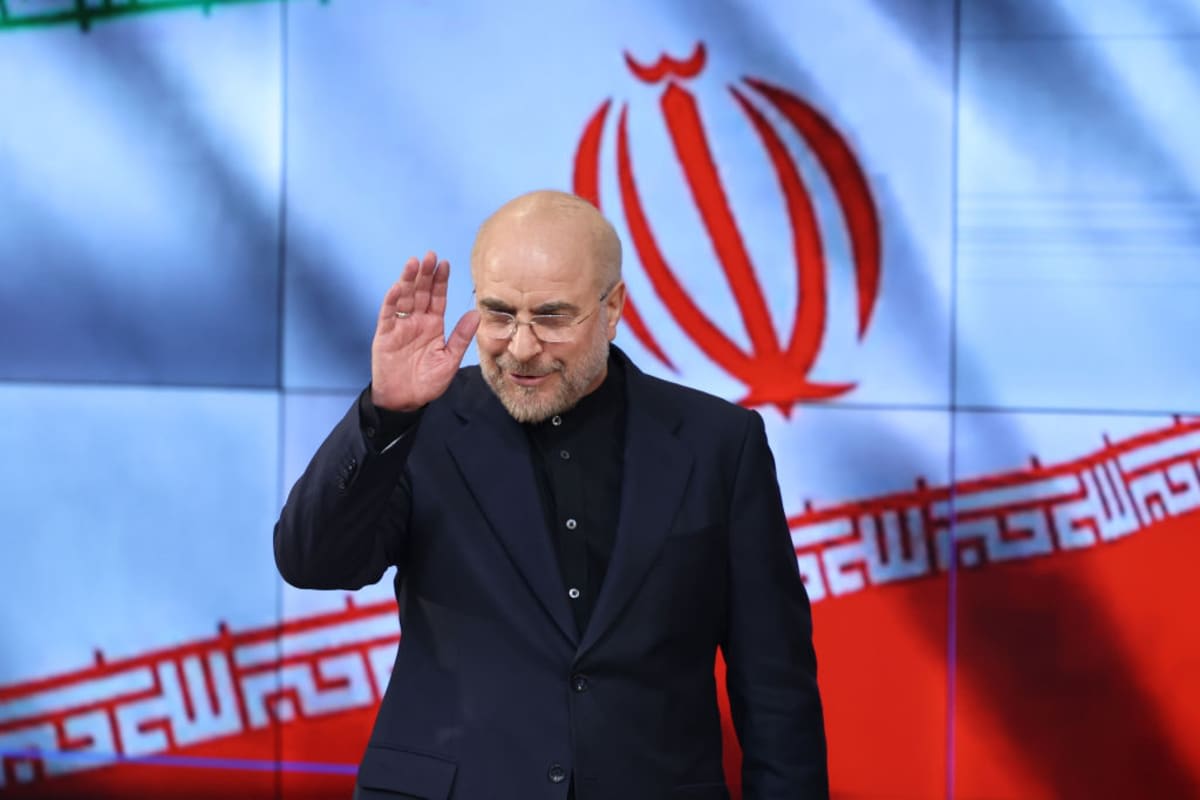
According to media reports, Asim Munir also met President Masoud Pezeshkian in the presence of Foreign Minister Abbas Araghchi. Before leaving Iran, the Pakistani army chief held meetings with Araghchi twice.
The discussion reportedly revolved around the 14-point peace proposal by Iran, which the Middle Eastern country considers the main framework for discussion and message exchange between the two sides.
Ghalibaf said Iran would pursue its "legitimate rights," both on the battlefield and through diplomacy, but added that it could not trust "a party that has no honesty at all," an allegation Iran has made several times before.

He said Iran's armed forces had rebuilt their capabilities during the ceasefire and that, if the United States "foolishly restarts the war," the consequences would be "more forceful and bitter" than at the start of the conflict.
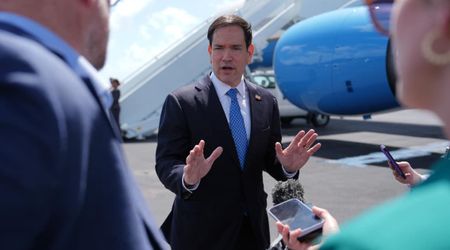
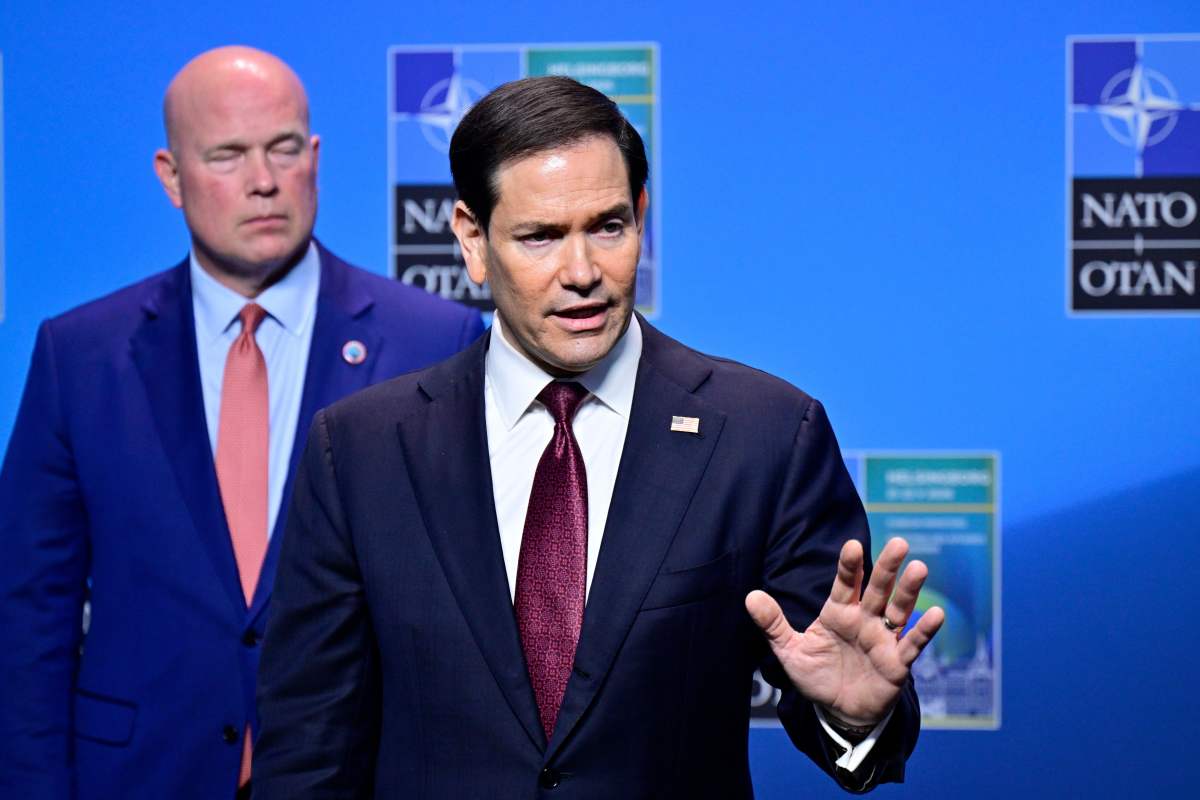
This comes a day after Rubio said that the peace talks were moving in a positive direction before he met NATO ministers in Sweden, where he suggested that NATO allies needed to do something if Iran didn’t open the Strait of Hormuz.
While Rubio said the US saw some progress, Iran's foreign ministry said the differences remained deep and significant.
US-Iran war drags on despite temporary ceasefire
The conflict between the US and Iran started on February 28, early this year, when the US and Israel launched a joint military attack on Iran, killing the then Supreme Leader of the Islamic Republic Ayatollah Ali Khamenei.
The war, which was earlier estimated to last only a few weeks, extended to 10 weeks before a fragile temporary ceasefire was brokered by Pakistan early in April.
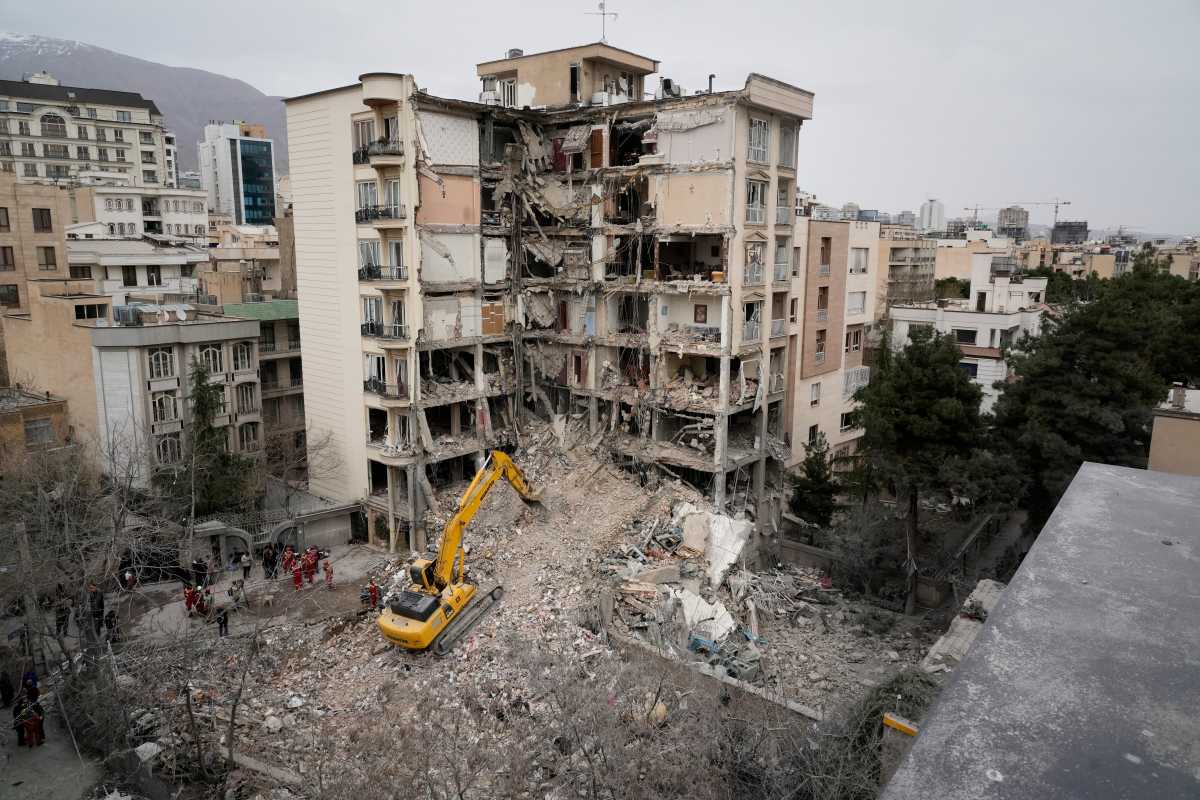
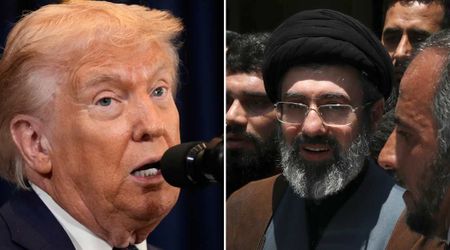
Amid the intense diplomatic efforts to secure a permanent peace deal between the parties, Trump has repeatedly threatened to launch fresh attacks on Iran, reportedly over its frustrating tactics to not hand over enriched uranium to the US.