Kevin Hassett bets on 4-5% US growth, waves off Iran war as 'temporary distraction'
Kevin Hassett: "The fact is that in terms of policy a supply shock like an oil shock is widely regarded in the economic literature as something you're supposed to look through. This is a temporary disruption and not like something that affects long-run inflation. I think rates… pic.twitter.com/bIC6EhMX0Q
— Aaron Rupar (@atrupar) April 9, 2026
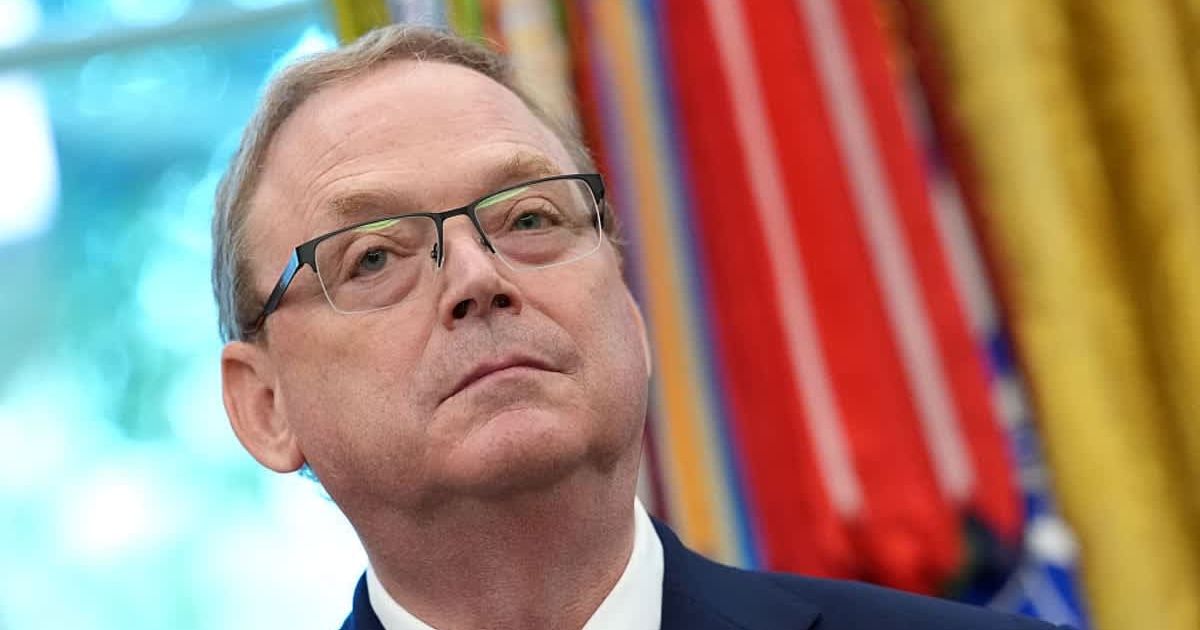
WASHINGTON, DC: Director of the National Economic Council Kevin Hassett said the United States is poised for robust economic growth despite the ongoing war with Iran, describing the conflict as a “temporary distraction.”
In an interview with Fox Business on Thursday, April 9, Hassett maintained his projection of 4-5% growth, citing the expected impact of deregulation and tax cuts.
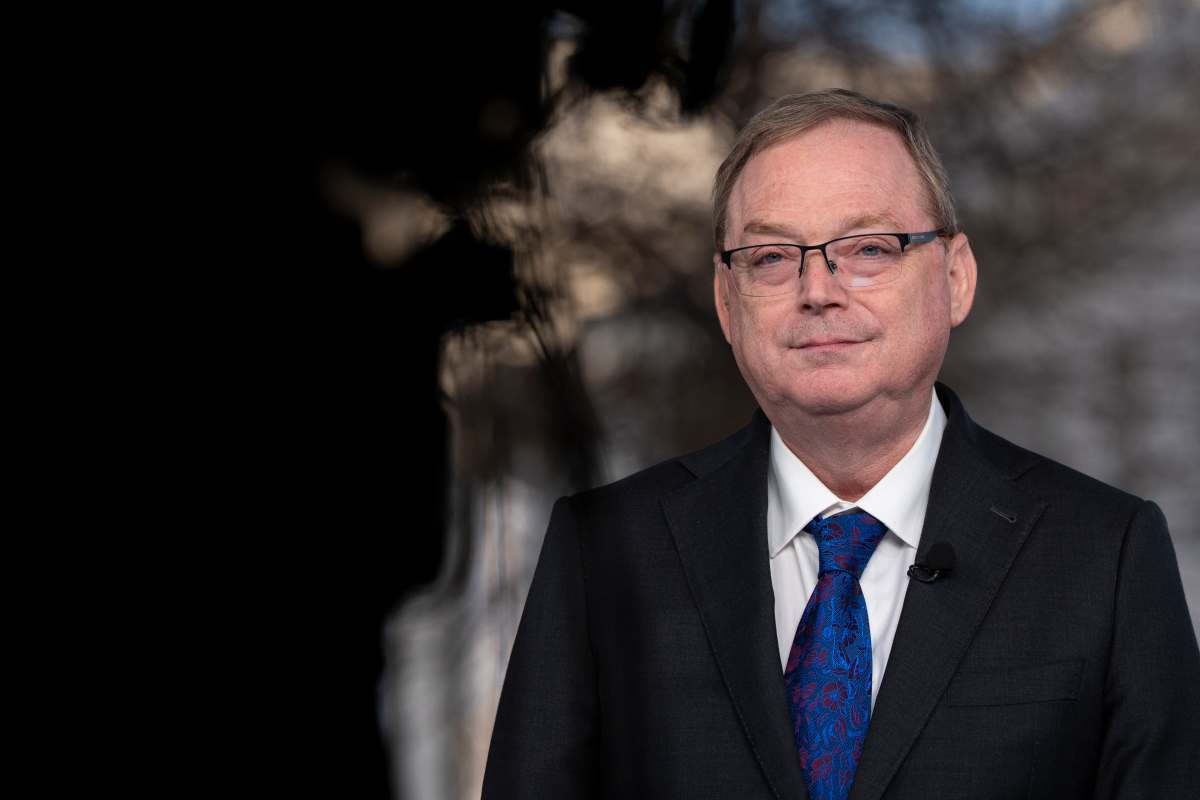
War seen as a short-term disruption
Hassett downplayed the economic fallout from the conflict, expressing confidence that its effects would fade quickly.
“I think this is a temporary distraction that will very, very quickly go away,” he said, reiterating his earlier forecast for strong expansion this year.
His optimism comes even as fresh data shows a slowdown in economic momentum. The latest US gross domestic product figures indicate the economy expanded at an annualised rate of just 0.5% in the October–December quarter, underscoring a sharp deceleration.
Economists say the weaker reading reflects reduced consumer spending, tighter financial conditions, and uncertainty linked to geopolitical tensions.
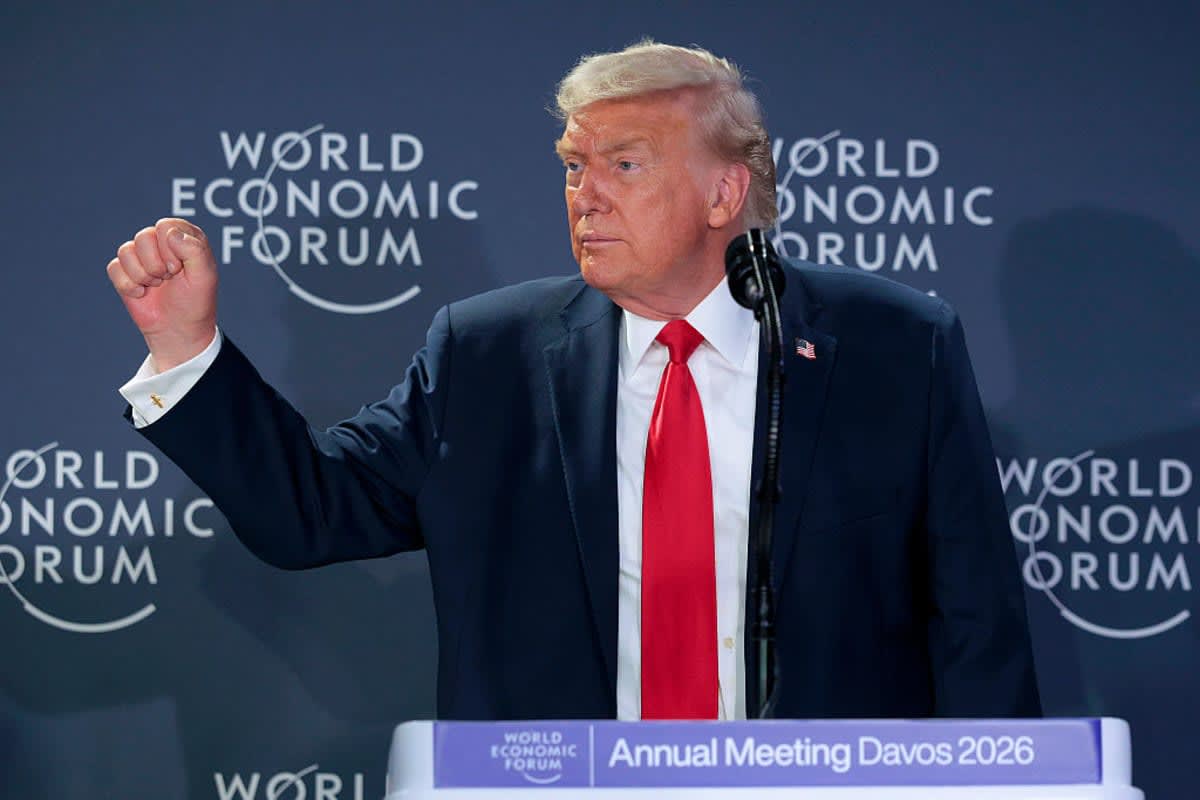
Kevin Hassett says policy levers in focus
Hassett emphasized that the administration’s economic strategy, anchored in deregulation, tax relief, and pro-business policies, would help offset any near-term shocks from the conflict.
He argued that improved business sentiment and investment flows could accelerate growth in the coming quarters, particularly if global energy markets stabilize and supply chains remain intact.
On diplomatic efforts to end the conflict, Hassett declined to provide specifics but dismissed Tehran’s initial demands as unrealistic.
He said US negotiators are working toward a potentially “great deal” with Iran, adding to cautious optimism in policy circles that a resolution could ease market volatility.
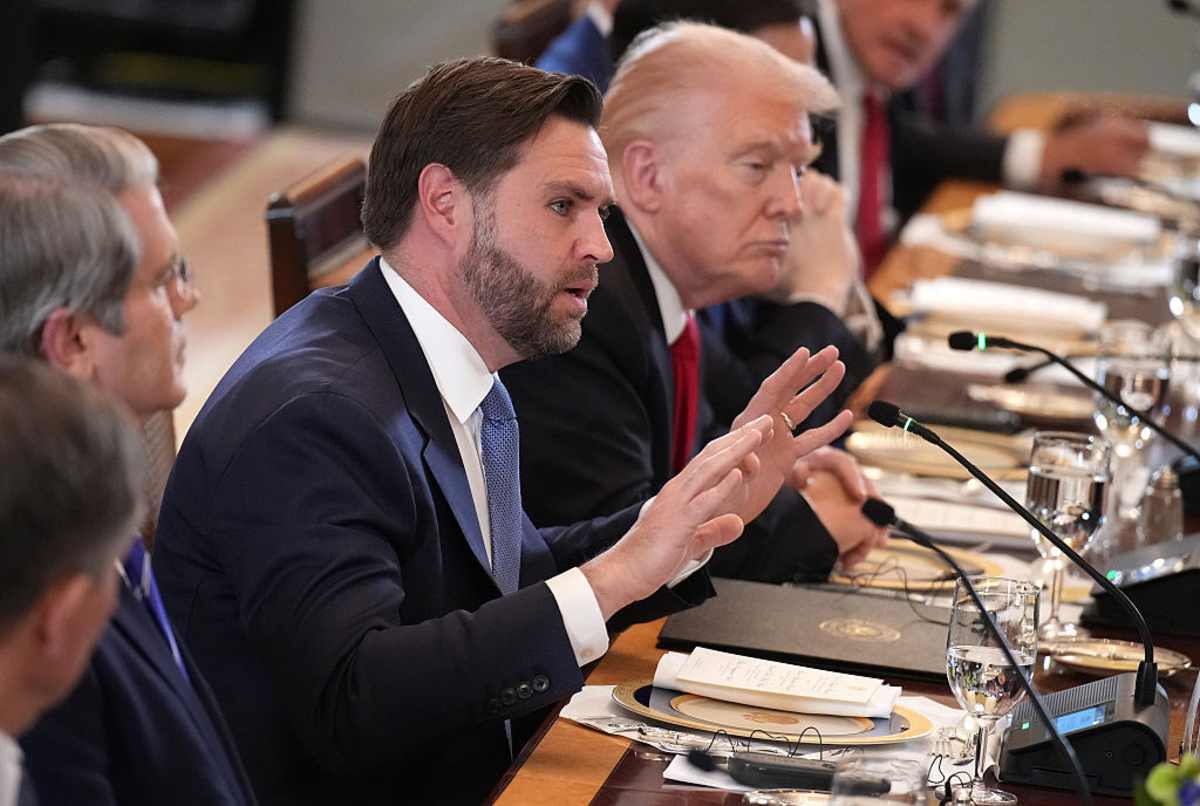
Confusion over peace proposals
JD Vance said multiple proposals have been floated to end the war, contributing to uncertainty around negotiations.
According to Vance, an initial plan was rejected, while a subsequent proposal was viewed as more reasonable, suggesting talks remain fluid and evolving.
Analysts note that clarity on the diplomatic track will be key to restoring investor confidence and sustaining economic momentum.
The emerging contours of a possible peace deal between Washington and Tehran remain fluid, with a temporary ceasefire serving as a bridge to more formal negotiations.
Mediated largely by Pakistan, the framework envisions a two-phase process an immediate halt to hostilities followed by structured talks aimed at a longer-term settlement.
At the centre of discussions is Iran’s sweeping 10-point proposal, which calls for a permanent end to the war, lifting of US sanctions, release of frozen assets, and guarantees against future military action.
Tehran has also pushed for continued control and security arrangements in the Strait of Hormuz, a critical global oil route.

However, major sticking points persist. The United States has signaled openness to limited sanctions relief but insists on curbs on Iran’s nuclear program and broader regional de-escalation.