Pelosi and Greene retirements spotlight $38M-a-year Congressional pension perk

WASHINGTON, DC: The retirements of several congressional lawmakers, including Representatives Marjorie Taylor Greene, R-Ga., and Nancy Pelosi, D-Calif., have drawn increased scrutiny to the $38 million annual cost borne by taxpayers for Congressional pension benefits.
Greene's retirement timing and Pelosi's expected payout have reignited calls to reform or abolish the pension program for former lawmakers.
Marjorie Taylor Greene retirement secures pension eligibility
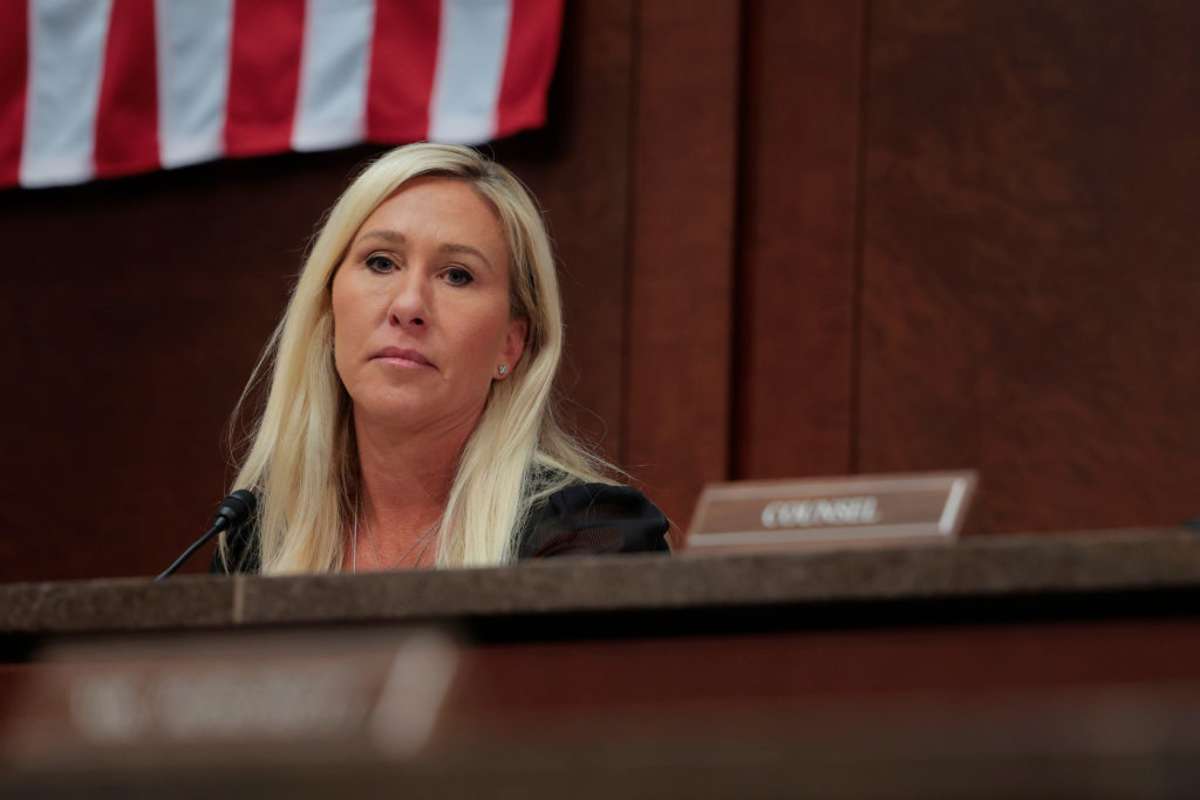
Representative Marjorie Taylor Greene announced she would retire on January 5, 2026, a date that appears strategically chosen to meet her pension eligibility. Under federal law, members qualify for annual pension benefits after five full years of service. Demian Brady, vice president of research at the National Taxpayer Union Foundation, noted that Greene, who took office on January 3, 2021, timed her resignation to ensure she became vested.
"I can’t read her mind, but it certainly seems as if it was timed to make sure she got vested,” Brady said. He added, “Since she wasn’t in Congress for very long, it’s not a huge pension, but it’s a little extra that she’s going to get."
Using the Federal Employees Retirement System (FERS) formula, Brady estimated Greene will collect $8,717 annually starting at age 62, totaling more than $265,000 over her lifetime.

Nancy Pelosi pension and program cost under scrutiny
Meanwhile, Pelosi's estimated annual pension would be among the largest for any current or former member of Congress under FERS, due to nearly 40 years of service and her tenure as House Speaker. Brady projected Pelosi could receive about $107,860 annually after her retirement in 2027.
Retirement benefits for former lawmakers totaled over $38 million in 2022. The average annual FERS pension was $45,276, while the closed Civil Service Retirement System paid $84,504 to 261 enrollees that year.

Thomas Massie pushes to end Congressional pensions
The retirements of Nancy Pelosi and Marjorie Taylor Greene have renewed attention on the effort to abolish congressional pensions, with Rep. Thomas Massie (R-Ky.) among the most vocal advocates. Massie supports ending the perk but does not blame Greene for accepting the accepting it, explaining, “Senators can opt out of paying into FERS, but Representatives may not. So Representative Greene was unable to decline participation in FERS. If a member is required to pay into the program, they should be able to receive it.”
Massie plans to reintroduce legislation that would end pension eligibility for House lawmakers under FERS and a separate bill to make participation optional. He said, “If congressmen want to save for retirement, they should do so with 401(k)-type plans, rather than rely on taxpayers to take care of them even after leaving Congress.”
Thanks for the correction.
— Ron DeSantis (@RonDeSantis) November 24, 2025
I declined the pension the day I took office. I don’t begrudge others who made a different choice. The important thing is to reform the system for everyone, namely, by ending congressional pensions. https://t.co/uac6oHpQbj
Former Congressman and Florida Governor Ron DeSantis, an original co-sponsor of Massie’s proposed legislation, publicly vowed in 2013 not to take his pension, stating, “I didn’t run for Congress for the perks. Thanks for the correction. I declined the pension the day I took office. I don’t begrudge others who made a different choice. The important thing is to reform the system for everyone, namely, by ending congressional pensions.”
After Greene’s statement, DeSantis reiterated his position on X, saying, “The important thing is to reform the system for everyone, namely, by ending congressional pensions.” He added, “How many private sector workers get a pension and a 401k? End Pensions in Congress,” noting that members of Congress also accumulate retirement through the Thrift Savings Plan
Members of Congress also get the Thrift Savings Plan. How many private sector workers get a pension and a 401k?
— Ron DeSantis (@RonDeSantis) November 24, 2025
End Pensions in Congress. https://t.co/kcje1Zj2aO
Current lawmakers block pension reform efforts
Despite public pressure, the biggest obstacle to ending congressional pensions is the current members of Congress themselves. DeSantis recalled that when he introduced his bill to end the program, it “needless to say, did not get a terribly warm reception among the members. Not the only one but one of the few. I also wrote the bill to end congressional pensions, which, needless to say, did not get a terribly warm reception among the members.”
Not the only one but one of the few.
— Ron DeSantis (@RonDeSantis) September 29, 2025
I also wrote the bill to end congressional pensions, which, needless to say, did not get a terribly warm reception among the members https://t.co/dhEzZ1sYEq
Demian Brady, congressional pension expert, told the New York Post, “I think the big roadblock are career politicians. They spend their whole, you know, decades and decades in public office, and so they’re going to want that pension once they get out. I think that’s the main block on any reforms going forward.”
Although he does not believe Greene’s retirement date will “really move the ball forward” on pension reform, Brady credits her with inadvertently raising public awareness about congressional pensions.