SZA calls out AI use in music after claiming 238 songs trained music bots
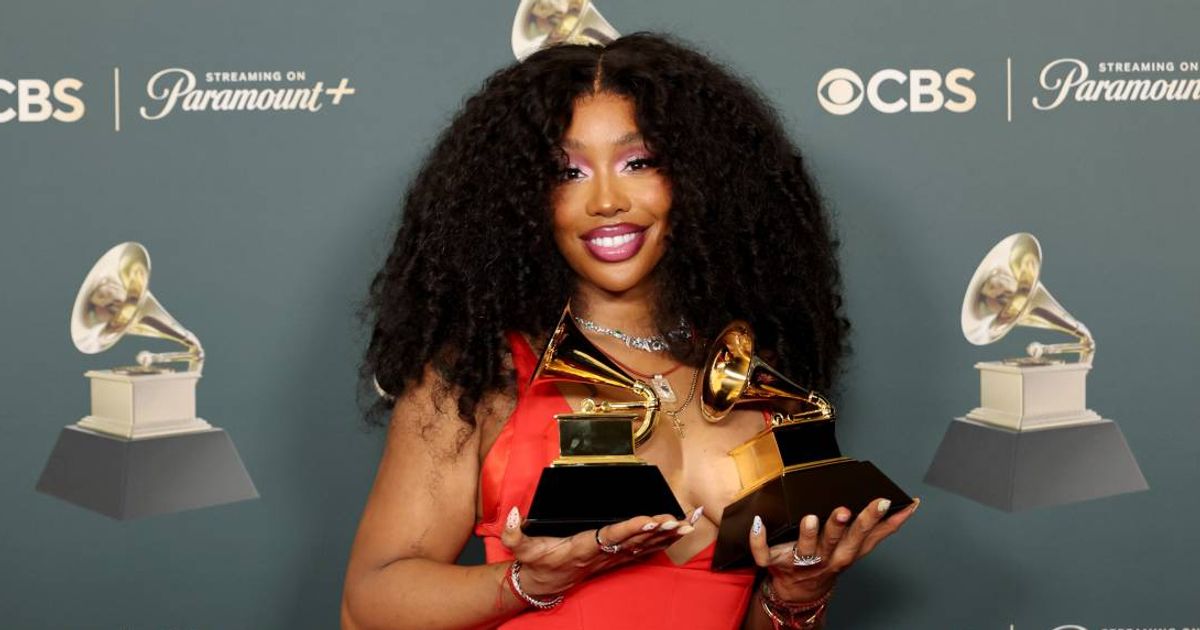
LOS ANGELES, CALIFORNIA: Singer and songwriter SZA took to Instagram on Saturday, June 20, to voice her opposition to the growing use of artificial intelligence in music, joining a broader debate that continues to divide the industry.
As AI-generated music tools gain traction among artists, producers, and technology companies, concerns over creative ownership, copyright, and the use of musicians' work to train AI models have become increasingly prominent.
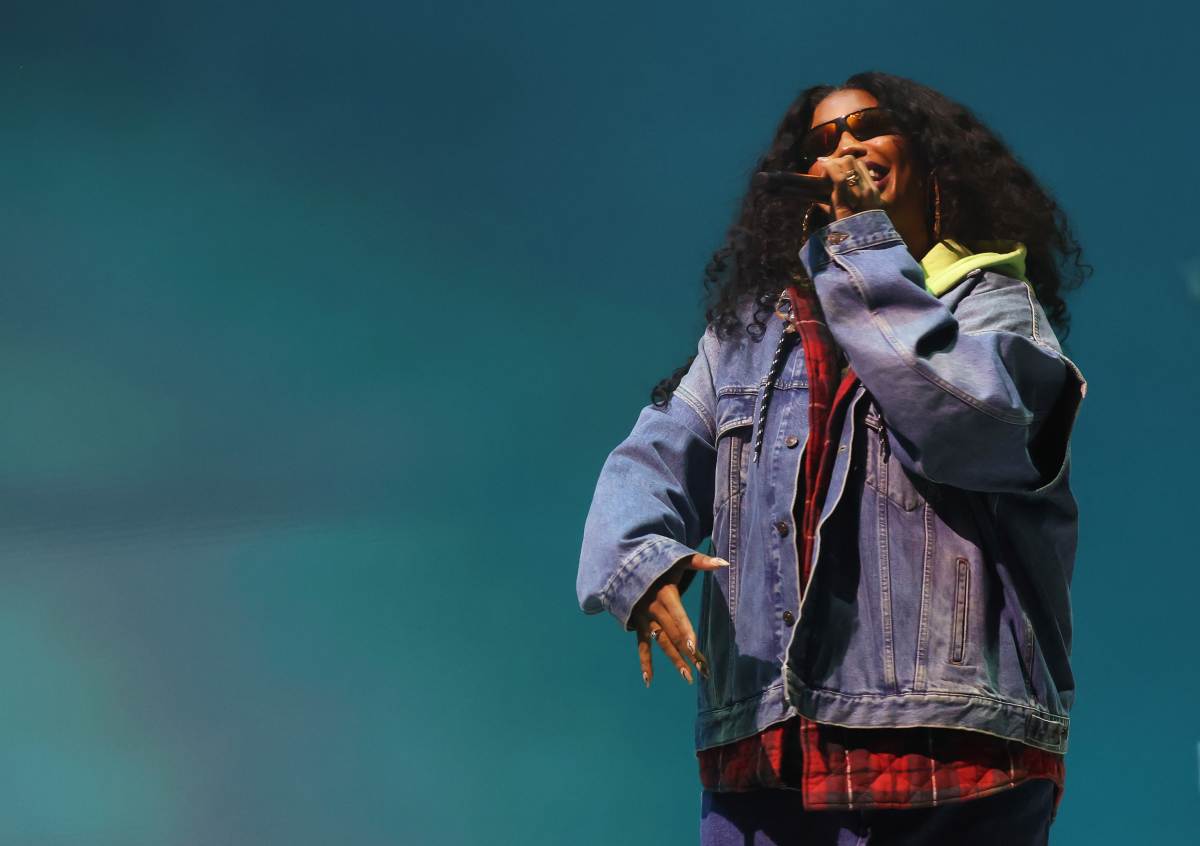
SZA speaks out against AI music platforms
SZA strongly criticized artists and industry figures supporting AI music generators such as ‘Suno.’ Posting on her private Instagram account, she alleged that producer Diplo had equity in the company and was attempting to train AI systems using the work of Black writers and producers.
“We make up 13% of the American population yet influence the world w our sound and perspective,” SZA wrote. She went on to argue that Black creatives are particularly vulnerable to exploitation, adding, “I ain’t heard a white AI song yet.”
The singer also expressed concerns about a lack of protections for creators, writing, “We have no protection in legislature medical or creative. The easiest to steal from. Do not give away your vibranium!!! Do not train AI with your genius or creative. The easiest to steal from. Do not give away your vibranium!!! Do not train AI with your genius.”

SZA later reiterated her concerns on her main Instagram account, claiming that AI models had been trained on 238 of her songs and condemning musicians who support the technology. She wrote, “If your a musician and you support this degenerate shit ? You’re disgusting, and there’s nothing you could ever say to me to make this okay. I hope you have the life you deserve.”
In response to her accusations, a spokesperson for the company highlighted a LinkedIn post by chief product officer Jack Brody, who said the app’s training metadata does not include artists’ names, cannot reproduce training material, and is being updated to better detect impersonation.
Her criticism reflects wider divisions within the music industry over the growing use of AI. While some artists have openly opposed the technology, others have embraced it. Producer Jack Antonoff recently criticized AI-generated music, describing those who create it as “bad actors” who would “willingly reveal themselves through slop.”
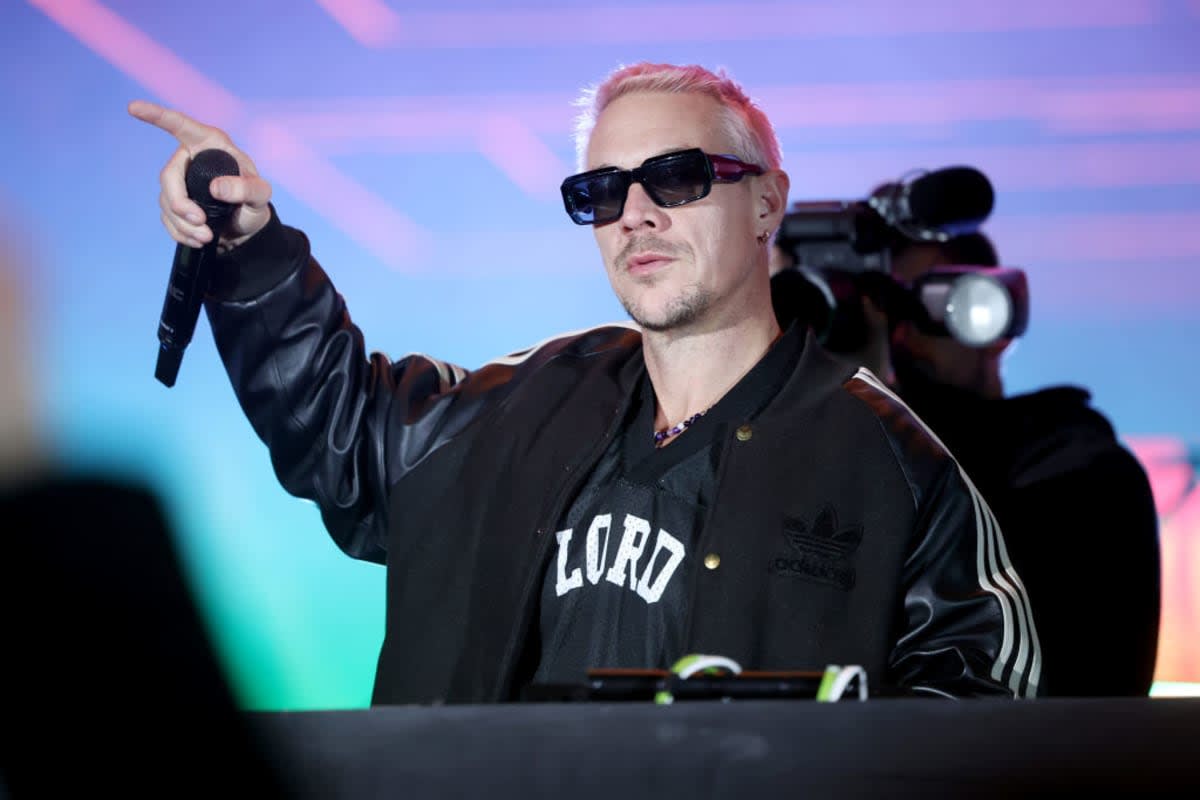
Diplo defends AI and future of music technology
Diplo has publicly defended AI technology and criticized artists opposing it. In an April interview, he said, “there’s no fighting AI” and claimed he no longer needed human vocalists because “I can get the best voice from AI.”
During the same interview, he argued that accessibility and consumer demand would ultimately determine AI’s success. “The customer and accessibility is what’s always going to be triumphant,” he said. According to him, most consumers would choose “the best product made the quickest, made the cheapest,” describing that as the reality of the American economy.
In a follow-up post on X, he suggested artists should “adapt or just like give up and become an uber driver until everyone has a waymo.” He acknowledged that his comments might not be well received, writing that he was not going to “candy coat the future.”
if you are a creative you need to adapt or just like give up and become an uber driver until everyone has a waymo. I know it’s not cool or classy to speak like this but i’m not gonna candy coat the future - it is what it is . sorry for bad new’s my purist . there will always need… https://t.co/SXswII51wv
— diplo (@diplo) April 14, 2026
Despite his support for AI, Diplo also argued that human creativity would remain important, saying AI would never experience conditions such as bipolar disorder or autism, which he associated with creative expression.
Industry debate over AI training and creative rights
The controversy reflects wider divisions in the music industry over the growing use of AI. While some artists have openly opposed the technology, others have embraced it. Producer Jack Antonoff recently criticized AI-generated music, describing those who create it as “bad actors” who would “willingly reveal themselves through slop.”
At the same time, companies building AI music platforms continue to attract investment and participation from across the industry. ‘Suno’ CEO Mikey Shulman said this month that “some of the best artists, producers, songwriters and people from across the music industry” participated in the company’s $400 million investment round, though individual names have not been disclosed.
As the debate continues, the central question remains unresolved: how to balance innovation with fair protection for the artists whose work powers these systems.