Trump announces major US-India trade deal with tariffs slashed to boost exports
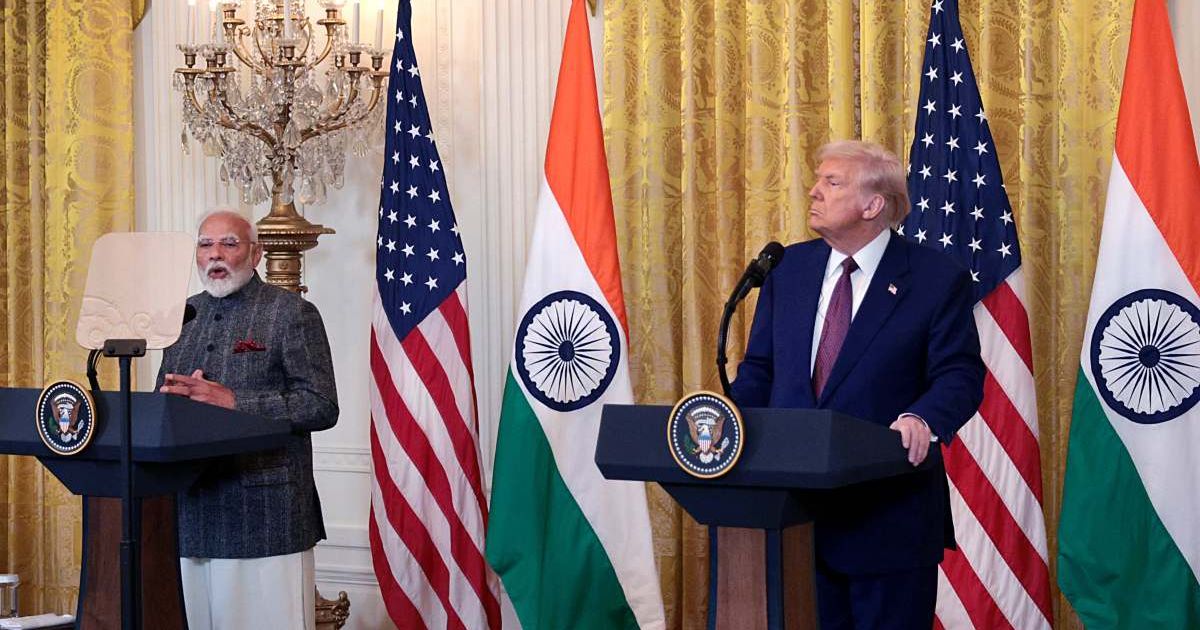
WASHINGTON, DC: President Donald Trump announced on Monday, February 2, that the United States and India had finalized a major trade agreement following a morning phone call with Prime Minister Narendra Modi.
In a post on his Truth Social platform, the president described Modi as one of his "greatest friends" and a "Powerful and Respected Leader."
The deal came after months of diplomatic friction and provided immediate reductions in trade barriers. Trump framed the agreement as a victory for his "America First" strategy, noting that the two leaders were "two people that GET THINGS DONE."
Trump cuts tariffs out of friendship and respect’
Donald J. Trump Truth Social Post 11:58 AM EST 02.02.26 pic.twitter.com/HKTag9ZujW
— Commentary Donald J. Trump Posts From Truth Social (@TrumpDailyPosts) February 2, 2026
Under the terms of the new agreement, the United States immediately lowered its reciprocal tariff on Indian goods from 25% to 18%.
Trump stated that the reduction was made "out of friendship and respect" for the prime minister and was implemented at Modi’s direct request.
In exchange, India committed to moving forward with the total elimination of its tariffs and non-tariff barriers against American products. Trump wrote that New Delhi's barriers against the United States would be reduced to "ZERO," marking a significant opening of the Indian market to American exporters.
The deal is expected to stabilize a relationship that has faced significant strain in recent months due to escalating tariff disputes. US Ambassador Sergio Gor echoed this sentiment, stating that the partnership now had "LIMITLESS POTENTIAL."
India halts Russian oil purchases
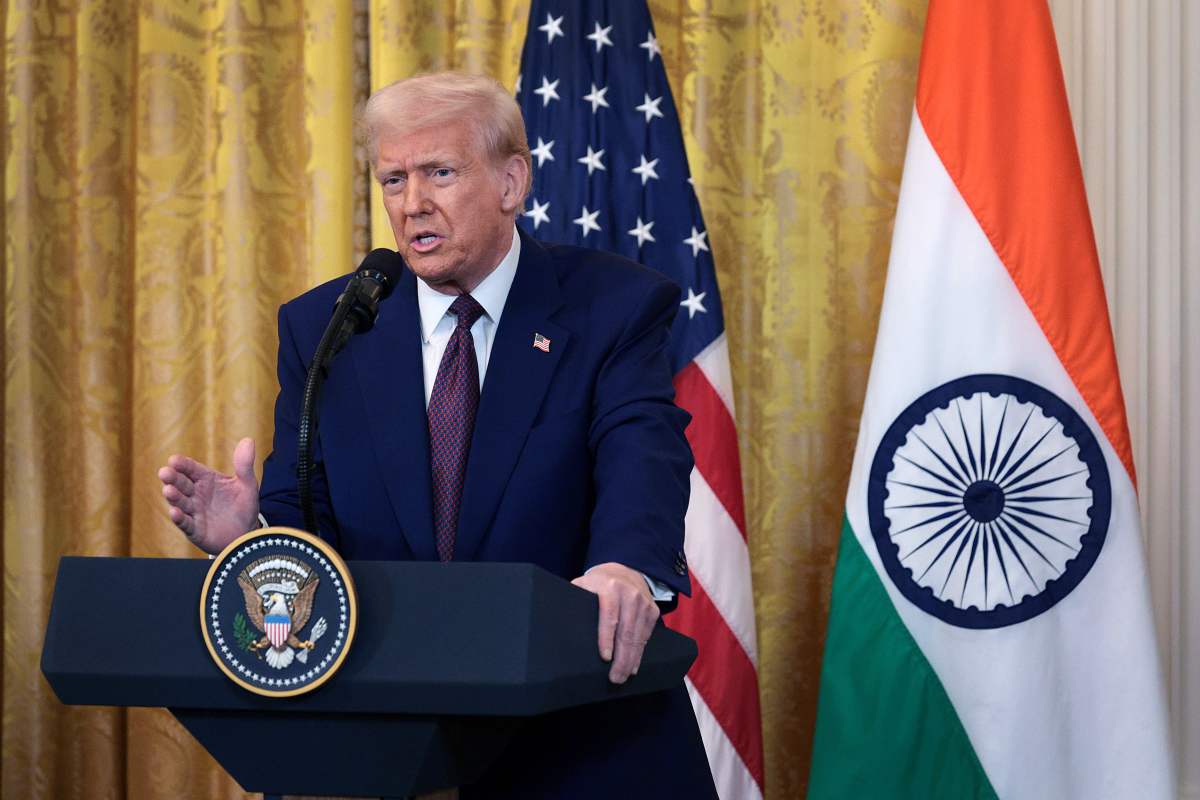
A pivotal component of the deal involved a major shift in India’s energy procurement. Trump announced that Prime Minister Modi had agreed to "stop buying Russian Oil," a practice that the US had previously claimed was indirectly financing the war in Ukraine.
Trump asserted that this move would "help END THE WAR in Ukraine," where thousands were dying weekly. To replace Russian supplies, India would significantly increase its energy imports from the United States and "potentially, Venezuela."
New Delhi has reportedly begun the "process" of winding down its reliance on Russian crude, which had surged following the 2022 invasion of Ukraine. The president indicated that he would now focus on pressuring other nations to follow India's lead.
India commits to $500 billion ‘Buy American’ initiative
Donald J. Trump Truth Social Post 09:26 AM EST 02.02.26 pic.twitter.com/NLCXFFdSuf
— Commentary Donald J. Trump Posts From Truth Social (@TrumpDailyPosts) February 2, 2026
As part of the broader agreement, India committed to a massive "BUY AMERICAN" initiative. Trump revealed that the prime minister had pledged over $500 billion in purchases of US products, spanning multiple sectors.
The pledge included significant investments in American energy, technology, and agriculture. It also specifically covered US coal, a sector the president had frequently championed.
Trump characterized the scale of the commitment as a "much higher level" than previous engagements.
Focus shifts to the Ukraine war
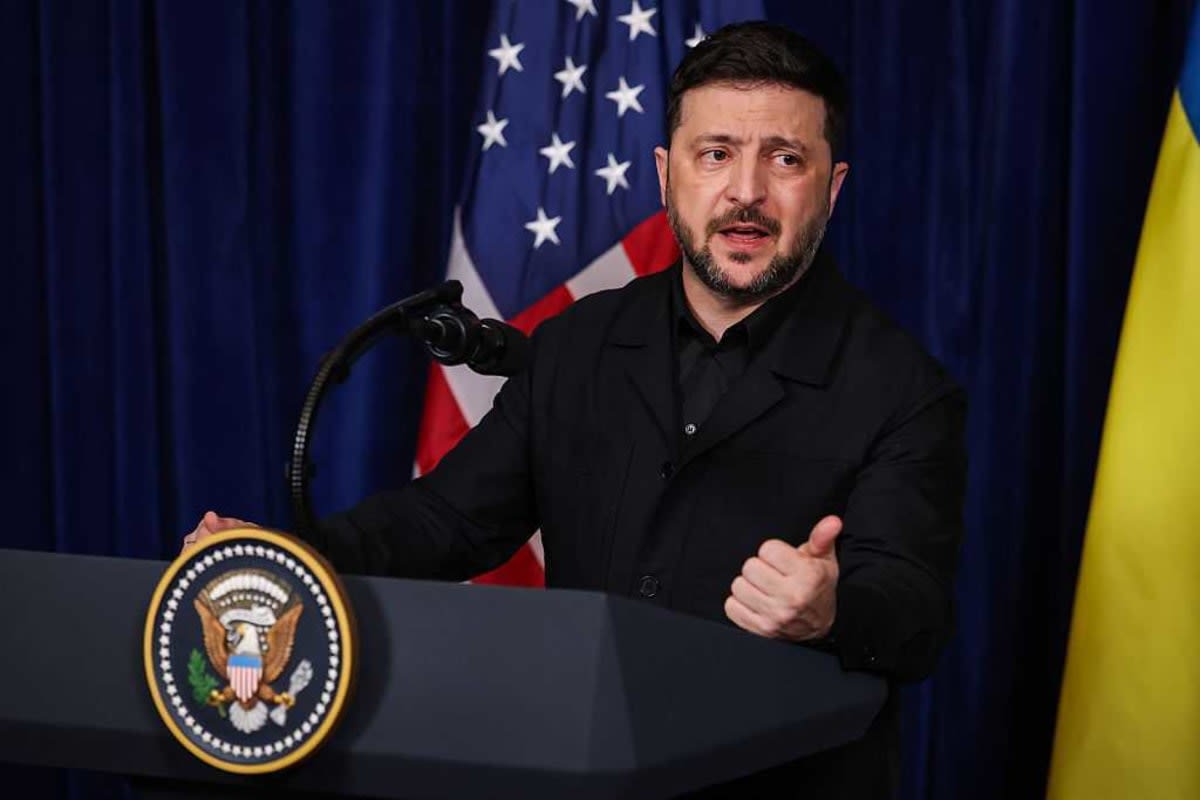
Beyond trade and energy, the leaders reportedly discussed the ongoing conflict in Eastern Europe. Trump’s announcement explicitly linked the trade concessions to India’s cooperation in isolating Russia’s economy.
The president concluded his announcement by reiterating that the "amazing relationship" between the two countries would only grow stronger.