Trump cautions Europe against unchecked migration, calls it ‘bad economics’

At Davos, Trump argued economic growth depends on productivity and automation, warning mass migration drives housing costs and weakens competitiveness
PUBLISHED JAN 22, 2026
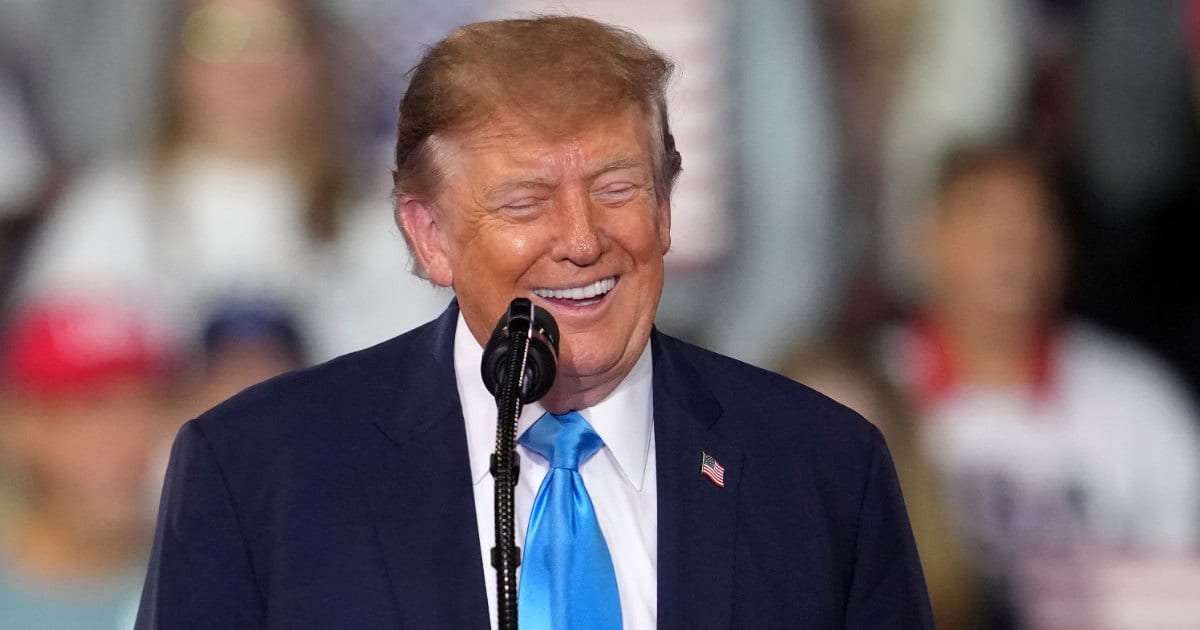
President Donald Trump spoke about migration and economic policy during the World Economic Forum in Davos, Switzerland (Getty Images)

DAVOS,  SWITZERLAND: President Donald Trump addressed global leaders at the World Economic Forum on Wednesday, January 21, where he warned that unchecked migration is bad economics, arguing that large-scale migration damages productivity and suppresses economic growth.

Speaking at the annual gathering in Davos, Trump contrasted migration-driven economic models with what he described as a productivity-focused approach rooted in automation, energy independence, and strong cultural foundations. He said Western prosperity depends on efficiency and innovation rather than expanding labor through open borders.
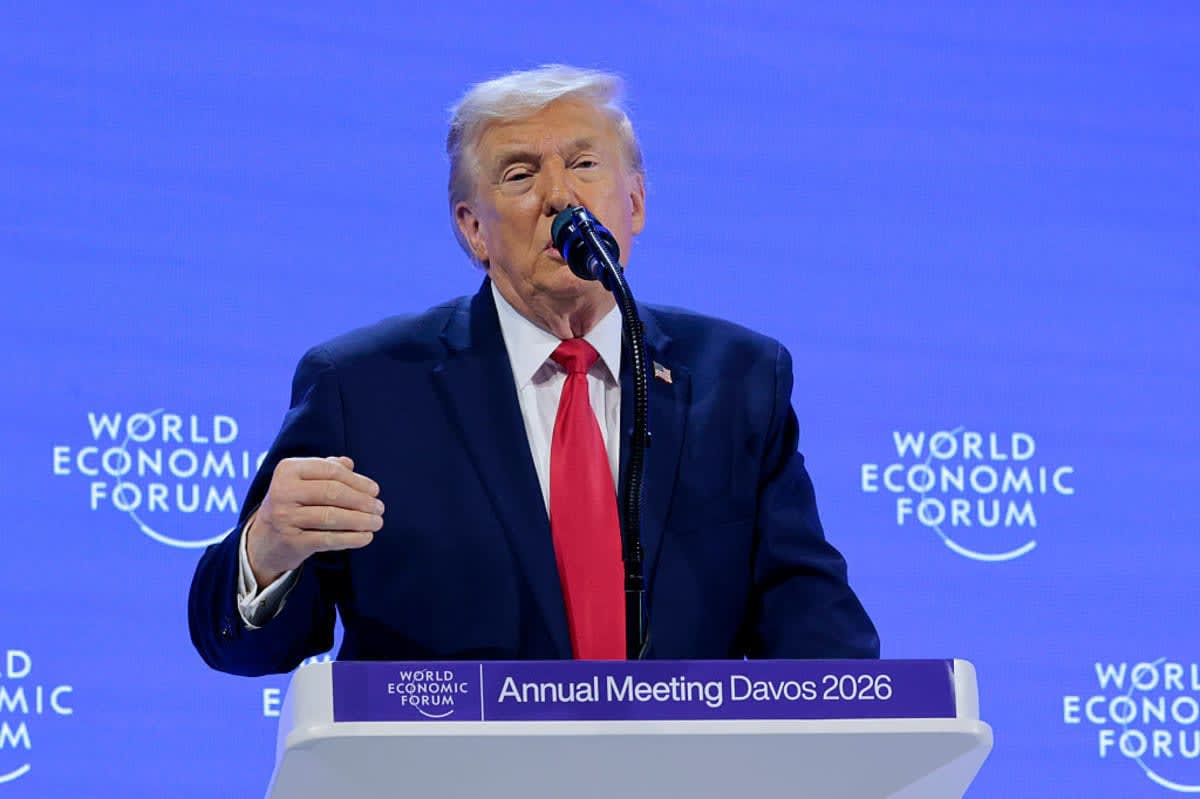
DAVOS, SWITZERLAND - JANUARY 21: U.S. President Donald Trump gives a speech at the World Economic Forum (WEF) on January 21, 2026 in Davos, Switzerland. The annual meeting of political and business leaders comes amid rising tensions between the United States and Europe over a range of issues, including Trump's vow to acquire Greenland, a semi-autonomous Danish territory. (Photo by Chip Somodevilla/Getty Images)
Donald Trump delivered remarks at the World Economic Forum on January 21, 2026, in Davos, Switzerland (Chip Somodevilla/Getty Images)

Trump links mass migration to economic performance and growth

In his remarks, Trump said mass migration is detrimental to economic strength, asserting that the United States’ prior open border policies undermined economic performance and contributed to what he called “the nightmare of stagflation” under former President Joe Biden.

He contrasted that period with what he described as “the fastest and most dramatic economic turnaround in our country’s history,” claiming virtually no inflation alongside extraordinarily high economic growth under his policies. Trump argued that productivity gains, not population inflows, should drive economic success in modern Western nations.

Trump also criticized European Union leaders, saying they were pursuing policies that would increase the inflow of what he called “productivity-reducing foreign workers” into Europe’s semi-stagnant economy. He argued that such policies take jobs and housing away from young Europeans, ultimately damaging innovation and long-term competitiveness.
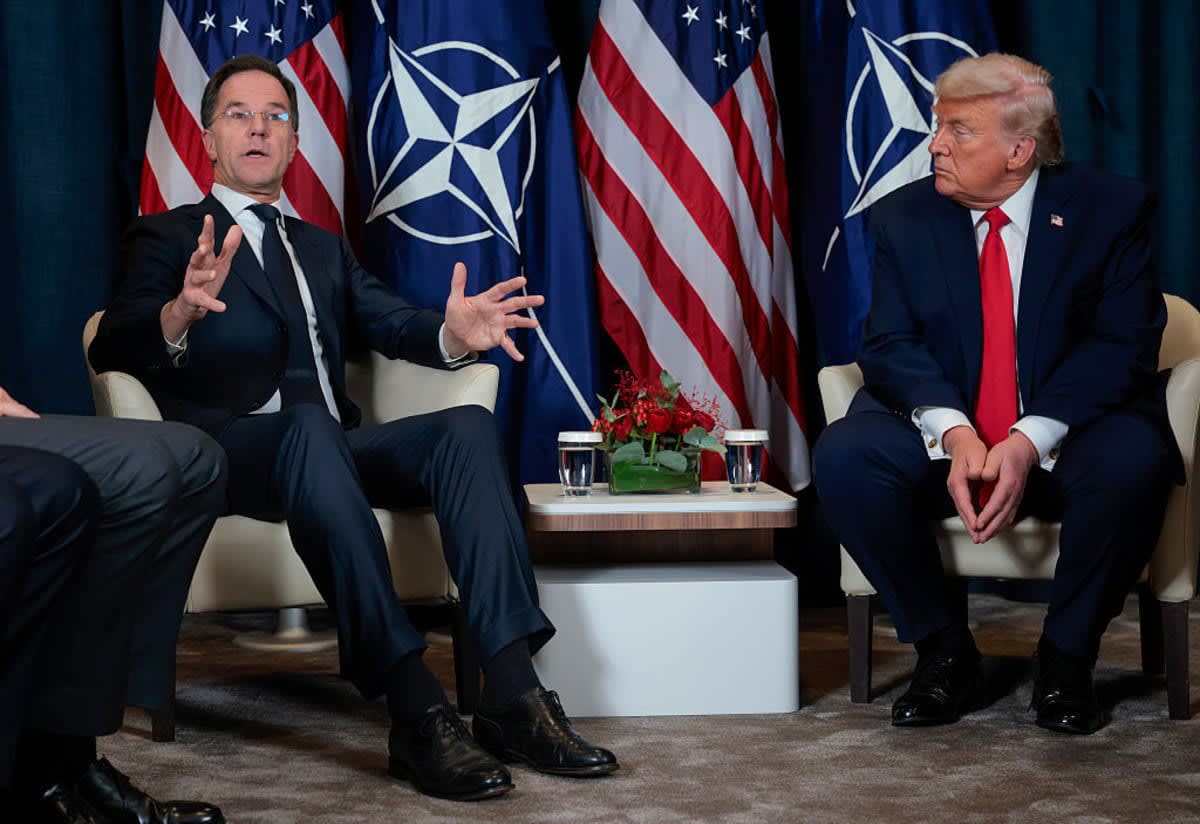
DAVOS, SWITZERLAND - JANUARY 21: U.S. President Donald Trump (R) listens as NATO Secretary General Mark Rutte speaks during a bilateral meeting on the sidelines of the World Economic Forum (WEF) Annual Meeting on January 21, 2026 in Davos, Switzerland. The annual meeting of political and business leaders comes amid rising tensions between the United States and Europe over a range of issues, including Trump's vow to acquire Greenland, a semi-autonomous Danish territory. (Photo by Chip Somodevilla/Getty Images)
Donald Trump listened as NATO Secretary General Mark Rutte spoke during a bilateral meeting at the World Economic Forum (Chip Somodevilla/Getty Images) 

Trump pushes automation and productivity over migration-led growth

Reiterating a long-standing position, Trump said the US economy should grow through automation and higher productivity rather than increased migration. He argued that technological advancement, including robotics, allows economies to expand without relying on large-scale labor inflows.

Trump criticized what he described as a conventional economic consensus in Washington and European capitals that relies on ever-increasing government spending, unchecked migration, and foreign imports as paths to prosperity. He said those policies weakened domestic industries and reduced economic resilience.

He also condemned decisions to shift manufacturing overseas, replace what he called “affordable energy” with the “green new scam,” and empower bureaucracies through higher taxes and regulation.
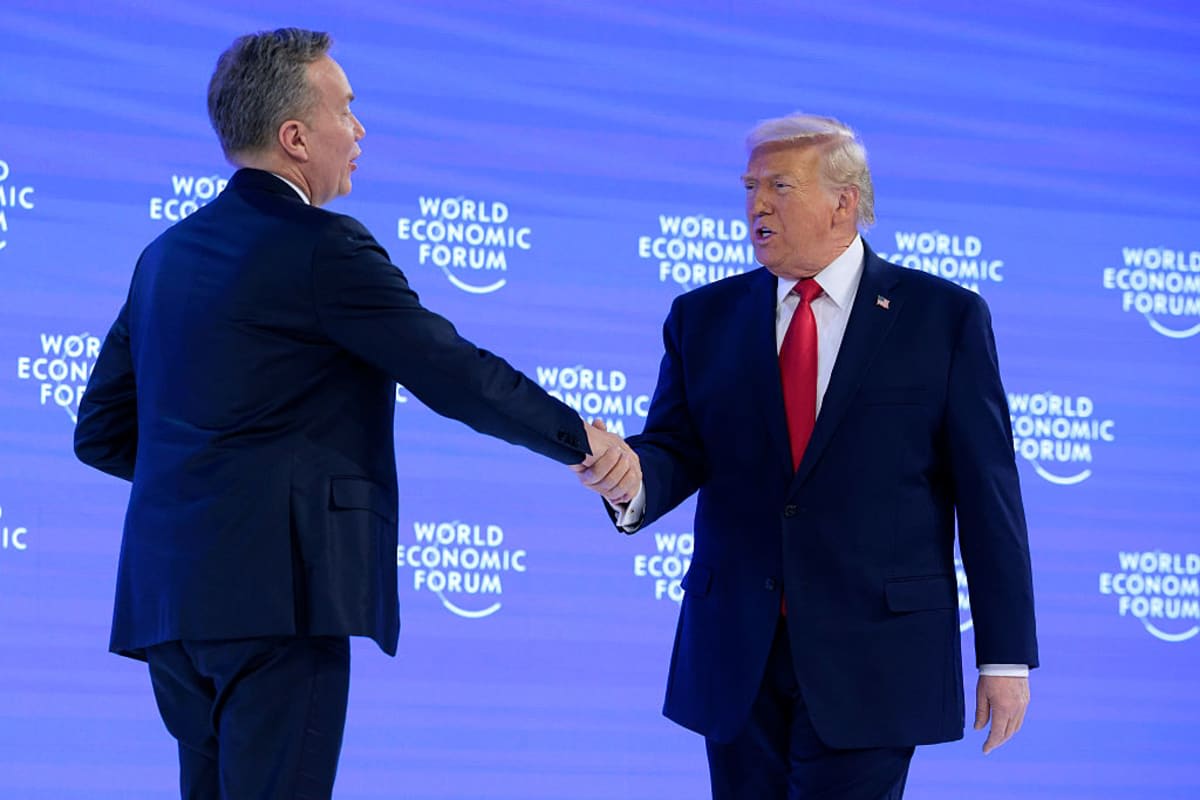
U.S. President Donald Trump is greeted onstage by CEO of BlackRock Larry Finka (L) and President and CEO of the World Economic Forum Børge Brende (C) before giving a speech at the World Economic Forum (WEF) on January 21, 2026 in Davos, Switzerland. The annual meeting of political and business leaders comes amid rising tensions between the United States and Europe over a range of issues, including Trump's vow to acquire Greenland, a semi-autonomous Danish territory. (Photo by Chip Somodevilla/Getty Images)
Donald Trump was greeted onstage by BlackRock CEO Larry Fink and WEF President Borge Brende before his Davos address (Chip Somodevilla/Getty Images)

Trump ties migration policy to Western culture in Davos speech

In addition to economic arguments, Trump tied migration policy to cultural and social concerns. He asserted that Western nations should not import foreign cultures from failed states, citing Somalia as an example of a society lacking effective governance, military, or police structures.

Referencing unrest in Minnesota, Trump said the situation served as a reminder that “the West cannot import foreign cultures which have failed to build a successful society of their own.”

Minneapolis Police officers look on as they hold a perimeter around the scene of a shooting by an ICE agent during federal law enforcement operations on January 07, 2026 in Minneapolis, Minnesota. According to federal officials, the agent,
Minneapolis police secured a perimeter following a shooting during a federal law enforcement operation in January 2026 (Stephen Maturen/Getty Images)

Trump described Western culture as a “precious inheritance” shared by the United States and Europe, arguing that it must be defended to maintain prosperity and freedom in an era of rapid technological change. He said economic strength and cultural cohesion are closely linked.

Trump also linked mass migration to rising housing costs, saying, “Another major factor in driving up housing costs was the mass invasion of our borders.”

GET BREAKING U.S. NEWS & POLITICAL UPDATES
STRAIGHT TO YOUR INBOX.

MORE STORIES

Kuwait’s Ministry of Defense confirmed on Monday, March 2, that 'several' US fighter jets had gone down over the country
8 hours ago
Toby Morton’s site posted fake quotes from Donald Trump Jr and Eric Trump to mock Barron Trump and portray them as unserious
11 hours ago
Over the weekend, a streamer named Kiki arrived at the house, immediately sparking tension with other online personalities already covering the case
13 hours ago
White House physician Dr Sean Barbabella said the redness on Trump's neck is expected to last for a few weeks
15 hours ago
Social media users speculated Bill Clinton’s tremors signaled Parkinson’s, though Clinton previously said doctors linked them to aging
16 hours ago
Supreme Leader’s wife reported dead as hospitals detail mass casualties in Minab school strike
1 day ago
Evidence including clothing and items in the shooter’s vehicle has prompted federal terrorism units to assist in probing the Austin bar attack
1 day ago
Amid Iran’s retaliation for US‑Israel strikes, Dubai faced missile attacks and disruptions, but Lohan and her family were confirmed unharmed
1 day ago
Reports say the strike that left Ayatollah Ali Khamenei dead has sparked global tension, retaliation and divided reactions from Iranian communities
1 day ago
In addition to offensive capabilities, the War Department activated several air defense systems to protect US assets and allied positions
2 days ago