Trump hits 'backstabbing' critics, defies 60-day war clock for total nuclear surrender
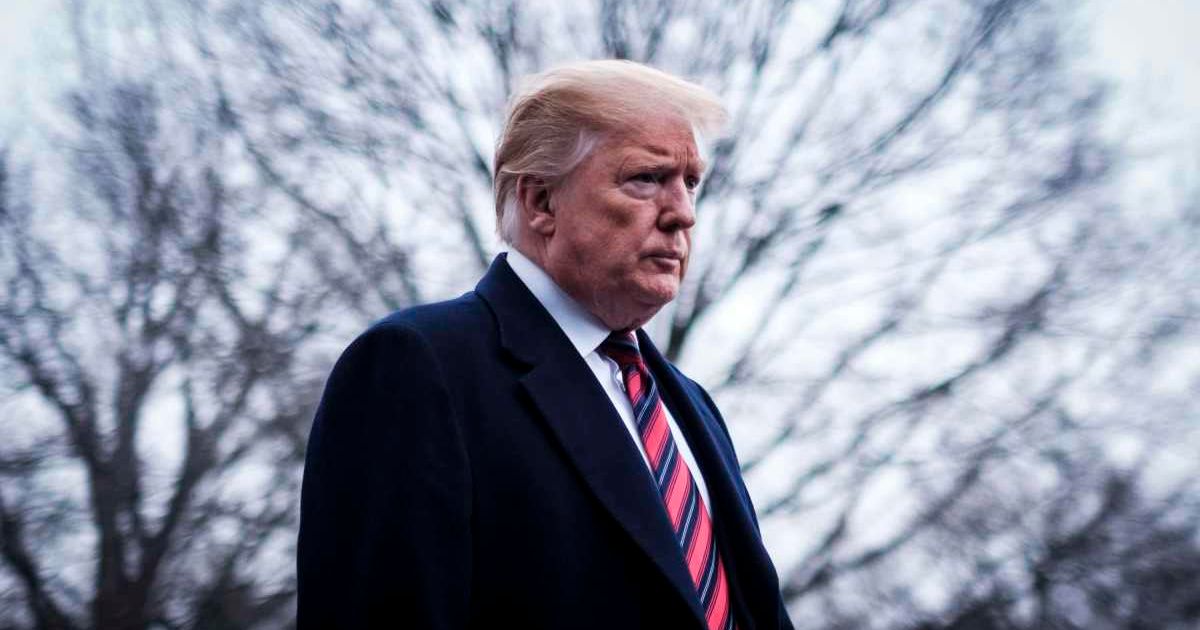
WASHINGTON, DC: President Donald J. Trump said Monday, April 20, that he “will not be rushed” into ending the ongoing conflict with Iran, now in its 52nd day of active hostilities, as negotiations continue ahead of a key ceasefire deadline.
In an interview with The New York Post, Trump pushed back against calls from lawmakers across party lines urging a quicker resolution, arguing that such pressure could weaken the US position during talks.

The remarks come as the timeline of the conflict approaches the 60-day threshold outlined in the War Powers Resolution of 1973, which requires congressional authorization for extended military engagement.
With roughly eight days remaining before that benchmark, the administration continues to maintain that its actions fall within executive authority.
‘Great negotiator’ slams domestic political interference
In the interview, Trump criticized lawmakers, including Senate Minority Leader Chuck Schumer, for advocating a faster end to the conflict while negotiations are ongoing.
He suggested that public calls for de-escalation could affect leverage in discussions with Iranian representatives.
“How bad is it when you are in the middle of negotiations… and you have Democrats and some Republicans asking to settle it now?” Trump said.

The administration has maintained that its current strategy is producing results, with officials indicating that Iran is under sustained economic and military pressure.
According to US claims, discussions have included demands for the surrender of approximately 1,000 pounds of enriched uranium and a halt to nuclear activities.
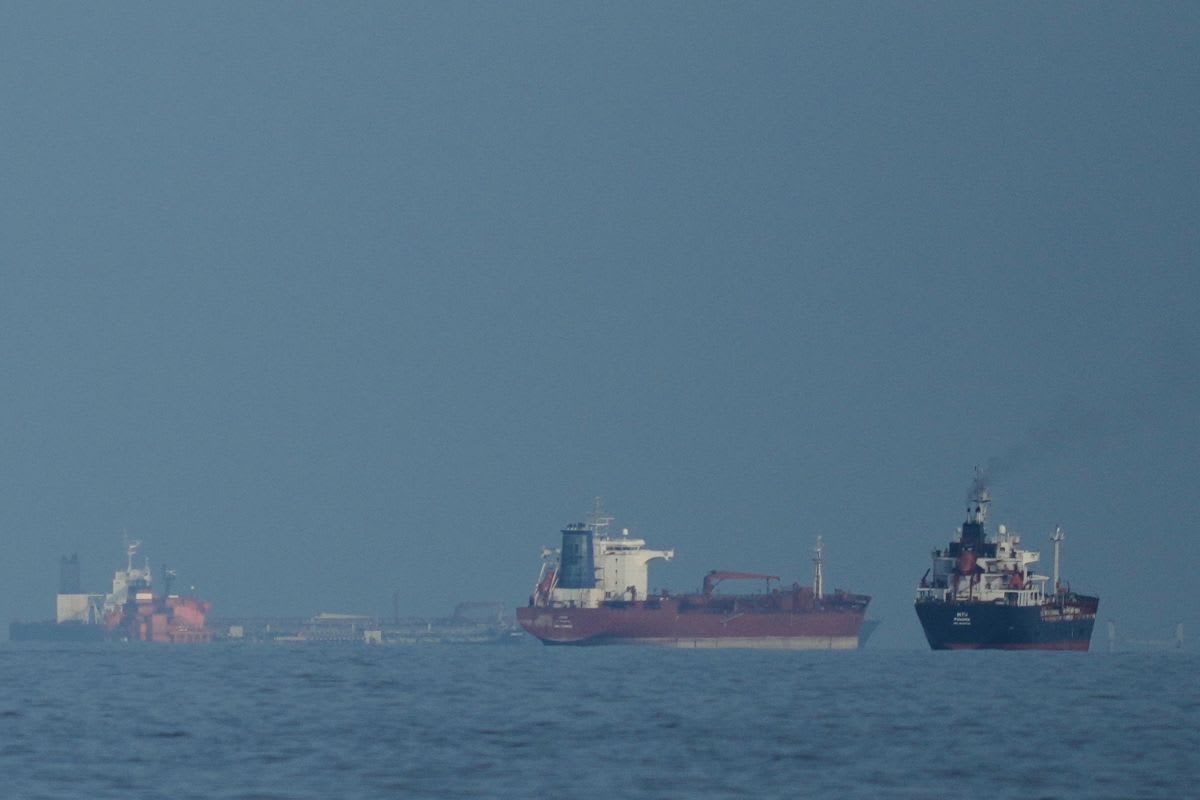
Over the weekend, US forces also intercepted an Iranian tanker in the region, according to officials, as part of enforcement measures tied to the naval blockade in the Strait of Hormuz.
GOP allies signal ‘clock is ticking’
Despite the President’s position, some Republican lawmakers have raised concerns about the duration and domestic impact of the conflict.
Senator Josh Hawley (R-Mo) recently noted that the “clock is ticking,” pointing to both security considerations and rising energy costs.
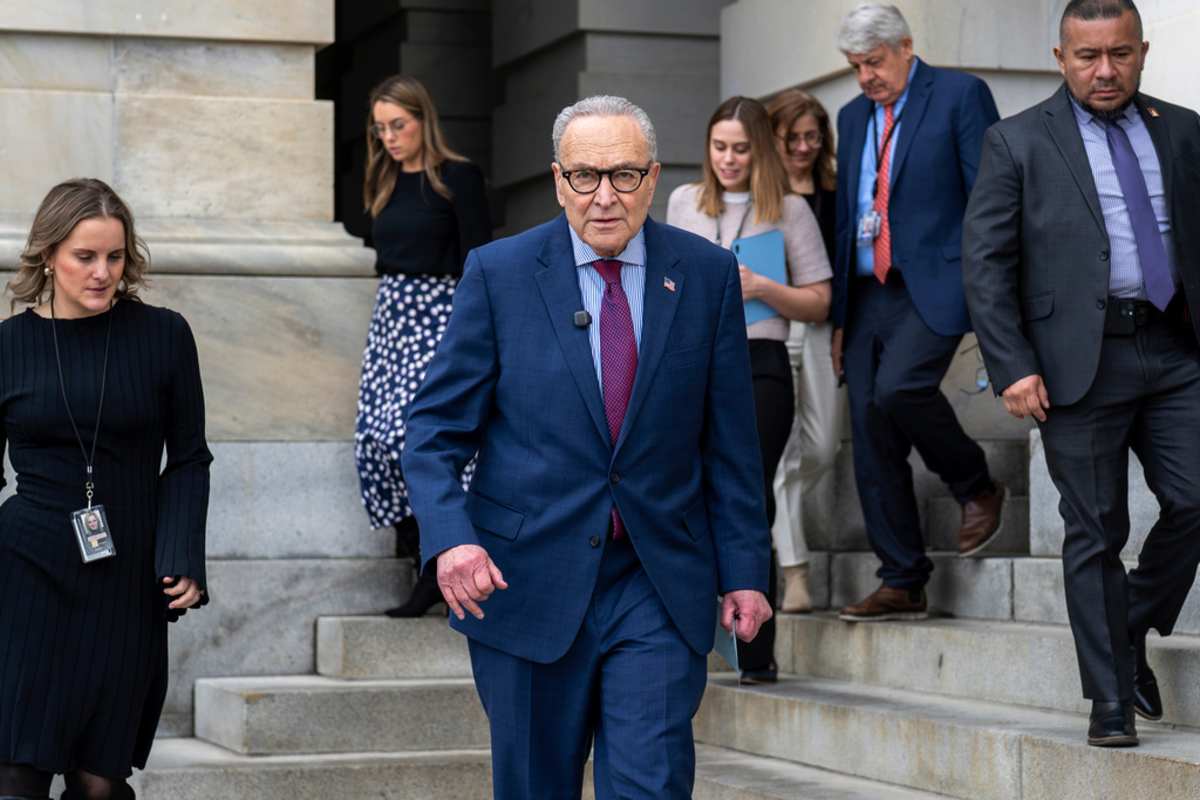
Senate Majority Leader John Thune (R-S D) also indicated that a forthcoming supplemental funding request could become a key point of debate, suggesting that continued support may depend on clearer timelines or objectives.
Gas prices, currently hovering near $4 per gallon, remain a central domestic issue linked to the conflict, particularly as disruptions in the Strait of Hormuz, through which nearly 20% of global oil supply passes, continue to affect markets.
Judicial precedent favors Presidential war powers
Legal questions surrounding the War Powers Resolution remain unresolved.
Historically, federal courts have avoided intervening in disputes over executive war authority, often classifying such matters as political questions.
Past cases, including US involvement in Libya, have seen courts decline to enforce statutory time limits on military engagement.
This precedent suggests that any challenge to the current operation may ultimately be decided through political, rather than judicial, channels.
As a result, the administration continues to operate under existing executive authority while Congress weighs potential responses, including funding decisions.
Uranium surrender remains the ultimate goal
At the center of ongoing negotiations is the issue of Iran’s enriched uranium stockpile, estimated at around 1,000 pounds.
US officials have framed its surrender as a core condition for any agreement, alongside broader restrictions on nuclear development.

The administration has combined diplomatic engagement with continued military and economic pressure, including the deployment of multiple carrier strike groups and enforcement actions at sea.
Trump reiterated that negotiations would proceed on his timeline. “I will not be rushed,” he said, signaling that the administration intends to maintain its current approach as talks continue in Islamabad.