Trump terms US-led airstrikes his 'Christmas present' to 'butchers' in Nigeria
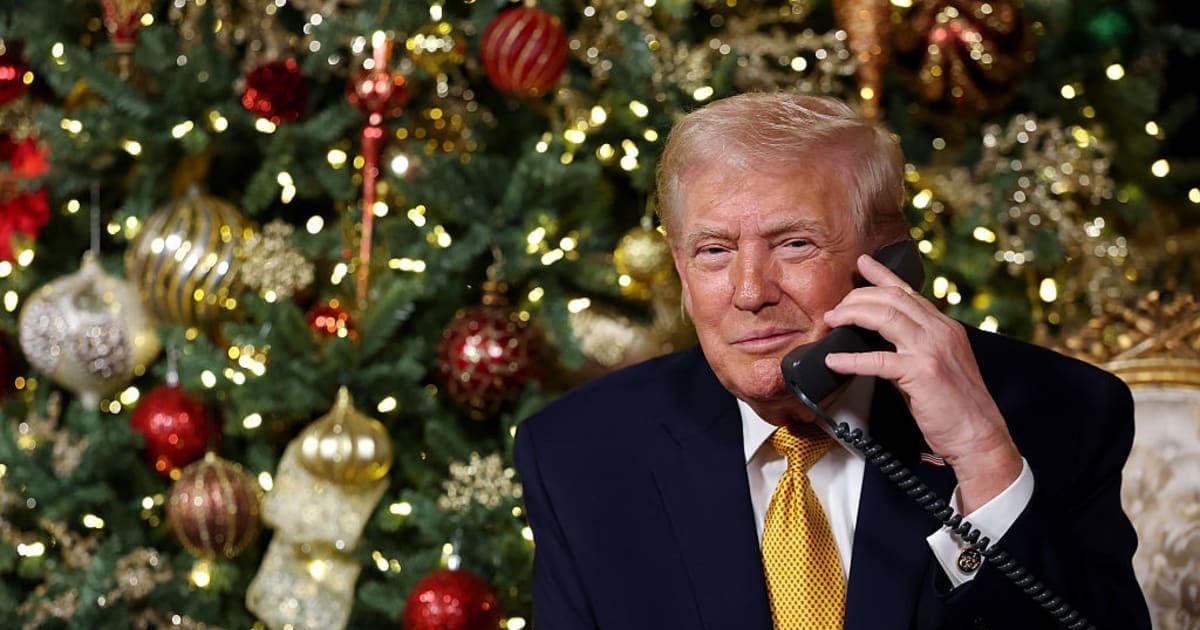
President Trump just called into WABC radio pic.twitter.com/h1rBNhsEJt
— Karli Bonne’ 🇺🇸 (@KarluskaP) December 26, 2025
NEW YORK CITY, NEW YORK: President Donald Trump called in to the WABC Radio station on Friday, December 26, to talk about the recent airstrikes in Nigeria.
As John Catsimatidis asked about the counter-attack in favor of Christians living in Nigeria, Trump said that the number of Christians at risk was in “thousands.”
He decided to strike on Christmas Day so that it could serve as a “Christmas gift” to the “butchers.”
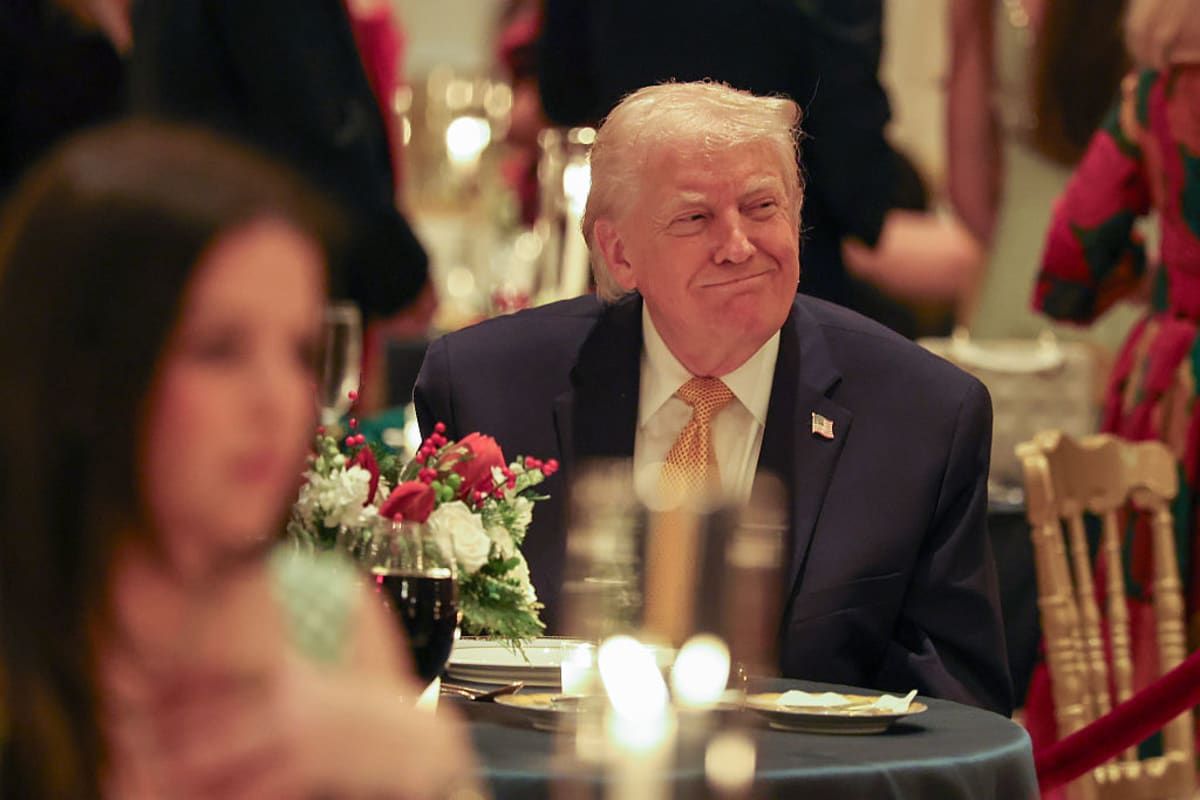
Trump says he had warned Nigeria of a possible attack
While speaking to John Catsimatidis, Donald Trump discussed the Christmas Day strike in Nigeria’s northwest region. He said that he wanted to “hit them” on the festive day so it could serve as a “present.”
While speaking of the t*****t organization, he said that they were “terrible,” and called them "butchers". Trump added that America hit them “hard in different locations” and that the group “got hit hard.”
“They got a very bad Christmas present,” he added.
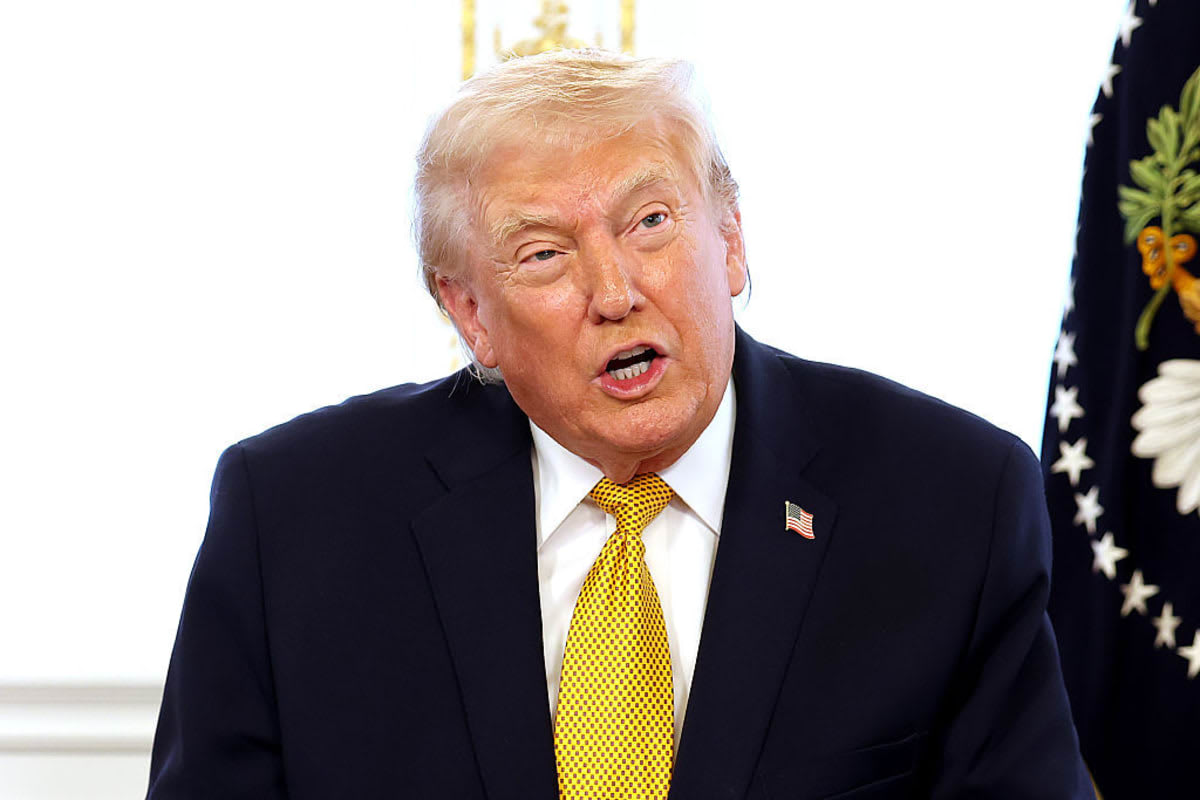
The president also stated that he had warned Nigeria about the possibility of an attack in the past. He added that he had also told the people around Nigeria that “if you do it, you’re going to get hit.”
Donald Trump had also touted the attack with a Truth Social post on Thursday. He wrote that he had previously warned “these t********s” that if they didn’t stop hurting Christians, there would be “hell to pay.”
“And tonight, there was,” he added.
The President praised the Department of War for executing “numerous perfect” strikes that only the US was “capable of doing.”
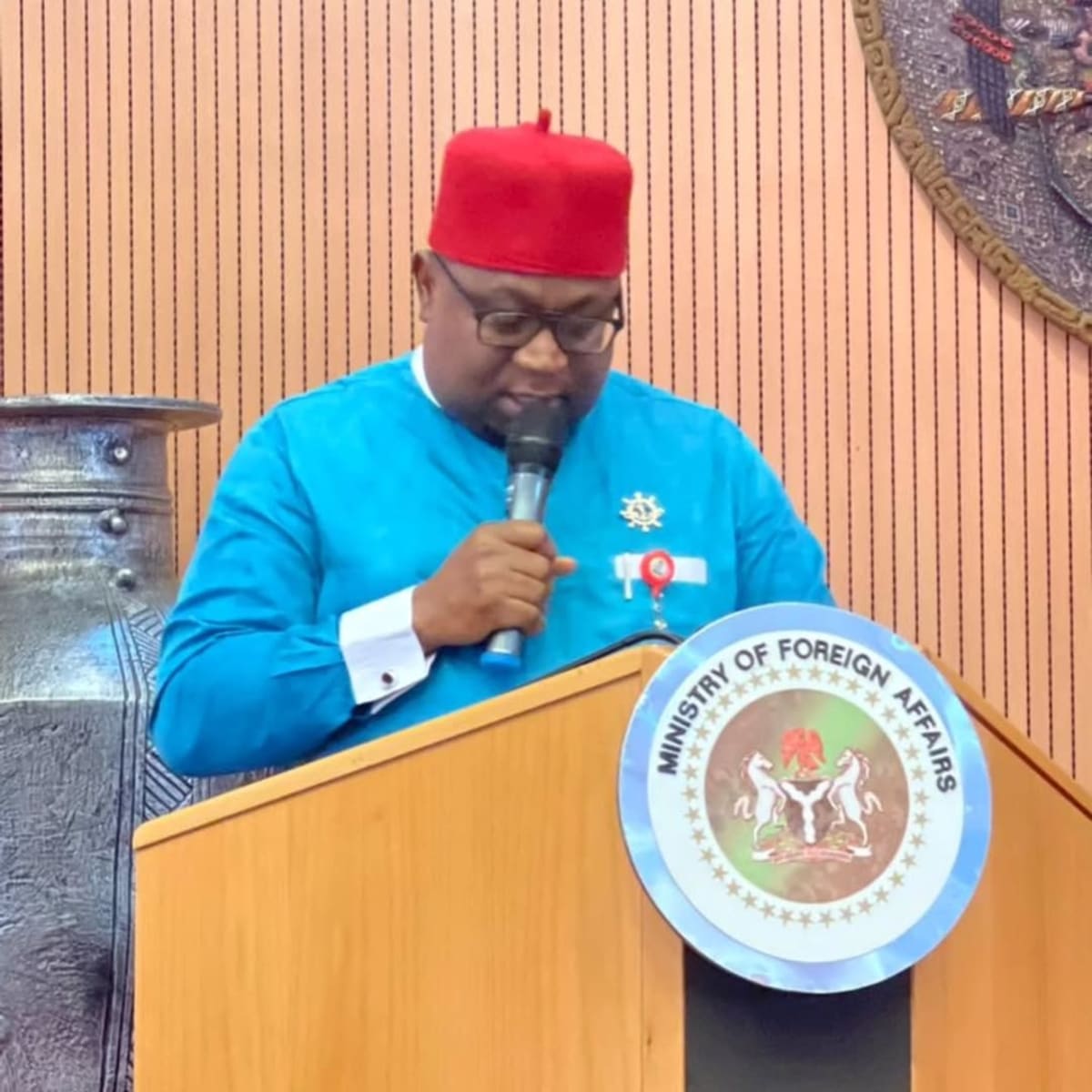
Nigeria’s Foreign Ministry Confirms Joint Effort in Recent Strikes
The Ministry of Foreign Affairs in Nigeria took to X to address the recent strike in its north-west region, signed by its spokesperson, Kimiebi Imomotimi Ebienfa.
Ebienfa wrote that the two countries collaborated to address the “persistent threat of t******m and “violent extremism” in Nigeria.
He added that while remaining in line with the established international practice, Nigeria exchanged information, “strategic coordination” and other forms of support as part of their collective effort to counter “t*******m.”
He added that their motives were to protect civilian lives, safeguard national unity, and uphold the rights and dignity of all citizens irrespective of their “faith or ethnicity.”