US receives surprise Hezbollah ceasefire offer as Iran freezes talks over Lebanon strikes
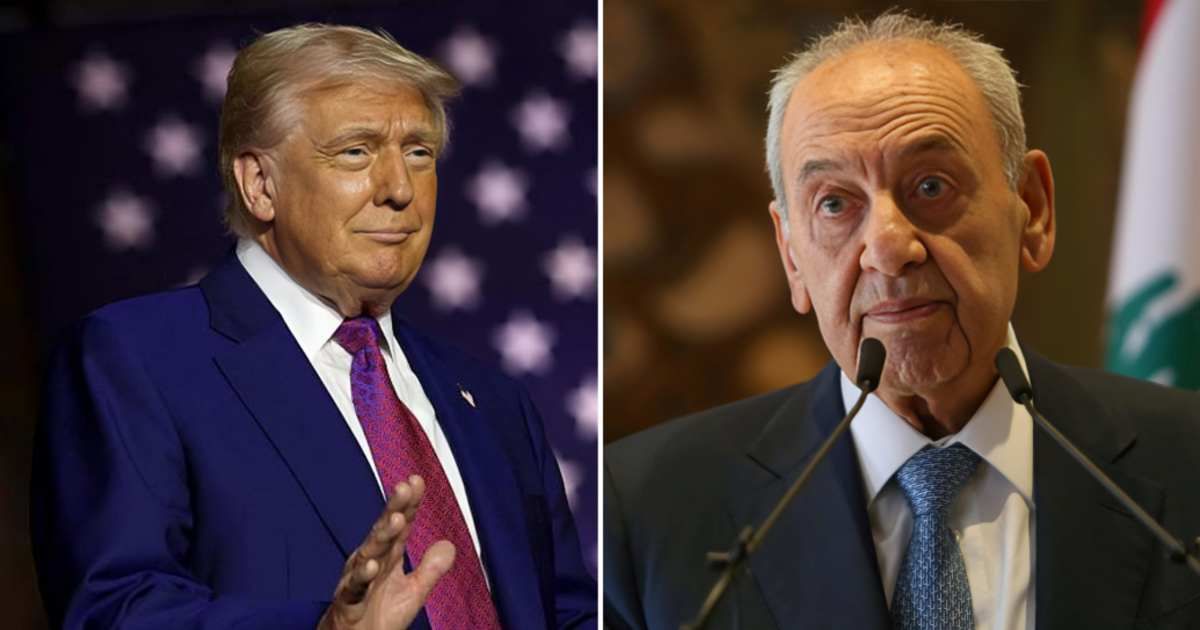
WASHINGTON, DC: A dramatic new twist has emerged in the Middle East crisis after a senior Lebanese official informed the Trump administration that Hezbollah is prepared to commit to a full and immediate ceasefire with Israel, even as Iran reportedly suspended negotiations with the United States over escalating Israeli actions in Lebanon.
The unexpected message was delivered by Lebanese Parliament Speaker Nabih Berri through his top adviser, Ali Hamdan, according to an Axios report on Monday, June 1.
The development arrives at a critical moment for President Donald Trump's efforts to secure a broader regional settlement, with fighting along the Lebanon-Israel frontier increasingly threatening diplomatic efforts linked to the ongoing Iran conflict.
The proposal creates a complicated diplomatic landscape. While Tehran appears to be pulling back from mediated exchanges with Washington, Hezbollah is signaling openness to a comprehensive ceasefire that could potentially separate the Lebanese front from the wider war involving Iran.
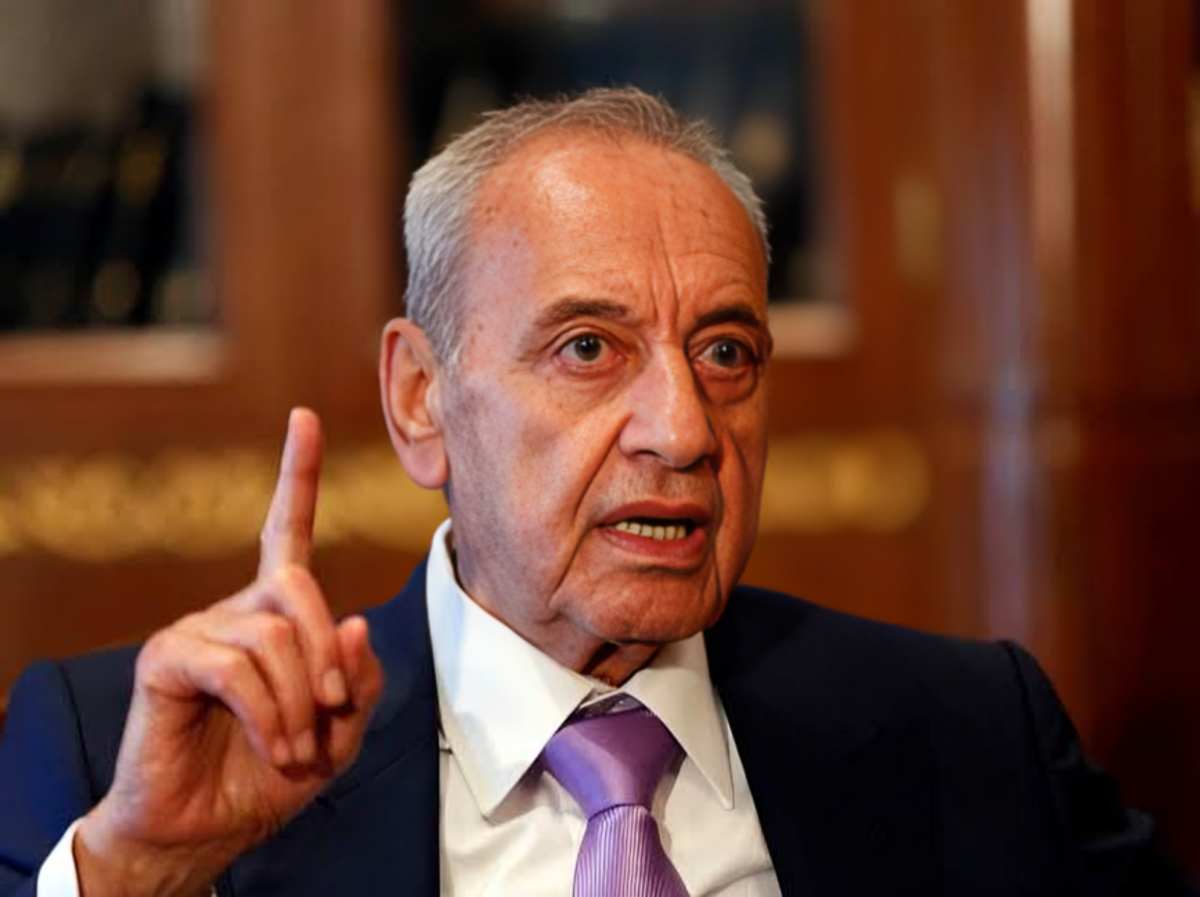
Nabih Berri pushes comprehensive truce proposal
Ali Hamdan said he connected the US Ambassador to Michel Issa on Sunday with a direct message on behalf of Berri.
"I told him on behalf of Speaker Berri that Hezbollah will be ready to totally commit to a comprehensive ceasefire and we are ready to guarantee it," Hamdan said.
According to Hamdan, the Trump administration recently floated a narrower proposal that would have required Hezbollah to halt attacks on northern Israel in exchange for Israel refraining from strikes on Beirut.

Berri rejected that approach and instead proposed a broader ceasefire covering ground, air and maritime operations. The proposal would also require Israel to stop demolishing homes in southern Lebanon.
Hamdan maintained that Berri remains in communication with Hezbollah leadership through channels that allow messages to be exchanged with Hezbollah chief Naim Qassem, who remains in hiding.
"We are sure Hezbollah will commit to a total ceasefire. We think it will be more productive. We know time is running out," Hamdan said.
The United States proposed a ceasefire sequence requiring Hezbollah to stop attacks on Israel in exchange for Israel refraining from escalation in Beirut, but negotiations stalled after Nabih Berri was described by the U.S. as “evasive and disappointing.” As diplomacy failed,… pic.twitter.com/KGUboiXeKP
— This Is Beirut (@ThisIsBeirut_) June 1, 2026
However, US and Israeli officials reportedly remain uncertain whether Berri can ultimately guarantee Hezbollah's compliance.
Iran suspends talks over Lebanon
The ceasefire overture comes as Iran takes a markedly different approach.
Iran's semi-official Tasnim News Agency reported on Monday that Tehran's negotiating team had suspended exchanges of messages with the United States through mediators in protest of Israel's military actions in Lebanon.
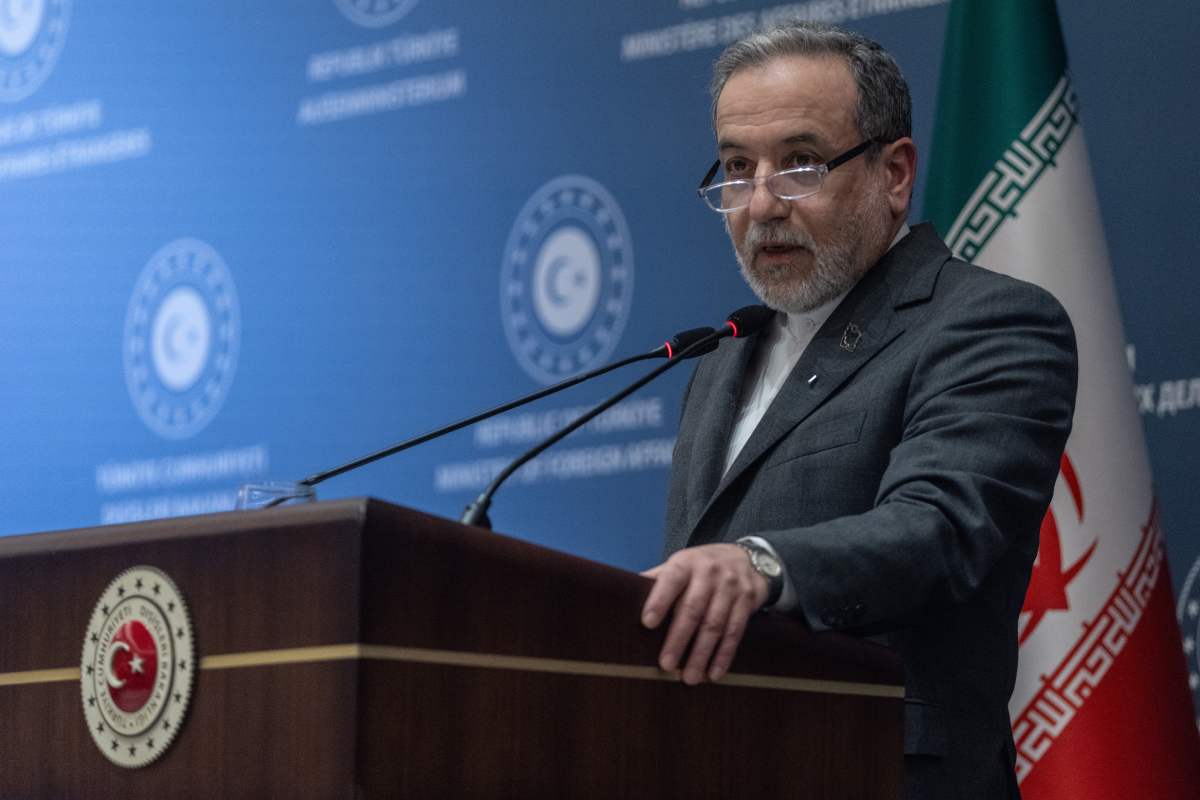
Iranian officials reportedly insist that no talks with Washington will proceed unless Israeli attacks in Lebanon cease.
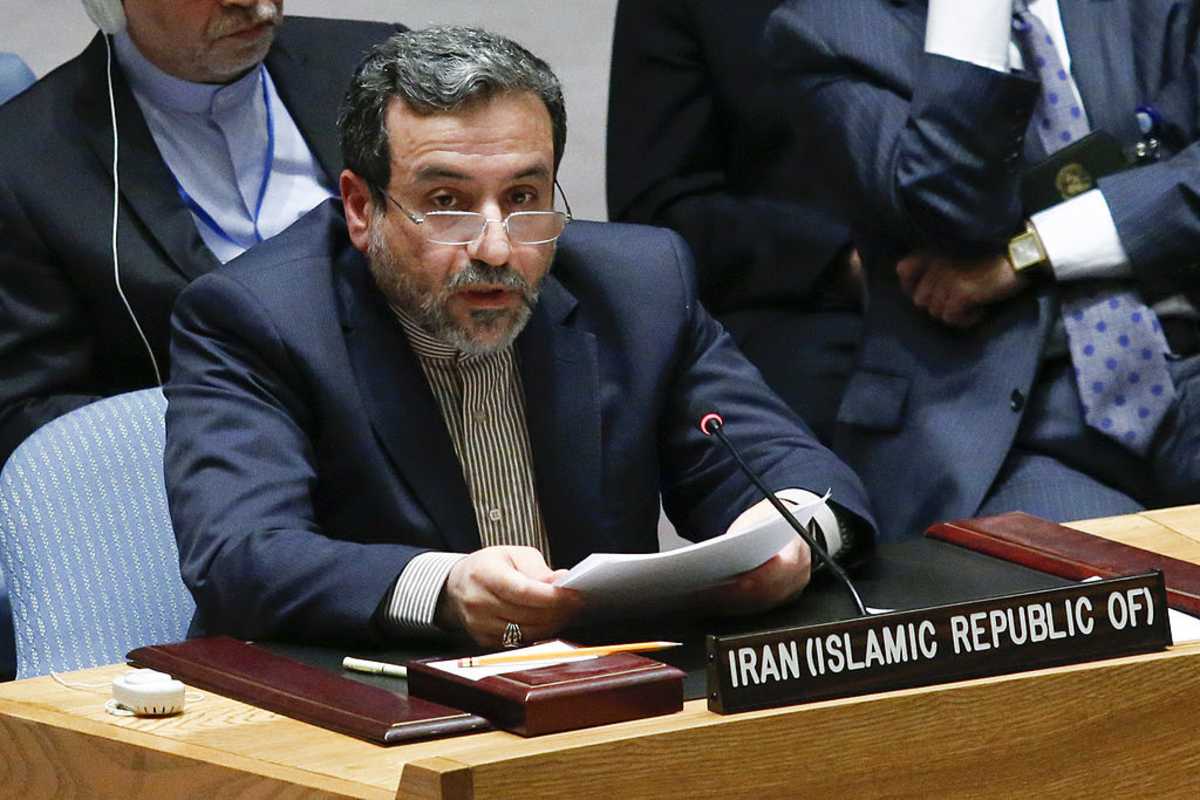
Iranian Foreign Minister Abbas Araghchi also warned that Israel's actions represented a violation of the US-Iran ceasefire framework and said both Israel and the United States would bear responsibility for any consequences stemming from further violations.
The reported suspension raises new uncertainty around diplomatic efforts that had sought to reduce tensions across multiple fronts in the region.
Beirut threats raise regional stakes
The diplomatic turbulence intensified further on Monday when Israeli Prime Minister Benjamin Netanyahu and Defense Minister Israel Katz issued a joint statement threatening strikes on Hezbollah targets in Beirut's Dahieh district.
Israeli officials said the area contains Hezbollah headquarters and could no longer remain exempt from military action.
The Israel Defense Forces later issued a warning in Arabic urging residents of the district to relocate.
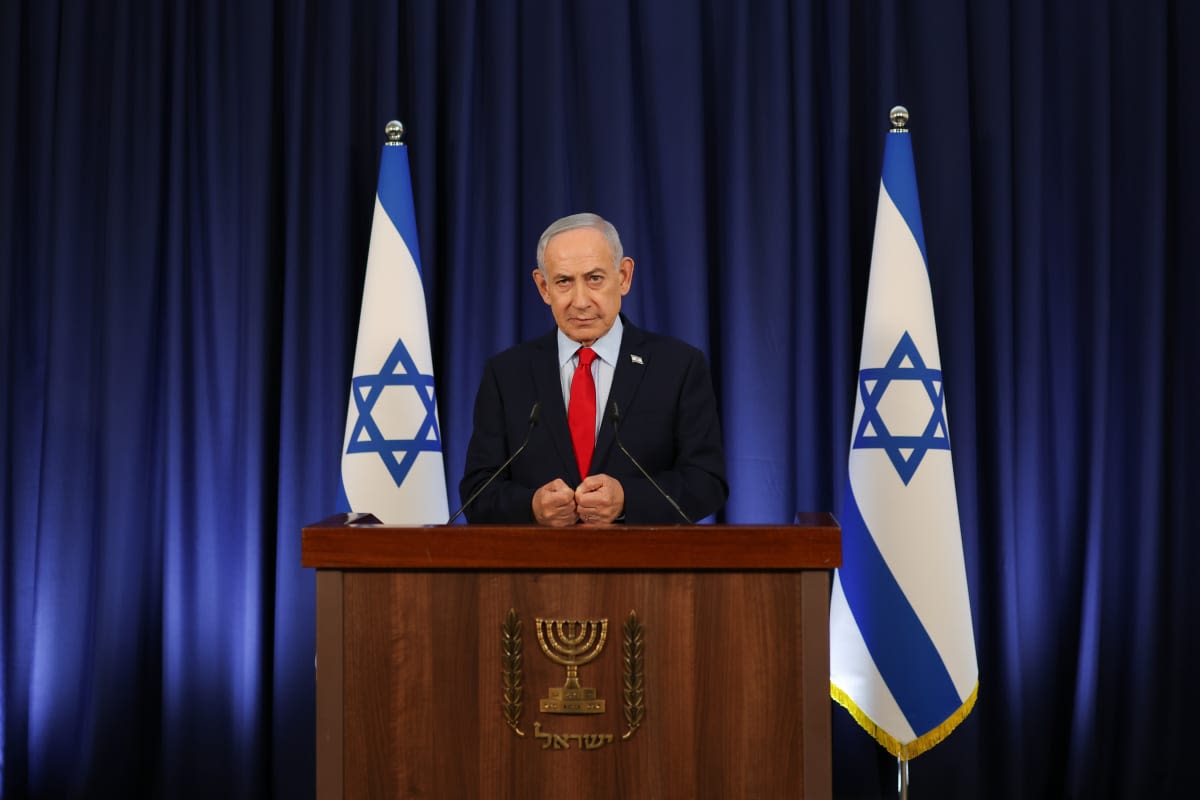
"Should Hezbollah continue to fire toward our cities and communities, the IDF will respond by striking targets in Dahieh," the military said.
The latest developments have heightened concerns that the Lebanon front could derail broader regional diplomacy.
Tasnim also reported that Iran and its allied groups are prepared to retaliate in the Strait of Hormuz and potentially activate additional fronts, including the Bab el-Mandeb Strait in the Red Sea.
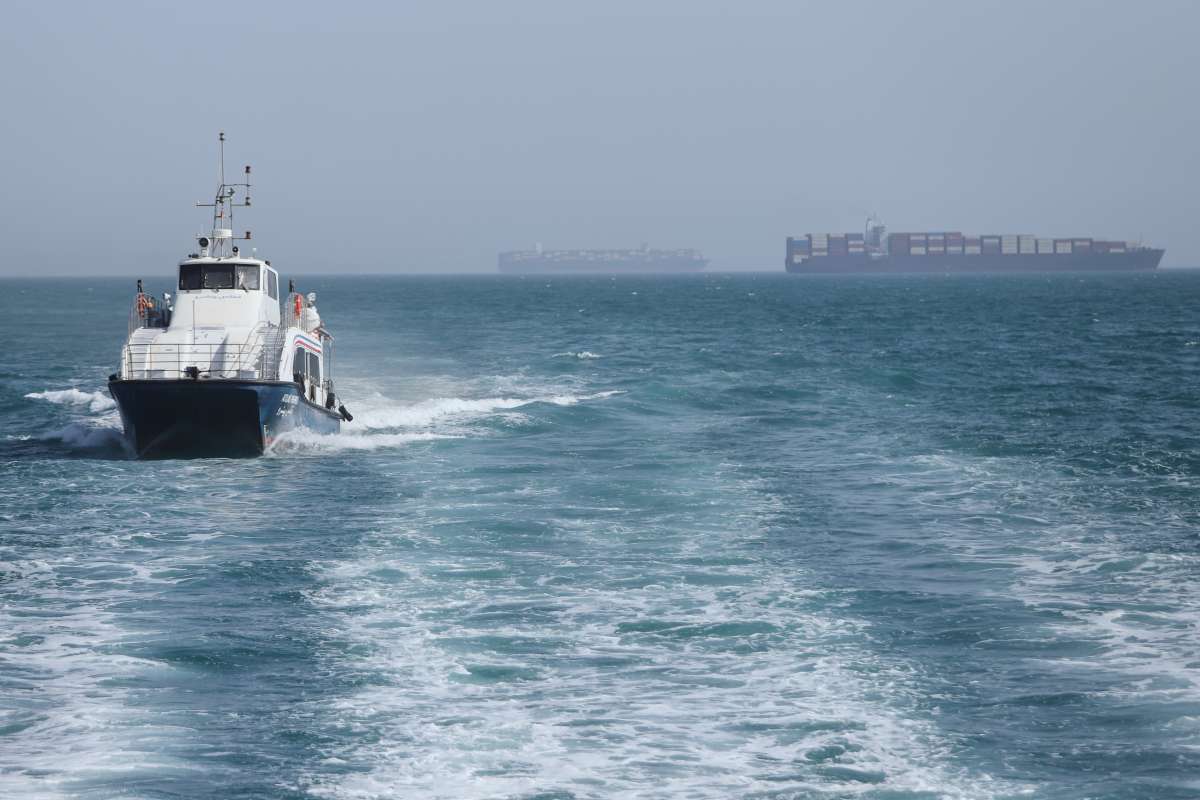
As Washington weighs Hezbollah's ceasefire signal against Iran's negotiating freeze, the future of a wider regional settlement now appears increasingly uncertain.