'We didn't win, sorry': Maher scorches Trump's Iran narrative, lists 3 reasons the US lost
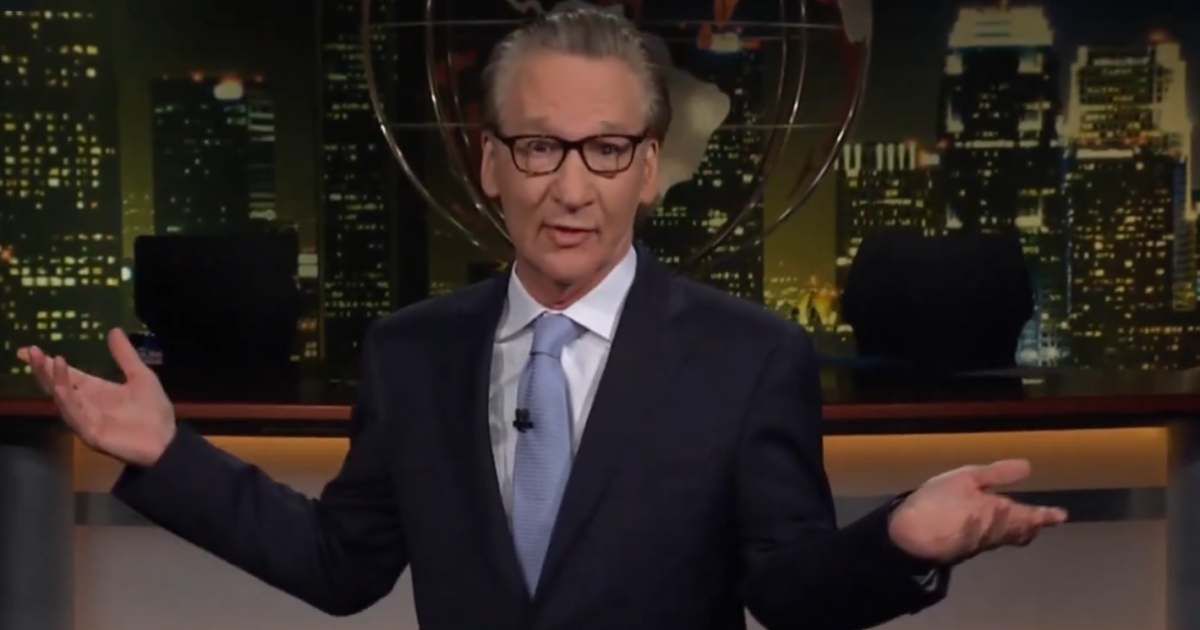
Maher pointed to limited outcomes, saying actions so far resembled tactical strikes rather than progress toward long-term geopolitical objectives
Comedian and political commentator Bill Maher said President Donald Trump was wrong about the outcome of the Iran war (Screengrab/ Real Time with Bill Maher)

WASHINGTON, DC: Comedian and political commentator Bill Maher delivered a blunt critique of President Donald Trump over the ongoing conflict with Iran, arguing that claims of a US victory were unfounded.

Speaking on the Friday, April 24, episode of ‘Real Time with Bill Maher’, Maher said Trump was “wrong” about the outcome of the war, adding, “He keeps saying we won, and we didn’t.”
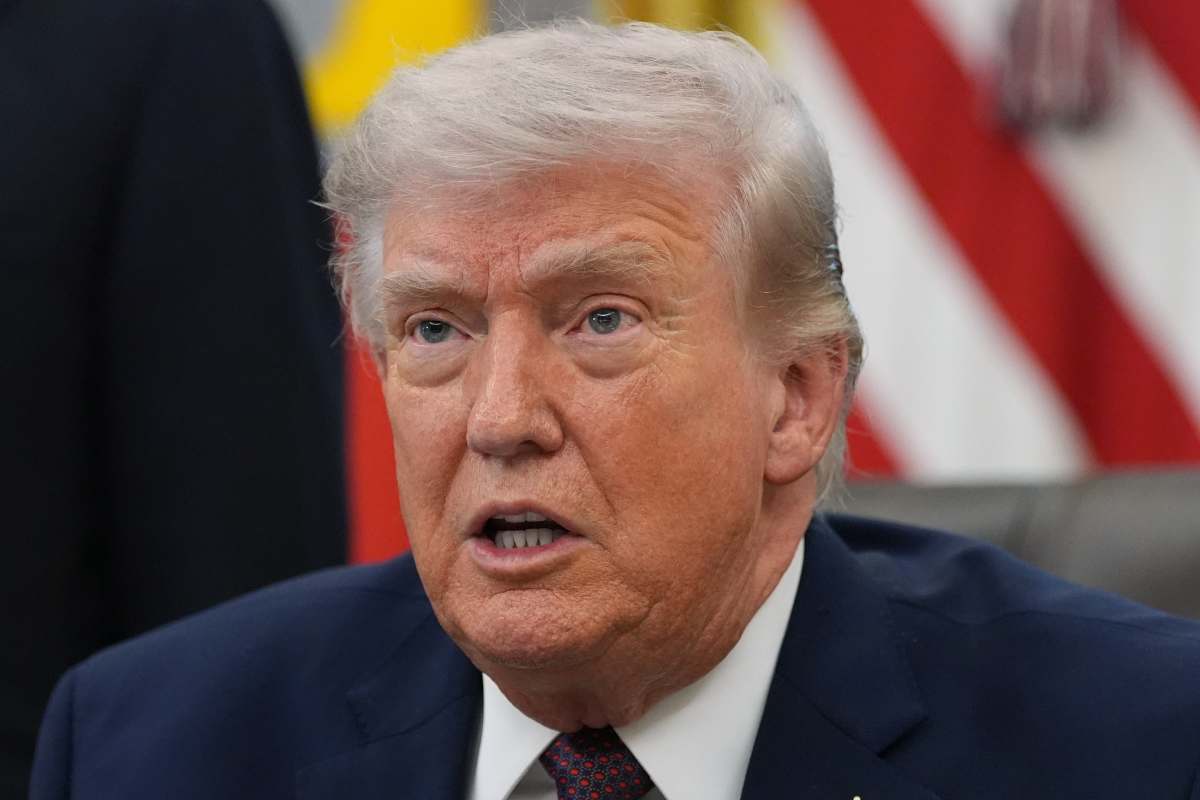
President Donald Trump answers questions from reporters after signing an executive order in the Oval Office of the White House Tuesday, March 31, 2026, in Washington. (AP Photo/Alex Brandon)
President Donald Trump answers questions from reporters after signing an executive order in the Oval Office of the White House, Tuesday, March 31, 2026, in Washington (AP Photo/Alex Brandon)

Panel features political and media voices

The episode featured Maryland Governor Wes Moore as the interview guest. The panel included broadcaster Chris Cuomo and political analyst Sarah Isgur, offering a mix of perspectives on the conflict and US policy.

Maher, who previously supported military action, used his monologue to highlight what he described as inconsistencies in Trump’s messaging.

He mocked the administration’s shifting tone, from aggressive threats to a more subdued stance, suggesting the conflict resembles a repetitive stalemate rather than a decisive war.

Bill Maher tackled the recent political antics about several Republics showing up at Trump trial  (Real Time)
Bill Maher listed several indicators he believes contradict claims of victory (Real Time With Bill Maher)

Bill Maher lists several indicators and challenges success narrative

Underscoring his argument, Maher listed several indicators he believes contradict claims of victory: the strategic Strait of Hormuz remains disrupted, there has been no internal uprising in Iran, and the country’s ruling regime remains intact.

“We did not win. Sorry,” he said, rejecting what he characterized as celebratory rhetoric from Trump and his allies.

Maher also took aim at Trump’s continued social media posts about the conflict, describing them as “inflammatory and contradictory.” He argued that such messaging undermined any diplomatic leverage and reflected a pattern of overstating outcomes.
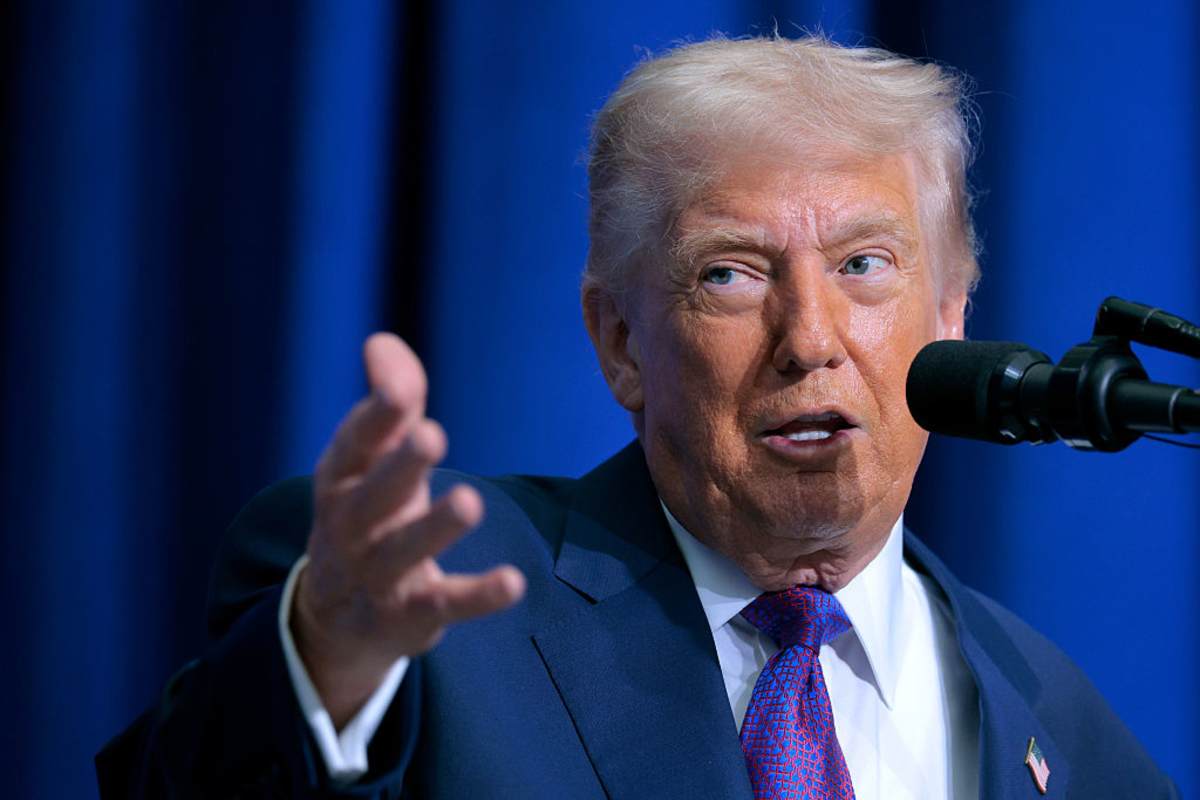
WASHINGTON, DC - FEBRUARY 19: U.S. President Donald Trump speaks during the inaugural meeting of the Board of Peace at the Donald J. Trump Institute of Peace on February 19, 2026 in Washington, DC. Assembled to raise money for the rebuilding and stabilization of Gaza, Trump's Board of Peace was formally established on the sidelines of World Economic Forum in January of 2026. (Photo by Chip Somodevilla/Getty Images)
President Donald Trump speaks during the inaugural meeting of the Board of Peace at the Donald J Trump Institute of Peace on February 19, 2026, in Washington, DC (Chip Somodevilla/Getty Images)

While acknowledging limited tactical successes, Maher suggested that US efforts have largely amounted to targeted strikes rather than broader strategic gains, reinforcing his view that the war’s objectives remain unfulfilled.

Maher’s remarks reflect a broader debate within the US political and media landscape over how success is defined in modern conflicts. Critics of the administration argue that without clear strategic gains or long-term stability, declarations of victory risk appearing premature.

Supporters, however, maintain that pressure on Iran's economic and military has yielded tangible results. The divide points to the lingering uncertainty about the war’s trajectory and endgame.
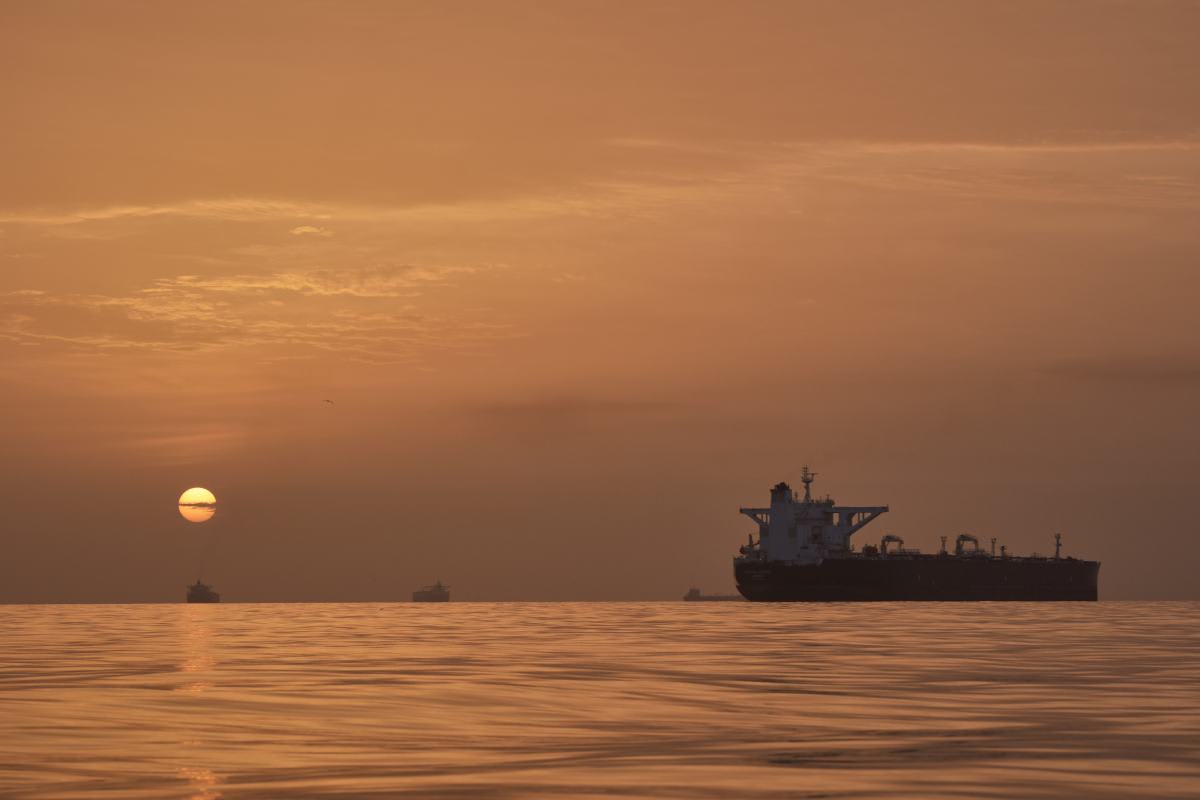
The sun rises behind tankers anchored in the Strait of Hormuz off the coast of Qeshm Island, Iran, Saturday, April 18, 2026. (AP Photo/Asghar Besharati)
The sun rises behind tankers anchored in the Strait of Hormuz off the coast of Qeshm Island, Iran, Saturday, April 18, 2026 (AP Photo/Asghar Besharati)

 As the conflict drags on, questions over costs, objectives and messaging are likely to intensify, particularly as political leaders seek to shape public perception ahead of key electoral and policy milestones.


RELATED TOPICS US STRIKES IRAN

GET BREAKING U.S. NEWS & POLITICAL UPDATES
STRAIGHT TO YOUR INBOX.

MORE STORIES

Dinner comes amid tensions over the Iran conflict, economic uncertainty and Trump media clashes
1 hour ago
Donald Trump is set to make his first appearance at the White House Correspondents' Dinner as president on Saturday, April 25
11 hours ago
Joy Behar called out RFK Jr for his past and called him unfit for his job as health secretary
13 hours ago
Joe Rogan questioned Donald Trump’s Iran strategy and the overall direction of the conflict just days after meeting the president at the White House
1 day ago
Mark Cuban was asked at Politico's Health Care Summit if he would back Kamala Harris in 2028, and he answered in one word: 'No'
1 day ago
Joe Rogan told Spencer Pratt 'I’m voting for you,' then clarified he can’t vote but would back him if he lived in Los Angeles
2 days ago
Carlson expresses regret over backing Trump, cites fear of renewed Middle East war
2 days ago
Rogan visited White House on April 18 for an executive order signing on expanded ibogaine research
3 days ago
Walz calls Trump 'feeble-minded, trigger-happy,' blames him for plunging US into Iran war
4 days ago
Alyssa Farah Griffin said Donald Trump’s base won’t leave him, downplaying rifts with Megyn Kelly, Tucker Carlson, and Alex Jones
4 days ago