Judge Friedman torches Pentagon's press pledge during Iran war: 'Asking a question is not a crime'
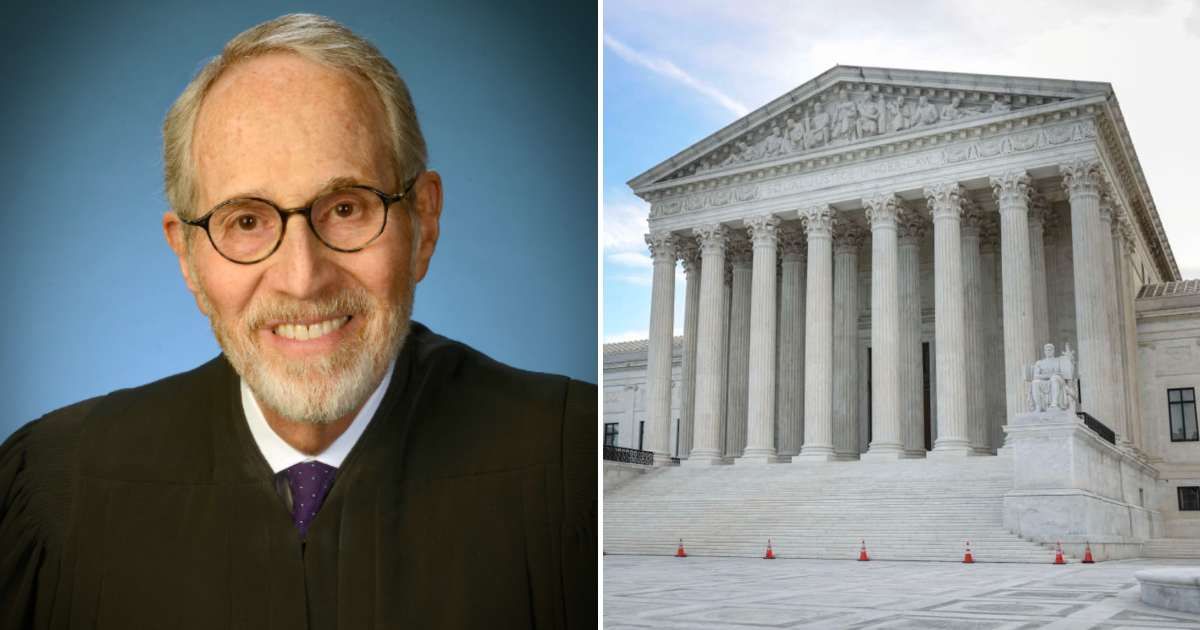
WASHINGTON, DC: A federal judge raised concerns on Friday, March 6, about restrictions placed on journalists covering the Pentagon, suggesting that public access to information was especially important during wartime.
The comments came during a court hearing examining a policy introduced by the Defense Department that requires reporters to sign a pledge not to obtain or use unauthorized information.
The rule was challenged in court by major news organizations that said the requirement could undermine press freedom and limit coverage of the military.
During the hearing, the judge repeatedly emphasized the importance of transparency and the role journalists played in informing the public about government actions.

Court questions policy blocking reporters who refused pledge
Senior US District Judge Paul Friedman expressed skepticism toward a Pentagon policy that restricted reporters who refused to sign a pledge limiting their ability to obtain or use confidential information.
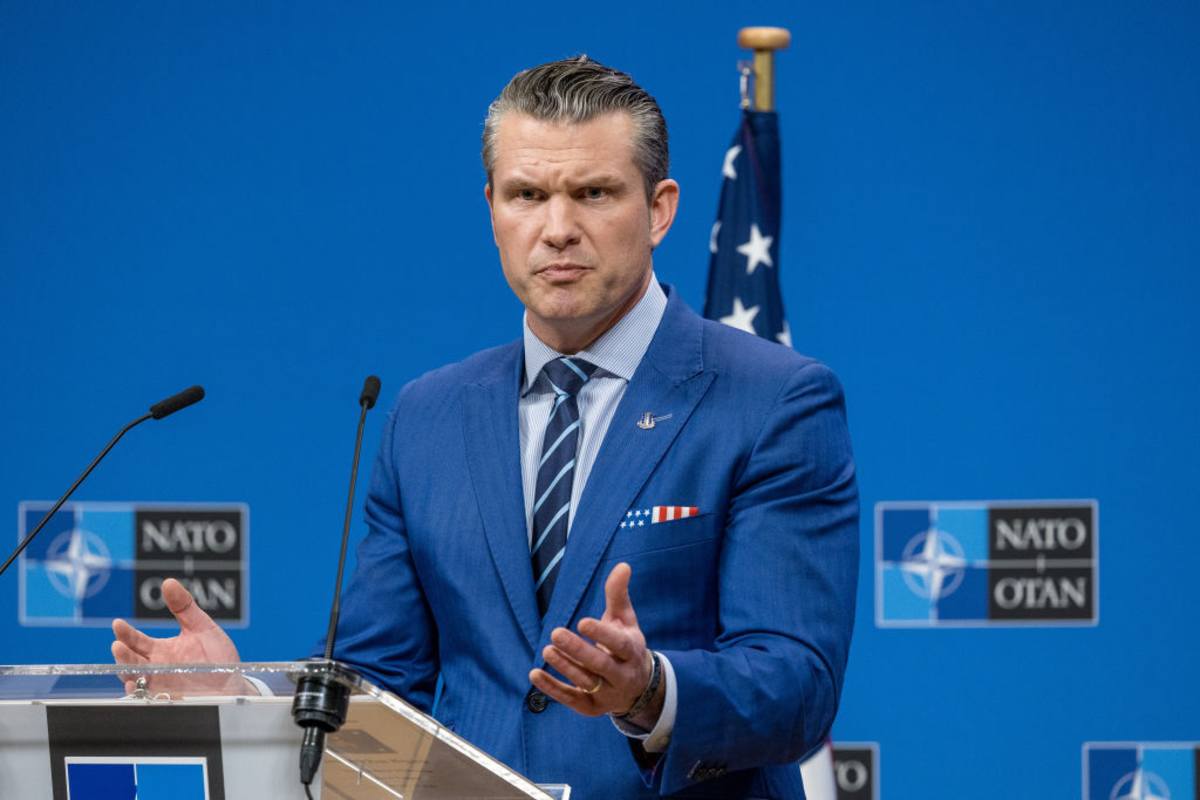
The policy, introduced under Defense Secretary Pete Hegseth, requires reporters to sign a statement promising not to seek or publish unauthorized materials.
ONGOING: Judge in Pentagon press access case is fired up in hearing: “Asking a question is not a crime," Judge Paul Friedman told DOJ attorney Michael Bruns. “All you’ve got to say is I can’t answer”
— Gary Grumbach (@GaryGrumbach) March 6, 2026
“Reporters have to be able to ask the question," Judge said.
No ruling yet. https://t.co/mUIH3FRJC3
News outlets that declined to sign the pledge were denied press credentials granting access to the Defense Department.
The lawsuit challenging the rule was filed by The New York Times, while several other news organizations, including CNN, also refused to sign the agreement.
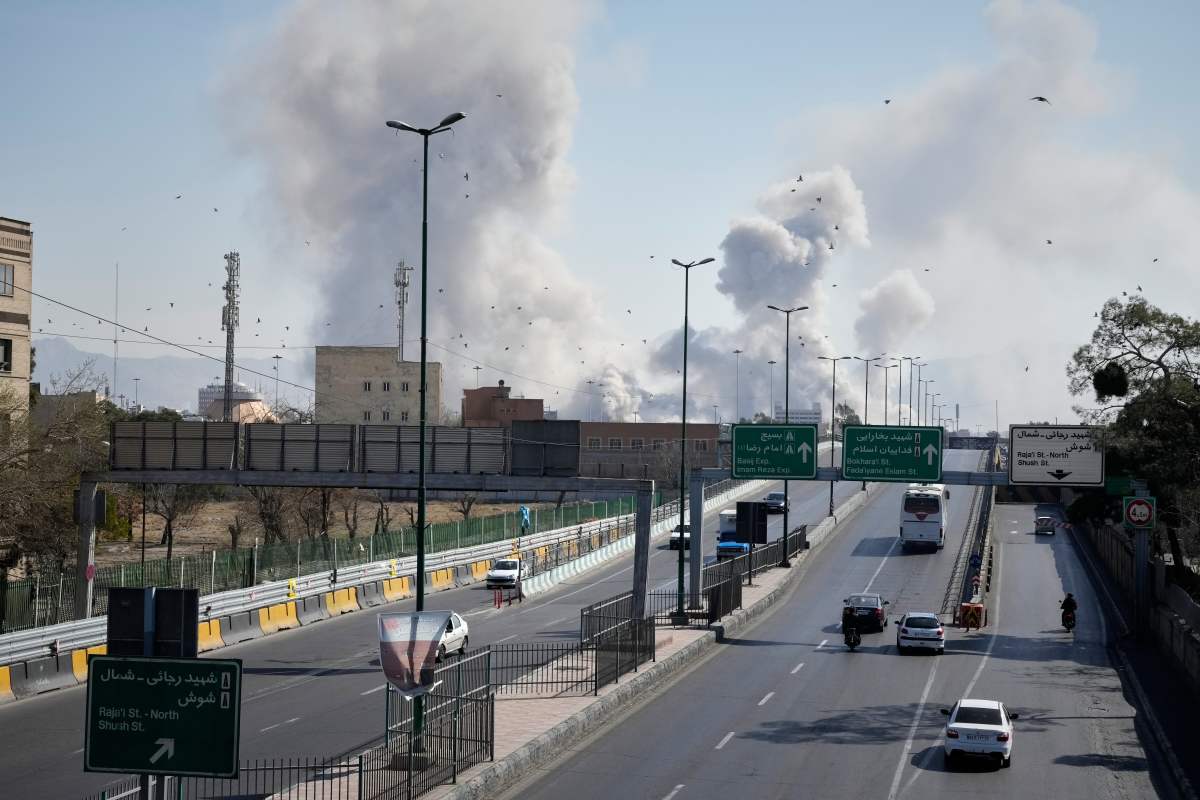
During a court hearing, Friedman questioned whether the restrictions were appropriate, particularly as the United States remains engaged in military operations related to the Iran conflict.
“Isn’t it even more important than ever that the public have information and a variety of views on what their country is doing?” Friedman asked a Justice Department attorney defending the policy.
Judge cites First Amendment and past wars in challenge
Friedman pointed to historical moments when investigative journalism helped the public better understand military conflicts and government decisions.
He referenced reporting during the Vietnam War, coverage of the Iraq War and investigations into detention practices at Guantanamo Bay.
“A lot of things need to be held tightly and securely. But openness and transparency allow the public to know what their government is doing,” Friedman said.
“That’s what the First Amendment is all about,” Friedman added. “The public has a right to know a lot of things.”
In a tense exchange with Justice Department attorney Michael Bruns, Friedman pushed back against the government’s claim that journalists were not protected by the First Amendment when they solicited or received confidential information.
“Why not? Why not?” Friedman asked during the hearing. "There is no prohibition on them asking the question."

Friedman did not issue a ruling during the hearing and said that he would consider arguments from both sides before deciding whether the Pentagon policy could remain in place.