Latest report exposes Iran's secret plan to widen the war: 'The main war has not yet begun'
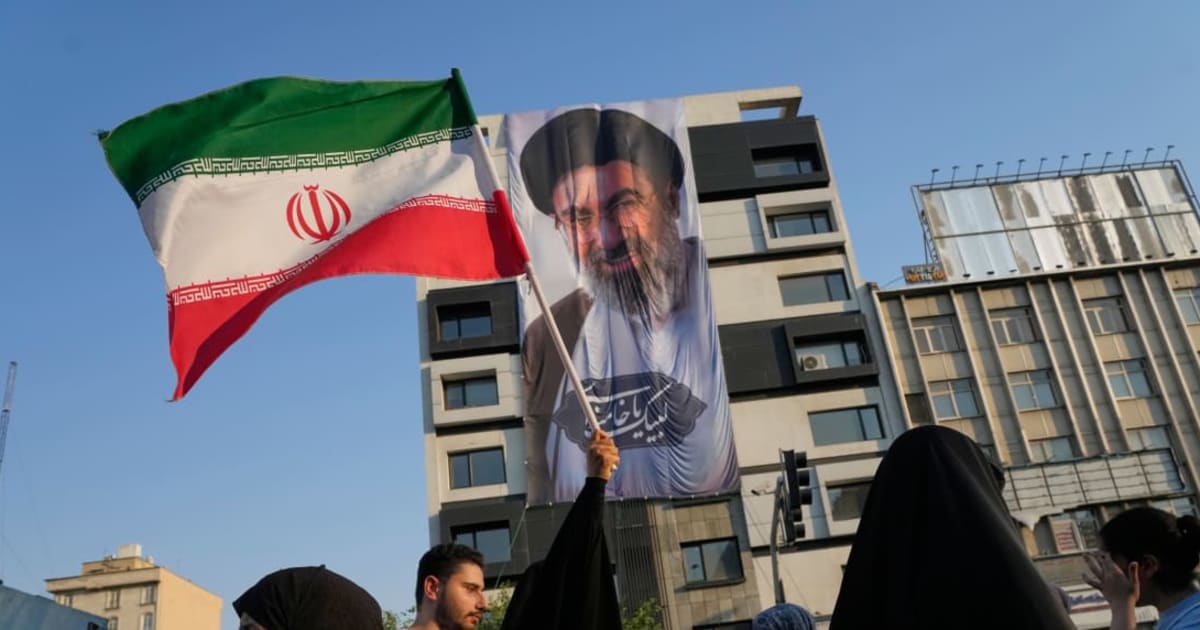
A Wall Street Journal report says Iran used the diplomatic window to strengthen the IRGC, rebuild weapons capacity and prepare for wider conflict
Iran has reportedly strengthened military coordination with regional allies while Gulf states prepare for possible further escalation. (AP Photo/Vahid Salemi)

WASHINGTON, DC: Iran's hard-line leadership allegedly used the diplomatic period following a June memorandum of understanding to prepare for a wider confrontation with the United States and its allies, according to a Wall Street Journal investigation based on intercepted communications and information from Iranian and Arab officials.
(Getty Images)
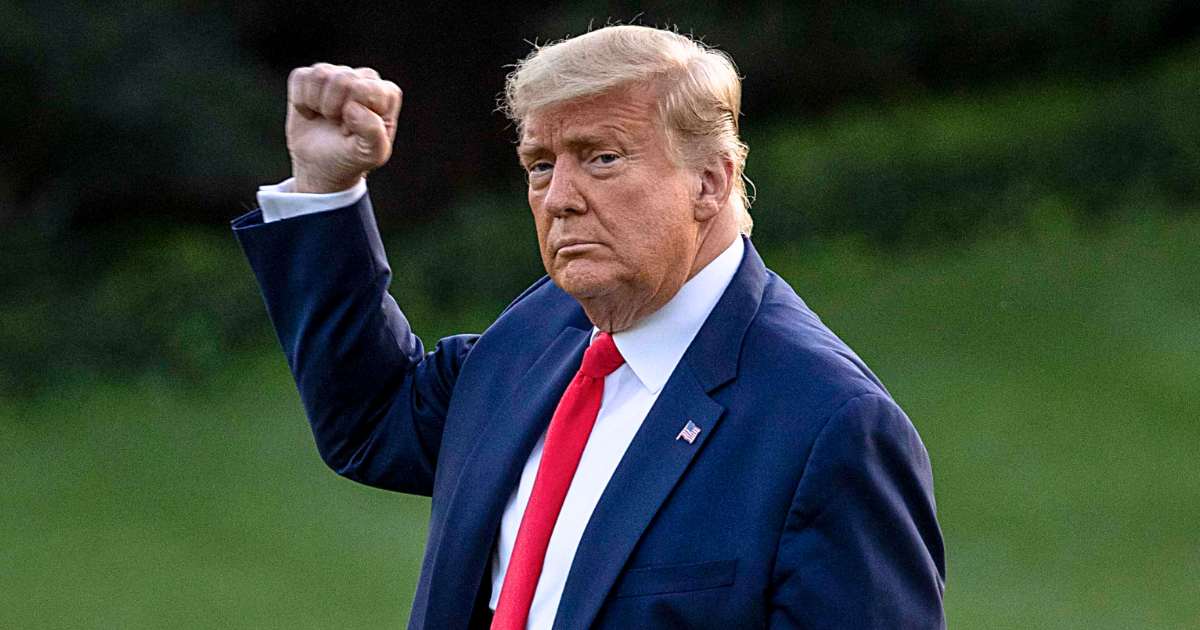
Trump’s diplomatic push with Tehran faces a new complication as reports detail Iran’s preparations for a wider confrontation.(Getty Images)

The report says Tehran strengthened the Islamic Revolutionary Guard Corps, expanded missile and drone production and coordinated with allied groups across the region while negotiations continued.

The developments offer a different picture of the diplomatic window, with Iranian officials reportedly viewing the pause as an opportunity to prepare for another phase of the conflict rather than simply move toward a settlement.

Iran reportedly prepares for escalation

According to the Journal, Iranian hard-liners believed the memorandum could give the US and Israel time to ease economic pressure and prepare for another attack. Iranian leaders therefore allegedly used the period to reinforce their military position. 
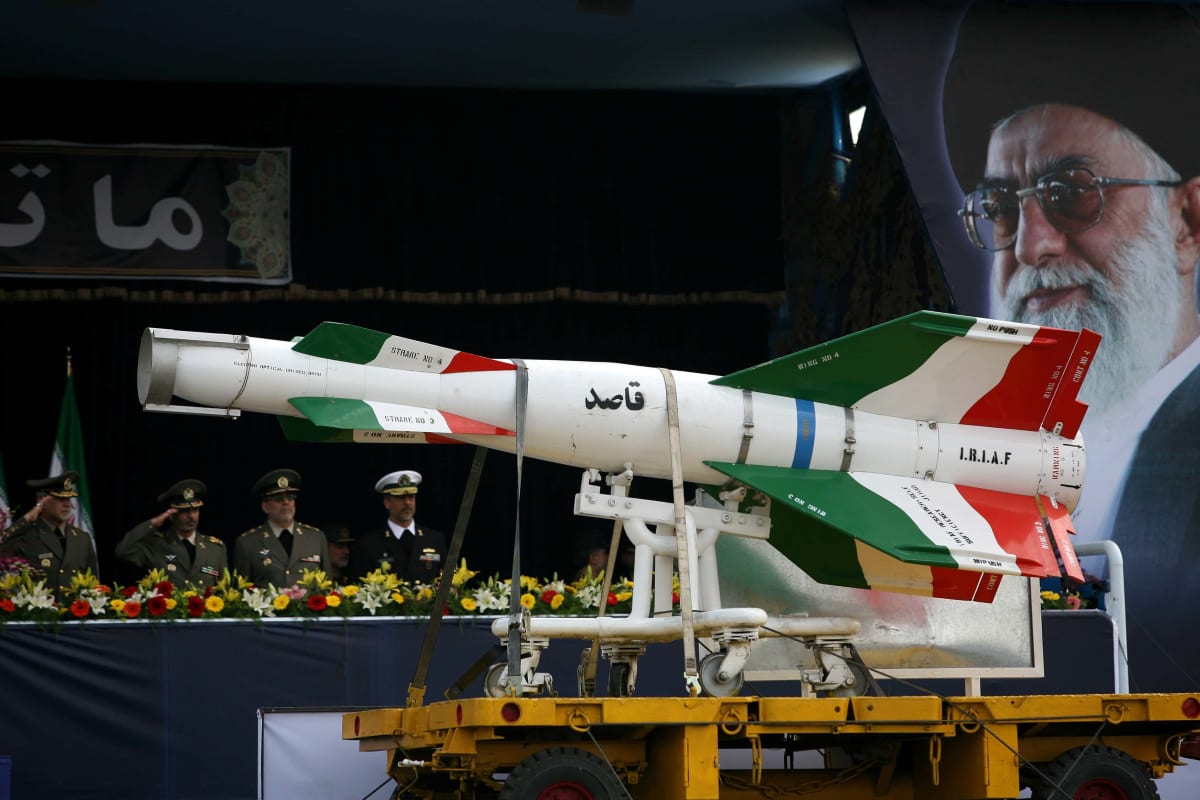
TEHRAN, IRAN - APRIL 17:  An Iranian surface to surface Ghasedak  missile is driven past portraits o
Iran’s hard-line leadership reportedly used the negotiation period to strengthen military command structures and accelerate weapons production. (Getty Images)

The reported measures included giving the IRGC greater control over Iran's regular army, placing experienced veterans in important military and security positions, expanding domestic counterintelligence operations and increasing production of missiles and drones.

The report said the IRGC also used the period to prepare its forces and affiliated groups for possible further escalation.

IRGC expands regional coordination

The Journal reported that IRGC advisers were sent to Iraq, Yemen and Lebanon to discuss possible plans with allied militias. The reported coordination was aimed at giving Iran additional options if fighting with the US and its allies intensified. 
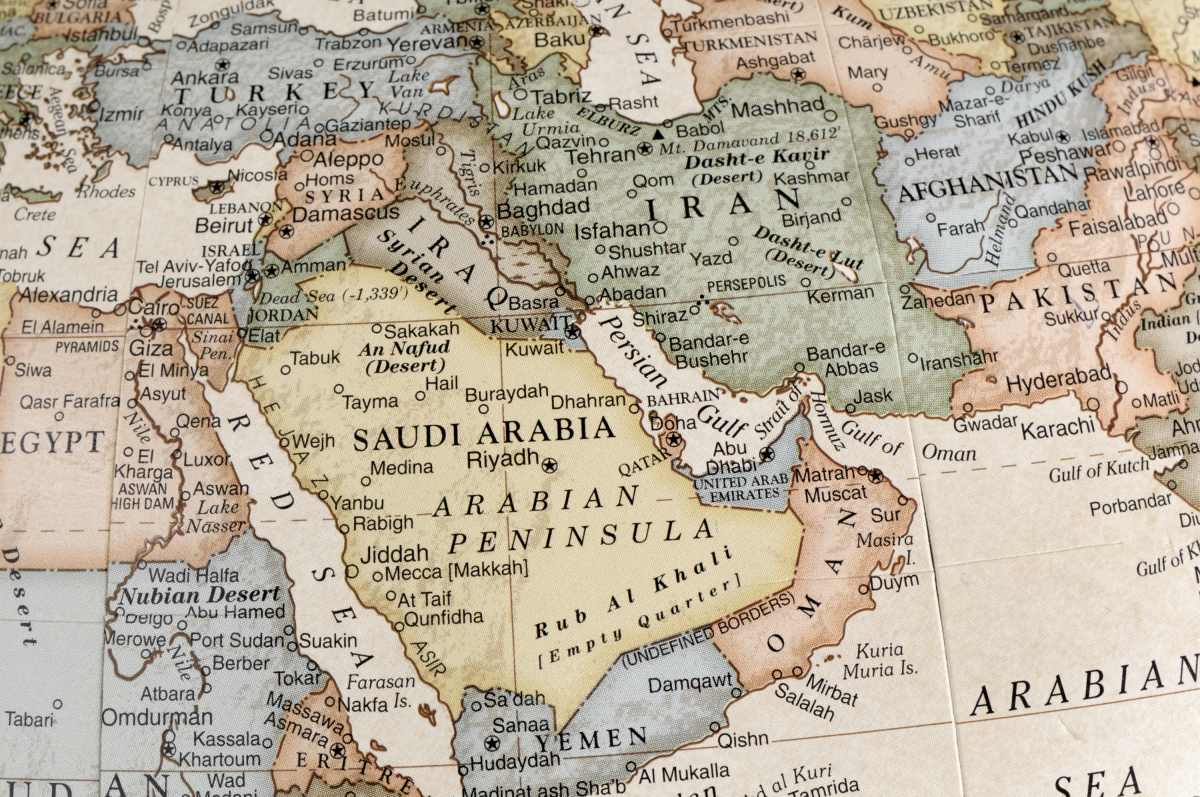
A close-up/macro photograph of Middle East from a desktop globe. Adobe RGB color profile.
the credit for this is- (Keith Binns/ Getty Images)
IRGC advisers reportedly coordinated with allied groups in Iraq, Yemen and Lebanon as Tehran prepared for possible further escalation. (Keith Binns/ Getty Images)

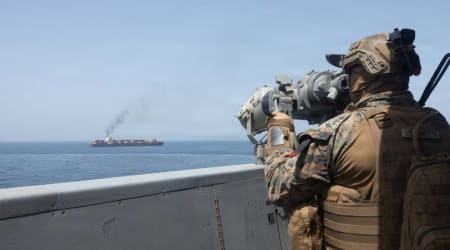
Iran also reportedly sought to expand pressure around the Red Sea and Persian Gulf. The leadership's efforts included attacks on ships and attempts to strengthen its position around the Strait of Hormuz, according to the report.

The developments have raised concerns among Arab intelligence agencies monitoring Iran's military and proxy networks.

Tehran weighs more dangerous options

The Journal reported that Iranian officials and public statements pointed to several possible escalation options, including pre-emptive strikes and attacks affecting regional infrastructure.
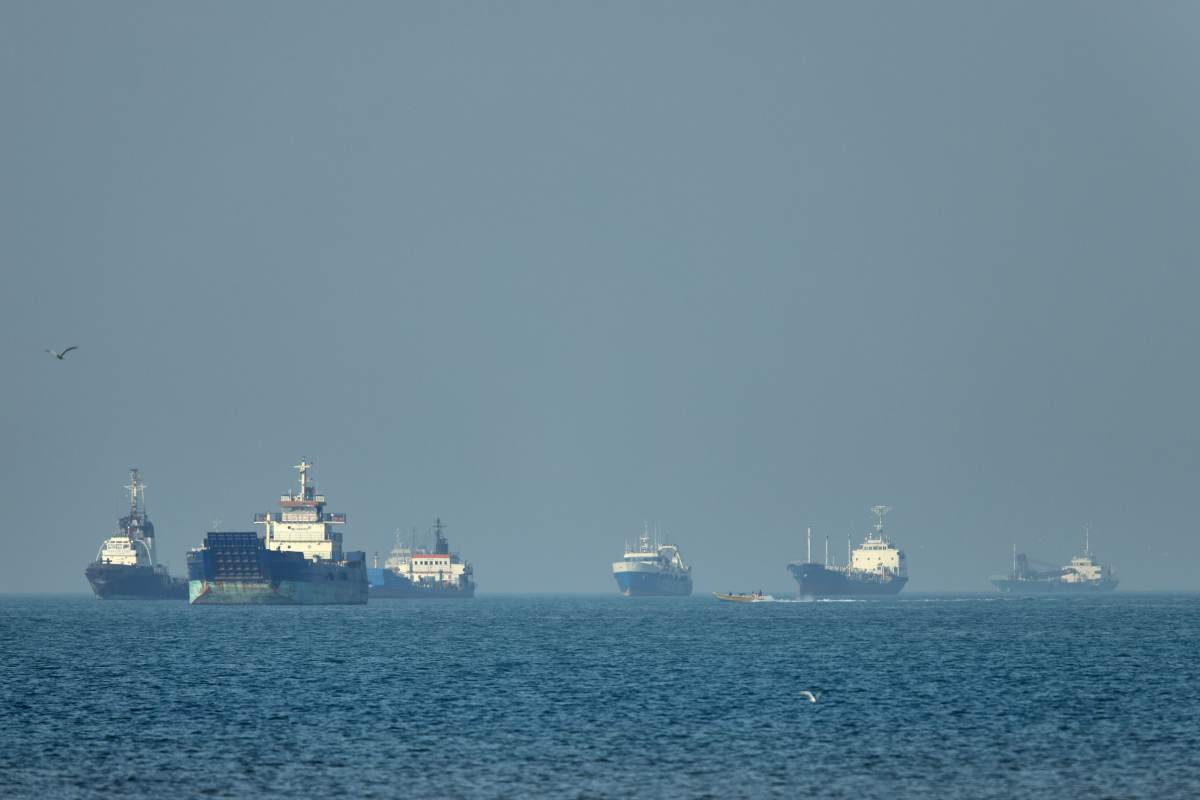
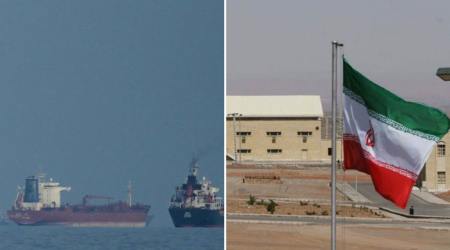
Cargo ships, including bulk carriers and general cargo vessels, sit at anchor offshore as a small motorboat passes in the foreground, in the Strait of Hormuz off Bandar Abbas, Iran, Monday, May 4 , 2026.(Amirhosein Khorgooi/ISNA via AP)
Reported Iranian contingency plans include potential attacks on Gulf infrastructure and operations that could widen the conflict beyond Iran’s borders. (Amirhosein Khorgooi/ISNA via AP)

Among the options discussed were sabotaging internet cables in the Persian Gulf, encouraging political unrest in countries with large Shia populations such as Kuwait and Bahrain, and potentially conducting ground operations in Kuwait.

Kuwait has reportedly taken the possibility seriously and begun preparing contingency plans. The reported scenarios would widen the conflict beyond direct US-Iran confrontation and could place additional pressure on Gulf countries and regional infrastructure.

Iranian analyst warns war remains

Mohammad Hassan Sangtarash, a Tehran-based defense analyst linked to the Iranian government, told the Journal that there was a widespread view in Iran that “the main war has not yet begun.” He described the conflict as involving gradual escalation intended to weaken opposing capabilities before a larger confrontation. 
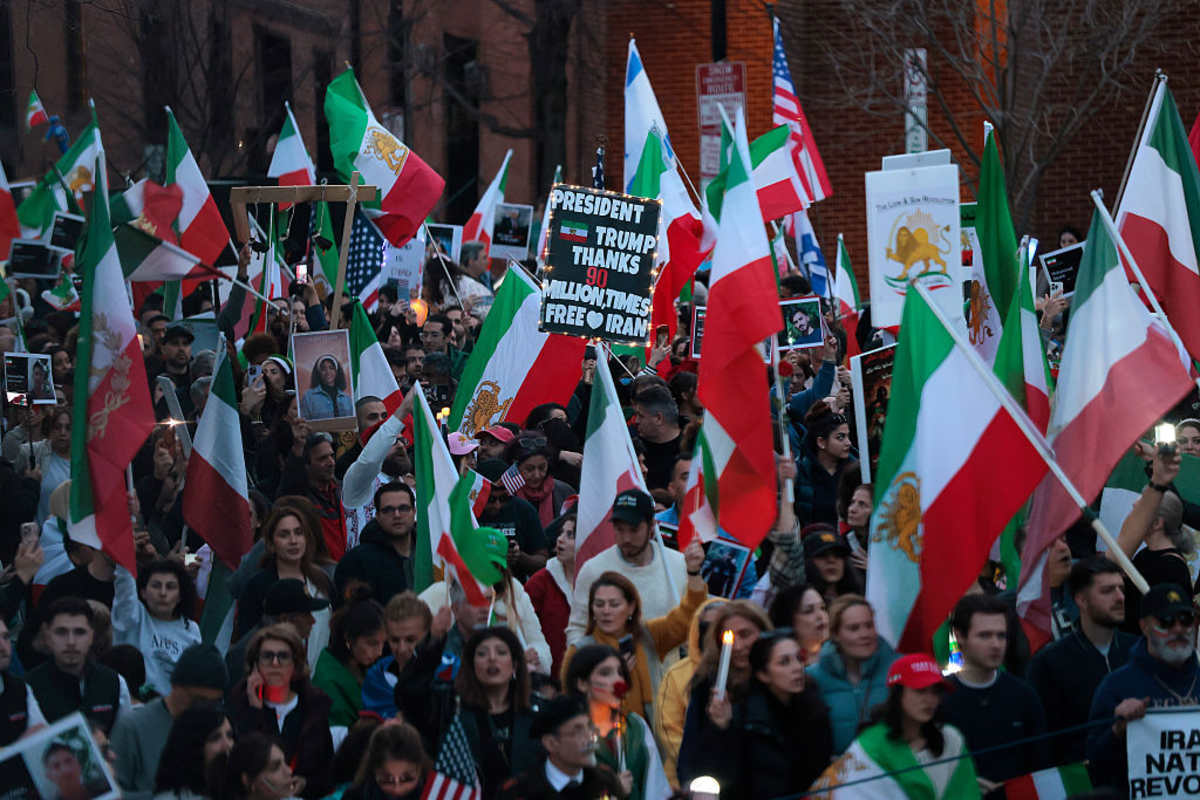
Members of the Iranian-American community and supporters march in celebration on February 28, 2026 in Washington, DC. President Donald Trump announced that the United States and Israel had launched an attack on Iran Saturday morning (Heather Diehl/Getty Images)
An Iran-linked defense analyst says some inside Tehran believe the larger confrontation has yet to begin, underscoring the uncertainty ahead. (Heather Diehl/Getty Images)

The Journal also reported that Iran has been rebuilding military infrastructure and restoring access to missile facilities faster than some Israeli officials had expected.

The reported preparations come as Trump continues to demand that Iran abandon any ability to develop a nuclear weapon.
RELATED TOPICS US STRIKES IRAN

GET BREAKING U.S. NEWS & POLITICAL UPDATES
STRAIGHT TO YOUR INBOX.

MORE STORIES

Donald Trump cited cost, diplomacy with Kim Jong Un and Seoul’s Iran stance as the Pentagon reduced US participation in annual military drills
10 hours ago
Iranian Army chief Amir Hatami said the reward was created after a surge in requests from Iranians seeking to join the conflict
14 hours ago
Kazem Gharibabadi said Tehran would decide when the strategic waterway opens or closes, rejecting Washington’s claim of control
2 days ago
Iran said the United States must pledge never to threaten Tehran again and permanently end its war with Iran and its regional allies
Aug 9, 2026
Kazem Gharibabadi said negotiations were essential as inflation hit 88.6% and Iran’s oil exports faced mounting disruption
Aug 9, 2026
Iran said the Strait of Hormuz would remain closed until the US ended military action, lifted sanctions, and withdrew its forces
Aug 8, 2026
Reza Valizadeh also revealed that Iranian authorities have prevented his family from visiting him for five months, which he believes is punishment
Aug 8, 2026
Ron Dermer served as Israel’s ambassador to the US from 2013 to 2021 and later worked as Benjamin Netanyahu’s strategic affairs minister
Aug 8, 2026
Although both Tehran and Washington projected confidence that progress was being made, activity in the strait remains far from normal
Aug 7, 2026
Without naming Trump, Mark Carney appeared to reference his 2025 call for a probe after teleprompter, escalator and audio glitches at the UN
Aug 6, 2026