Republicans weigh gutting Medicaid to fund $200B Iran war: 'Less money for health care'
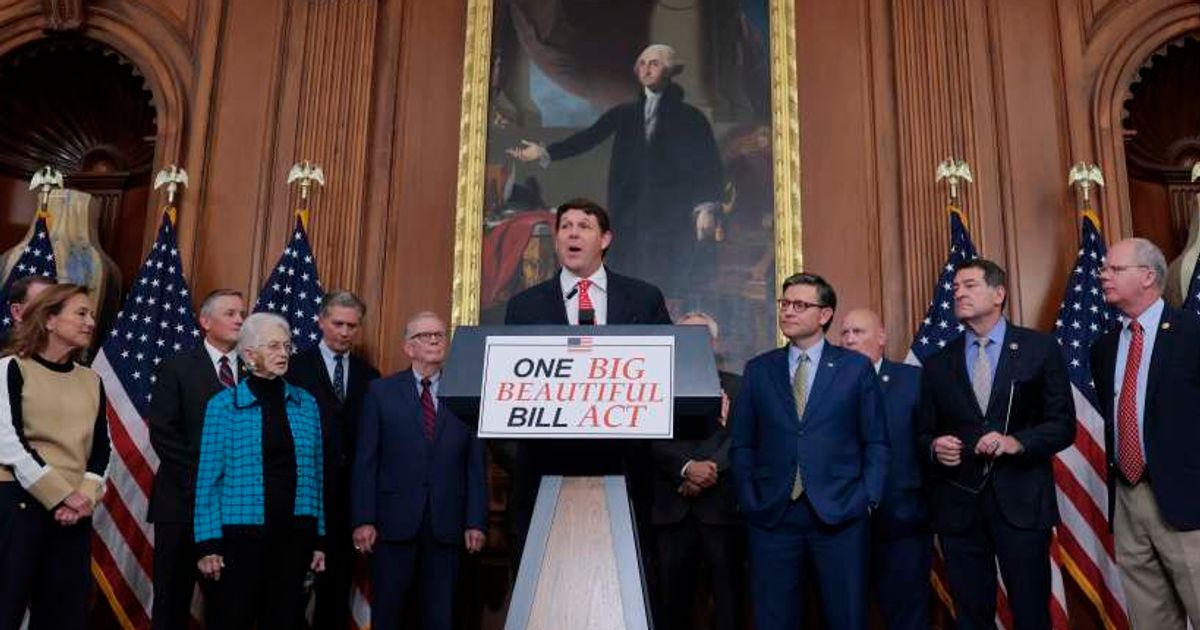
WASHINGTON, DC: Congressional Republicans have ignited a political firestorm by considering deep reductions in federal health spending to offset a $200 billion budget bill aimed at funding the ongoing Iran war and intensified immigration enforcement.
The proposal, which emerged on Monday, March 30, as the Department of Homeland Security (DHS) shutdown continues to paralyze travel, seeks to use the party-line reconciliation process to bypass a Senate filibuster.
House Majority Leader Steve Scalise (R-La) confirmed that leadership is eyeing ‘offsets’ addressing fraud and waste, reviving tactics from last year’s budget battle that imposed Medicaid work requirements.
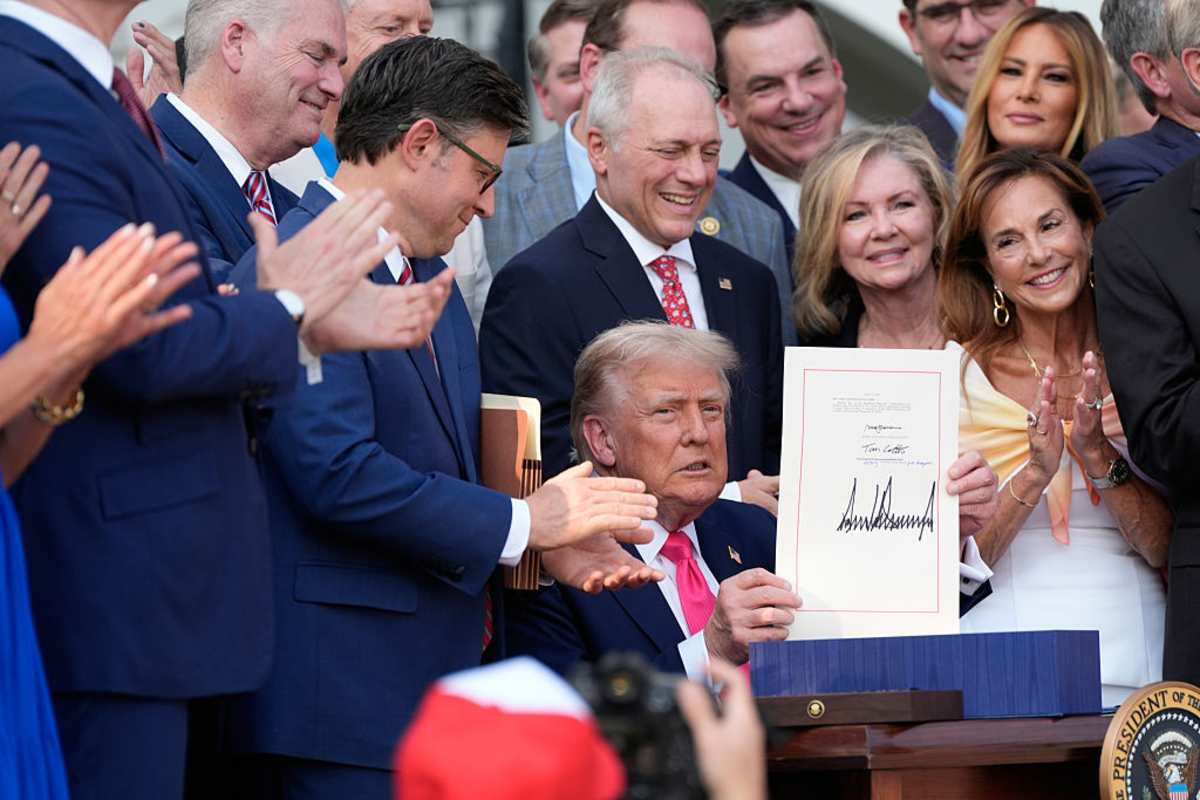
However, the inclusion of health cuts to pay for an increasingly expensive conflict has drawn immediate, vitriolic pushback from across the political spectrum.
Affordable Care Act and Medicare under the knife
At the center of the debate is a plan from House Budget Committee Chairman Jodey Arrington (R-Texas) to alter Affordable Care Act (ACA) cost-sharing reductions.
While the Congressional Budget Office suggests this could lower benchmark premiums by 11%, it would also leave an estimated 300,000 more Americans uninsured and significantly increase out-of-pocket costs for many enrollees.

The move is projected to save the government over $30 billion, a fraction of the $200 billion war chest requested by the administration.
Arrington is also weighing "site-neutral" Medicare payments and a crackdown on ‘upcoding’ within the Medicare Advantage system.
While these measures are framed as efficiency moves, Arrington admitted they risk opening a "false narrative" that Republicans are cutting Medicare.
On Medicaid, the GOP is considering reviving policies that limit the ability of states to provide coverage to undocumented immigrants.
Democrats launch ‘war on health care’ counter-offensive
The 2026 @GOP platform:
— Chuck Schumer (@SenSchumer) March 30, 2026
More money for war.
More money for ICE.
Less money for health care. https://t.co/hIs6FgHJTd
The reaction from Democratic leadership was swift and coordinated.
Senate Minority Leader Chuck Schumer (D-NY) took to X to define the 2026 GOP platform as "More money for war. More money for ICE. Less money for health care."
This sentiment was echoed by Senator Elizabeth Warren (D-Mass), who urged voters to "let it sink in" that Republicans are prioritizing military aggression in Iran over the health of American citizens.
Trump ran on affordability.
— Governor Newsom Press Office (@GovPressOffice) March 30, 2026
He delivered a war.
Now he’s trying to make your health care MORE EXPENSIVE to pay for it. https://t.co/BfQAb20zTz
California Governor Gavin Newsom also joined the fray, accusing President Trump of delivering a war instead of the "affordability" he campaigned on.
"Now he’s trying to make your health care MORE EXPENSIVE to pay for it," Newsom posted, highlighting the $200 billion price tag for the Iran conflict and immigration enforcement as the primary driver for the proposed cuts.
Internal GOP rift threatens reconciliation gambit
The strategy faces significant hurdles within the Republican conference itself.
Moderate Rep Don Bacon (R-Neb) expressed caution, stating "I'll see" when asked about the offsets, while Scalise acknowledged the difficulty of "putting the vote coalition together" during an election year.
With only a slim majority, even a handful of defections from moderates wary of "cutting health care to pay for an unpopular war" could sink the bill.
📍 Thermo Fisher Scientific Facility in Cincinnati, Ohio
— The White House (@WhiteHouse) March 11, 2026
From Most-Favored-Nation drug pricing to reshoring manufacturing, President Trump's America First policies are delivering real results for Americans across the country. pic.twitter.com/cgReLDWbaL
Adding to the complexity, President Trump is pushing for his "most favored nation" drug pricing proposal to be included in the bill, a move that would link US drug prices to lower prices paid abroad.
While Trump views this as an affordability win, GOP congressional leadership remains "cool" to the idea, preferring to focus on price transparency through the Energy and Commerce Committee.
War for the 'Epstein class' rhetoric explodes
The backlash has extended beyond traditional partisan lines. Legal analyst Robert Barnes characterized the move as GOP's self-demise, labeling the conflict a "war for the Epstein Class" paid for by cutting health care at a time when it remains a top-three national issue.
This populist critique suggests that the administration may face a multi-front political battle as it tries to fund the March 27 arrival of 3,500 Marines in the Gulf.
War for the #EpsteinClass paid for by cutting health care at a time when health care is a top-3 issue in the country. GOP suicide. https://t.co/hkN5qSUDa3
— Robert Barnes (@barnes_law) March 30, 2026
Chairman Arrington has set an ambitious timeline of 60 to 90 days to pass the legislation.
As the 'No Kings' movement continues to mobilize millions in cities like New York and Los Angeles against the war, the Republican attempt to bridge the $200 billion gap through health care reductions ensures that the 2026 midterms will be a tense fight.