Trump taunts Iran's 'blackmail' with 34 ship Hormuz crossing: 'Won't be pleasant for them'
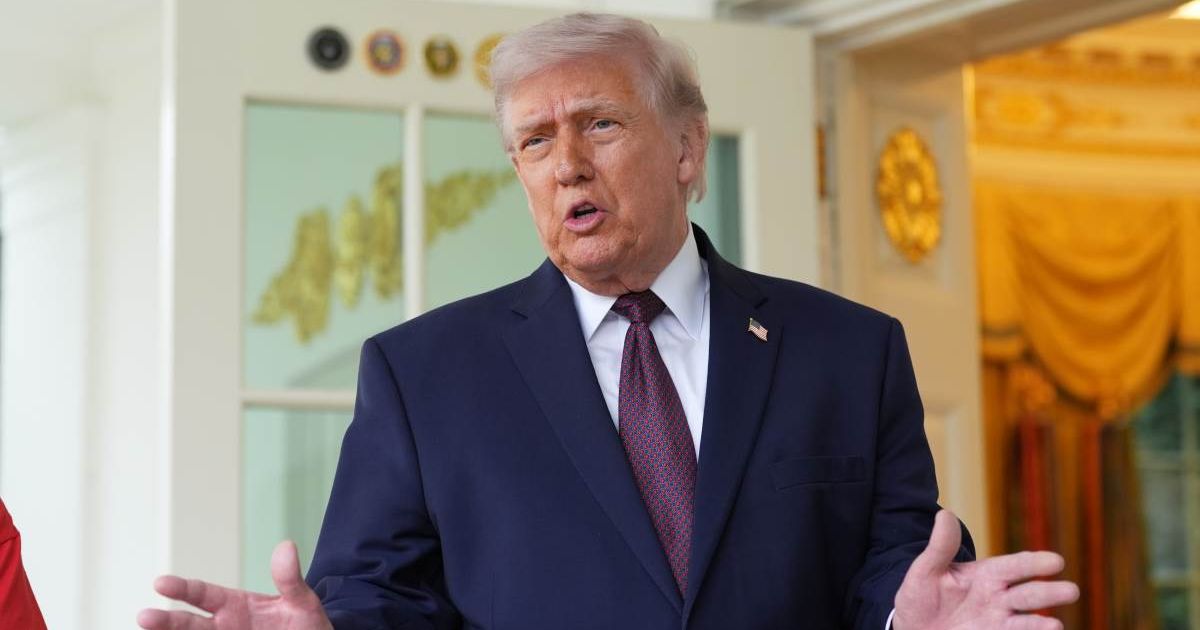
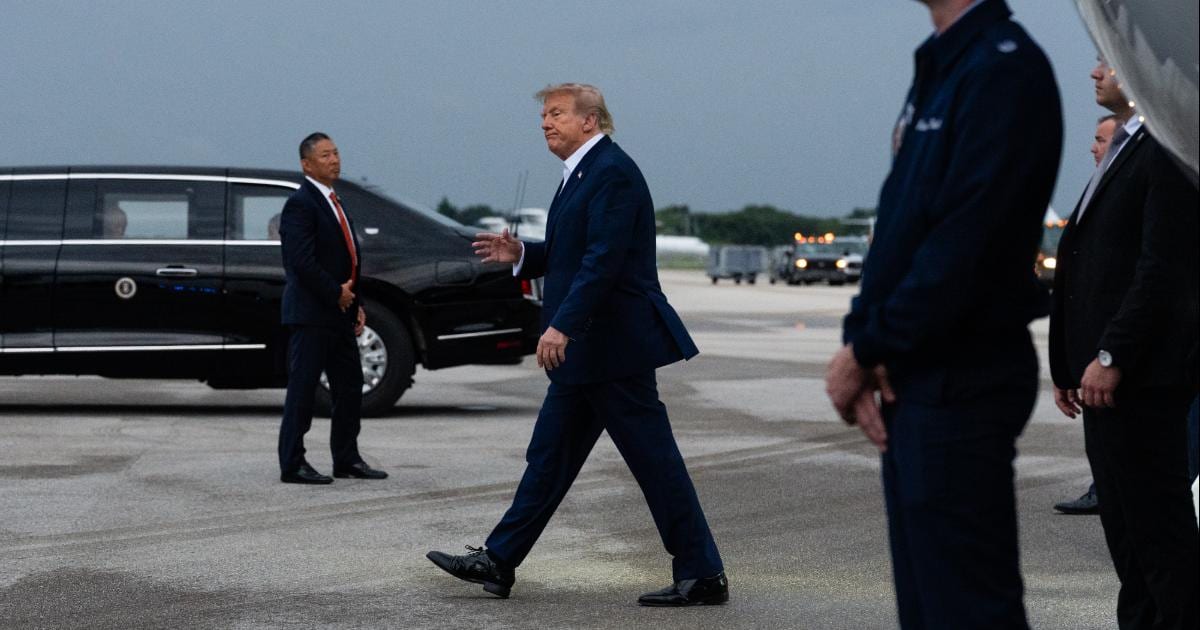
WASHINGTON, DC: President Donald Trump on Monday, April 13, issued a fresh warning to Iran while addressing rising tensions in the Strait of Hormuz, a key global oil transit route.
Speaking during a White House briefing, Trump accused Tehran of “blackmailing the world” and signaled potential consequences if a nuclear deal was not reached.
His remarks came as maritime traffic surged through the strait and reports emerged of tankers turning away following a US blockade. Iranian officials, meanwhile, cautioned that foreign intervention could deepen instability in global energy markets.

Trump warns of consequences and claims Iran open to deal
During remarks at the White House, Trump declined to detail specific actions if negotiations with Iran failed but indicated a strong response.
“I don't want to comment on that, but it won't be pleasant for them, let me put it that way,” he said when asked about the outcome if a deal was not reached by the end of the ceasefire period.
Trump reiterated his administration’s core demand, stating, “Iran will not have a nuclear weapon... If they don't agree, there's no deal. There'll never be a deal.”
.@POTUS: "Iran will not have a nuclear weapon... If they don't agree, there's no deal. There'll never be a deal. Iran will not have a nuclear weapon and we're going to get the dust back — either we'll get it back from them or we'll take it." pic.twitter.com/SNani9M8hT
— Rapid Response 47 (@RapidResponse47) April 13, 2026
He added, “Iran will not have a nuclear weapon, and we're going to get the dust back, either we'll get it back from them, or we'll take it.”
He also suggested that diplomatic engagement might still be possible, noting that he had received communication from Iranian representatives.
“They would like to work a deal,” Trump said, adding that he believes Tehran could ultimately agree to US conditions.
.@POTUS: "We can't let a country blackmail or extort the world because that’s what they’re doing, they’re really blackmailing the world. We’re not going to let that happen."
— Rapid Response 47 (@RapidResponse47) April 13, 2026
"And many ships are heading to our country right now as we speak to load up with the best [oil]..." pic.twitter.com/8gCGjZiHX1
Framing Iran’s handling of the Strait of Hormuz as a broader global threat, Trump said, “We can't let a country blackmail or extort the world because that’s what they’re doing, they’re really blackmailing the world. We’re not going to let that happen.”
He also pointed to maritime activity as a sign of ongoing oil flows despite tensions.
“And many ships are heading to our country right now as we speak to load up with the best (oil)...” Trump said, adding in a post on Truth Social that as many as “34 ships went through the Strait of Hormuz yesterday, which is by far the highest number since this foolish closure began.”
Iran warns of escalation as tankers alter routes
Iranian officials responded by warning that increased foreign military involvement in the Strait of Hormuz could worsen instability.
A defense ministry spokesperson said such actions “would escalate the crisis and instability in global energy security,” according to state media.
IRAN DEFENCE MINISTRY SPOX: ANY MILITARY INTERVENTION BY FOREIGN POWERS IN THE SECURITY OF THE STRAIT OF HORMUZ WOULD ESCALATE THE CRISIS AND INSTABILITY IN GLOBAL ENERGY SECURITY. - PRESS TV
— RedboxGlobal (@RedboxWire) April 13, 2026
“Iran, based on clear and logical principles, is responsible for the security and management of the Strait of Hormuz,” the spokesperson said, adding that Tehran “will not allow any interference or aggression by US or other foreign forces.”
The statement further warned of a decisive response “to any aggressor, including Israel and the United States, in the Strait of Hormuz and elsewhere.”
At least two oil and chemical tankers reportedly altered their routes after the US blockade began.
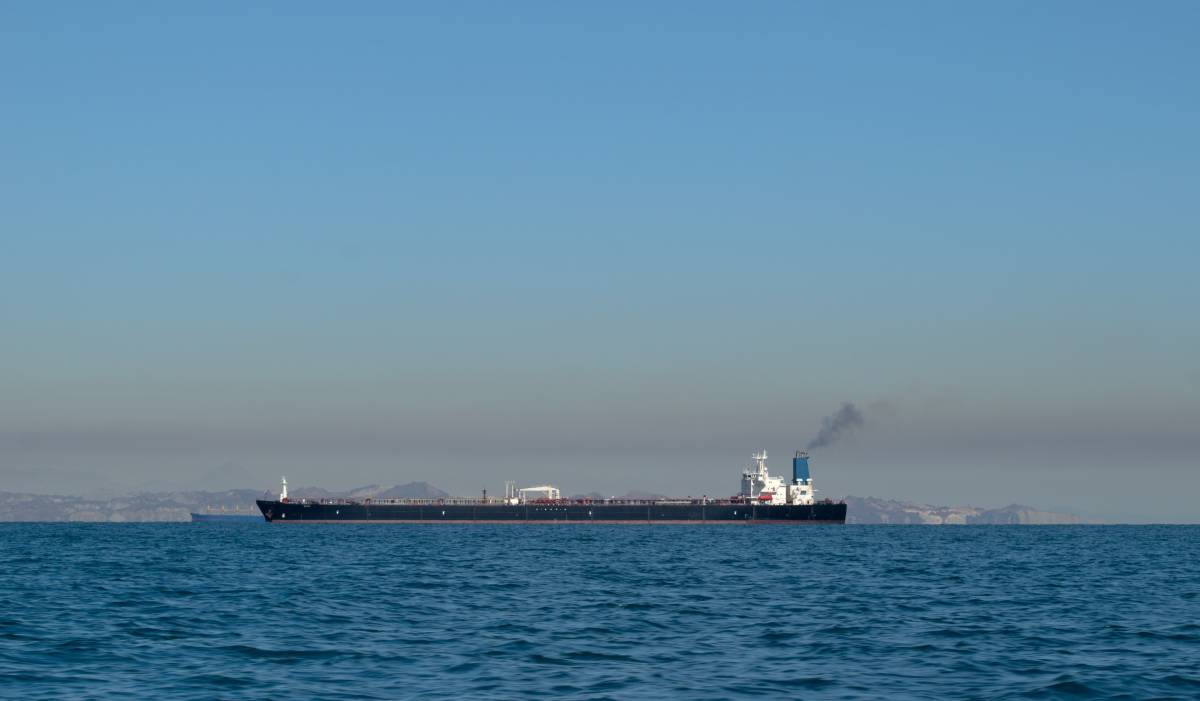
One vessel, carrying oil and initially bound for China, turned back shortly after entering the area, according to maritime tracking data. Another tanker, also partially loaded, similarly reversed course.