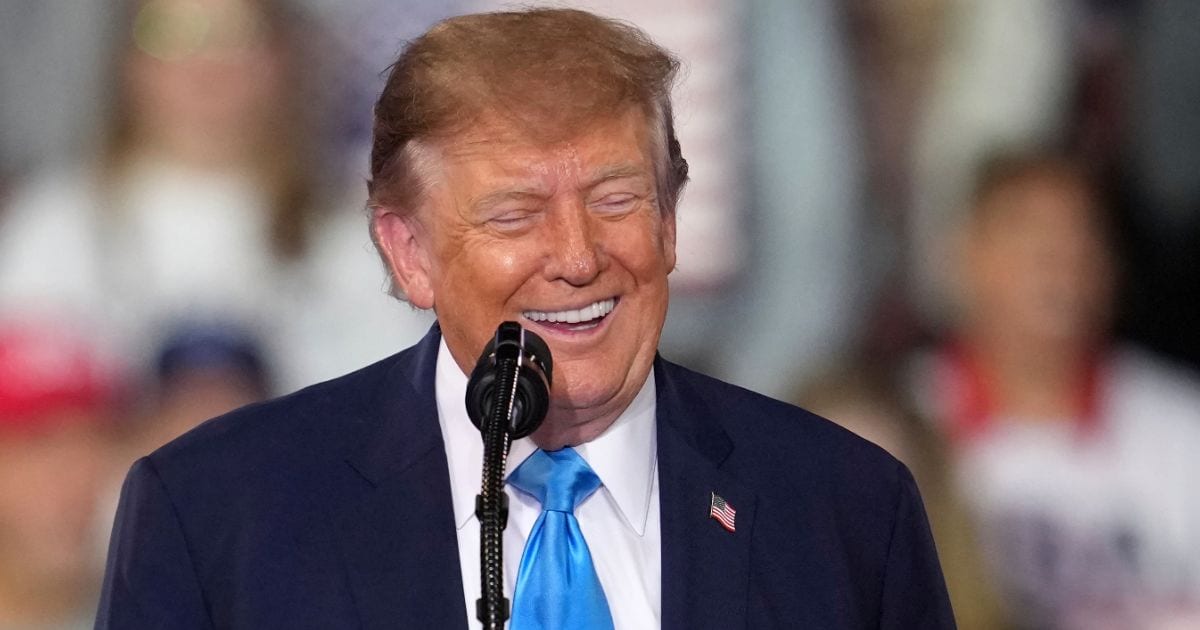
Trump’s approval rating sees sudden shift among urban voters, new poll shows

WASHINGTON, DC: President Trump’s approval rating has experienced a notable shift among urban voters, according to newly released polling data.
This change comes as economic concerns and policy decisions continue to shape public sentiment in cities where Trump historically struggled to gain support.
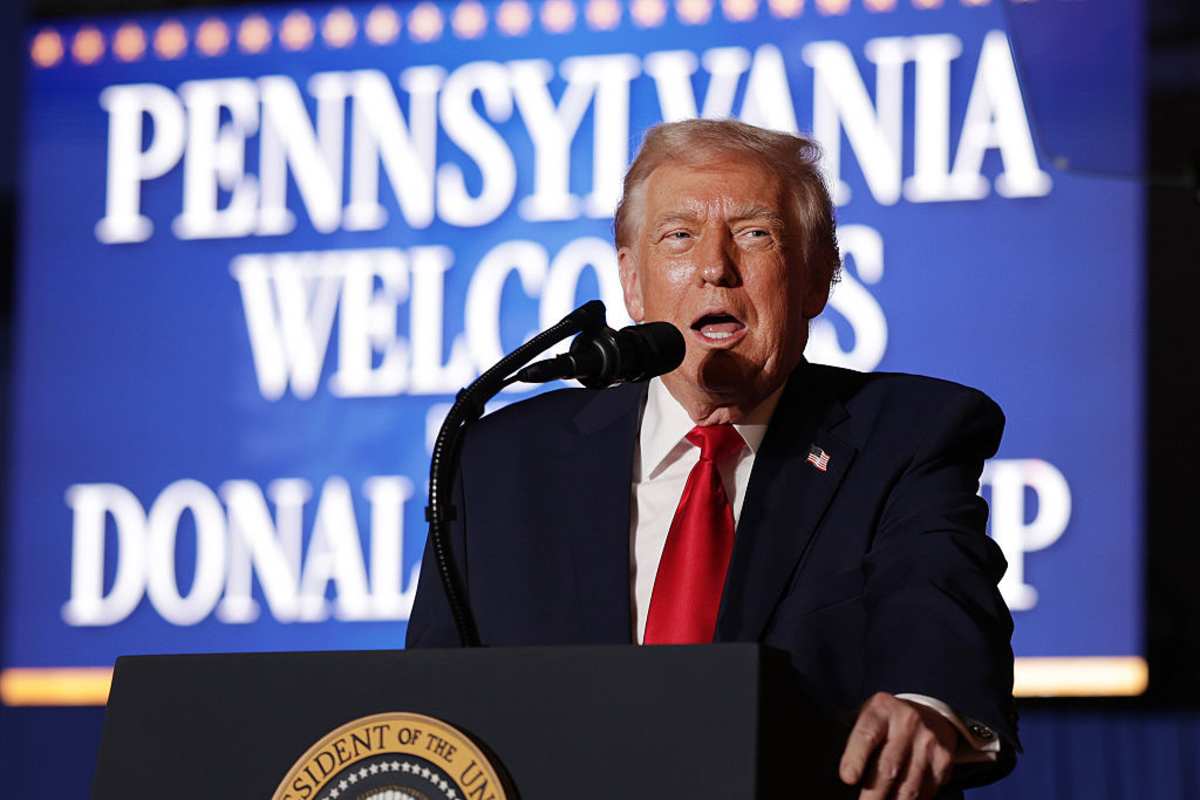 President Donald Trump delivers remarks during an event at Mount Airy Casino Resort on December 9, 2025 in Mount Pocono, Pennsylvania (Alex Wong/Getty Images)
Shifting urban approval lifts Donald Trump’s ratings
Recent data from Quantus Insights indicates a measurable uptick in Trump’s approval rating among urban voters over the past month.
In November 2025, the polling showed that Trump held a 37 percent approval rating with 60 percent disapproval in the urban sample, resulting in a net approval of -23 points.
By December 2025, his approval among city dwellers had risen to 43 percent, while disapproval dropped to 53 percent, narrowing his net disapproval to ‑10 points. This shift reflects a 6‑point increase in approval and a 7‑point decrease in disapproval in just one month.
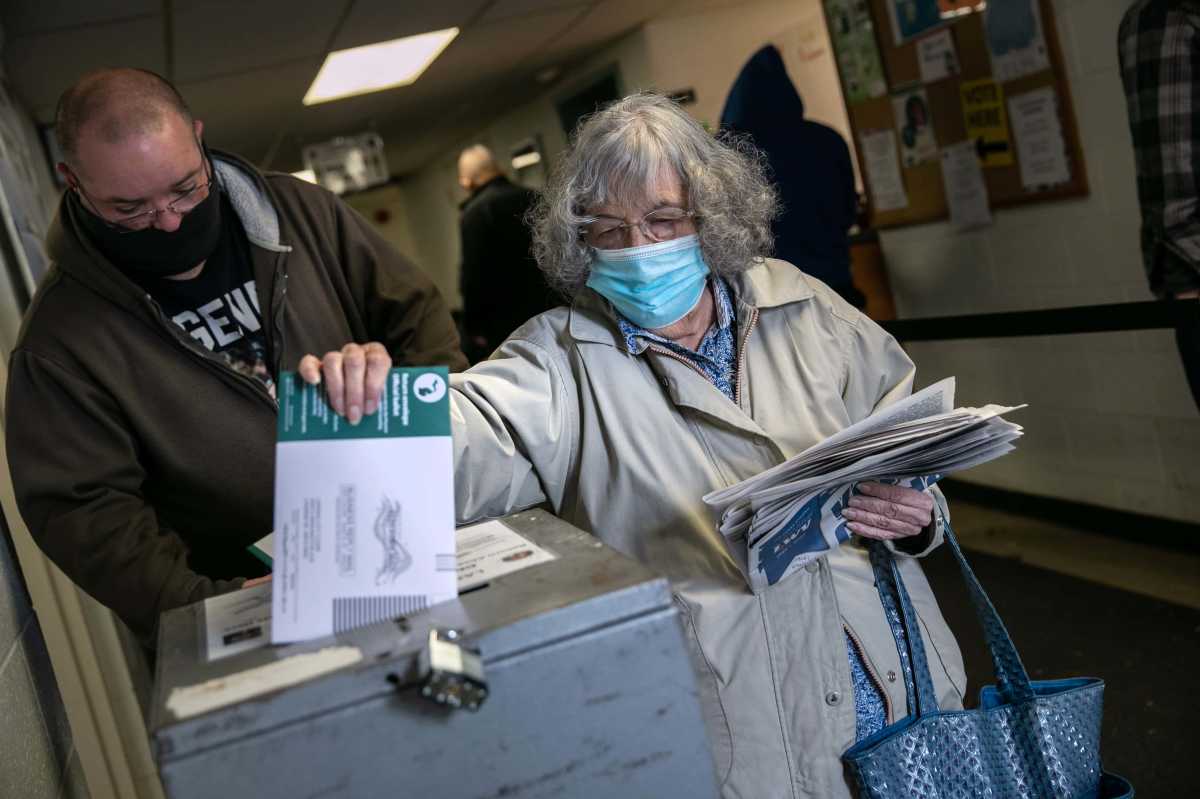
While urban voters are still more likely than those in suburban or rural areas to strongly disapprove of Trump, the share of urban respondents who “strongly disapprove” declined from 51 percent in November to 42 percent in December, a significant 9‑point drop.
The latest polling also highlights the issues most top‑of‑mind for voters. Cost of living factors, which include groceries, housing, and gas prices, were cited as the biggest concern by 36 per cent of Americans.
Broader economic issues followed at 17 percent, with corruption ranking third at 14 percent.
Interestingly, the very policies that have drawn criticism from urban residents such as Trump’s recent shifts on tariffs and stricter immigration enforcement in cities may be contributing to this uptick in approval.
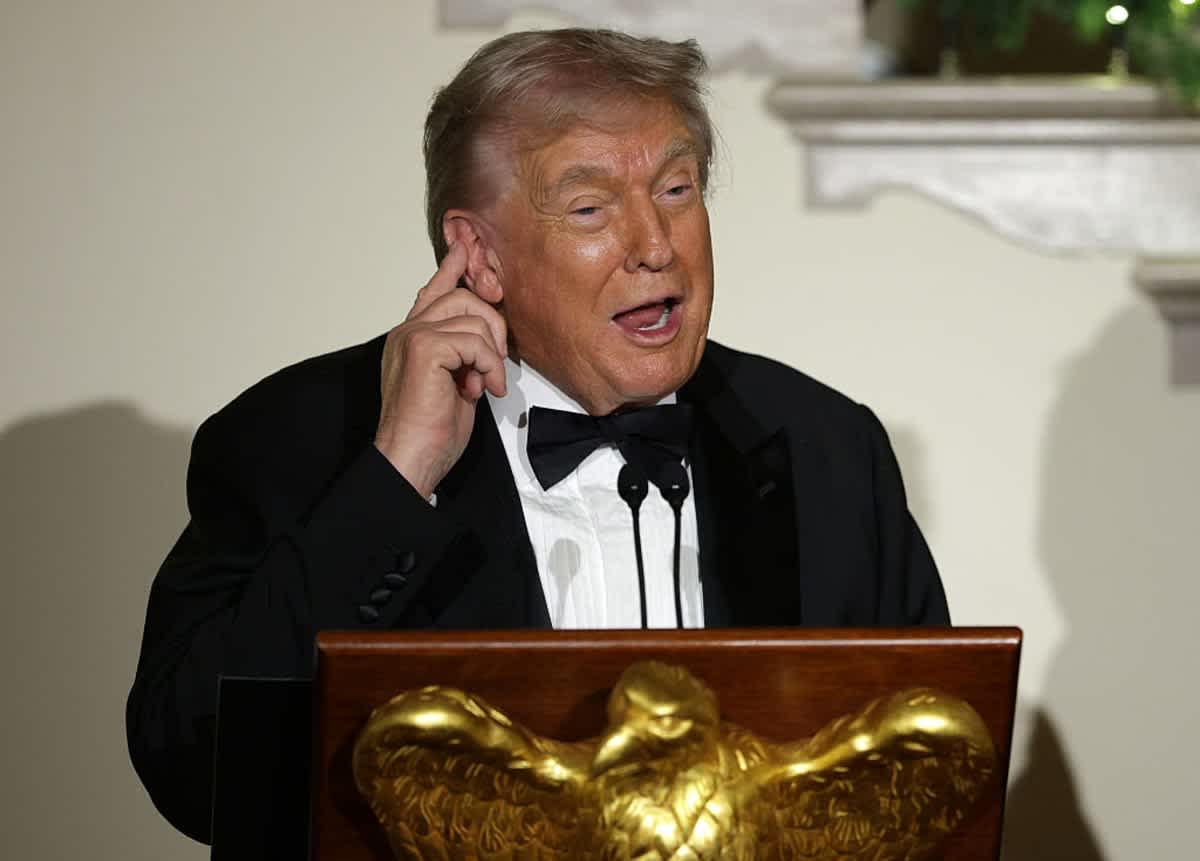
Donald Trump and urban voter volatility
Republican pollster Kristen Soltis Anderson, writing in The New York Times, offered insight into the broader context of Trump’s approval trends.
She claimed, "What’s crucial to understand about Trump’s poor approval numbers is that, unlike during his last time in the White House, people now disapprove of him because of the economy, not in spite of it."
Anderson noted that during his first term, concerns often centered on Trump’s style and approach, such as his handling of Covid‑19, rather than economic conditions.

She further said, "However, his job approval on the economy was typically a bright spot in his polling, and in my view, it was that brand attribute—a belief that, for all the baggage, Mr Trump might be worth having as president again if he could just fix the economy—that ushered him back to power.”
Trump’s approval rating, particularly among city voters, is likely to see continued swings.
Factors likely to influence future sentiment include ongoing debates over federal tariffs, immigration policy enforcement in cities, and the broader national discussion on inflation and the cost of living.