Hegseth claims War Powers clock 'pauses or stops' in a ceasefire as Senate rejects the argument
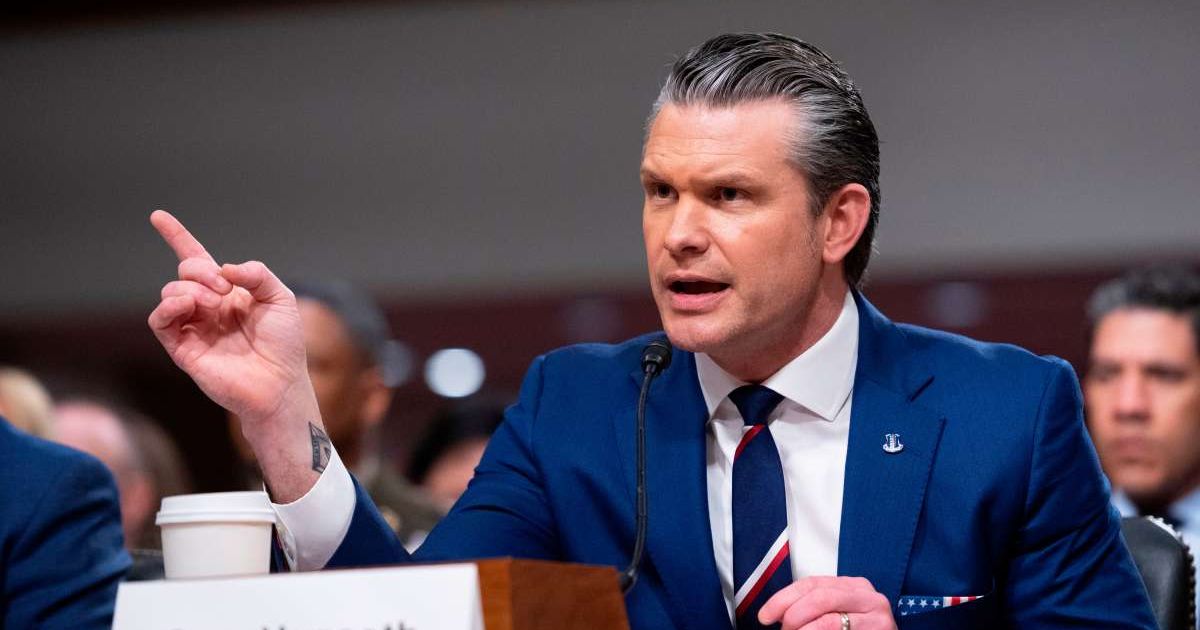
HEGSETH: On Iran, we are in a ceasefire right now, which I understand means the 60 day clock pauses or stops
— Aaron Rupar (@atrupar) April 30, 2026
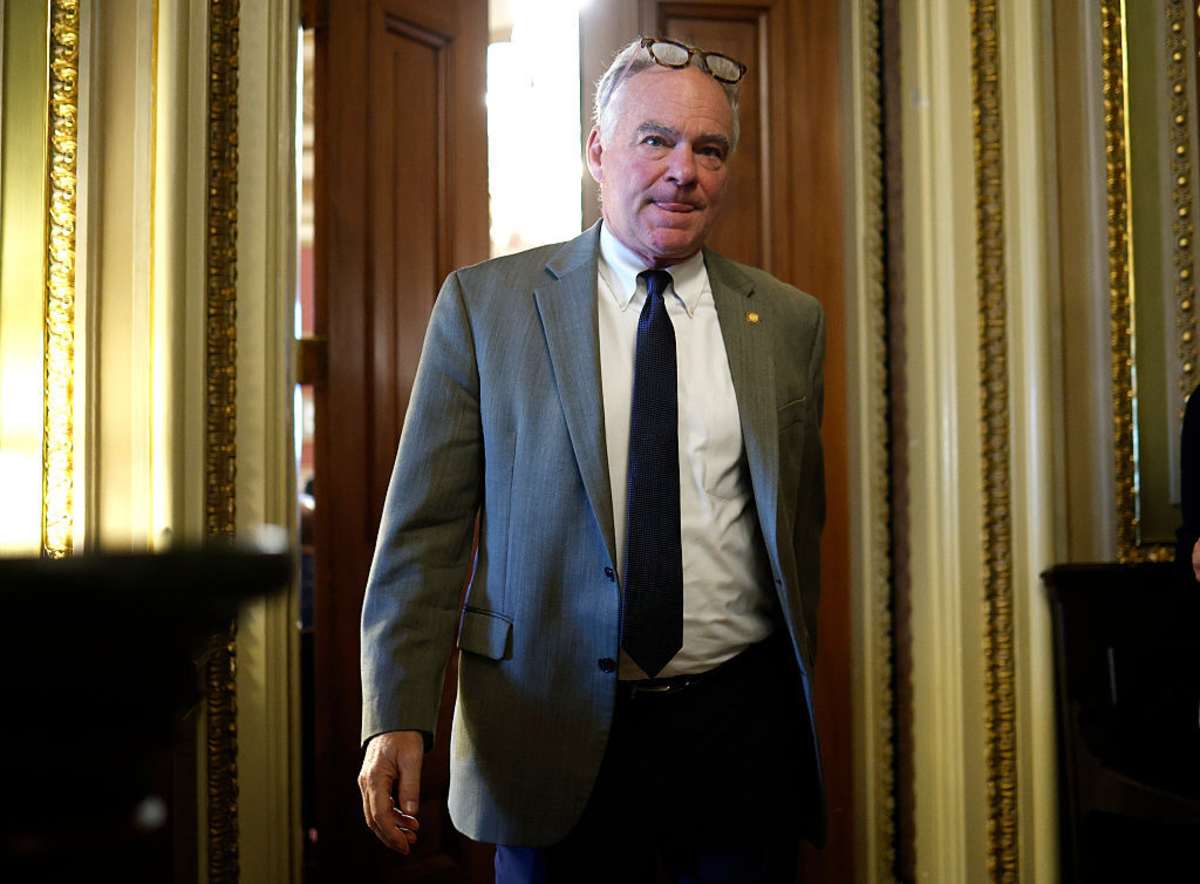
KAINE: I do not believe the statute would support that pic.twitter.com/1JGdThEdR9
WASHINGTON, DC: Defense Secretary Pete Hegseth told lawmakers on Thursday, April 30, that the Trump administration does not believe it needs fresh congressional authorization to continue military actions related to Iran, arguing that an ongoing ceasefire effectively pauses the legal clock under the War Powers Resolution of 1973.
Testifying before the Senate Armed Services Committee, Hegseth said the ceasefire between the United States and Iran, implemented on April 8, means the administration is not currently bound by the 60-day deadline that typically requires either ending military engagement or seeking approval from Congress.
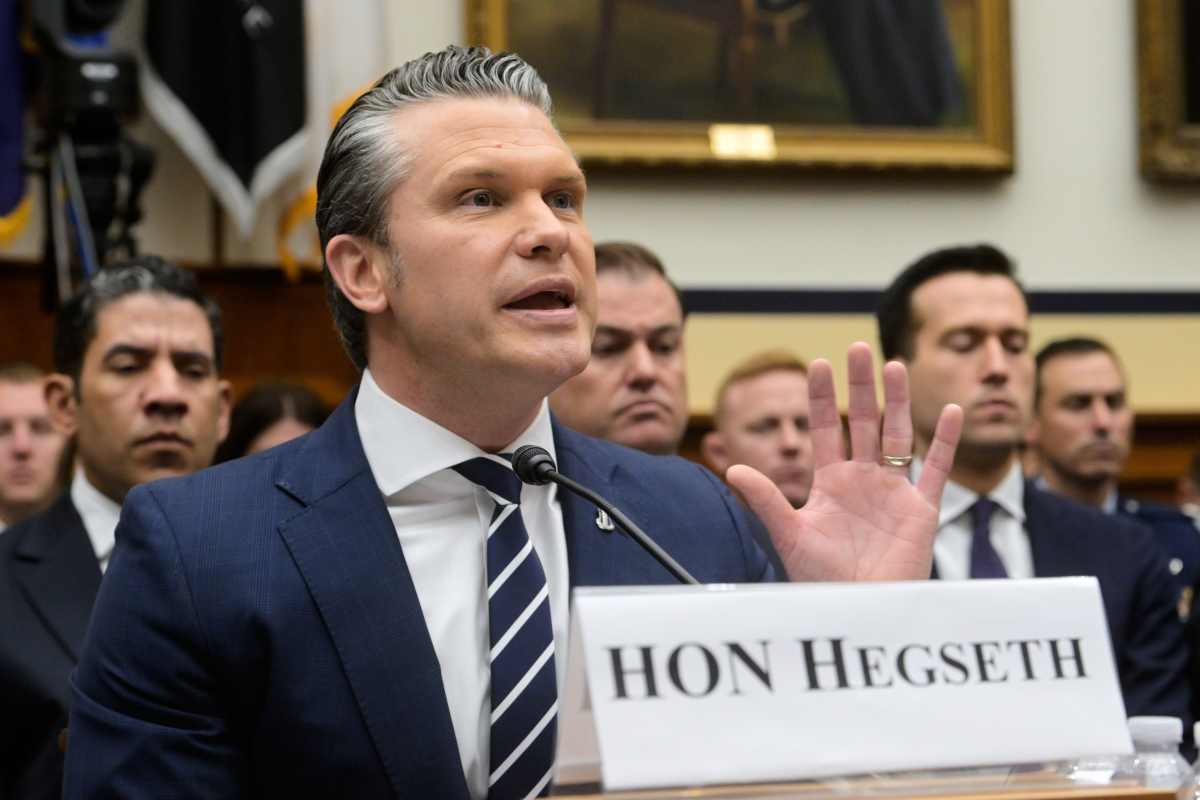
Ceasefire at centre of War Powers dispute
Under the War Powers Resolution, a president must secure congressional authorization within 60 days of notifying lawmakers about the use of military force, or halt operations. That deadline in the context of the Iran conflict is set to expire later this week.
However, Hegseth argued that the ceasefire changes the legal calculus.
“Ultimately, I would defer to the White House and the White House counsel on that; however, we are in a ceasefire right now, which, under our understanding, means the 60-day clock pauses or stops,” he said in response to questioning from Senator Tim Kaine, a Democrat from Virginia.
The administration’s interpretation suggests that the absence of active hostilities suspends the statutory timeline, even as certain military measures, including a naval blockade of Iranian assets, remain in place.

Lawmakers challenge legal and strategic justification
Kaine swiftly rejected that argument, warning that the administration’s position could trigger a significant constitutional dispute.
“I do not believe the statute would support that,” he said, adding that the looming expiration of the 60-day window “is going to pose a really important legal question for the administration.”
Other lawmakers used the hearing to question not only the legal basis of the administration’s actions but also the broader rationale for the conflict itself.
Senator Kirsten Gillibrand, a Democrat from New York, sharply criticized Hegseth over what she described as a war lacking both public backing and clear security benefits.
GILLIBRAND: Why do you continue to prosecute a war that the American people are not behind?
— Aaron Rupar (@atrupar) April 30, 2026
HEGSETH: When I talk to Americans, and especially when I talk to the troops, they are grateful for a president who has the courage to take on this threat pic.twitter.com/2CnmhZaAxX
“Why do you continue to prosecute a war that the American people aren’t behind?” Gillibrand asked during the hearing.
Hegseth pushed back, asserting that the administration believes it retains public support and noting that the conflict began only two months ago.
Gillibrand, however, countered that there was no clear evidence that the war had improved US security. “There’s no evidence that we are safer because of this war,” she said, also questioning the intelligence basis for initiating hostilities against Iran.