Iran quietly positions China as its exit as Trump-Xi talks raise hopes of diplomatic breakthrough
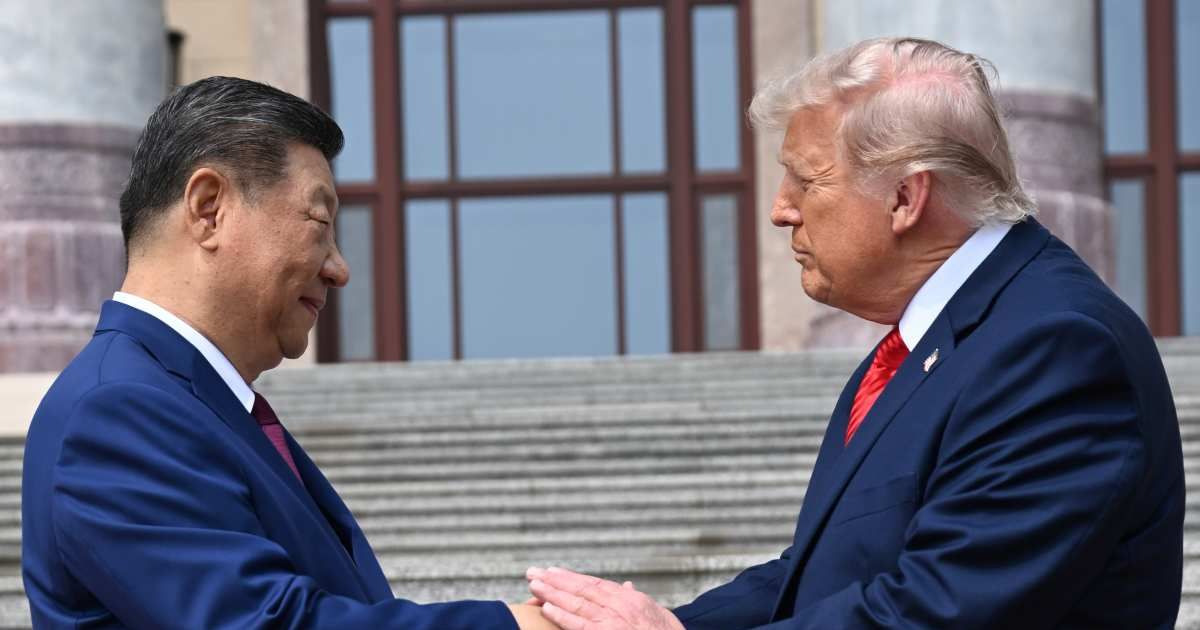
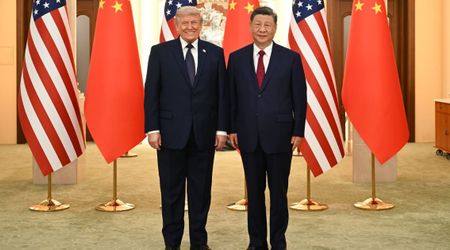
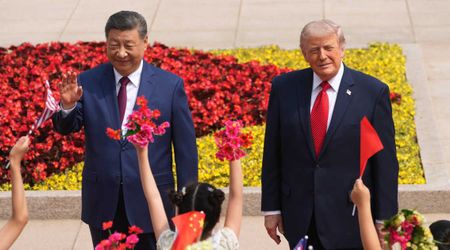
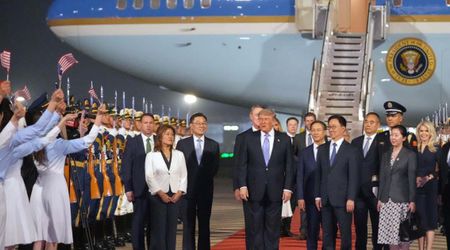
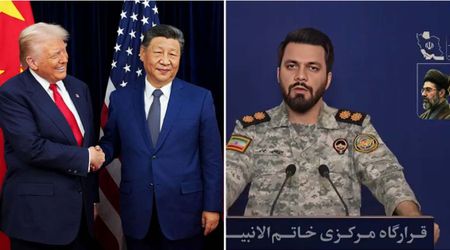
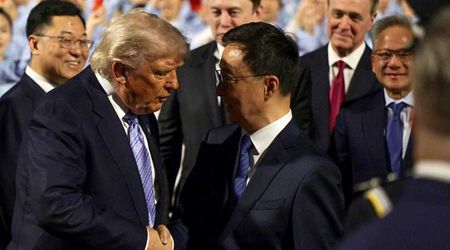
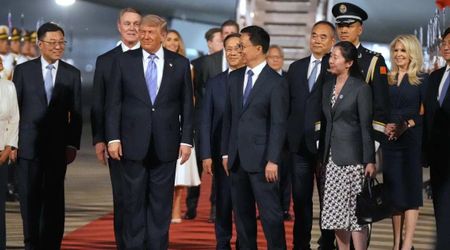
WASHINGTON, DC: As President Donald Trump met Chinese President Xi Jinping in Beijing, officials and media outlets in Iran watched closely, viewing the high-profile summit through the lens of Tehran’s deepening reliance on China amid escalating tensions with Washington.
Iranian state media portrayed Trump’s visit as evidence that the United States is struggling to manage growing instability in the Middle East and is increasingly dependent on Beijing’s influence to navigate the crisis.
One headline carried by the state-run Islamic Republic News Agency declared that “Trump visits China in the shadow of failure and stalemate,” reflecting a tone of defiance that has become increasingly common in Tehran’s official rhetoric.
The article argued that Washington was now being forced to seek assistance from other global powers as it struggles to contain the regional fallout from its confrontation with Iran.
Yet behind the public messaging, analysts say both Washington and Tehran appear to be quietly looking toward China as one of the few countries capable of helping break the diplomatic deadlock surrounding Iran’s nuclear activities and the continuing disruption in the Strait of Hormuz.
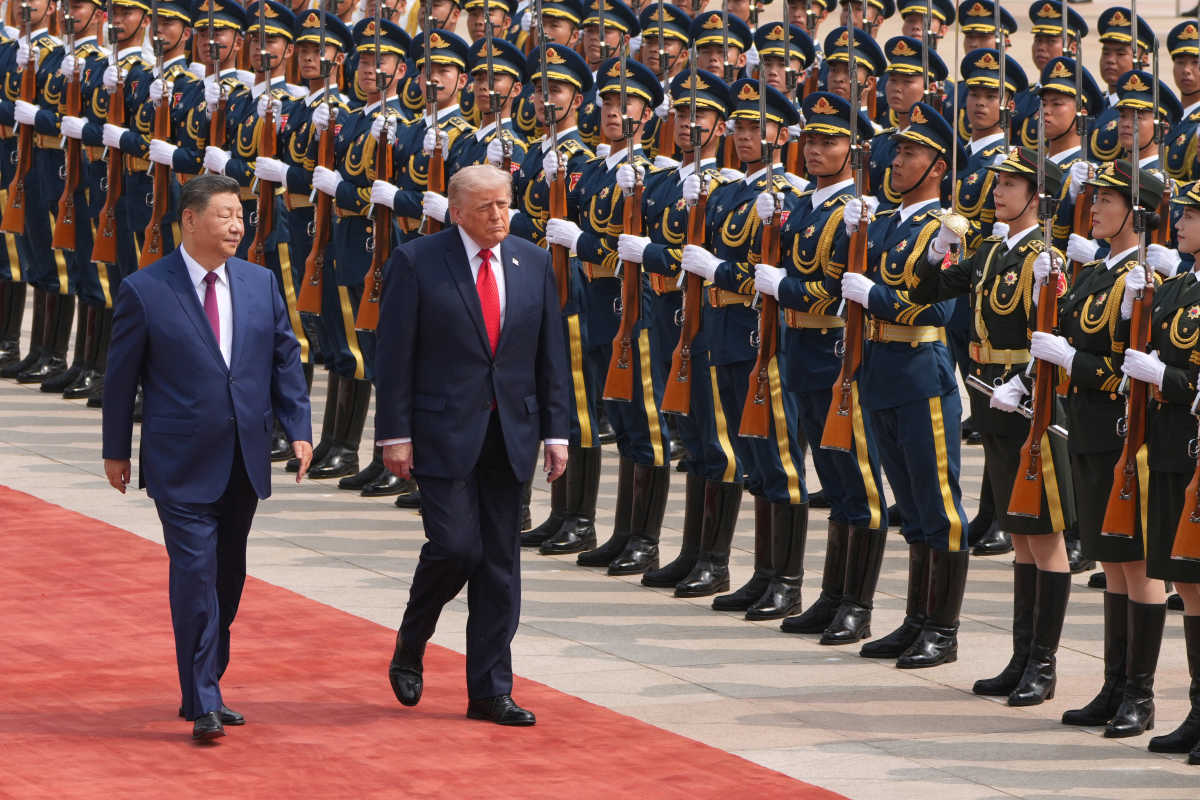
China emerges as key player in Iran crisis
China occupies a uniquely influential position in the standoff because it remains Iran’s most important economic partner and the largest buyer of Iranian oil exports, despite Western sanctions.
Iranian officials have increasingly called on Beijing to use its diplomatic leverage to mediate between Tehran and Washington, hoping China can help ease tensions and prevent further economic isolation.
At the same time, the United States has reportedly been pressing China to encourage Iran to accept conditions sought by Washington in ongoing negotiations tied to regional security and nuclear oversight.
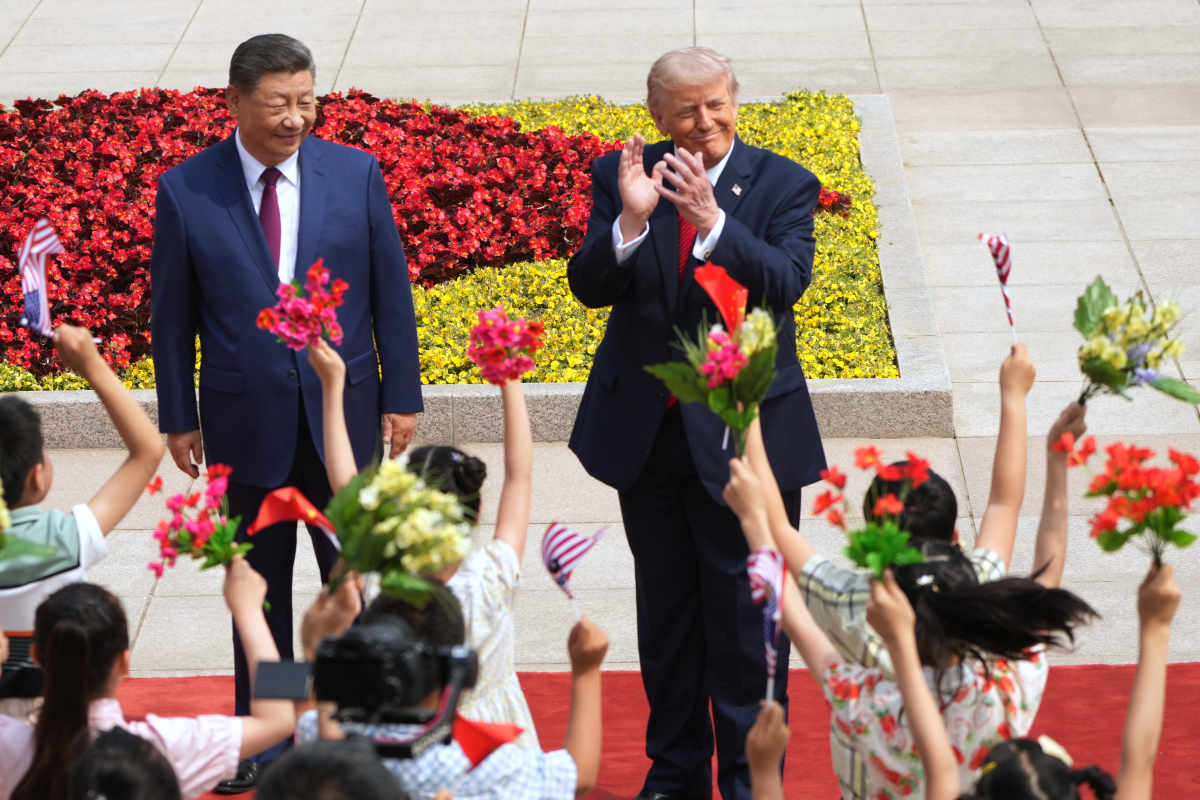
That dual pressure places Beijing in a delicate position. China has sought to maintain strong economic and strategic ties with Iran while also preserving stable relations with the United States and safeguarding its broader commercial interests in the Gulf region.
For Beijing, the crisis carries major economic implications. China depends heavily on energy imports passing through the Strait of Hormuz, one of the world’s most strategically important shipping routes.
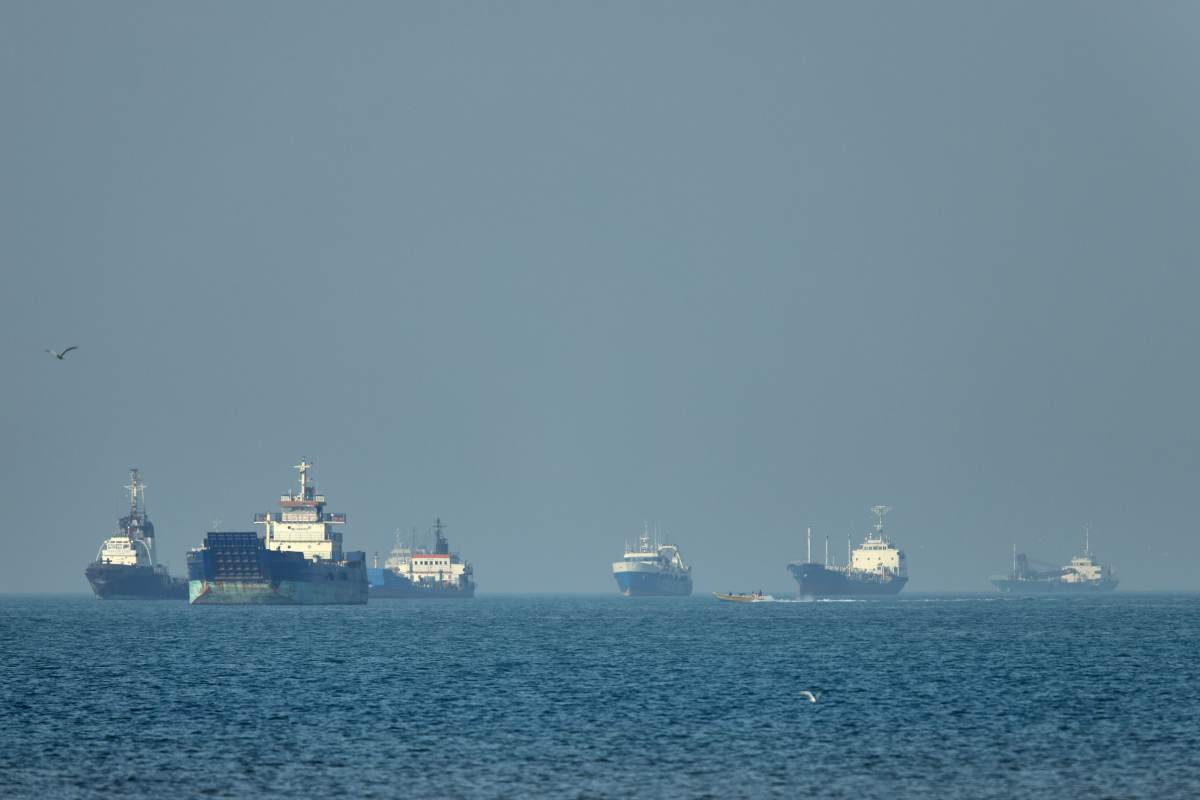
Strait of Hormuz remains central concern
The closure and instability surrounding the Strait of Hormuz continues to dominate diplomatic discussions, with fears that prolonged disruption could send global energy prices soaring and destabilize international markets.
Iran has exercised tight control over maritime traffic in the region during the standoff, allowing only limited movement through the strategic waterway. China’s close relationship with Tehran has become particularly visible in that context.
Chinese vessels are among the very few foreign ships occasionally permitted by Iran to transit through the strait, highlighting the level of trust between the two governments even as tensions remain high with much of the West.
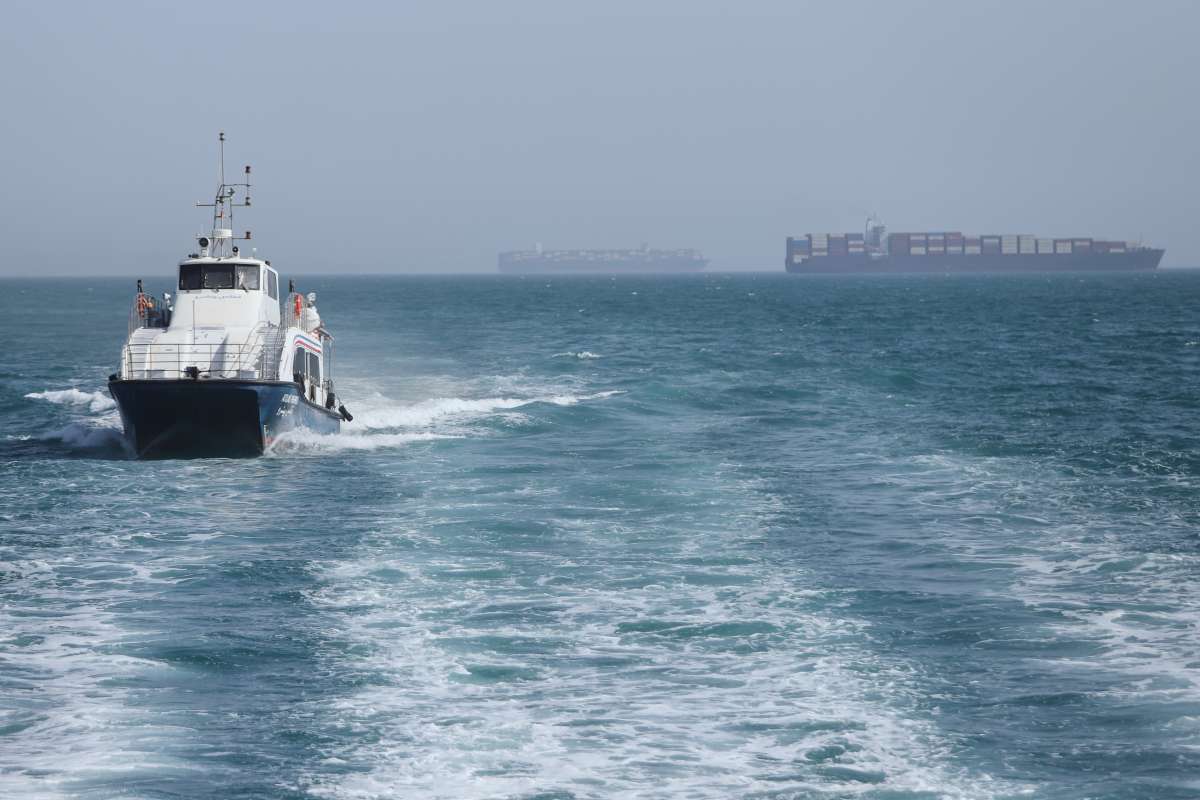
On Wednesday, shortly after Trump arrived in Beijing for talks with Xi, a Chinese-registered supertanker carrying nearly two million barrels of oil was reportedly allowed to pass through the Strait of Hormuz after remaining stranded in the Persian Gulf since early March.
The timing was widely interpreted by regional observers as a carefully calibrated signal from Tehran, a reminder to Beijing of the economic and strategic advantages tied to maintaining strong relations with the Islamic Republic.
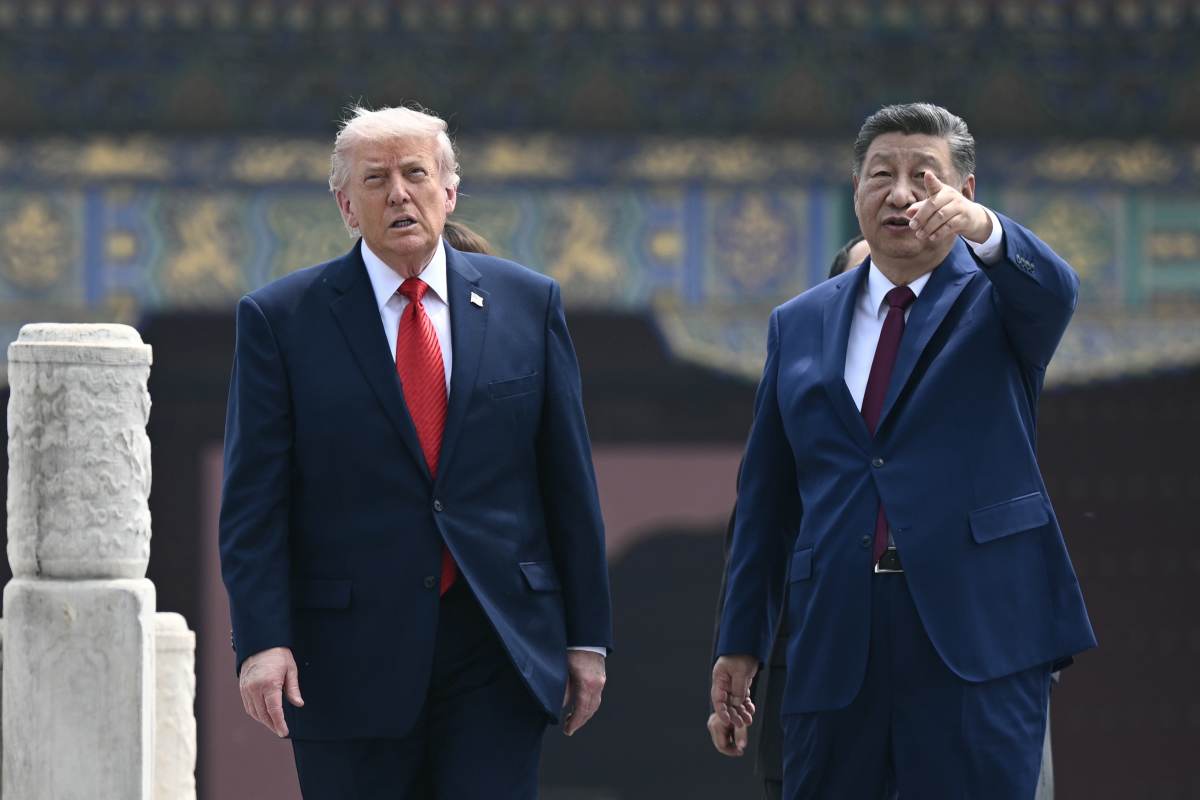
Tehran hopes Beijing can prevent escalation
Iranian officials appear increasingly hopeful that China could play a more assertive diplomatic role in reducing tensions and preventing further escalation between Tehran and Washington.
While no immediate breakthrough has been announced, Trump’s meeting with Xi has fueled speculation that China may emerge as a crucial intermediary in future negotiations involving sanctions relief, maritime security and Iran’s nuclear program.
For Tehran, Beijing represents not only a vital economic lifeline but also a potential diplomatic shield at a time when regional tensions remain dangerously high, and direct talks with Washington remain deeply complicated.